English and
 Español. After purchase, use the language toggle in your course Player to switch between English and Spanish at any time.

 EN
EN ES
ES























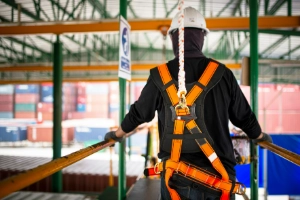
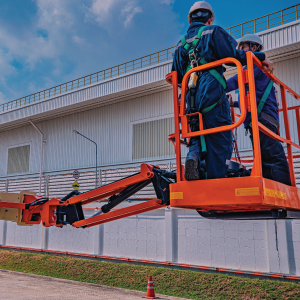
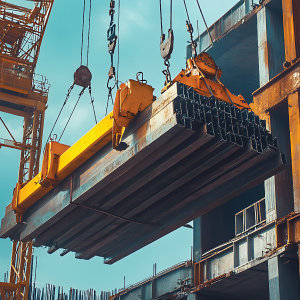

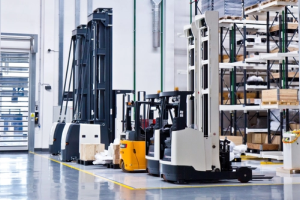
































Glossary - OSHA Focus Four Struck-By Hazards Prevention for Construction Training
A
No terms found
Barricade
A physical obstruction, such as a rail, fence, or portable barrier, used to warn workers of a hazardous area and block access to it, such as the swing radius of a crane or a public roadway adjacent to a work zone.
Backup (Reverse) Alarm
An audible warning device on a vehicle or piece of equipment that signals when the vehicle is moving in reverse, alerting nearby workers to stay clear.
Cab Shield (Canopy)
A protective structure mounted over the cab of a haulage vehicle to protect the driver from materials that may fall while the vehicle is being loaded by a crane, power shovel, or loader.
Caught-In or Caught-Between Hazard
A hazard in which a worker is crushed, pinched, or compressed between two objects, or between parts of an object, as distinguished from a struck-by hazard, which results from the impact of an object alone.
Chip Guarding
A protective shield or barrier fitted to compressed air equipment to prevent chips, debris, or other particles from being ejected toward workers during cleaning or cutting operations.
Compressed Air Hazard
A struck-by hazard created when compressed air is used to power tools or clear debris; the force of the air or the objects it propels can strike a worker if pressure limits and guarding are not observed.
Counterweight
A weighted component mounted on the rear of a crane or similar piece of equipment to balance the load being lifted; workers struck by a rotating or swinging counterweight can suffer fatal blunt-force injuries.
Debris Net
A netting system installed below or around an elevated work area to catch falling tools, materials, or debris before they can strike a worker below.
E
No terms found
Face Shield
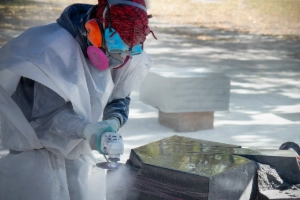
A PPE device that protects the entire face, or portions of it, from flying debris, large particles, or splashes; face shields are typically worn together with safety glasses or goggles rather than as standalone eye protection.
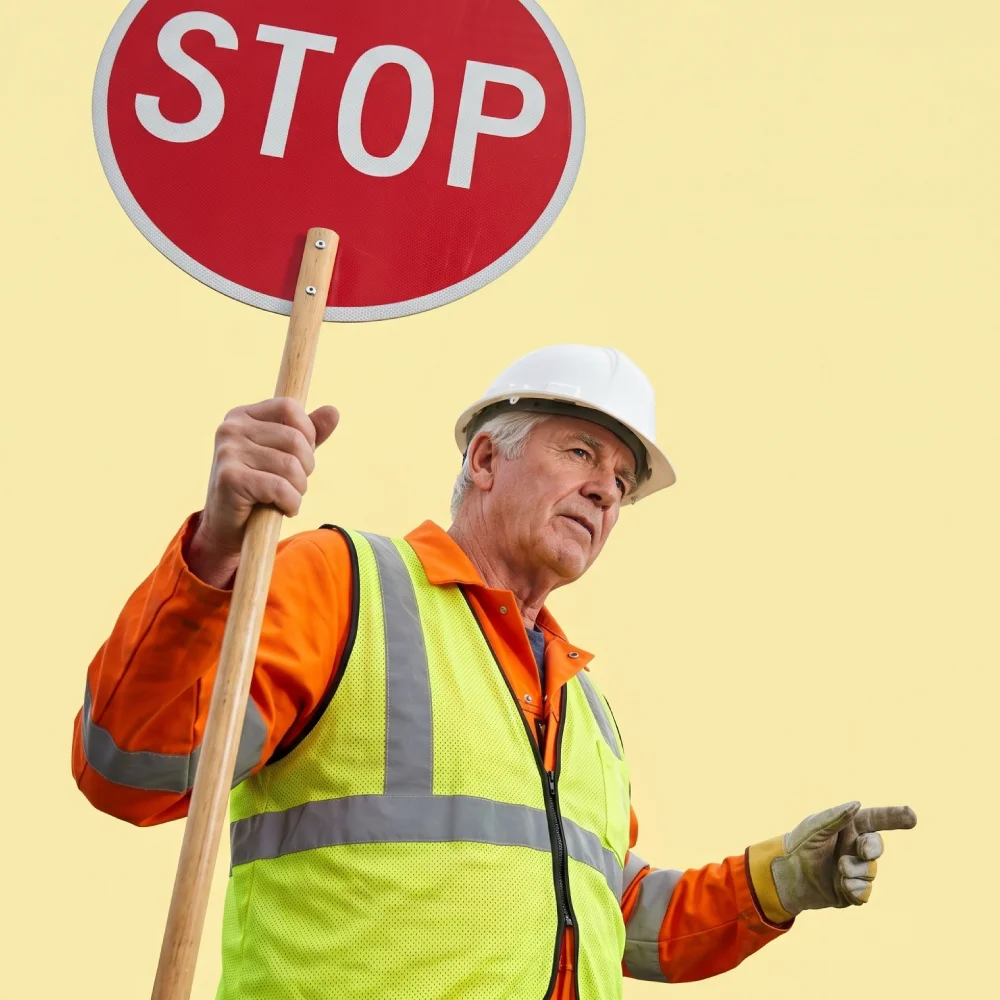
Flagger
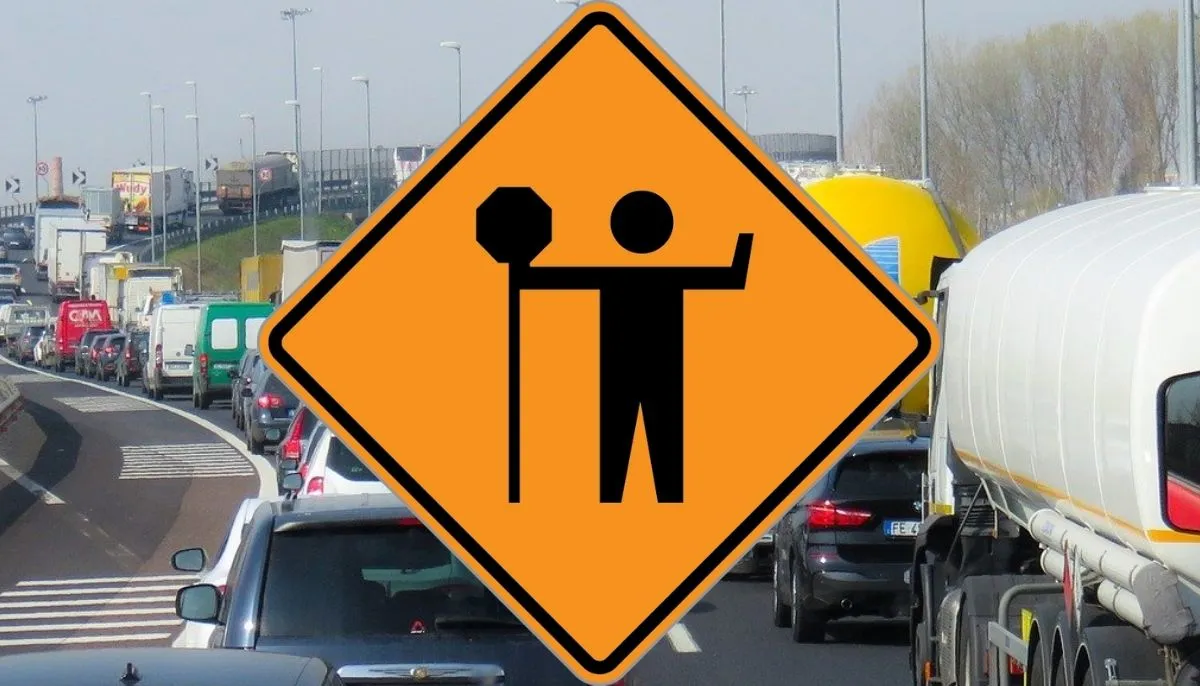
A worker specifically designated and trained to direct vehicle or pedestrian traffic around or through a construction work zone using signals, signs, or paddles.
Flying Object Hazard
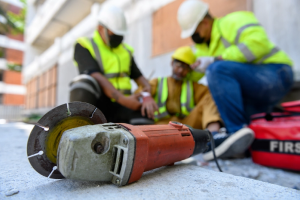
A type of struck-by hazard that occurs when an object is propelled through the air, intentionally or unintentionally, such as fragments from grinding or cutting, fasteners from a nail gun, or debris cleared by compressed air.
Falling Object Hazard
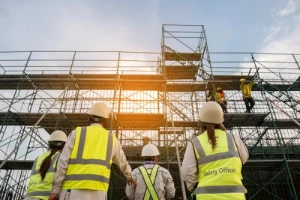
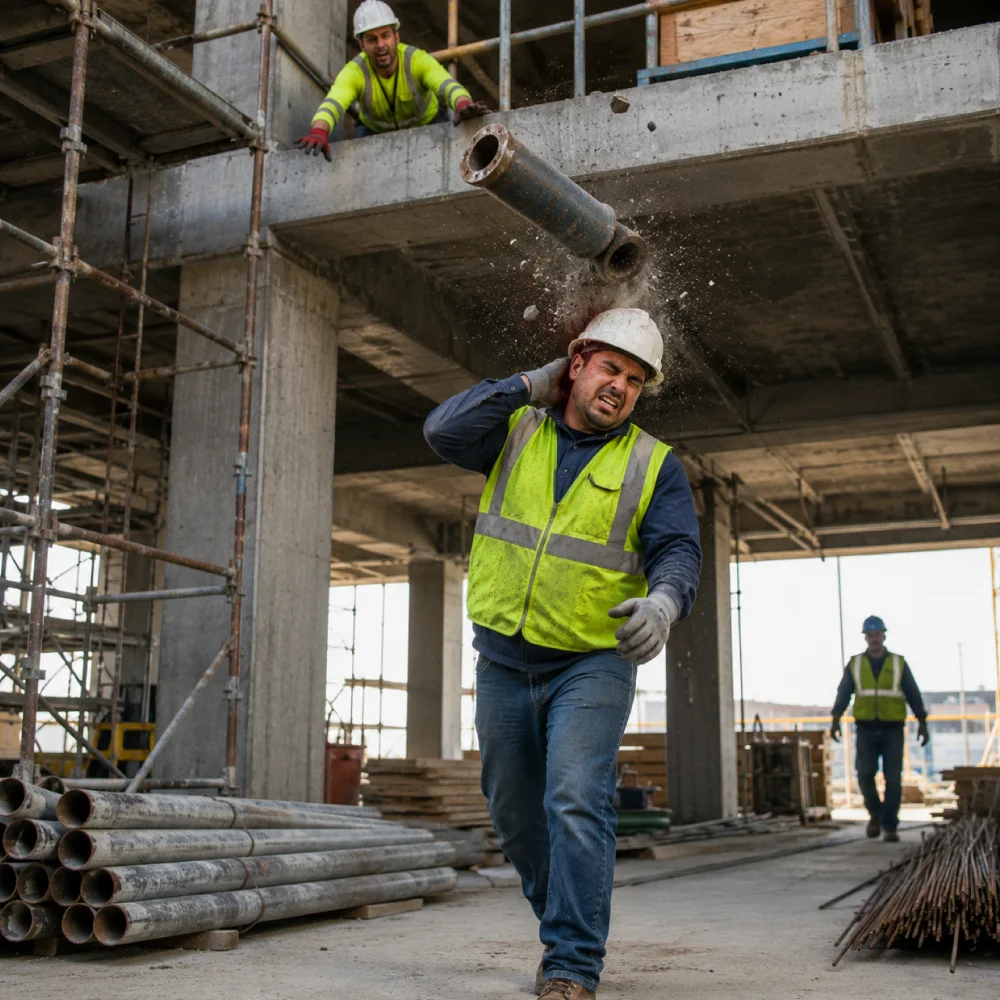
A type of struck-by hazard that occurs when tools, materials, or debris fall from an elevated location, such as scaffolding, a crane, or an upper floor under construction, and strike a worker below.
G
No terms found
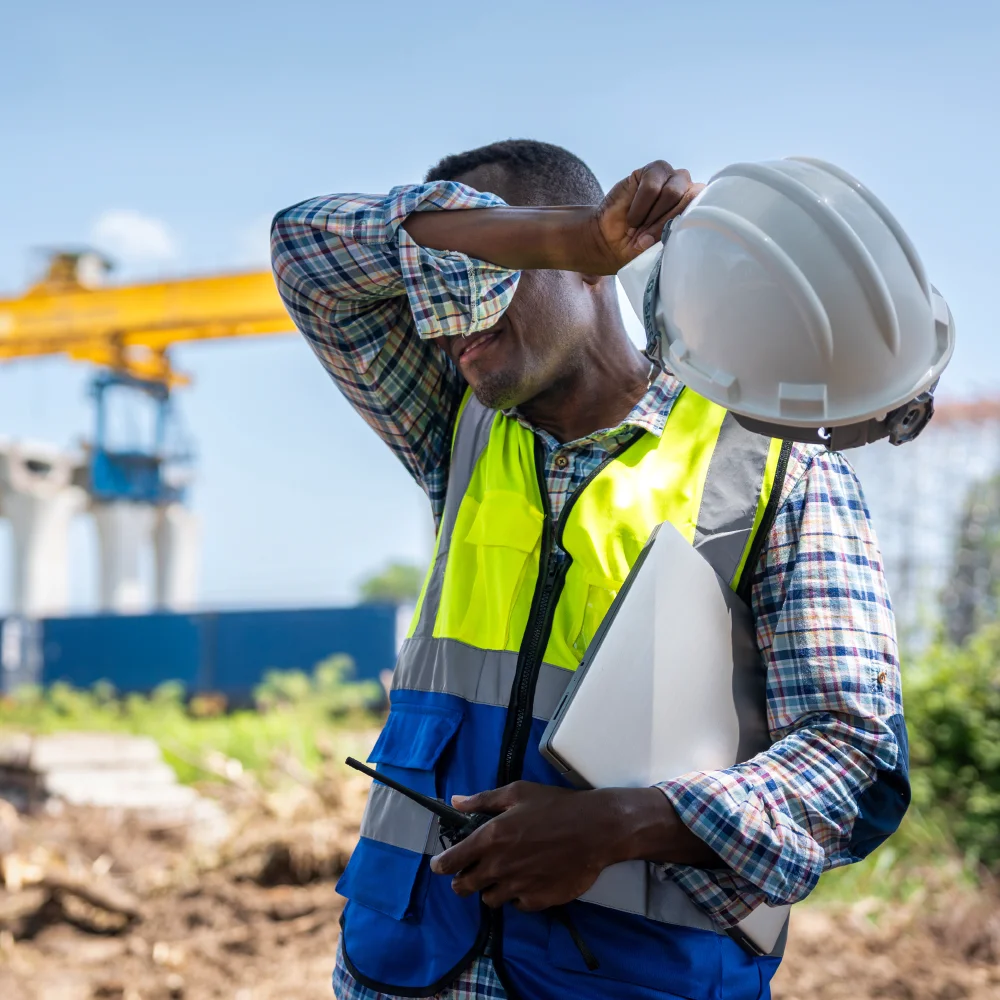
Hard Hat
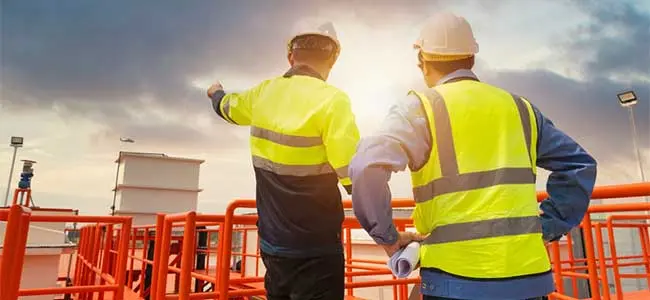
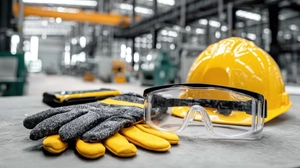
A rigid head covering worn to protect a worker from injuries caused by falling or fixed objects; hard hats should be inspected regularly and replaced immediately after sustaining a heavy impact.
Heavy Equipment
Large, powered machinery used on construction sites, such as cranes, excavators, and loaders, which can pose struck-by hazards to workers in or near the equipment's path or swing radius.
High-Visibility Clothing
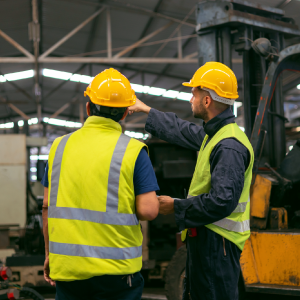
Vests or garments in bright colors, such as red or orange, often with reflective material, worn so that workers remain visible to equipment operators and vehicle drivers, particularly during low-light or night work.
Hoisting Equipment
Cranes, hoists, and similar devices used to lift and move materials on a construction site; struck-by hazards arise if loads are not properly rigged, secured, or kept clear of workers.
I
No terms found
J
No terms found
K
No terms found
L
No terms found
Motor Vehicle Safety
The set of practices and procedures used to protect workers from being struck by trucks, cars, and other vehicles operating on or near a construction site, including traffic control, signage, and driver awareness measures.
MUTCD (Manual on Uniform Traffic Control Devices)
A national standard that establishes requirements for traffic signs, signals, and barricades used to control traffic and protect workers near public roadways.
Mushroomed Head
A deformed, flared striking surface on a hand or impact tool caused by repeated use; tools with mushroomed heads should not be used because fragments can break off and strike a worker.
N
No terms found
O
No terms found
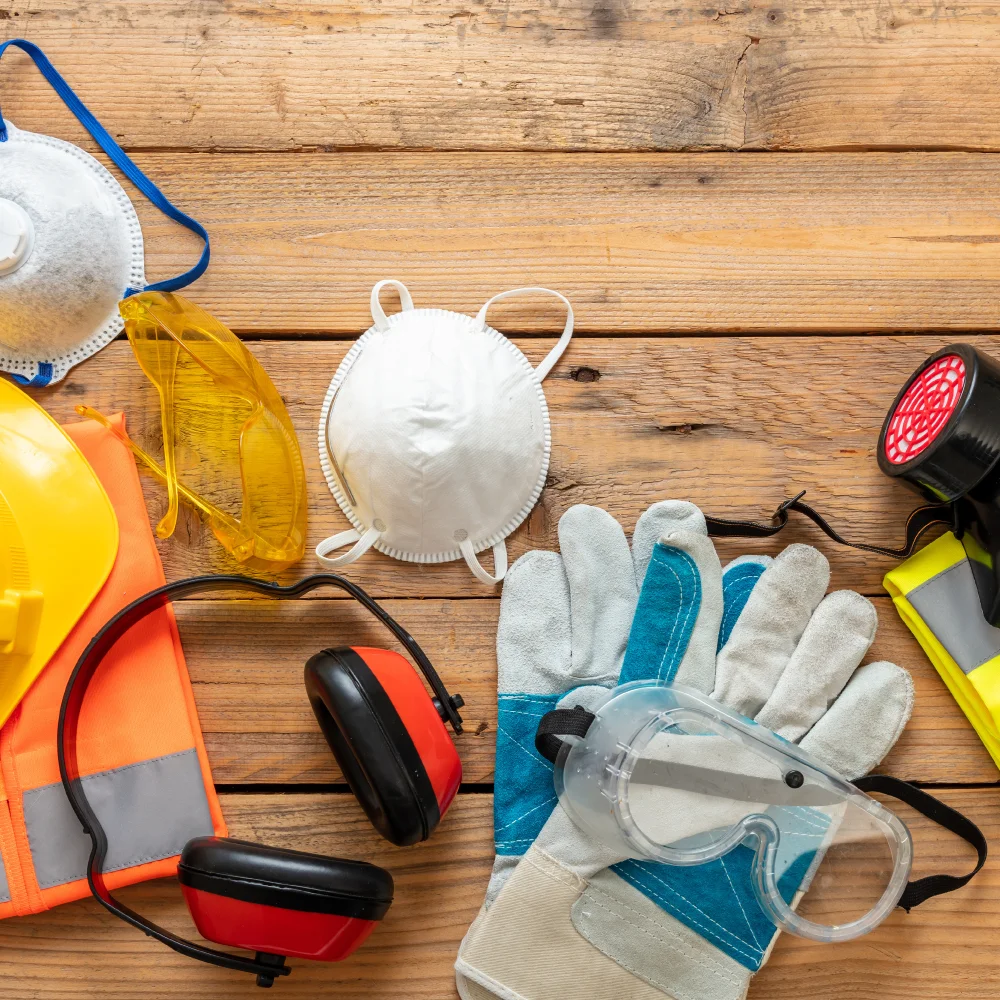
Personal Protective Equipment (PPE)
Equipment worn by a worker, such as hard hats, eye and face protection, high-visibility clothing, and foot protection, to reduce the risk of injury from struck-by and other hazards when engineering and administrative controls alone are not sufficient.
Powder-Actuated Tool
A tool that uses a small explosive charge to drive fasteners into dense materials such as concrete, wood, or steel; the same force that allows penetration can cause serious injury if a fastener strikes a worker.
Q
No terms found
Rigging
The equipment and technique used to attach a load to a crane or hoist, such as hooks, slings, and wire rope clips; proper rigging is critical to prevent loads from slipping, swinging, or falling.
Rolling Object Hazard
A type of struck-by hazard that occurs when a worker is hit or run over by an object that is rolling, moving, or sliding on the same level as the worker, including moving vehicles and equipment.
Signal Person
A worker qualified to communicate directions to an equipment operator, such as a crane operator, when the operator's view of the load or work area is obstructed.
Struck-By Hazard
A hazard involving injuries produced by forcible contact or impact between a worker and an object or piece of equipment; one of OSHA's Focus Four hazards in construction.
Swing Radius
The area through which the rotating superstructure of a crane or similar piece of equipment, including its counterweight, moves; workers must stay outside this area to avoid being struck.
Swinging Object Hazard
A type of struck-by hazard that occurs when a suspended, hinged, or retracting object swings, twists, or turns unexpectedly and strikes a worker, such as a load swinging from a crane.
Toe Board
A low barrier installed at the edge of an elevated work surface to prevent tools, materials, or debris from being kicked or rolling off the edge and falling on workers below.
U
No terms found
V
No terms found
W
No terms found
X
No terms found
Y
No terms found
Z
No terms found