 EN
EN ES
ES




































































Authorized Gas Tester Training
- In accordance with Federal OSHA Regulations 29 CFR 1910.106, 1910.119, 1910.120, 1910.134, 1910.146, 1910.147, 1910.252, 1910.1000, 1910 Subpart Z, and OSHA’s General Duty Clause
- Available in:
 English |
  Español
 - Learn at your own pace and on your own schedule
- Receive your certificate instantly upon completion
- Select from SCORM-compliant, online streaming, virtual instructor-led, or in-person learning formats
0.8
Bulk Buying
| Employee | Per Seat |
|---|---|
| 2-10 | $336.59 |
| 11-20 | $333.19 |
| 21-50 | $329.79 |
| 51-100 | $322.99 |
| 101-250 | $316.19 |
| 251-500 | $312.79 |
| 501-1000 | $305.99 |
Course Facts


Training Duration

Learning Type

Course Access Validity

Device Support


Certificate Validity
Authorized Gas Tester Training Course Syllabus
This AGT Training consists of 7 Modules divided into 19 lessons. Students are required to take each lesson in sequential order as listed below.
Introduction
Module 1: Authorized Gas Tester Fundamentals
Introduces the core role of the Authorized Gas Tester (AGT), focusing on identifying hazardous atmospheres and understanding why gas testing is critical. It covers oxygen, flammable, and toxic hazards, as well as regulatory requirements and workplace scenarios where testing is essential.
- Lesson 1: Role and Responsibilities of the Authorized Gas Tester
- Lesson 2: Safe Systems of Work and Permit-to-Work Integration
Module 2: Operations Requiring Gas Testing
Explores work activities and environments where atmospheric hazards are likely to occur, such as confined spaces, hot work, and hazardous material handling. It explains how gases behave, including flammability limits, toxicity, and environmental influences.
- Lesson 3: Work Activities Requiring Atmospheric Testing
- Lesson 4: Behavior of Gases and Vapors as Atmospheric Hazards
- Lesson 5: Flammable and Explosive Atmospheres
- Lesson 6: Toxic Atmospheres and Exposure Control
- Lesson 7: Toxicology and Dose–Response Principles
Module 3: Risk Assessment Requirements
Focuses on conducting effective risk assessments for gas testing activities. It outlines a structured approach to identifying hazards, evaluating risks, and selecting appropriate testing strategies. Learners will grasp planning, communication, and aligning gas testing results with permit conditions and safe work practices.
- Lesson 8: Risk Assessment for Gas Testing Activities
Module 4: Respiratory Protection and PPE
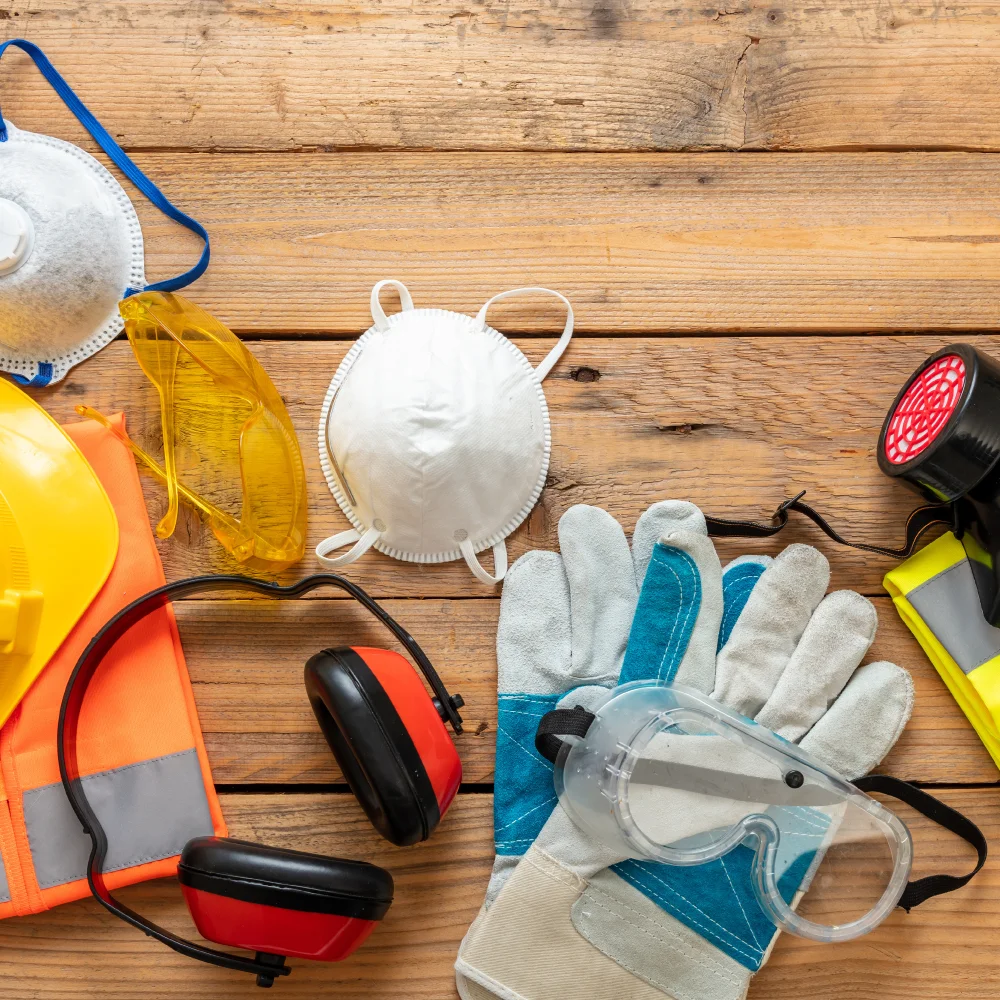
Covers the selection, use, and limitations of personal protective equipment (PPE) and respiratory protection for AGTs. It explains how PPE fits within the hierarchy of controls and highlights the importance of compatibility with gas detection equipment. Proper inspection, maintenance, and situational use of PPE are also emphasized.
- Lesson 9: Respiratory Protective Equipment (RPE)
- Lesson 10: Fundamentals of PPE for AGTs
- Lesson 11: Chemical Protective Clothing
Module 5: Understanding Gas Detection Equipment
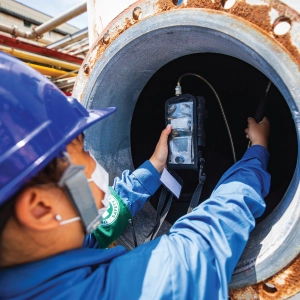
Provides a detailed overview of gas detection instruments, including sensor types, operating principles, and equipment limitations. It covers meter selection, pre-use checks, and calibration requirements to ensure accurate readings. Learners develop the knowledge needed to operate and maintain gas detection equipment effectively.
- Lesson 12: Principles of Atmospheric Monitoring Equipment
- Lesson 13: Types of Portable Gas Detectors and Meter Selection
- Lesson 14: Operational and Pre-Use Checks for 4-Gas Meters
- Lesson 15: Calibration of Gas Detection Instruments
Module 6: Gas Testing for High-Risk Operations
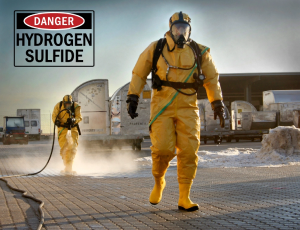
Focuses on applying gas testing principles in high-risk environments, including hot work, confined spaces, and hydrogen sulfide (H₂S) exposure. It outlines specific hazards, testing strategies, and monitoring requirements for each situation.
- Lesson 16: Gas Testing for Hot Work
- Lesson 17: Gas Testing for Confined Space
- Lesson 18: Gas Testing for Hydrogen Sulfide (H₂S) Hazards
Module 7: Emergency Response and Abnormal Situations
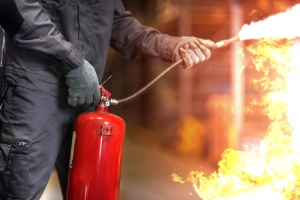
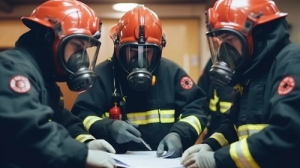
Prepares AGTs to respond effectively to gas-related emergencies and abnormal conditions. It covers alarm response, evacuation procedures, and coordination with emergency teams. The module also highlights the importance of rapid decision-making, communication, and post-incident investigation to prevent recurrence.
- Lesson 19: Emergency Response for Gas Testing Incidents
Final Examination
Frequently Asked Questions
Authorized Gas Tester (AGT) training is designed to align with key occupational safety regulations and industry standards governing atmospheric testing and workplace safety.
- 29 CFR 1910.146 – Permit-Required Confined Spaces
Covers atmospheric testing requirements, entry procedures, and continuous monitoring for confined spaces. - 29 CFR 1910.120 – Hazardous Waste Operations and Emergency Response (HAZWOPER)
Addresses exposure to hazardous substances and the need for air monitoring in contaminated environments. - 29 CFR 1910.147 – Control of Hazardous Energy (Lockout/Tagout)
Relevant for ensuring equipment is safely isolated before gas testing or entry. - 29 CFR 1910.252 – General Requirements for Welding, Cutting, and Brazing (Hot Work)
Includes requirements for fire prevention and atmospheric safety during hot work. - 29 CFR 1910.106 – Flammable Liquids
Covers handling, storage, and control of flammable vapors that may require gas testing. - 29 CFR 1910.1000 – Air Contaminants
Establishes permissible exposure limits (PELs) for toxic gases and vapors. - 29 CFR 1910.134 – Respiratory Protection
Addresses the selection and use of respirators when atmospheric hazards cannot be fully controlled. - 29 CFR 1910 Subpart Z – Toxic and Hazardous Substances
Includes substance-specific standards requiring exposure monitoring.
This training is vital, as it enables trainees to acquire the knowledge and expertise required to detect, assess, and control hazardous gases that can endanger or even kill workers. The gases are either invisible and odorless or exceed the capacity of human senses. Therefore, training is vital to recognize the hazards of such gases, which cannot be identified without proper equipment.
AGTs need to understand proper equipment use, proper gas evaluation, and safe testing procedures. This is particularly important, as AGTs need to work in hazardous locations, including confined spaces, hot work, and hazardous materials. The training ensures that AGTs do not perform incorrect tests or misinterpret results, which could lead to unsafe working conditions and exposure to dangerous gases. AGT training also enables organizations to comply with OSHA standards and regulations.
It ensures your organization adheres to national safety regulations and client-specific requirements for confined space and hot-work activities.
Certified personnel are equipped to perform accurate atmospheric evaluations, confirming that work environments are safe before tasks begin.
Absolutely. Proactive hazard control minimizes work stoppages and ensures projects proceed smoothly, without disruptions caused by unsafe conditions. It demonstrates leadership’s commitment to safety, protecting lives, organizational resources, and the company’s reputation.
- Developed in alignment with key OSHA standards governing atmospheric testing and safety requirements for Authorized Gas Testers (AGTs).
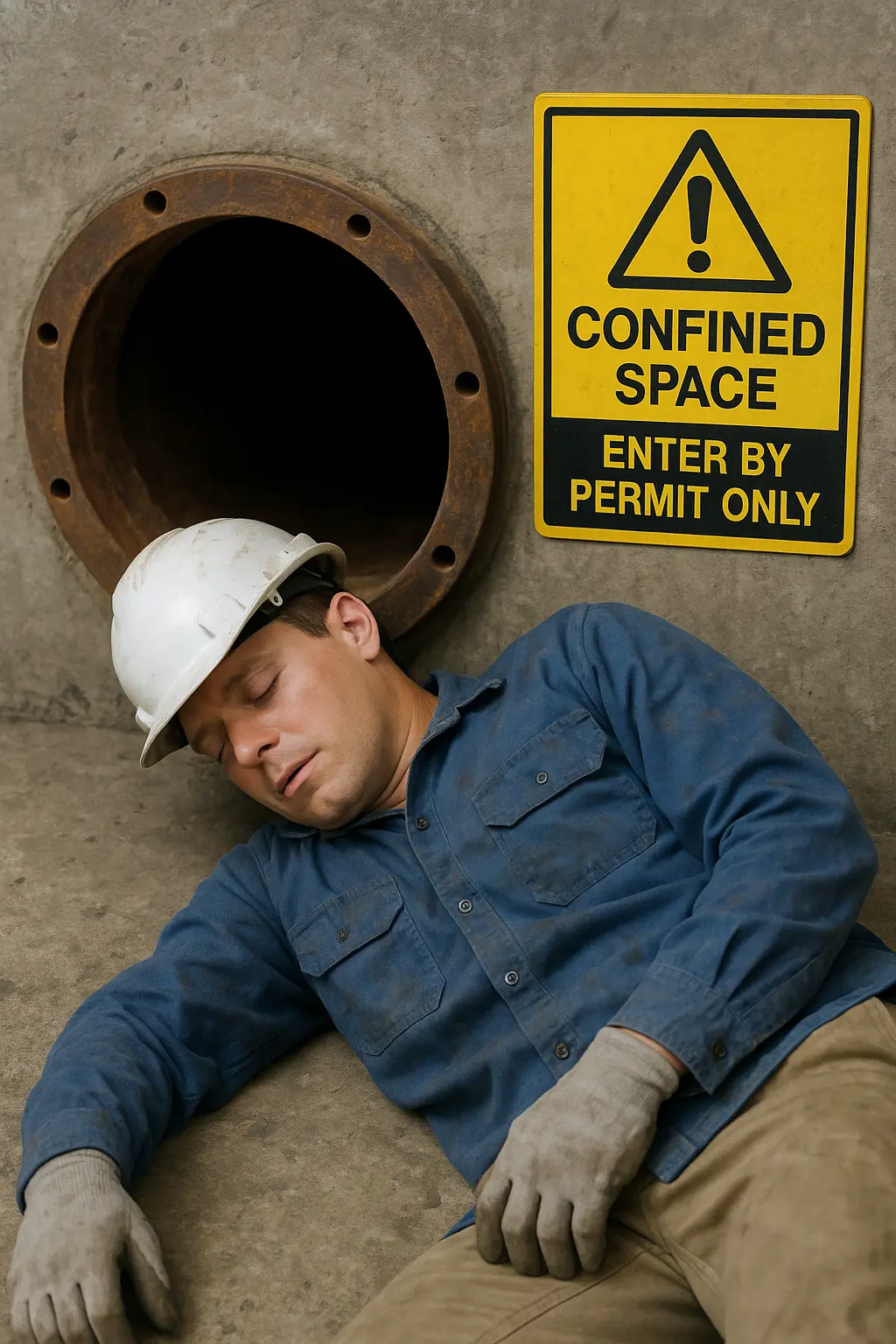
- The training is based on incident case studies - Confined Space Fatalities, Hot Work Ignitions, H2S Releases, not just theory-based decision-making.
- You will learn how to properly analyze readings - trends, stratification, cross-sensitivities, common mistakes that lead to false “safe” conditions, and how to avoid them.
- This training is not just about gas detection, but also how AGTs work with permits, isolation (LOTO), and operational controls in a live work environment.
- The focus is on how this training will be used in the real world, not just on theory-based training scenarios.
- Workers entering confined spaces
- Personnel performing hot work in hazardous environments
- Employees handling flammable, toxic, or reactive substances
- Safety officers and site supervisors overseeing atmospheric safety
- Maintenance and repair teams in industrial or chemical facilities
- Emergency response personnel dealing with hazardous atmospheres
- Contractors and subcontractors required to perform gas testing
- Any individual maintaining an Authorized Gas Tester role
There are no prerequisites for this course.
OSHA regulations recommend employees take this course as an annual refresher.
Certificate of Completion: Immediately after passing the final exam, you can download, save, or print your certificate in PDF format.
Validity: The Authorized Gas Tester Training course certificate is valid for one year.
Renewal: Simply take this course in 12 months to maintain compliance and stay current on Authorized Gas Tester (AGT) best practices at work sites.
Choose Your Ideal Training Format:



Scorm Package
$339.99/Person


Virtual Instructor-Led
$449.00/Person (minimum 10)

In-Person Group
$1,195.00/Person (minimum 10)
Highly informative and engaging!
The course exceeded my expectations. The focus on safety, risk assessment, and emergency response is invaluable.
The practical approach, combined with clear explanations of OSHA standards, makes this course a must for anyone working in hazardous environments.
Well-structured and very practical. I now understand how to use gas detectors effectively and interpret results accurately. I also realized I have been using the incorrect gas meter.



The ROI of Online Safety Training
Discover the value of our efficient alternative to live training and calculate your return on investment.
ROI Calculator
Recommended Courses