 EN
EN ES
ES

































































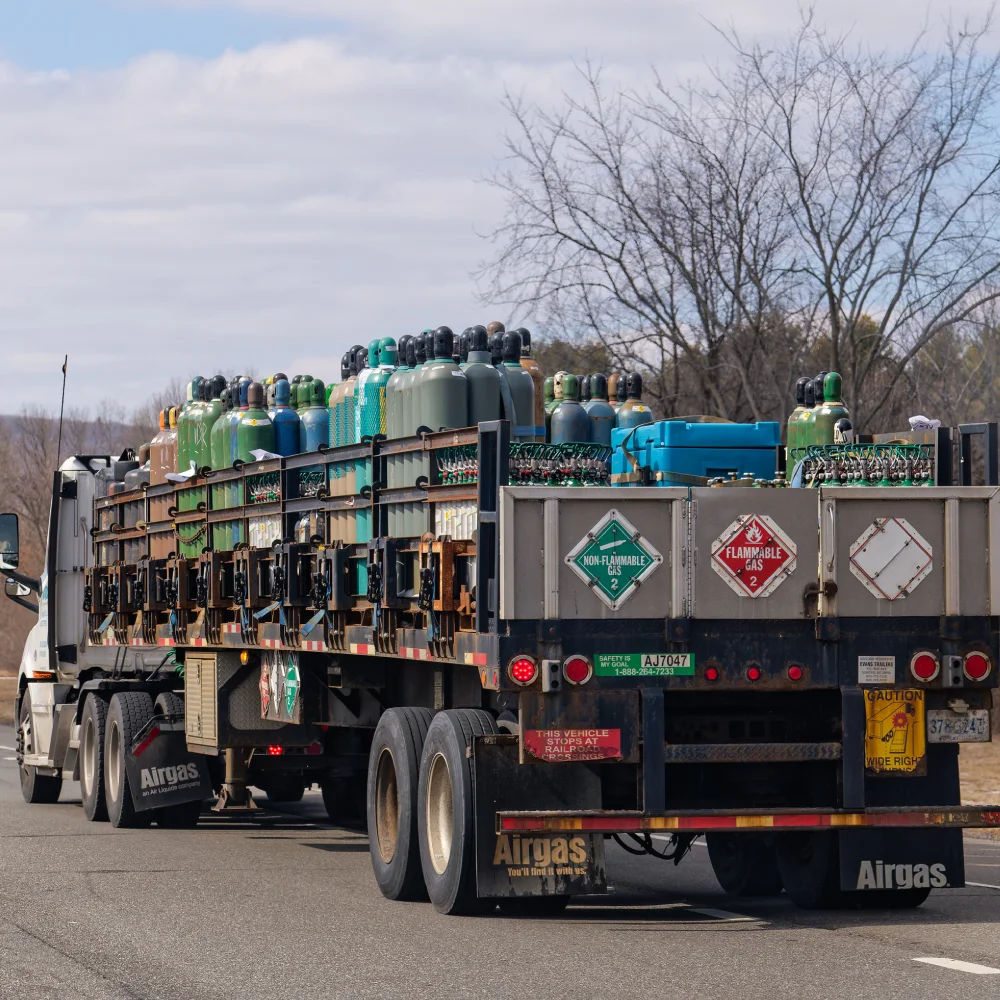






OSHA Compressed Gas Cylinder Safety Training
- In accordance with Federal OSHA Standards 29 CFR 1910.101 and 29 CFR 1926.350
- Covers essential knowledge for the safe operation, storage, handling, and transportation of compressed gas cylinders
- Available in:
 English |
  Español
 - Learn anytime at your own pace
- Receive your training certificate immediately after successful course completion
- Available in multiple delivery formats, including SCORM packages, self-paced online modules, live virtual sessions, or in-person classroom training
0.2
Bulk Buying
| Employee | Per Seat |
|---|---|
| 2-10 | $39.59 |
| 11-20 | $39.19 |
| 21-50 | $38.79 |
| 51-100 | $37.99 |
| 101-250 | $37.19 |
Course Facts


Training Duration

Learning Type

Course Access Validity

Device Support


Certificate Validity
OSHA Compressed Gas Cylinder Safety Training Course Syllabus
This OSHA Compressed Gas Cylinder Safety Training consists of 5 lessons . Students are required to take each lesson in sequential order as listed below.
Introduction
Lesson 1: Introduction to Compressed Gas Cylinders
- What compressed gas cylinders are and their applications.
- Components of a compressed gas cylinder.
- Types of gases used in compressed gas cylinders.
- Various types of compressed gas cylinders.
- OSHA, DOT, and NFPA standards applicable to compressed gas cylinders.
Lesson 2: Common Hazards
- Mechanical hazards such as tipping of cylinders, damage to valves, and improper securing.
- Chemical hazards resulting from exposure to toxic gases, oxygen displacement, or incompatible gases.
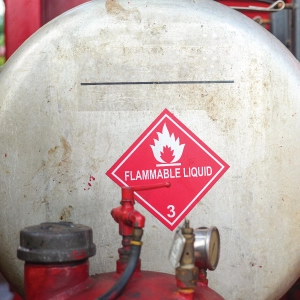
- Fire and explosion hazards associated with flammable gases, oxidizers, or ignition sources.
- Asphyxiation hazards in poorly ventilated spaces.
- Hazards caused due to improper components and unsafe connections.
- Dangers of PVC piping and material compatibility considerations.
Lesson 3: Inspection and Installation
- Pre-use inspection of compressed gas cylinders, valves, caps, and pressure relief devices.
- Detecting damage, corrosion, leaks, or missing markings during inspection.
- Proper installation of compressed gas cylinders.
- Identifying unusual pressure conditions when setting up and installing.
- Reading and monitoring pressure gauges to ensure cylinders operate within safe limits.
Lesson 4: Storage and Transportation
- Storage of compressed gas cylinders in compliance with the OSHA regulations.
- Securing cylinders to prevent tipping, falling, and rolling of cylinders.
- Implementation of mandatory signage in storage and use areas.
- Handling practices for safely moving cylinders.
- Appropriate transportation practices to avoid damage to cylinders and valves.
Lesson 5: Safe Work Practices
- Safe operation of valves, regulators, and control devices.
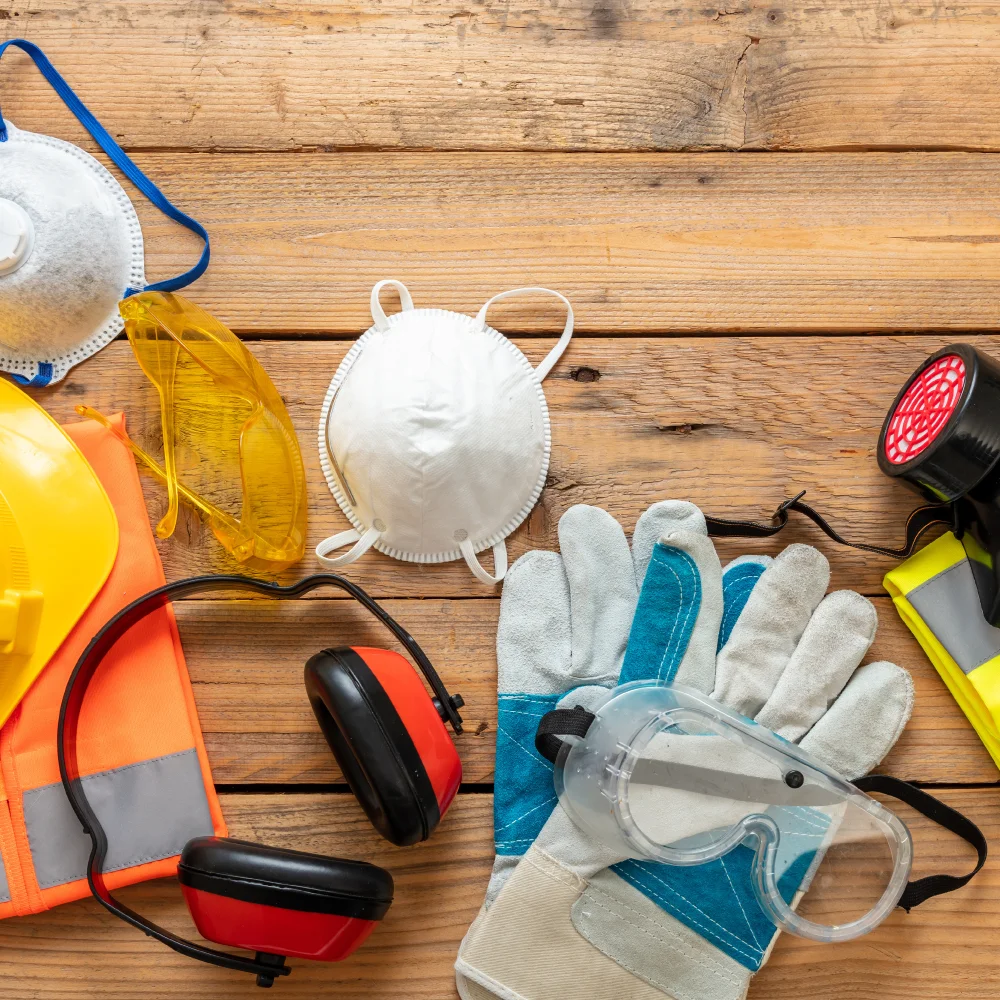
- Selection and use of required personal protective equipment.
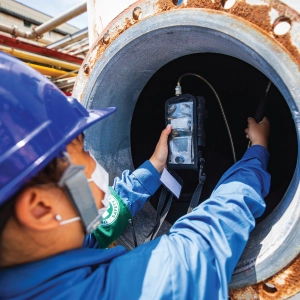
- Techniques for leak detection and safe correction procedures.
- Handling of unknown, damaged, or abandoned cylinders.
- Use of a final safety compressed gas safety checklist.
Final Examination
Frequently Asked Questions
Compression gas cylinders are strong, sealed containers specifically built to store gases under high pressure. These cylinders are manufactured in such a way that they can withstand internal pressure and are able to safely contain gases, which may be compressed, liquefied, or dissolved.
This Compressed Gas Safety Program Training is important as it:
- Assists in safe handling, using, and working around compressed gas cylinders.
- Protects against the dangers that might arise from leaks, fire, explosion, asphyxiation, and mechanical failure of cylinders.
- Develops skills necessary to conduct a proper pre-use check and identify cylinders that are damaged, leaking, or installed improperly.
- Instructs on how to operate, store, and transport cylinders to avoid tipping, valve damage, and unplanned gas releases.
- Helps users comply with OSHA regulations and safe practices when working with compressed gas cylinders.
This course meets and exceeds the compliance requirements outlined in OSHA Standards 29 CFR 1910.101, 29 CFR 1910.102, 29 CFR 1910.103, 29 CFR 1910.104, 29 CFR 1910.105, 29 CFR 1910.253, and 29 CFR 1926.350.
This Compressed Gas Cylinder Safety Training also covers NFPA 51, NFPA 55, and NFPA 99. Similarly, it also covers Department of Transportation (DOT) 49 CFR 171, 49 CFR 172, 49 CFR 173 Subpart G, 49 CFR 178 Subpart C, and 49 CFR 180 Subpart C.
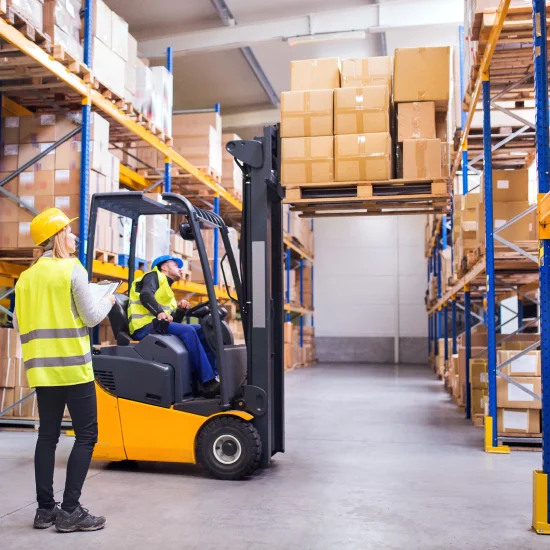
- Warehouse, maintenance, laboratory, and production personnel handling compressed gas cylinders.
- Safety personnel charged with ensuring OSHA-compliant handling, storage, and use of cylinders.
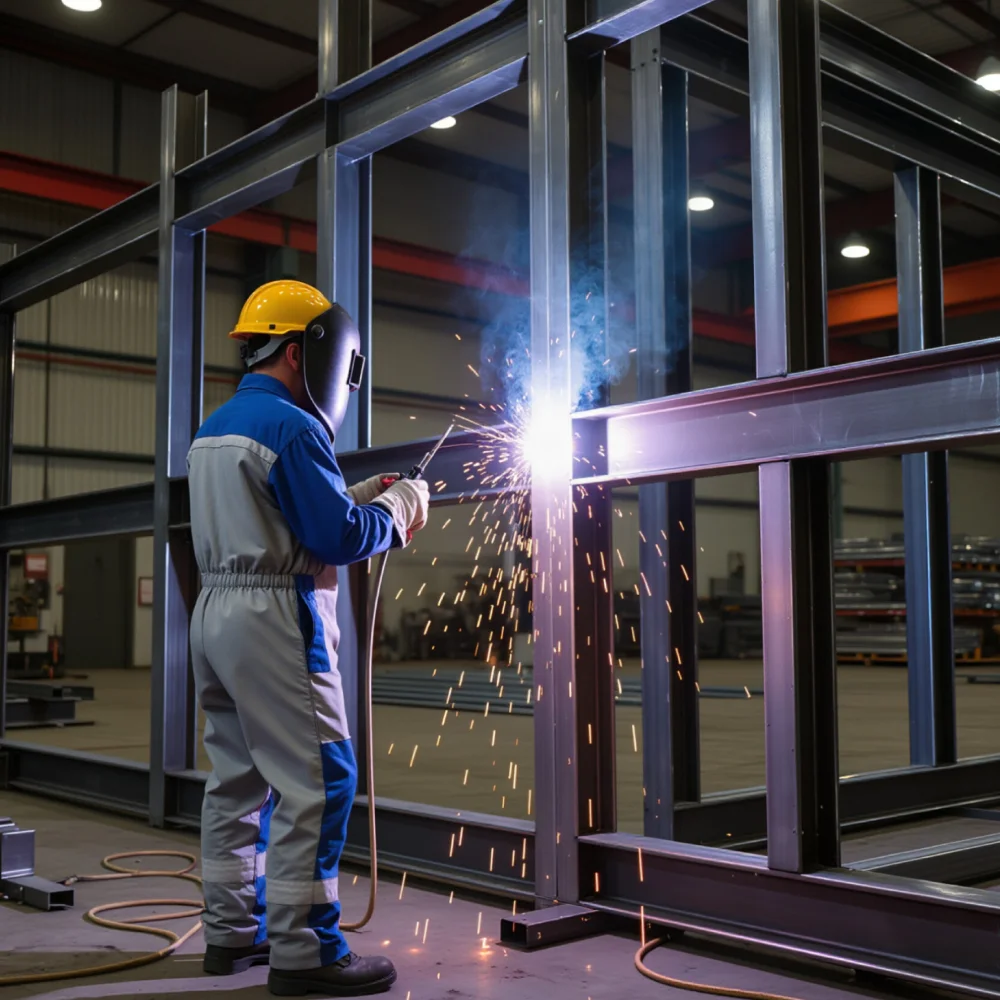
- Personnel involved in using compressed gas cylinders for purposes such as welding, cutting, heating, or other construction-related purposes.
- Facility managers and operations teams responsible for ensuring safe cylinder storage, segregation, and workplace risk prevention.
- Anyone who is involved in inspections, installation, or operational monitoring of compressed gas cylinders.
- This training aligns with the applicable OSHA requirements of compressed gas cylinders outlined in 29 CFR 1910.101 and 29 CFR 1926.350.
- The course is developed by experienced safety professionals with extensive knowledge of the hazards of compressed gas, cylinder handling and storage, inspection, and safe work practices.
- Learners receive a Certificate of Completion confirming successful training in OSHA Compressed Gas Cylinders Safety.
- Online, in-person, and virtual training options are available to enable employers to choose which format best fits workforce needs and schedules.
There are no prerequisites for this course.
Employees who handle or work with compressed gas cylinders should receive refresher training every three years to maintain safe work practices. Refresher training is recommended when:
- Unsafe handling or storage practices are observed;
- An incident, leak, near-miss, or cylinder-related event occurs; or
- New hazards, gases, equipment, or procedures are introduced into the workplace.
Certificate of Completion: Immediately after passing the final exam, you can download, save, or print your certificate in PDF format.
Validity: The compressed gas cylinder course certificate remains valid for three years.
Renewal: Simply take this course in 36 months to maintain compliance and stay up-to-date on compressed gas cylinders best practices.
Choose Your Ideal Training Format:



Scorm Package


Virtual Instructor-Led
$199.00/Person (minimum 10)

In-Person Group
$750.00/Person (minimum 10)
Clear, practical, and well-structured course. It explained the types of compressed gas cylinders, applicable OSHA standards, and classifications of gases in a straightforward manner that can be applied on the job site.
Very detailed and accurate inspection guidance. I found the pre-use inspection steps for valves, caps, and pressure gauges especially useful. Also, the explanation of abnormal pressure conditions improved my installation work.
Strong focus on storage and transportation safety. Instructors provided clear and logical explanations of how to segregate incompatible gases and how to label cylinders correctly. Our facility's unsafe storage habits were fixed through this training.
Simple, logical, and easy to follow. The part that covers PPE, leak detection, and how to deal with abandoned cylinders is very useful. The final safety checklist is something we will use daily.



The ROI of Online Safety Training
Discover the value of our efficient alternative to live training, and calculate your return on investment.
ROI Calculator
Recommended Courses