 EN
EN ES
ES












































































































OSHA Focus Four Struck-By Hazards Prevention for Construction Training
- In accordance with Federal OSHA Regulations 29 CFR Part 1926.501, 29 CFR 1926.302, 29 CFR 1926.550, 29 CFR 1926.1400, and 29 CFR 1926.601
- Incorporates best practices from 29 CFR 1926 Subpart G and 29 CFR 1926 Subpart O
- Available in:
 English |
  Español
 - Learn at your own pace and on your own schedule
- Receive your certificate instantly upon completion
- Select from SCORM-compliant, online streaming, virtual instructor-led, or in-person learning formats
0.1
Bulk Buying
| Employee | Per Seat |
|---|---|
| 2-10 | $39.59 |
| 11-20 | $39.19 |
| 21-50 | $38.79 |
| 51-100 | $37.99 |
| 101-250 | $37.19 |
| 251-500 | $36.79 |
| 501-1000 | $35.99 |
Course Facts


Training Duration

Learning Type

Course Access Validity

Device Support


Certificate Validity
OSHA Focus Four Struck-By Hazards Prevention for Construction Training Course Syllabus
This OSHA Focus Four Struck-By Hazards Prevention for Construction Training consists of 2 lessons. Students must complete each lesson in the order listed below.
Introduction
Lesson 1: Introduction to Struck-By Hazards
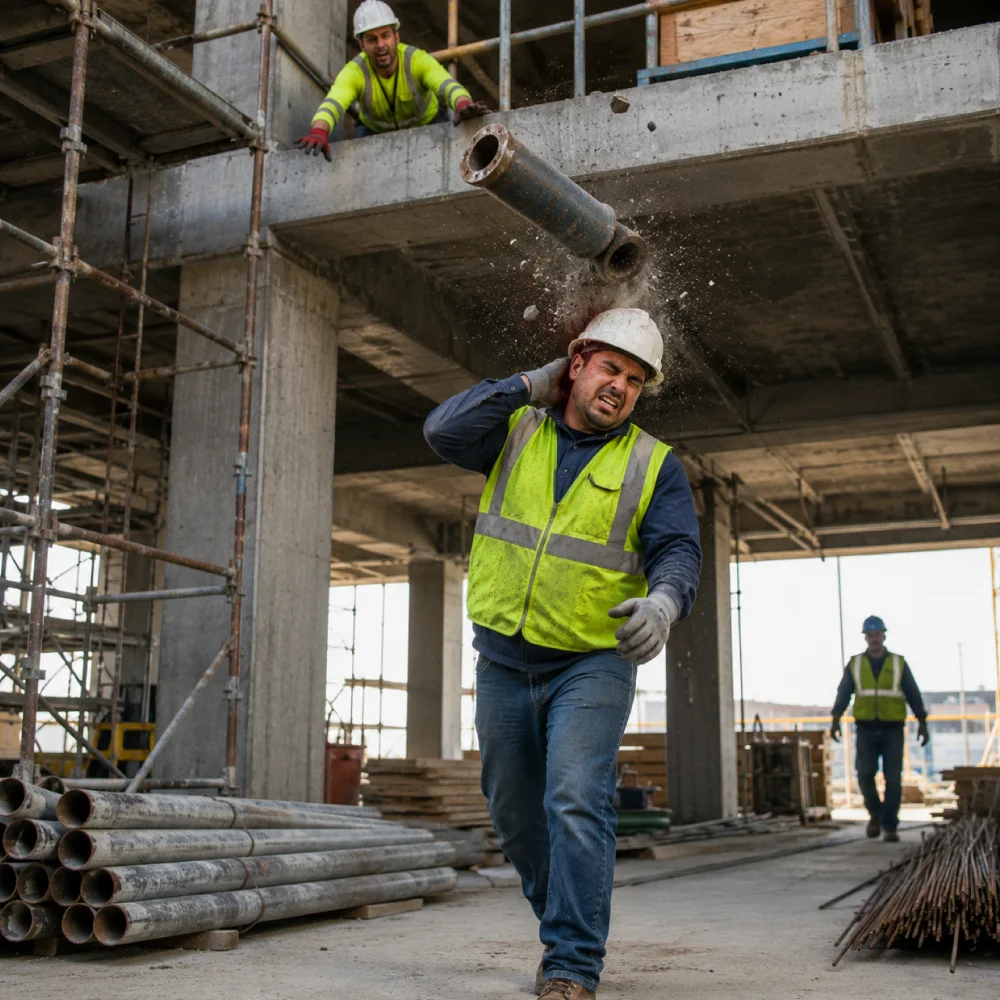
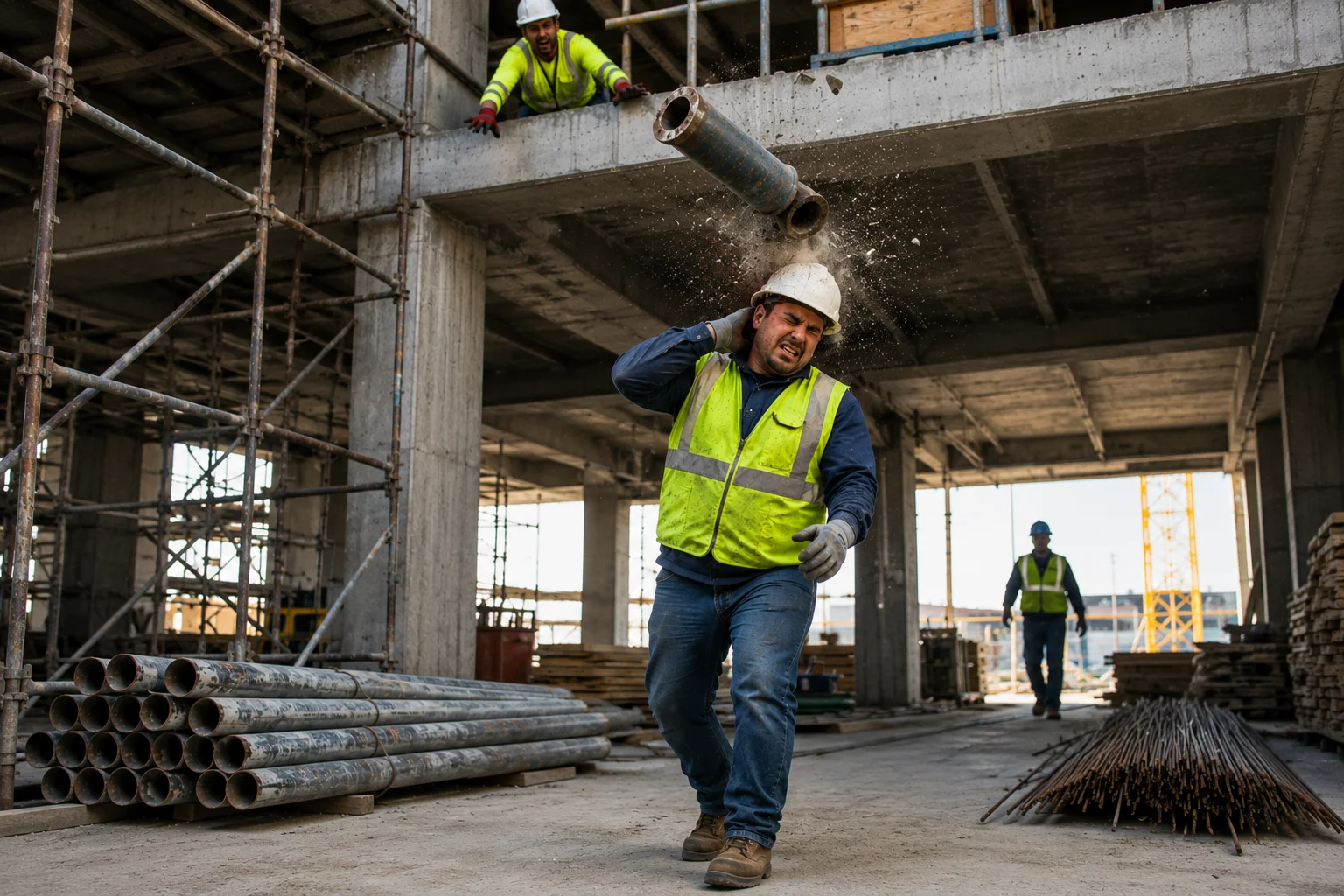
This lesson looks at struck-by hazards, one of OSHA's "Focus Four" causes of construction fatalities. Learners will identify the four types of struck-by incidents, including flying, falling, swinging, and rolling objects, and see how they differ from related hazards like caught-in/caught-between injuries. Real-world OSHA incident reports illustrate how these hazards play out on active job sites.
Lesson 2: Struck-By Hazards - Protection and Prevention
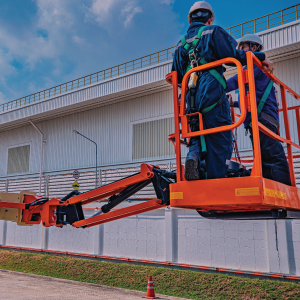
This lesson covers the practical safeguards that prevent struck-by injuries, namely personal protective equipment, safe practices around heavy equipment and cranes, and motor vehicle safety in and around work zones. Learners will also review employer and worker responsibilities and the OSHA standards that govern struck-by hazard prevention.
Final Examination
Frequently Asked Questions
This course introduces workers and supervisors to the regulatory framework that supports struck-by hazard prevention under 29 CFR Part 1926, including OSHA construction standards in 29 CFR 1926 Subpart G (signs, signals, and barricades) and 29 CFR 1926 Subpart O (motor vehicles, mechanized equipment, and marine operations).
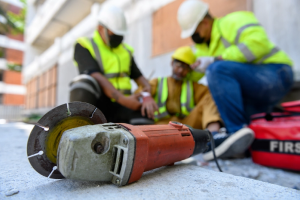
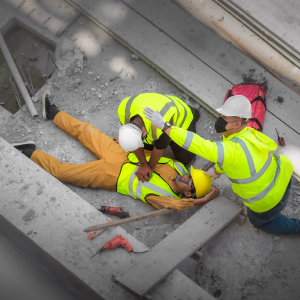
Any incident in which a worker is hit by a moving object, tool, vehicle, machine, or other equipment is classified as a struck-by injury. The majority of struck-by injuries involve traffic or moving vehicles. This category includes impacts with everything from falling bricks and rocks kicked up by landscaping equipment to runaway vehicles or loads swinging from a crane.
- Struck-by hazards are the second-leading cause of construction deaths, after falls.
- Real OSHA investigations show workers were struck doing routine tasks such as inspecting a crane, walking near an excavator, flagging traffic.
- Struck-by claims cost the industry over $1.4 billion a year in workers' compensation.
- Vehicle-related struck-by claims average over $91,000 each, one of the most expensive injury categories.
- "Be careful around equipment" isn't training; workers need to know the 4 hazard types, the OSHA standards behind them, and the specific practice that prevents each one
- Every hazard type is taught through an actual OSHA fatality investigation, not hypothetical.
- Two focused lessons: Lesson 1 covers the four hazard types and how OSHA defines them, and Lesson 2 covers the specific prevention practices (PPE, crane swing radius, motor vehicle safety) tied to OSHA standards 1926 Subpart G and Subpart O.
- Scenario-based final exam tests judgment in real incident situations, not just definitions.
- Tied to your bottom line by reducing both injury risk and workers' comp exposure.
This training is designed for construction workers and other personnel who may be exposed to struck-by hazards on construction sites. It can be particularly useful for workers who operate or work around construction vehicles, mobile equipment, cranes, tools, materials, and other equipment or activities that may create struck-by hazards.
It may also benefit supervisors, foremen, and other personnel responsible for identifying and controlling construction-site hazards.
There are no prerequisites for this course.
Yes. This course is based on the federal regulations found in 29 CFR 1926 — OSHA’s construction standard. These laws apply nationwide and form the federal minimum for workplace safety. Your state, local government, or employer may require additional safety training for struck-by hazards. Contact your employer for more information about your job requirements.
The course provides a certificate of completion and covers the specific OSHA standards (29 CFR 1926 Subpart G and Subpart O) relevant to struck-by hazards, useful documentation if your safety program is reviewed after an incident or claim.
Training alone doesn't guarantee a rate reduction, but documented safety training is a factor insurers consider in experience modification ratings, and preventing even one serious claim can offset years of premium increases.
Certificate of Completion: Immediately after passing the final exam, you can download, save, or print your certificate in PDF format.
Validity: The course certificate is valid for one year.
Renewal: Simply take this course within 12 months to maintain compliance and stay current on struck-by best practices at construction sites.
Choose Your Ideal Training Format:



Scorm Package
$39.99/Seat


Virtual Instructor-Led
$199.00/Seat (minimum 10 seats)

In-Person Group
$750.00/Seat (minimum 10 seats)



The ROI of Online Safety Training
Discover the value of our efficient alternative to live training and calculate your return on investment.
ROI Calculator
Recommended Courses