 EN
EN ES
ES




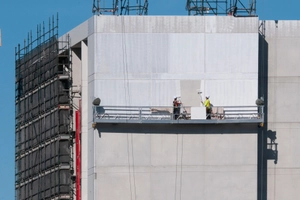




































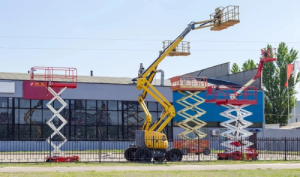


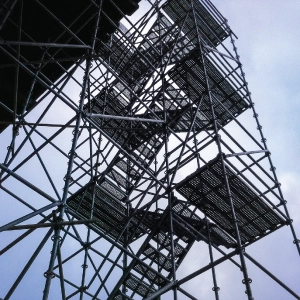


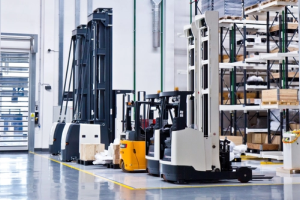
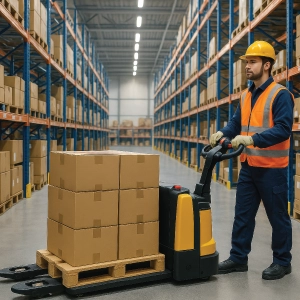
















































OSHA Aerial - Scissor and Boom Lift Safety Training
- In accordance with Federal OSHA Regulations 29 CFR 1910.67, 29 CFR 1926.451, and 29 CFR 1926.453
- Available in:
 English |
  Español
 - Access your learning from any place, at any time, on any device
- Seamless, self-directed mobile training experience
- Get your official certificate as soon as you’re done
- Delivered through SCORM packages, online platforms, virtual classrooms, or in-person events
0.2
Bulk Buying
| Employee | Per Seat |
|---|---|
| 2-10 | $49.49 |
| 11-20 | $48.99 |
| 21-50 | $48.49 |
| 51-100 | $47.49 |
| 101-250 | $46.49 |
Course Facts


Training Duration

Learning Type

Course Access Validity

Device Support


Certificate Validity
OSHA Aerial - Scissor and Boom Lift Safety Training Course Syllabus
This OSHA Aerial - Scissor and Boom Lift Safety Training course consists of 4 lessons. Students are required to take each lesson in sequential order as listed below.
Introduction
Lesson 1: Mobile Elevated Work Platforms Overview
- Evaluate the suitability of Mobile Elevated Work Platforms (MEWPs), including aerial lifts and scissor lifts, for tasks performed at height.
- Examine when elevated work platforms are appropriate and when safer ground-level alternatives exist.
- Identify the key characteristics and components of common MEWP equipment.
- Differentiate between major MEWP types used in construction and general industry.
- Recognize common hazards associated with lift operation, including falls, tip-overs, and struck-by risks.
- Apply essential safety principles required for safe aerial lift and scissor lift operation.
- Interpret critical provisions outlined in applicable OSHA standards for elevated work platforms.
Lesson 2: Safety Procedures Before Use
- Identify essential safety procedures required before operating aerial and scissor lifts.
- Explain how proper pre-use protocols prevent accidents and protect worker well-being.
- Select appropriate Mobile Elevated Work Platforms (MEWPs) based on task and site conditions.
- Perform pre-operation inspections in accordance with manufacturer guidelines and OSHA requirements.
- Verify operator training and scissor lift certification before equipment use.
- Conduct thorough job hazard analyses and site-specific risk assessments.
- Always follow manufacturer instructions and safe operating procedures.
- Describe the importance of each pre-use safety measure in reducing falls, tip-overs, and equipment failures.
Lesson 3: Safety Precautions During Use
- Apply essential skills required for safe and efficient aerial and scissor lift operation.
- Implement hazard prevention measures before and during elevated work tasks.
- Determine when fall protection systems are required for aerial or scissor lift use.
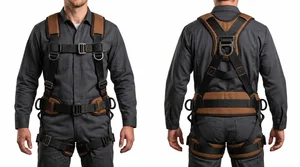
- Use proper tie-off procedures and guardrail systems to reduce fall risks.
- Prevent tip-over incidents by maintaining stability, proper positioning, and load limits.
- Control catapult hazards by avoiding sudden movements and unstable surfaces.
- Minimize electrocution risks by maintaining safe distances from energized power lines.
- Reduce struck-by and contact injuries through situational awareness and safe work practices.
Lesson 4: Safety Procedures After Use
- Implement proper post-use safety procedures after operating aerial and scissor lifts.
- Secure the lift to prevent accidental movement, equipment damage, and workplace hazards.
- Shut down and park equipment according to manufacturer guidelines and site requirements.
- Inspect the lift for visible damage or maintenance concerns before storage.
- Remove keys and isolate power sources to prevent unauthorized use.
- Store equipment in designated areas to protect operators and nearby personnel.
- Follow manufacturer instructions specific to each aerial or scissor lift model.
- Maintain compliance with OSHA safety expectations through consistent post-operation practices.
Final Examination
Frequently Asked Questions
The course meets and exceeds the compliance requirements of OSHA’s General Industry Standard 29 CFR 1910.67 and OSHA’s Construction Industry Standards 29 CFR 1926.451 and 29 CFR 1926.453.
The OSHA Aerial – Scissor and Boom Lift Safety Training course is important because it helps employers and workers comply with OSHA 29 CFR 1910.67, OSHA 29 CFR 1926.451, and OSHA 29 CFR 1926.453 requirements. Compliance reduces regulatory risks and supports a safer work environment.
This aerial lift training provides critical knowledge on safe equipment operation, fall protection, hazard recognition, and emergency response procedures. Proper scissor lift training significantly lowers the risk of falls, tip-overs, electrocution, and struck-by incidents.
The course also strengthens operator competency and reinforces OSHA scissor lift requirements for elevated work platforms. Well-trained operators help prevent costly accidents, equipment damage, and project delays.
Ultimately, this training promotes a strong safety culture while protecting workers, employers, and overall workplace productivity.
- Fully aligned with OSHA scissor lift certification requirements and federal safety standards, ensuring your team meets all regulatory obligations for aerial and scissor lift operation.
- 100% online, self-paced format allows participants to complete aerial lift training on their own schedule without disrupting work, ideal for both small crews and large organizations.
- Comprehensive curriculum covering equipment inspection, fall protection, stability, and emergency procedures, equipping operators to identify hazards and prevent accidents on elevated platforms.
- Supports employer compliance with OSHA aerial lift certification and scissor lift training requirements, helping reduce liability while fostering a safe work environment.
- Immediate certificate of completion issued upon passing the course, providing verifiable proof of training for OSHA audits, safety records, and company documentation.
- Designed to improve operator competency and reinforce a safety-first culture, ensuring personnel not only operate lifts safely but also understand risk prevention, emergency response, and site-specific safety considerations.
This course is ideal for anyone involved in operating, supervising, or working around aerial and scissor lifts. Key groups include:
- Construction workers performing tasks at elevated heights using scissor or boom lifts.
- Maintenance and facility personnel who use aerial lifts for inspections, repairs, or installations.
- Warehouse and industrial workers performing overhead or elevated tasks.
- Electrical, HVAC, and mechanical contractors working on elevated platforms.
- Supervisors and safety managers responsible for OSHA compliance and lift operations.
- Employers seeking to ensure staff meet OSHA aerial lift certification and scissor lift certification requirements.
This training ensures all participants gain practical skills, hazard awareness, and compliance knowledge for safe lift operation.
There are no prerequisites for this course.
It is recommended that employers provide employees with refresher training once every three years.
Certificate of Completion: Immediately after passing the final exam, you can download, save, or print your certificate in PDF format.
Validity: The course certificate is valid for three years.
Renewal: Simply take this course in 36 months to maintain compliance and stay current on regulations for lift safety practices at construction sites.
Choose Your Ideal Training Format:



SCORM Package


Virtual Instructor-Led
$199.00/Person (minimum 10)

Client-Site In-Person
$750.00/Person (minimum 10)



The ROI of Online Safety Training
Discover the value of our efficient alternative to live training, and calculate your return on investment.
Recommended Courses