
 EN
EN ES
ES


























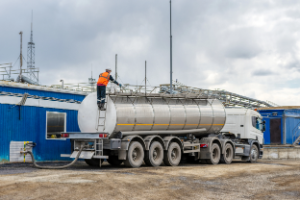






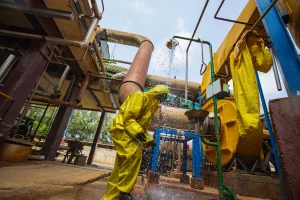




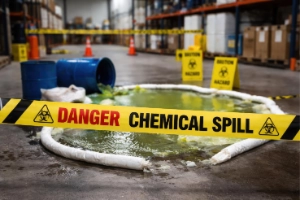











































































OSHA 24-Hour HAZWOPER - RCRA TSD Operations Training
- In accordance with Federal OSHA Regulations 29 CFR 1910.120(p) and 29 CFR 1926.65(p)
- Available in:
 English |
  Español
 - Access your learning from any place, at any time, on any device
- Convenient, on-the-go course designed for mobile users
- Instantly download your certificate upon completion
- Delivered through SCORM packages, online platforms, virtual classrooms, or in-person events
2.4
Bulk Buying
| Employee | Per Seat |
|---|---|
| 2-10 | $227.69 |
| 11-20 | $225.39 |
| 21-50 | $223.09 |
| 51-100 | $218.49 |
| 101-250 | $213.89 |
| 251-500 | $211.59 |
| 501-1000 | $206.99 |
Course Facts


Training Duration

Learning Type

Course Access Validity

Device Support


Certificate Validity
OSHA 24 Hour HAZWOPER – RCRA TSD Operations Training Course Syllabus
This HAZWOPER - RCRA TSD Operations Training consists of 64 lessons divided into 11 modules. Students are required to take each lesson in sequential order as listed below.
Introduction
Module 1: Regulatory Overview
This module introduces key federal laws governing hazardous waste operations. It explains how to navigate the Code of Federal Regulations (CFR). Learners review OSHA and HAZWOPER standards for TSDF operations. The module also covers hazard communication and safety program requirements for compliance.
- Lesson 1: Laws and Regulations
- Lesson 2: OSHA and the HAZWOPER Standard
- Lesson 3: Hazard Communication
- Lesson 4: Safety and Health Program
Module 2: Medical Surveillance and Toxicology
This module explains medical surveillance requirements for hazardous waste workers. Learners understand how to monitor worker health in TSDF environments. It introduces toxicology principles and chemical exposure impacts. The content supports safe decision-making in hazardous waste operations.
- Lesson 5: Medical Surveillance Program
- Lesson 6: Introduction to Toxicology
- Lesson 7: Chemicals and Target Organ Toxicity
- Lesson 8: Factors Influencing Toxicology
Module 3: Hazard Classification
This module identifies common hazards at hazardous waste worksites. Learners perform job hazard analysis to assess risks. It covers chemical, physical, biological, and environmental hazards. The module strengthens hazard recognition skills for safe operations and compliance.
- Lesson 9: Job Hazard Analysis
- Lesson 10: Physical and Chemical Properties
- Lesson 11: Fire and Oxygen Deficiency
- Lesson 12: Physical, Biological, and Environmental Hazards
- Lesson 13: Bloodborne Pathogens
- Lesson 14: Corrosives
- Lesson 15: Solvents and Oxidizers
- Lesson 16: Reactive Materials and Explosives
- Lesson 17: Radiological Hazards
Module 4: Respiratory Protection
This module explains respiratory hazards and protection methods. Learners identify respirator types and selection criteria. It covers fit testing, proper use, and maintenance requirements. The module supports OSHA compliance for airborne hazard control.
- Lesson 18: Introduction to Respiratory Protection
- Lesson 19: Types of Respirators
- Lesson 20: Respirator Selection Factors
- Lesson 21: Respirator Fit Testing
- Lesson 22: Training and Maintenance
Module 5: Personal Protective Equipment
This module provides guidance on proper PPE selection and use. Learners understand protection for different body areas. It explains chemical protective clothing and associated risks. The module also covers PPE inspection, maintenance, and safe donning procedures..
- Lesson 23: Introduction to PPE
- Lesson 24: Chemical Protective Clothing
- Lesson 25: PPE for the Head, Eyes, Face, and Ears
- Lesson 26: PPE for the Hands and Feet
- Lesson 27: Selection of Chemical Protective Clothing
- Lesson 28: Monitoring and Medical Concerns of PPE
- Lesson 29: Donning and Doffing PPE
- Lesson 30: Inspection and Maintenance of PPE
Module 6: HAZWOPER Site Operations
This module explains site characterization and hazard identification processes. Learners develop site control strategies for hazardous waste operations. It covers air monitoring and direct-reading instruments. The module builds practical skills for managing site risks.
- Lesson 31: Site Characterization
- Lesson 32: Site Control Strategy
- Lesson 33: Introduction to Air Monitoring
- Lesson 34: Direct Reading Instruments
- Lesson 35: Toxic Atmosphere Monitoring
- Lesson 36: Personal Sampling
Module 7: Material Sampling and Analysis
This module focuses on safe material sampling procedures. Learners understand field sampling plans and sampling methods. It covers drum handling, opening, and transportation requirements. The module reinforces safe handling and regulatory compliance practices.
- Lesson 37: Field Sampling Plan
- Lesson 38: Types of Material Sampling
- Lesson 39: Handling Drums
- Lesson 40: Opening Various Types of Drums
- Lesson 41: Drum Sampling and Characterization
- Lesson 42: Drum Transportation
Module 8: Confined Spaces and Excavations
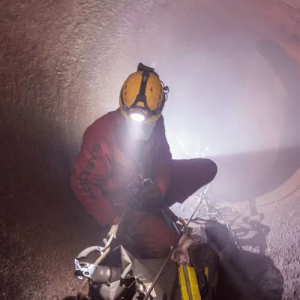
This module outlines hazards in confined spaces and excavation sites. Learners understand permit-required confined space criteria. It explains roles, entry procedures, and air testing requirements. The module also covers soil classification and protective systems for excavation safety.
- Lesson 43: Introduction to Confined Spaces
- Lesson 44: Confined Space Entry Plan
- Lesson 45: Entering a Confined Space
- Lesson 46: Confined Space hazards
- Lesson 47: Confined Space Rescue and Emergencies
- Lesson 48: Introduction to Excavations
- Lesson 49: Soil Classification and Protective Systems
Module 9: Decontamination and Site Emergencies
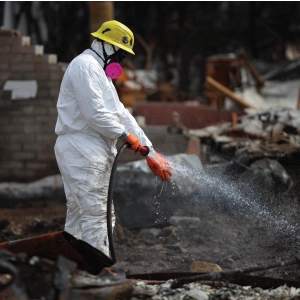
This module explains decontamination procedures and emergency response planning. Learners understand personnel and equipment decontamination methods. It covers emergency scenarios and required documentation. The module supports compliance with OSHA emergency response requirements.
- Lesson 50: Introduction to Decontamination
- Lesson 51: Decontamination Facility Design
- Lesson 52: Decontamination Methods
- Lesson 53: Emergency Decontamination
- Lesson 54: Introduction to Site Emergencies
- Lesson 55: Site Emergencies Documentation
Module 10: EPA Cradle-to-Grave Program
This module explains hazardous waste management requirements under EPA regulations. Learners understand the cradle-to-grave system under RCRA. It covers waste identification, generator categories, and storage rules. The module also reviews transportation and TSDF responsibilities.
- Lesson 56: Resource Conservation and Recovery Act
- Lesson 57: Hazardous Waste – An Overview
- Lesson 58: Hazardous Waste Generators
- Lesson 59: Hazardous Waste Storage
- Lesson 60: Hazardous Waste Transportation
Module 11: Regulations for Specific Wastes
This module covers requirements for managing specific hazardous waste categories. Learners understand emergency planning and spill response procedures. It explains EPCRA, CERCLA, and Land Disposal Restrictions. The module also addresses universal waste and incompatible material risks.
- Lesson 61: Managing Spills and Emergencies
- Lesson 62: Regulations for Specific Wastes
- Lesson 63: LDR, Recycling, and Used Oil
- Lesson 64: Universal Waste
Final Examination
Frequently Asked Questions
Work and operation observed and performed in Treatment, Storage, and Disposal Facilities (TSDF or TSD facilitates).
This includes tasks such as collecting, sorting, treating using different processes such as incineration or oxidation, and disposing of waste in landfills.
The course meets the compliance requirements of OSHA 29 CFR 1910.120(p)(7)(i) for the general industry and 29 CFR 1926.65(p)(7)(i) for the construction industry under the Hazardous Waste Operations and Emergency Response (HAZWOPER) standard.
This OSHA 24-Hour HAZWOPER – RCRA TSD Operations Training course is important as it:
- Ensures compliance with OSHA HAZWOPER standards for hazardous waste operations at TSDFs.
- Reduces the risk of worker injury, illness, and hazardous material exposure.
- Prepares workers to safely handle, store, and dispose of hazardous waste.
- Supports the development of effective site safety and health programs.
- Enhances hazard recognition, risk assessment, and emergency response skills.
- Helps employers meet regulatory requirements and avoid costly violations.
- Meets OSHA HAZWOPER and RCRA compliance requirements for TSDF operations.
- 100% online RCRA training with flexible, self-paced learning.
- Designed by industry experts with real-world hazardous waste scenarios.
- Covers essential safety, risk control, and regulatory compliance topics.
- Includes certification and supports annual refresher training requirements.
- Newly recruited employees of RCRA permitted hazardous waste treatment, storage, and disposal facilities due to their continued exposure to hazardous materials and other health hazards must receive this training to ensure safety and health in the workplace.
- Current employees of RCRA permitted hazardous waste treatment, storage, and disposal facilities who do not meet the training requirements as specified by OSHA.
There are no prerequisites for this course.
To receive a plastic wallet ID card, upload a passport-style and size photograph to your HAZWOPER OSHA Training account.
You will receive the plastic wallet card will via U.S. mail within 2-3 weeks of course completion.
Yes, a refresher course is required. The OSHA 8-Hour HAZWOPER Annual Refresher - RCRA TSD Operations Training course must be taken annually thereafter.
Certificate of Completion: Immediately after passing the final exam, you can download, save, or print your certificate in PDF format.
Validity: The course certificate is valid for one year.
Renewal: Simply take the OSHA 8-Hour HAZWOPER Annual Refresher - RCRA TSD Operations Training to renew your certification and stay fully compliant with OSHA regulations.
Choose Your Ideal Training Format:



SCORM Package


Virtual Instructor-Led
$399.00/Person (minimum 10)

Client-Site In-Person
$1,095.00/Person (minimum 10)



The ROI of Online Safety Training
Discover the value of our efficient alternative to live training, and calculate your return on investment.

Recommended Courses