 EN
EN ES
ES





































































































Cal/OSHA 24-Hour HAZWOPER Training
- In accordance with Cal/OSHA HAZWOPER Regulations in Title 8, Section 5192 Paragraphs (a) to (q), and Federal OSHA Regulations 29 CFR 1910.120(e) and 29 CFR 1926.65(e)
- Available in:
 English |
  Español
 - Learn at your own pace and on your own schedule
- Receive your certificate instantly upon completion
- Select from SCORM-compliant, online streaming, virtual instructor-led, or in-person learning formats
2.4
Bulk Buying
| Employee | Per Seat |
|---|---|
| 2-10 | $188.09 |
| 11-20 | $186.19 |
| 21-50 | $184.29 |
| 51-100 | $180.49 |
| 101-250 | $176.69 |
Course Facts


Training Duration

Learning Type

Course Access Validity

Device Support


Certificate Validity
Cal/OSHA 24-Hour HAZWOPER Training Course Syllabus
This Cal/OSHA 24-Hour HAZWOPER Training Course Syllabus consists of 66 lessons divided into 16 modules. Students are required to take each lesson in sequential order as listed below.
Introduction
Module 1: Regulatory Overview
Covers OSHA, Cal/OSHA, and HAZWOPER standards for the general industry (29 CFR 1910.120) and the construction industry (29 CFR 1926.65), and relevant NFPA and DOT information.
- Lesson 1: OSHA and the HAZWOPER Standard
- Lesson 2: Hazard Communication
Module 2: Planning and Organization
The organizational structure of a hazardous waste site is important because it determines how tasks are assigned and how communication flows. The site safety and health plan is important because it outlines the procedures that will be used to protect workers from hazards. The organizational structure of a hazardous waste site will vary depending on the size and complexity of the site. However, there are some common elements that are found in all organizational structures.
- Lesson 3: Organizational Structure
- Lesson 4: Site Safety and Health Plan
Module 3: Site Characterization
HAZWOPER Site Characterization is the process of gathering information about a hazardous waste site to identify and assess the hazards present at the site. This information is used to develop a Site Safety and Health Plan (SSHP) and to implement safe work practices.
- Lesson 5: Off-Site Characterization
- Lesson 6: On-Site Survey and Monitoring
- Lesson 7: Site Control Strategy
- Lesson 8: Site Work Zones
- Lesson 9: Site Security and Communication
Module 4: Medical Surveillance
HAZWOPER Medical Surveillance is a program designed to monitor the health of workers exposed to hazardous waste. The program's goal is to identify any health problems that may be caused by exposure to hazardous waste and to take steps to prevent or treat those problems.
- Lesson 10: Medical Surveillance Program
- Lesson 11: Program Review and Recordkeeping
Module 5: Toxicology
HAZWOPER Toxicology aims to understand the toxicity of hazardous waste materials so that we can better protect human health and the environment. This knowledge can be used to develop safe work practices, prevent exposure to hazardous waste, and treat people exposed to hazardous waste.
- Lesson 12: Introduction to Toxicology
- Lesson 13: Chemicals and Target Organ Toxicity
- Lesson 14: Factors Influencing Toxicology
Module 6: Hazard Classification
HAZWOPER Hazard Classification is a system for classifying hazardous waste materials based on their physical and chemical properties. The system identifies the hazards posed by hazardous waste materials and develops safe work practices to protect workers and the environment.
- Lesson 15: Job Hazard Analysis
- Lesson 16: Physical and Chemical Properties
- Lesson 17: Fire and Oxygen Deficiency
- Lesson 18: Physical Hazards
- Lesson 20: Bloodborne Pathogens
- Lesson 29: Other Hazards
Module 7: Chemical Hazards
Chemical hazards are one of the most common hazards associated with hazardous waste. These hazards can be caused by the properties of the waste itself or by the way the waste is handled.
- Lesson 21: Corrosives
- Lesson 22: Hazardous Mixtures
- Lesson 23: Solvents
- Lesson 24: Oxidizers
- Lesson 25: Reactive Materials
- Lesson 26: Explosives
Module 8: Radiological Hazards
Radiological hazards are one of the most serious hazards associated with hazardous waste. Radioactive materials can cause cancer, birth defects, and other health problems. They can also damage property and the environment. The hazards posed by radioactive waste can vary depending on the specific waste. It is important to be aware of the hazards associated with any radioactive waste that you are working with.
- Lesson 27: Introduction to Radiological Hazards
- Lesson 28: Exposure to Radiation
Module 9: Respiratory Protection
Respiratory protection is one of the most important aspects of HAZWOPER compliance. Respirators can protect workers from exposure to harmful airborne contaminants, such as asbestos, lead, and mercury. There are several different types of respirators available, each with its advantages and disadvantages. The type of respirator best for a particular situation will depend on the specific hazards.
- Lesson 30: Types of Respirators
- Lesson 31: Respirator Selection Factors
- Lesson 32: Respirator Fit Testing
- Lesson 33: Training and Maintenance
- Lesson 39: Introduction to Respiratory Protection
Module 10: Personal Protective Equipment
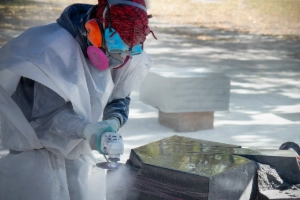
Examines the importance of chemical protective clothing (CPC) and PPE for the eyes, ears, hands, and feet when working in specific HazMat environments.
- Lesson 34: Introduction to PPE
- Lesson 35: Chemical Protective Clothing (CPC)
- Lesson 36: PPE for the Head, Eyes, Face and Ears
- Lesson 37: PPE for the Hands and Feet
- Lesson 38: Monitoring and Medical Concerns of PPE
- Lesson 39: Inspection and Maintenance of PPE
Module 11: Decontamination
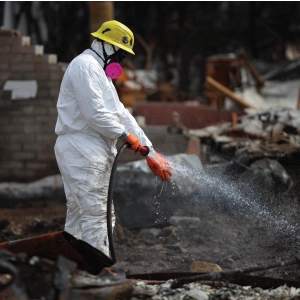
Decontamination is the process of removing or neutralizing contaminants that have accumulated on personnel and equipment. It is a critical part of hazardous waste operations and emergency response. The purpose of decontamination is to protect workers and the environment from the hazards of hazardous waste. Contaminated workers can spread hazardous materials to other areas, and contaminated equipment can release hazardous materials into the environment.
- Lesson 40: Introduction to Decontamination
- Lesson 41: Decontamination Facility Design
- Lesson 42: Decontamination Methods
- Lesson 43: Emergency Decontamination
Module 12: Air Monitoring
Air monitoring is the process of measuring the concentration of hazardous substances in the air. It is an important part of hazardous waste operations and emergency response. The purpose of air monitoring is to identify and quantify airborne hazards so that appropriate protective measures can be implemented. Air monitoring can also be used to assess the effectiveness of remediation efforts.
- Lesson 44: Introduction to Air Monitoring
- Lesson 45: Direct Reading Instruments
- Lesson 46: Toxic Atmosphere Monitoring
- Lesson 47: Laboratory Analysis
- Lesson 48: Personal Sampling
Module 13: Material Sampling and Analysis
Covers various types of sampling plans for use with toxic or hazardous substances on a HazMat worksite.
- Lesson 49: Field Sampling Plan
- Lesson 50: Environmental Sampling
- Lesson 51: Hazardous Material Sampling
- Lesson 52: Introduction to Handling Drums
- Lesson 53: Opening Various Types of Drums
- Lesson 54: Drum Sampling and Characterization
- Lesson 55: Drum Transportation
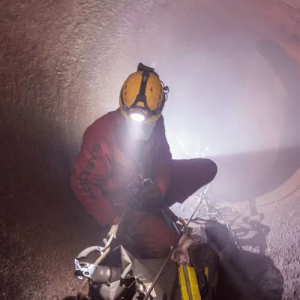
Module 14: Confined Spaces
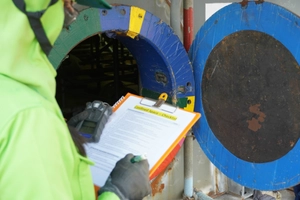
Covers roles, entry procedures, safety protocols, and emergency response for confined spaces on a HazMat work site.
- Lesson 56: Introduction to Confined Spaces
- Lesson 57: Confined Space Roles and Responsibilities
- Lesson 58: Confined Space Pre-Entry Procedures
- Lesson 59: Confined Space Entry Plan
Module 15: Excavations
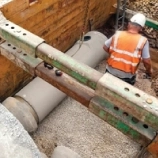
Covers excavations on a hazardous waste site, paying special attention to soil classification and the correct use of protective systems.
- Lesson 60: Introduction to Excavations
- Lesson 61: Soil Classification
- Lesson 62: Protective Systems
Module 16: Emergency Response Procedures
Discusses emergency response measures, first responder considerations, and fire service involvement at a HAZWOPER worksite.
- Lesson 63: Introduction to Site Emergencies
- Lesson 64: Emergency Communication Systems
- Lesson 65: Emergency Evacuation and Response
- Lesson 66: Site Emergencies Documentation
Final Examination
Frequently Asked Questions
This course meets and exceeds the compliance requirements outlined in Cal/OSHA HAZWOPER Regulations in Title 8, Section 5192 Paragraphs (a) to (q), and Federal OSHA Regulations 29 CFR 1910.120(e) and 29 CFR 1926.65(e).
The Cal/OSHA 24-Hour HAZWOPER Training is important because it equips workers with the knowledge and skills required to safely perform hazardous waste operations while meeting California regulatory requirements.
It helps employees recognize and control workplace hazards, select and use appropriate PPE, respond effectively to emergencies, and reduce the risk of injury, exposure, and environmental incidents. In addition, the training supports employer compliance and promotes a stronger safety culture on hazardous work sites.
- Built specifically around Cal/OSHA Title 8, Section 5192 Paragraphs (a) to (q).
- Uses job-site scenarios from construction, environmental cleanup, utilities, and industrial settings.
- Provides detailed guidance on hazard assessment, exposure control, and selecting the correct level of PPE based on site conditions.
- Emphasizes emergency procedures, site control, and worker responsibilities to help reduce incidents.
- Helps employers and employees document compliance while building confidence to work safely around hazardous substances.
- Workers involved in hazardous waste cleanup operations at uncontrolled or contaminated sites.
- Employees working at treatment, storage, and disposal facilities (TSDs) handling hazardous waste.
- Construction personnel performing excavation, demolition, or site work in areas with potential hazardous substance exposure.
- Environmental technicians and field staff conducting sampling, testing, or remediation activities.
- Utility workers exposed to contaminated soil, groundwater, or hazardous materials during maintenance or repair work.
- Supervisors and managers responsible for overseeing hazardous waste operations or affected employees.
There are no prerequisites for this course.
Yes. An annual 8-hour HAZWOPER refresher training is required under CAL/OSHA Title 8 Section 5192 to maintain compliance after completing the 24-hour HAZWOPER training. The refresher ensures workers remain current on safety procedures, hazard recognition, PPE requirements, and emergency response practices.
Certificate of Completion: Immediately after passing the final exam, you can download, save, or print your certificate in PDF format.
Validity: The course certificate is valid for one year.
Renewal: Simply complete the refresher course within 12 months to maintain compliance on hazardous waste disposal.
Choose Your Ideal Training Format:



Scorm Package
$189.99/Person


Virtual Instructor-Led
$399.00/Person

In-Person Group
$1,095.00/Person
Excellent course with practical scenarios that reflect real job conditions. I appreciated how the training emphasized both safety and regulatory responsibility.
Clear, professional, and well-organized. The course content aligned perfectly with California OSHA standards and provided useful guidance for compliance and documentation
It’s a must for anyone responsible for worker safety on hazardous sites!
This course did a great job connecting regulations to real-world scenarios. It was informative without being overwhelming.



The ROI of Online Safety Training
Discover the value of our efficient alternative to live training and calculate your return on investment.
ROI Calculator
Recommended Courses