 EN
 ES









































Cal/OSHA Compressed Gas Cylinder Safety Training
- In accordance with Title 8 California Code of Regulations Section 4650
- Required for industrial, maintenance, manufacturing, welding, and construction workers in California who manage compressed gas cylinders
- Available in:
 English |
 Español
- Learn at your own speed and, upon successful completion, get your certificate right away
- Select from self-paced online courses, live virtual sessions, SCORM-compliant packages, or in-person classroom instructions
0.2
Bulk Buying
| Employee | Per Seat |
|---|---|
| 2-10 | $49.49 |
| 11-20 | $48.99 |
| 21-50 | $48.49 |
| 51-100 | $47.49 |
| 101-250 | $46.49 |
| 251-500 | $45.99 |
| 501-1000 | $44.99 |
Course Facts


Training Duration

Learning Type

Course Access Validity

Device Support


Certificate Validity
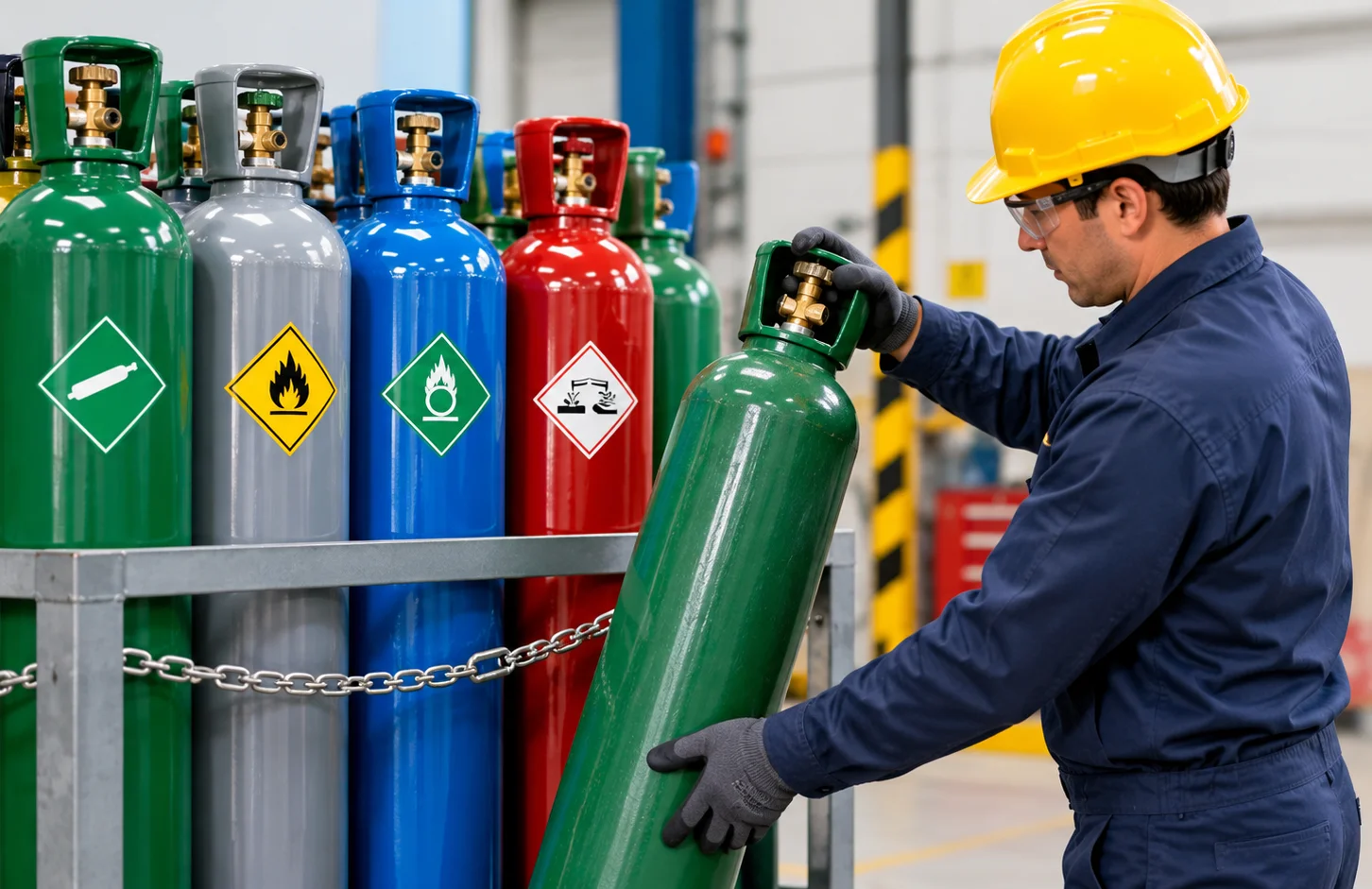
Cal/OSHA Compressed Gas Cylinder Safety Training Course Syllabus
This Cal/OSHA Compressed Gas Cylinder Safety Training consists of 5 lessons . Students are required to take each lesson in sequential order as listed below.
Introduction
Lesson 1: Introduction to Compressed Gas Cylinders
- Compressed Gas Cylinder: Definitions, Components, and Applications in the Workplace.
- Types of gas, classifications, and construction of cylinders.
- Introduction to Sections 4650, 4649, 4657, 3203, and 1740 of the Cal/OSHA regulations.
- Supporting technical, gas-specific, federal, and industry standards.
Lesson 2: Common Hazards
- High-pressure energy release and stored pressure risks that can cause significant injury when cylinder components fail.
- Risks of fire and explosion related to flammable gases, oxidizers, ignition sources, and dangerous chemical reactions.
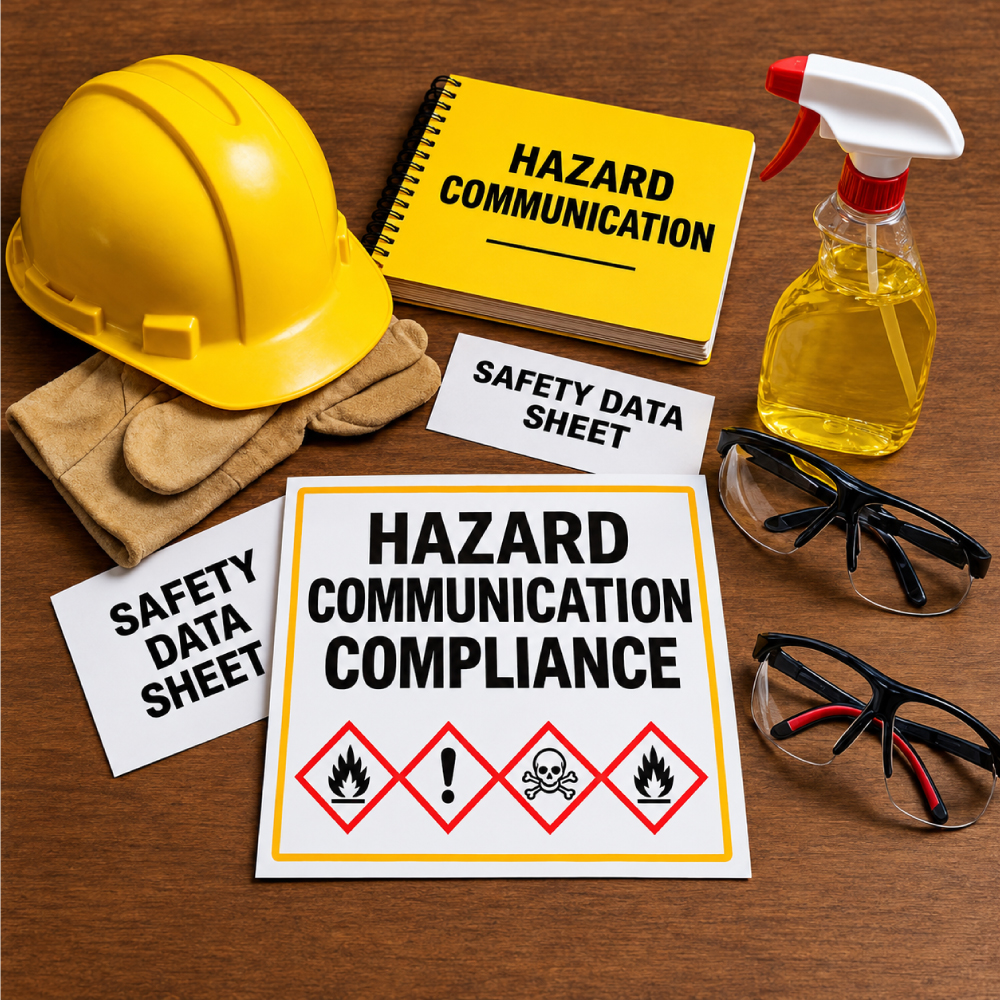
- Requirements for Hazard Communication, such as safety data sheets, container labels, gas hazards, and preventive measures.
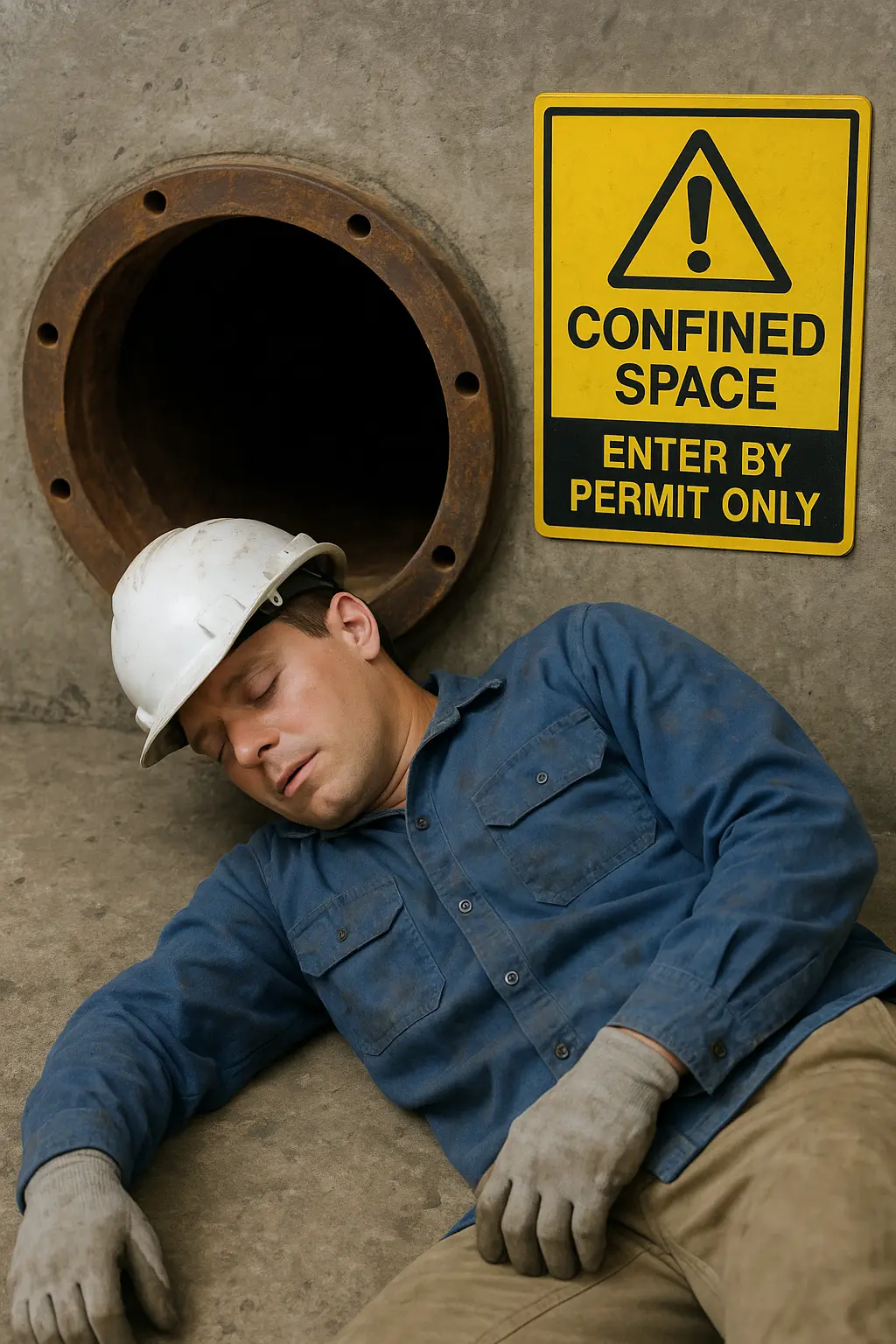
- Risks of asphyxiation and poisoning from oxygen displacement or exposure to hazardous gases, especially in enclosed places.
- Health impacts of exposure to hazardous gases such as lung impairment, chemical burns, irritation, and other significant illnesses.
- Incompatibility risks such as chemical reactions, corrosion, and deterioration of seals, hoses, and fittings.
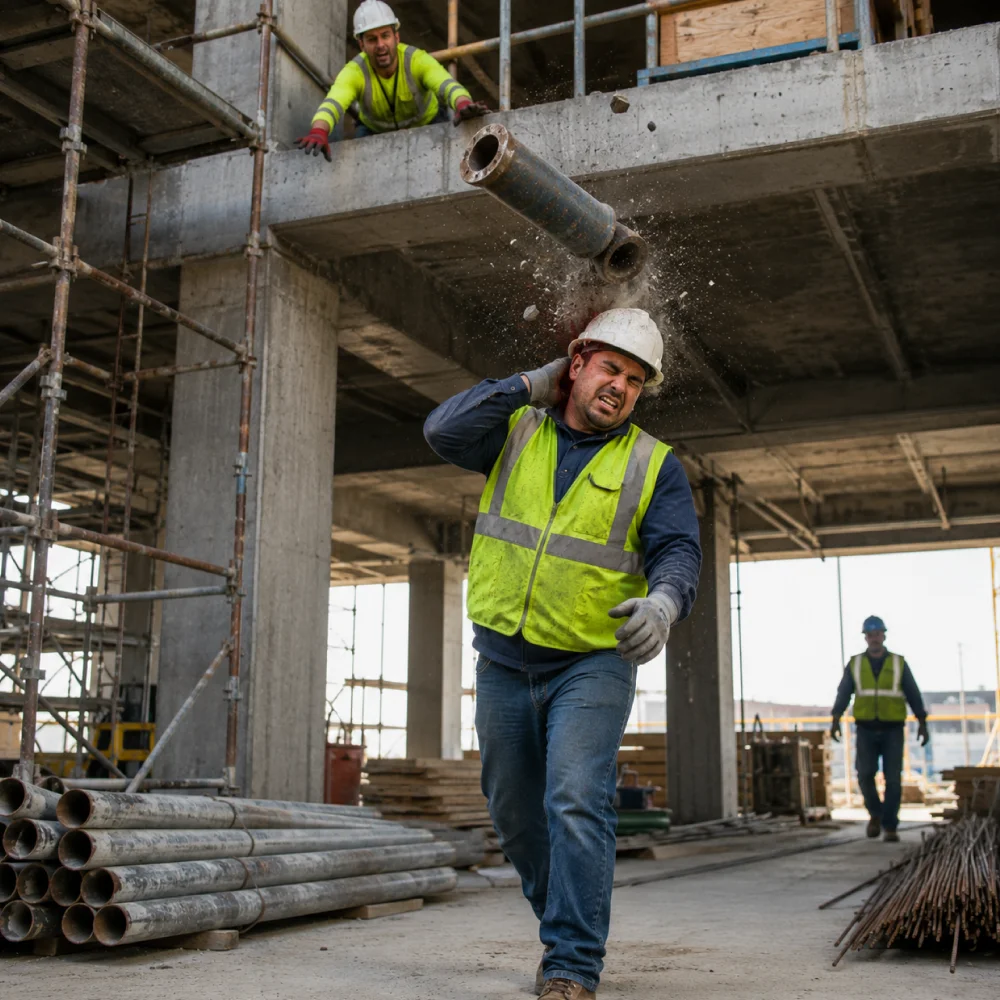
- Dangers of using improper PVC and CPVC pipes in compressed gas systems, including pipe breakage, flying pieces, and pressure-related injuries.
Lesson 3: Inspection and Installation
- Checking cylinder identification, labels, markings, and test dates to confirm cylinders are serviceable.
- Inspect cylinder bodies, valves, safety caps, and pressure relief mechanisms for any visible damage, corrosion, contamination, or defects.
- Check regulator compatibility, fittings, and pressure regulation equipment before cylinder attachment.
- Following safe installation methods, including correct placement, fastening, and connecting the regulator and operating valve.
- Identifying abnormal pressure indicators by readings on gauges, odd noises, ice buildup, and unpredictable equipment behavior.
- How to interpret the required Cal/OSHA requirements for cylinder inspection, allowed connections, valve protection, and safe installation practices.
Lesson 4: Storage and Transportation
- Safe storage conditions including ventilation, protection from heat, acceptable places for storage, and securing cylinders appropriately.
- Requirements for separation of oxygen, fuel gases, and flammable materials, including distances and fire-resistant barriers.
- Special care for storage of corrosive gases, ethylene oxide, acetylene and Type E cylinders.
- Safe methods of handling cylinders, including the use of mechanical aids, protection against impacts, and limitations on the use of valve protection devices for lifting.
- The transportation needs, including removal of the regulator, protection of valve caps, safe cylinder carts, and proper equipment for crane, hoist, or derrick movements.
- Cal/OSHA standards on how to prevent cylinders from tipping, falling, or rolling and to keep liquid fuel-gas cylinders in the proper position while stored or transported.
Lesson 5: Safe Work Practices
- Safety of cylinder valves, regulators, and controls, including valve opening and pressure adjustment.
- Chlorine gas exposure case study reveals maintenance hazards, respirator abuse, and importance of following emergency measures.
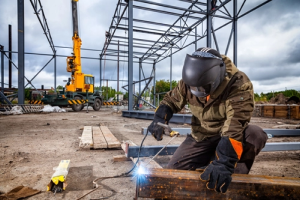
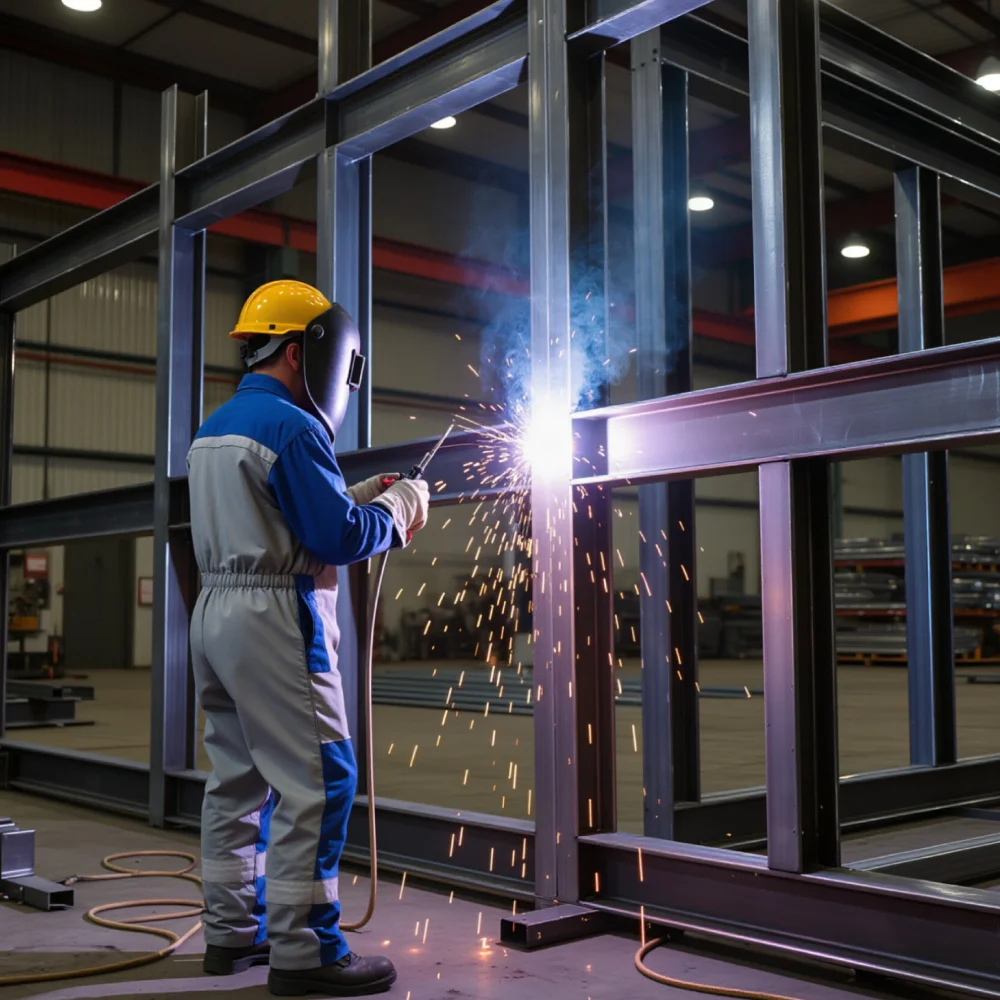
- Gas welding, cutting, fuel-gas valve, flow-check valve, and flashback arrester safety regulations.
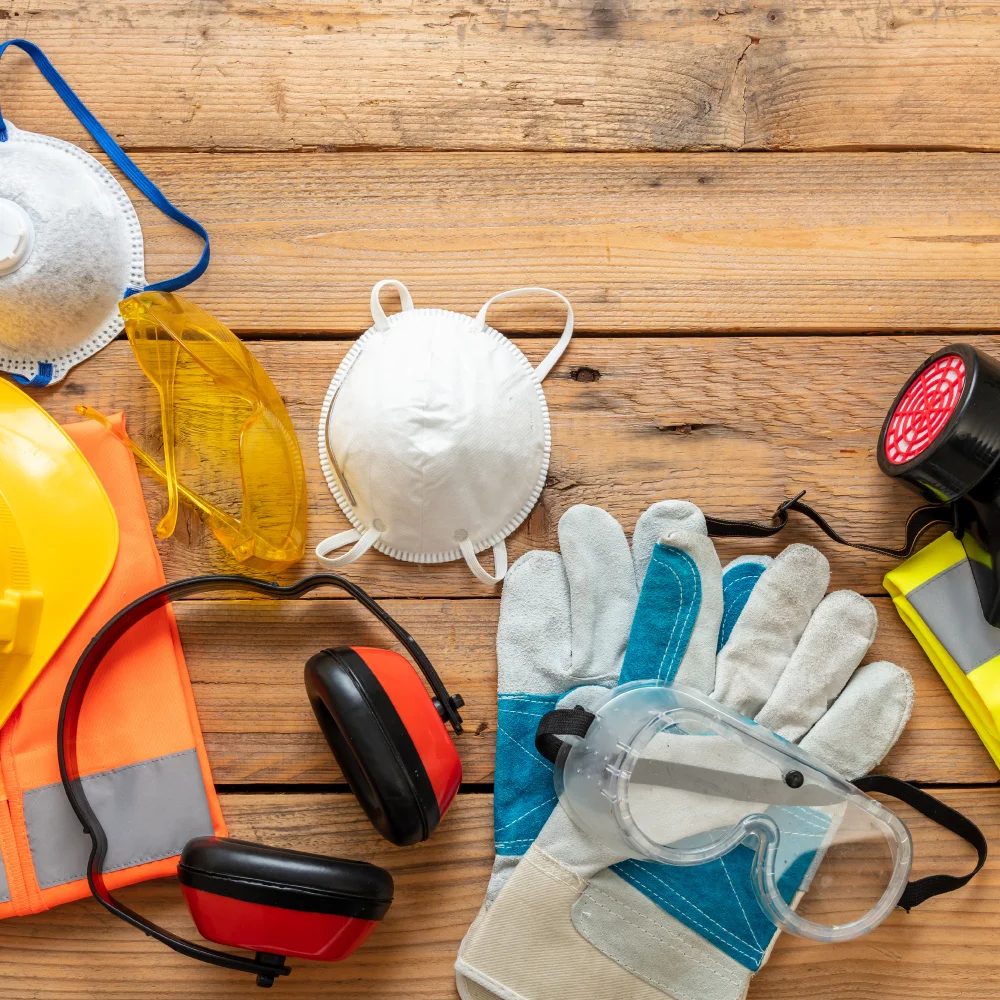
- Proper PPE includes eyewear, gloves, safety shoes, and breathing protection.
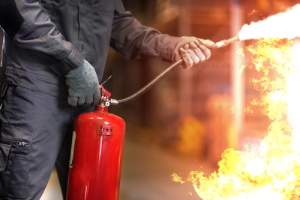
- Emergency response and leak detection procedures include shutting down damaged equipment, leak testing, and gas provider communication.
- Unidentified or abandoned cylinders should be barred, labeled, and removed by qualified personnel.
- Final safety checklist: critical actions, emergency planning, and Cal/OSHA compliance.
Final Examination
Frequently Asked Questions
The following regulations under California Title 8 are introduced within this course:
- Section 4650 – Storage, Handling, and Use of Cylinders.
- Section 4649- Construction and Marking of Cylinders.
- Section 4657- Safety Relief Devices.
- Section 1740 – Storage and Use of Cylinders (Construction)
- Section 3203 – Injury and Illness Prevention Program.
- Section 5194 – Hazard Communication.
Our course also covers other applicable gas-specific, equipment safety, backflow prevention, confined-space, and respiratory protection regulations, under 8 CCR Sections 4838, 4845, 5157, and 5144.
This Cal/OSHA Compressed Gas Cylinder Safety Training is important as it helps workers to:
- Identify compressed gas dangers and prevent industrial mishaps.
- Use, handle, store and check cylinders safely.
- Detect gas leaks and securely respond to crises.
- Be familiar with applicable Cal/OSHA rules and related federal OSHA standards.
Our Cal/OSHA Compressed Gas Cylinder Safety Training offers practical guidance to help you work safely, recognize potential hazards, and make informed decisions in the workplace. It includes:
- Learn about cylinder safety with real-life examples and easy-to-understand explanations.
- Learn to recognize defective cylinders and equipment that could endanger workers.
- Learn how improper gas connections can cause hazardous leaks and equipment failure.
- Instill confidence in the use of fuel-gas cylinders in welding and cutting.
- Learn to recognize warning indications of regulator faults and abnormal pressure conditions.
- Choose flexible training options that meet your work demands and your personal learning preferences.
Cal/OSHA Compressed Gas Cylinder Safety Training is appropriate for:
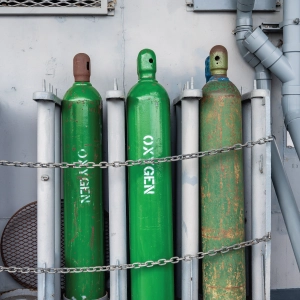
- Welders, cutting operators and fabricators using oxygen, acetylene and other fuel gas cylinders.
- Site supervisors, foremen and safety coordinators responsible for the safety of cylinders on the job site.
- Warehouse and receiving employees handling, inspecting, securing, or preparing compressed gas cylinders.
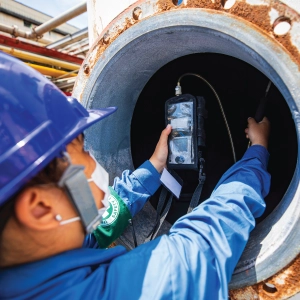
- Maintenance personnel and industrial technicians who hook up regulators, run gas equipment, or work with compressed gas systems.
There are no prerequisites for this course.
This course does not have a universally mandated annual refresher; however, it is recommended to take this course every 36 months to stay up to date with the latest regulation updates.
Employees may need supplementary training if:
- They are assigned new responsibilities
- Existing workplace hazards evolve
- Potentially harmful substances are introduced
- Previously unknown risks were discovered
Additionally, employers should offer refresher training as needed to address incidents, unsafe behaviors, procedure changes, or workplace-specific training requirements.
Certificate of Completion: Immediately after passing the final exam, you can download, save, or print your certificate as a PDF.
Validity: The course certificate is valid for three years.
Renewal: Simply take this course within 36 months to maintain compliance and stay current on Compressed Gas Cylinder Safety best practices.
Choose Your Ideal Training Format:



Scorm Package
$49.99/Seat


Virtual Instructor-Led
$199.00/Seat

In-Person Group
$750.00/Seat
Anyone who works near gas cylinders should take this course. The safety precautions were straightforward and basic.
I appreciated that it addressed California safety regulations and provided guidance on safe cylinder storage and transportation. Incredibly beneficial to our team.
Really helpful in learning how to check for leaks and what to do. I now have a better idea of what to search for.
I found no trouble finishing the course on my own schedule. It covered the crucial safety concerns without making things too difficult.



The ROI of Online Safety Training
Discover the value of our efficient alternative to live training and calculate your return on investment.
ROI Calculator
Recommended Courses