Español. After purchase, use the language toggle in your course Player to switch between English and Spanish at any time.

 EN
EN ES
ES




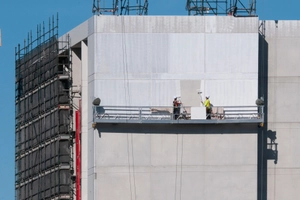













































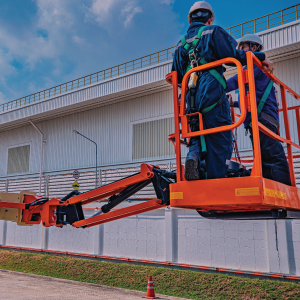





























































OSHA Slips, Trips, and Falls Prevention Training
- In accordance with Federal OSHA Regulations 29 CFR 1926 Subpart M
- Covers essential knowledge on slips, trips, and falls, common hazards, hazard recognition, prevention strategies, and fall protection systems
- Available in:
 English
 - Learn at your own pace and on your own schedule
- Receive your certificate instantly upon completion
- Select from SCORM-compliant, online streaming, virtual instructor-led, or in-person learning formats
0.1
Bulk Buying
| Employee | Per Seat |
|---|---|
| 2-10 | $29.69 |
| 11-20 | $29.39 |
| 21-50 | $29.09 |
| 51-100 | $28.49 |
| 101-250 | $27.89 |
| 251-500 | $27.59 |
| 501-1000 | $26.99 |
Course Facts


Training Duration

Learning Type

Course Access Validity

Device Support


Certificate Validity

OSHA Slips, Trips, and Falls Prevention Training Course Syllabus
This OSHA Slips, Trips, and Falls Prevention Training consists of 4 lessons. Students are required to take each lesson in sequential order as listed below.
Introduction
Lesson 1: Slips, Trips, and Falls
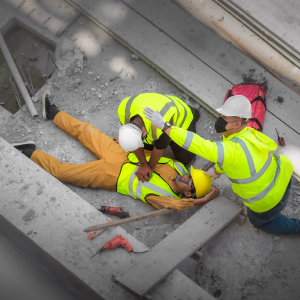
Slips, trips, and falls are prevalent hazards in construction and may lead to injuries, which could range from minor strains to severe or even fatal accidents. In this lesson, students learn about the basic causes of these hazards as well as their solutions and safe work practices.
Lesson 2: Introduction to Fall Hazards
This lesson will provide an overview of fall hazards and situations that may expose workers to the risk of falling. It also covers OSHA standards that address fall prevention as well as how to prevent falls using the hierarchy of controls.
Lesson 3: Types of Fall Hazards
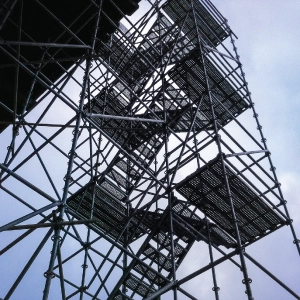
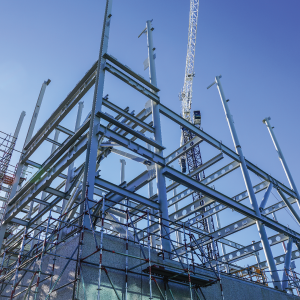
The lesson covers the major types of fall hazards in construction. It provides knowledge on the hazards related to unprotected edges of roofs and floors, as well as the hazards that arise from the use of scaffolding and ladders.
Lesson 4: Fall Protection Systems
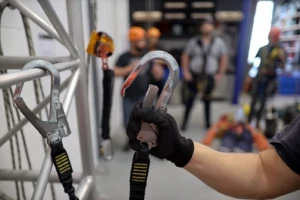
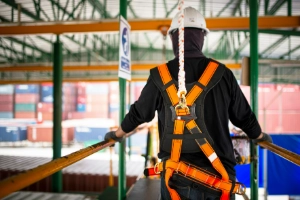
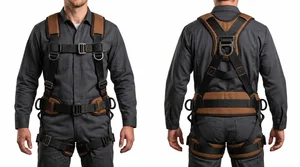
This lesson will focus on different types of fall protection systems and their uses for controlling and preventing fall hazards during construction activities. It will discuss guardrail systems, safety net systems, personal fall arrest systems (PFAS) and other fall prevention methods.
Final Examination
Frequently Asked Questions
This course meets and exceeds the compliance requirements outlined in OSHA Standard 29 CFR 1926 Subpart M.
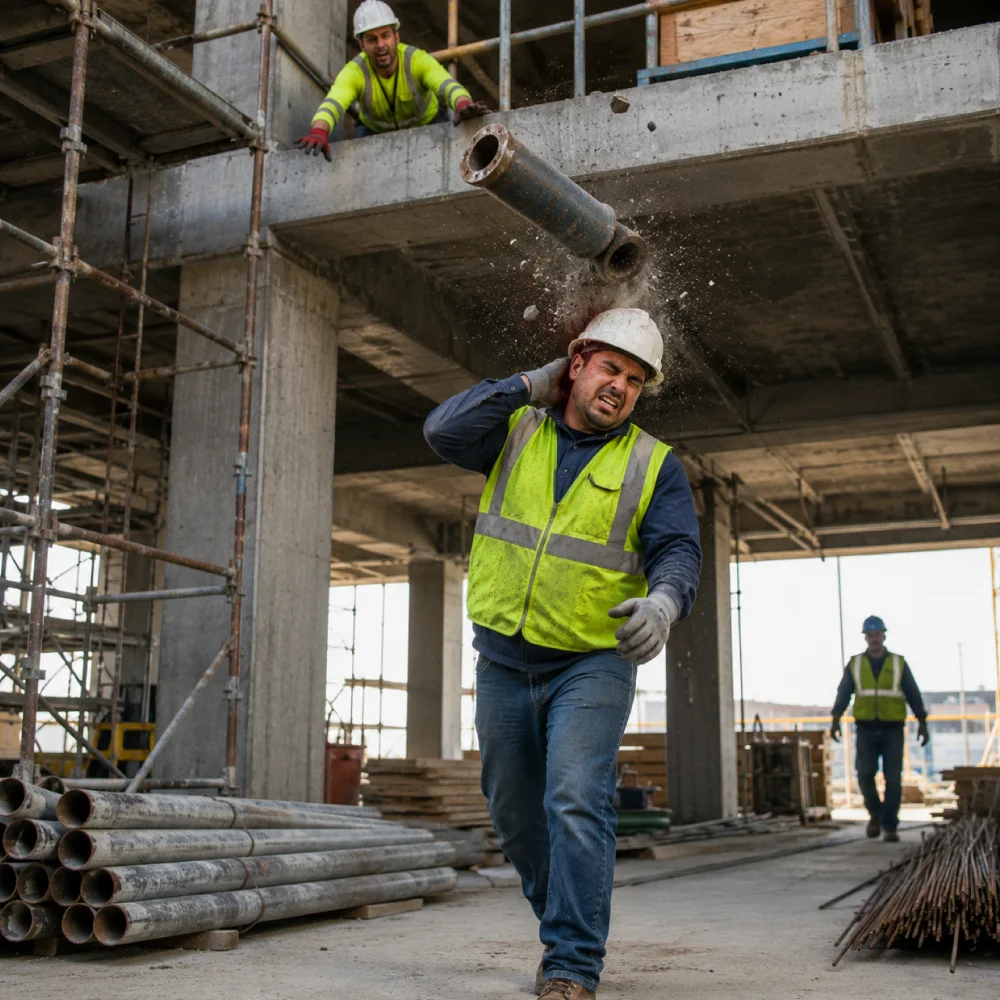
A trip hazard refers to an environmental condition in the workplace that makes a worker likely to lose balance due to catching their foot on an obstruction or irregular surface while walking or working in the area. At a construction site, some of the trip hazards may include tools and equipment, construction debris, cords, cables, irregular surfaces, unstable flooring, and protruding objects.
Common causes include wet or slippery surfaces, poor housekeeping, clutter, loose cords or hoses, uneven walking surfaces, inadequate lighting, improper ladder or scaffold use, unprotected edges and openings, and inadequate fall protection.
This OSHA Slips, Trips, and Falls Prevention Training course is important because it:
- Enables employees to identify risks of OSHA trip hazards before an injury occurs.
- Enhances the safety of construction sites by promoting hazard identification and safe working conditions.
- Lessens the risk of severe injuries and deaths as a result of falls from ladders, scaffolds, roofs, openings, or any other elevated surface.
- Offers useful information regarding how to prevent slips and trips resulting from wet floors, cluttered areas, cords, uneven surfaces, and any other similar hazards.
- The course is in line with relevant OSHA trip hazard standard and fall protection standards.
- It describes common construction hazards and offers practical methods of fall prevention.
- It identifies major construction fall hazards, such as roof-related, scaffold-related, portable ladder-related, and fragile surface-related hazards.
- It discusses common fall protection systems and their function in preventing falls.
- Construction workers who face slip, trip, and fall hazards and want to understand OSHA trip hazard requirements.
- Workers who use ladders, scaffolding, staircases, and elevated surfaces.
- Roofers, framers, concrete workers, steel erectors, and other construction workers who face falling risks.
- Supervisors, foremen, and safety personnel who must identify and control job site hazards.
- Contractors and subcontractors who have to facilitate safe work practices and fall prevention at construction job sites.
- Other construction workers who may face walking-surface hazards, openings, unprotected edges, or other fall hazards.
There are no prerequisites for this course.
There is no specific or annual schedule for slips, trips, and falls prevention training set by OSHA. However, retraining is required when some workplace changes happen, or safety gaps occur. Industry best practices suggest retraining every 2 years to remain up to date.
Certificate of Completion: Immediately after passing the final exam, you can download, save, or print your certificate in PDF format.
Validity: The course certificate is valid for 2 years.
Renewal: Simply take this course every 24 months to maintain compliance and stay current on OSHA slips, trips, and falls hazards and prevention strategies.
Choose Your Ideal Training Format:



Scorm Package
$29.99/Seat


Virtual Instructor-Led
$199.00/Seat

In-Person Group
$750.00/Seat
I liked the practical aspect of this training. Information about ladders, scaffolds, and fall protection systems made this training highly relevant to construction work.
The course was clear and logical. It describes OSHA fall prevention concepts in a manner that is not overly complicated for a regular worker.
This training gave me a lot of valuable information regarding identification of slips, trips, and fall hazards and ways to prevent them.
Informative and practical course for construction workers. The training supports safe ladder use, scaffold safety, and proper fall protection practices.



The ROI of Online Safety Training
Discover the value of our efficient alternative to live training and calculate your return on investment.
ROI Calculator
Recommended Courses