 EN
EN ES
ES










































































































Cal/OSHA Chemical Handling Safety Training
- In accordance with Title 8 California Code of Regulations Section 5194, 5141, and 5155
- Covers essential knowledge on chemical hazards, corrosives, solvents, oxidizers, passivation, and cleaning bath chemistries
- Available in:
 English |
  Español
 - Complete the training when it is most convenient for you and progress at your own pace
- Receive your certificate immediately after successfully completing the course
- Available in multiple delivery formats, including self-paced online training, SCORM packages, live virtual instructor-led sessions, and in-person classroom instruction
0.2
Bulk Buying
| Employee | Per Seat |
|---|---|
| 2-10 | $55.43 |
| 11-20 | $54.87 |
| 21-50 | $54.31 |
| 51-100 | $53.19 |
| 101-250 | $52.07 |
| 251-500 | $51.51 |
| 501-1000 | $50.39 |
Course Facts


Training Duration

Learning Type

Course Access Validity

Device Support


Certificate Validity
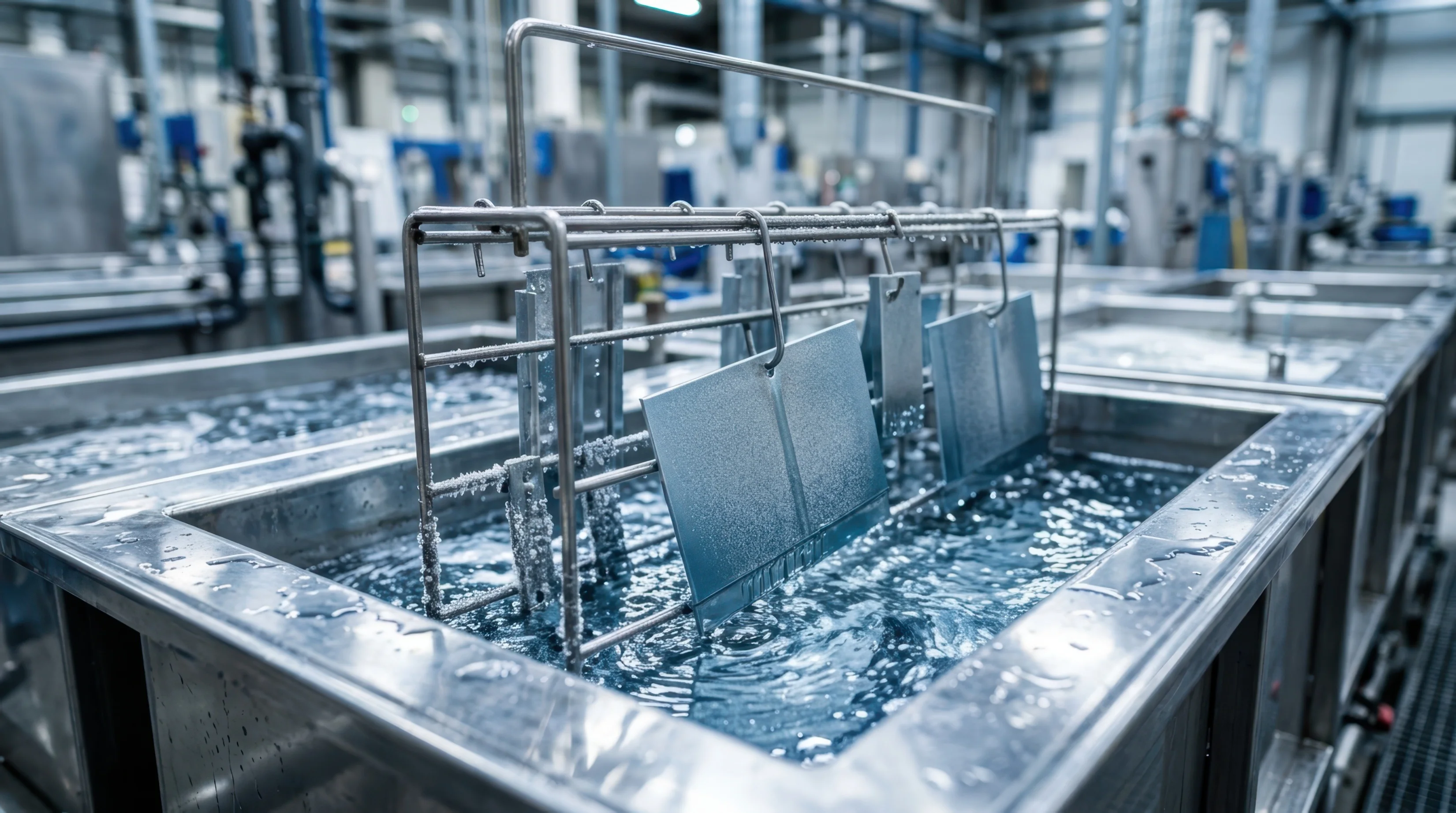
Cal/OSHA Chemical Handling Safety Training Course Syllabus
This Cal/OSHA Chemical Handling Safety Training consists of 4 lessons. Students are required to take each lesson in sequential order as listed below.
Introduction
Lesson 1: Cal/OSHA Regulations for Chemical Handling
In this lesson, the health and physical hazards associated with chemicals in the workplace, as well as how these chemicals enter the body, are explained. The lesson covers the major Cal/OSHA Title 8 regulations for handling workplace chemicals. It includes the Injury and Illness Prevention Program, hazard communication, Prop 65 warnings, exposure limits, open-surface tank operations, personal protective equipment, emergency planning, and workers' rights.
Lesson 2: Corrosive Safety
This lesson covers types, forms, and effects of corrosive substances, including the acids and alkali cleaners used in passivation and cleaning processes. Hazard communication, chemical safety guidelines, personal protective equipment, and response to chemical exposure and spills are discussed.
Lesson 3: Solvent and Oxidizer Safety
This lesson explains the fire and health hazards of flammable and halogenated solvents, including flash points and explosive limits, as well as oxidizer hazards. It includes how oxidizers can intensify fire, may lead to spontaneous ignition, and emit dangerous fumes. It also describes safe storage and handling practices.
Lesson 4: Safe Handling of Passivation and Cleaning Bath Chemistries
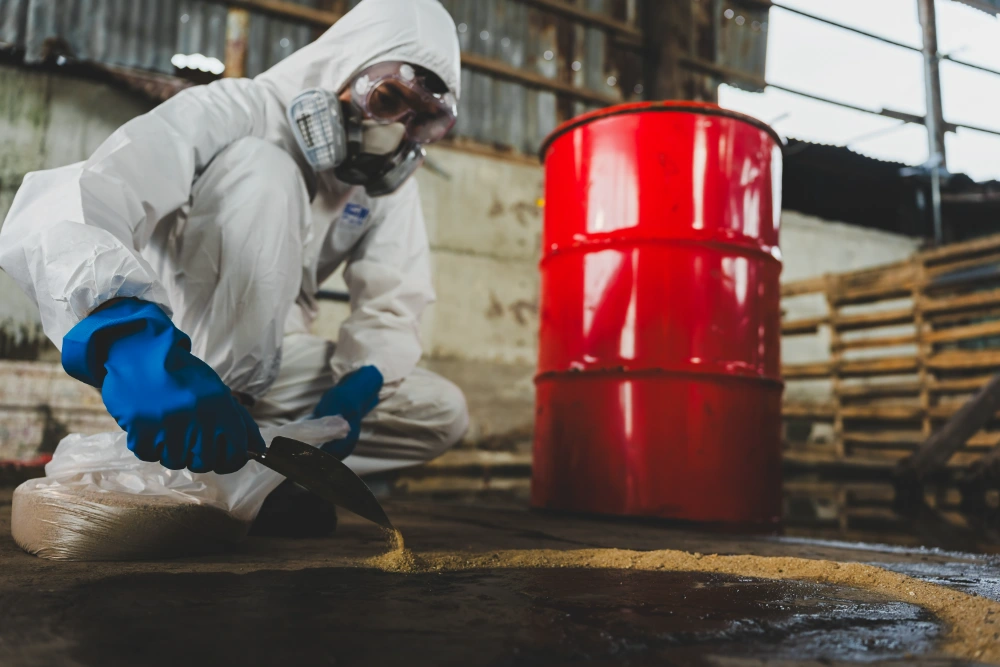
This lesson covers the passivation process as well as the risks associated with common bath chemistries. This lesson explains dangerous chemical reactions, drag-out, how to identify a chemical release, proper ventilation of tanks, safe work practices for bath operations, PPE, and spill response.
Final Examination
Frequently Asked Questions
This course meets and exceeds the compliance requirements outlined in California Code of Regulations: Title 8, Section 3203, Section 5194, Section 5141, Section 5154, and Sections 5162 through 5165.
Solvents might be flammable, explosive, and pose health hazards. On the other hand, oxidizers intensify combustion and interact dangerously with incompatible materials. Safe storage, handling, and exposure controls will decrease these potential hazards.
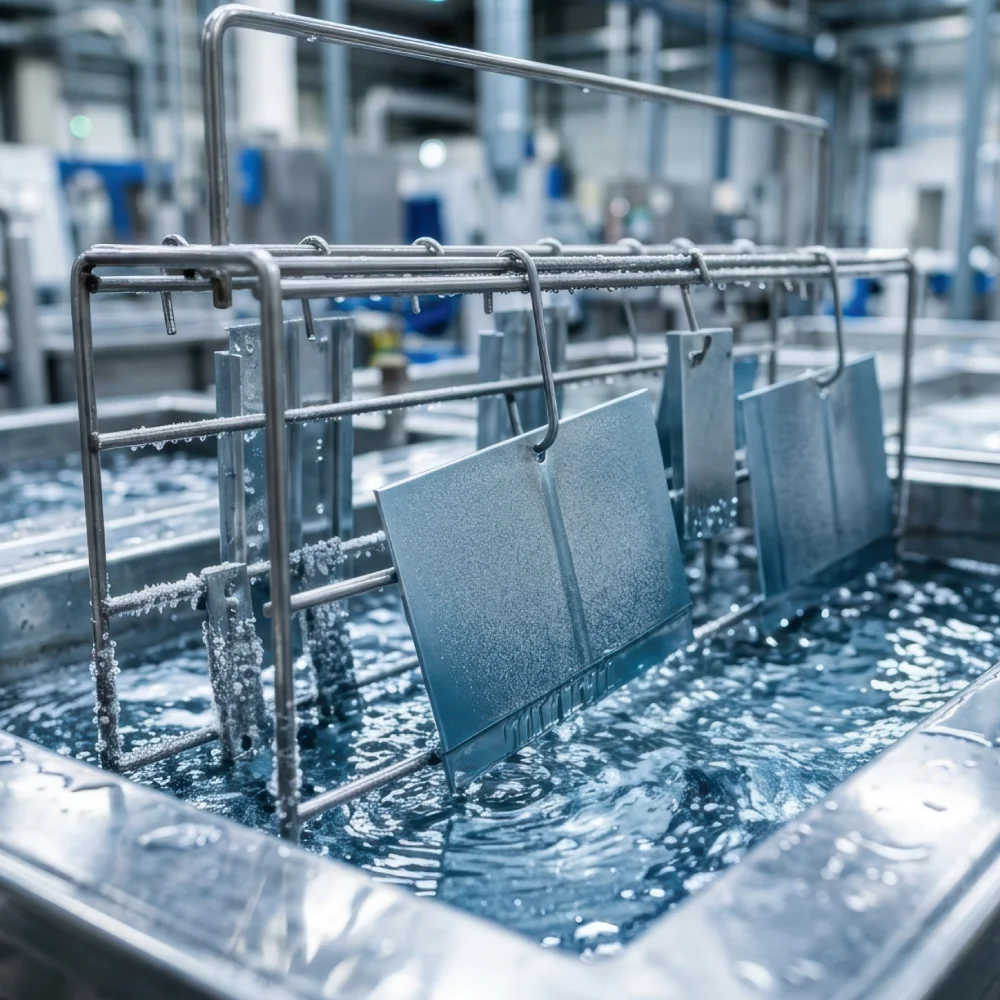
Passivation is a chemical method used to enhance the metal's resistance to corrosion by forming a protective film on its surface. The chemicals used in this process are potential hazards for health and safety if they are not handled properly.
Chemical handling safety is the process of safely handling, transporting, storing, mixing, and disposing of chemicals. It is done to protect against any form of injury that could result from chemical hazards in the workplace.
- The course is specifically designed in accordance with Cal/OSHA Title 8 requirements, including Title 8 Section 5194, Title 8 CCR 5141, and Title 8 Section 5154.
- Developed by health and safety experts with knowledge of chemical hazards in passivation, cleaning, and metal finishing industries.
- Ensures that learners acquire vital information on chemical hazards and prevention of injuries, exposures, fires, and dangerous reactions.
- Certificate awarded to learners upon completion of this Cal/OSHA Chemical Handling Safety Training program.
- Delivered through various modes of learning such as online training, in-class training, and instructor-led training.
- Employees in California working with acids, cleaners, solvents, oxidizers, and process bath chemicals.
- Workers involved in passivation, metal finishing, plating, parts cleaning, and precision manufacturing processes.
- Maintenance employees, operators, or contractors working on tanks, pumps, piping, or equipment containing chemicals.
- Supervisors, managers, and health and safety professionals managing chemical handling and hazard communication programs.
- Personnel responsible for handling chemical spills, releases, and exposures.
- Employers seeking to meet Cal/OSHA training requirements and protect their employees from chemical hazards.
There are no prerequisites for this course.
Refresher training requirements depend upon applicable Cal/OSHA regulations and the presence of any hazards in the workplace. Under Title 8 CCR 5194, hazard communication training must be provided at the time of initial assignment and whenever a new chemical hazard is introduced into the work area. Refresher training is recommended every year as a best practice, or sooner when workplace hazards, chemical handling procedures, or safety requirements change.
Certificate of Completion: Immediately after passing the final exam, you can download, save, or print your Chemical Handling Safety certificate in PDF format.
Validity: The Cal/OSHA Chemical Handling Safety Training course certificate is valid for one year.
Renewal: Simply take this course every 12 months to stay up to date on Cal/OSHA requirements, chemical hazards, and safe work practices.
Choose Your Ideal Training Format:



Scorm Package
$55.99/Seat


Virtual Instructor-Led
$199.00/minimum 10 Seat

In-Person Group
$750.00/minimum 10 Seat
I found the sections on corrosive substances, safe storage, PPE, and emergency actions helpful. This course taught me how to recognize chemical hazards and minimize the likelihood of workplace injuries.
The lessons on solvents, oxidizers, flammability, and hazardous chemical reactions were very interesting and informative. This course gave me an understanding of the necessary measures for handling such chemicals.
This training is very helpful because it contains practical information on passivation baths, chemical incompatibilities, ventilation, and spill response. This course is quite relevant to my job responsibilities.
I liked the clear explanations of California-specific regulations, hazard communication, and personal protective equipment. This course is clearly organized and provides useful information for maintaining a safe workplace.



The ROI of Online Safety Training
Discover the value of our efficient alternative to live training and calculate your return on investment.
ROI Calculator
Recommended Courses