 EN
EN ES
ES















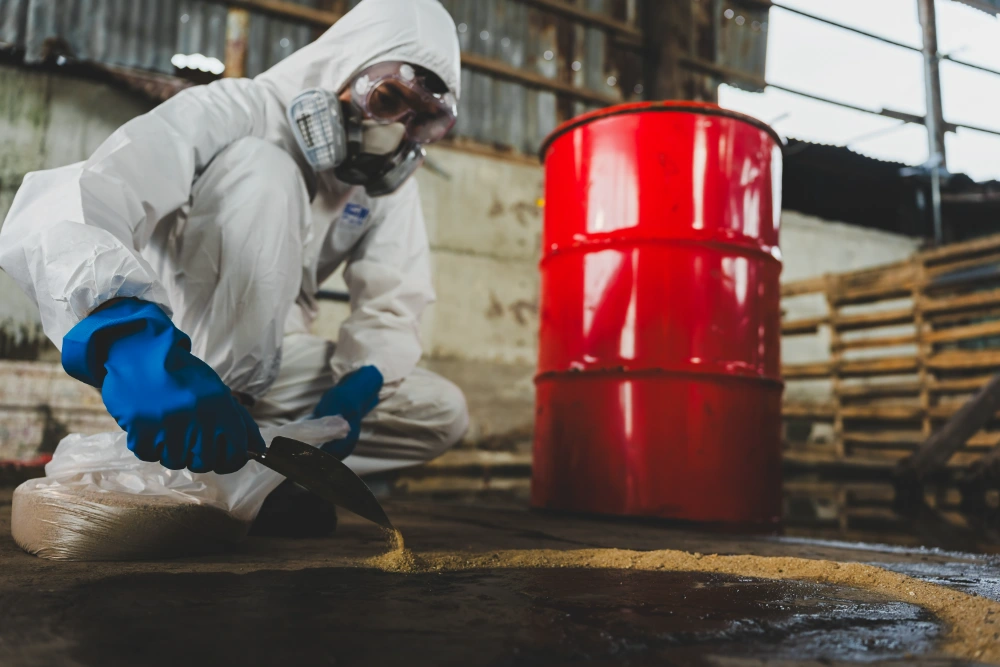
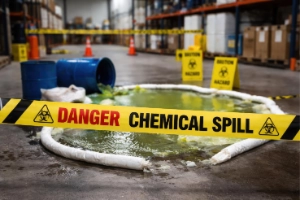
















































Cal/OSHA Spill Prevention and Response Safety Training
- In accordance with Federal OSHA Hazardous Waste Operations and Emergency Response (HAZWOPER) Standards for the Construction Industry (29 CFR 1926.65) and General Industry (29 CFR 1910.120).
- Designed with special consideration of Title 8 of the California Code of Regulations, Section 5192
- Available in:
 English |
  Español
 - Learn at your own pace and on your own schedule
- Receive your certificate instantly upon completion
- Select from SCORM-compliant, online streaming, virtual instructor-led, or in-person learning formats
0.1
Bulk Buying
| Employee | Per Seat |
|---|---|
| 2-10 | $39.59 |
| 11-20 | $39.19 |
| 21-50 | $38.79 |
| 51-100 | $37.99 |
| 101-250 | $37.19 |
| 251-500 | $36.79 |
| 501-1000 | $35.99 |
Course Facts


Training Duration

Learning Type

Course Access Validity

Device Support


Certificate Validity
Cal/OSHA Spill Prevention and Response Safety Training Course Syllabus
This Cal/OSHA Spill Prevention and Response Safety Training consists of 2 lessons . Students are required to take each lesson in sequential order as listed below.
Introduction
Lesson 1: Managing Spills, Disposal, and Reporting
- What is a Release?
- Situations Where Notification Is Not Required Under CERCLA
- Education and Training
- Significant Spill
- Non-Significant Spill
- Vehicle and Equipment Leak Prevention
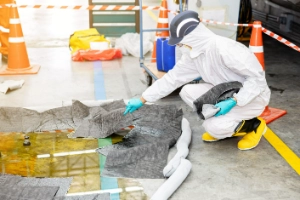
- Spill Cleanup Procedures
- Waste Handling and Disposal
- Hazardous Chemical Storage Reporting Requirements
- Toxic Release Inventory (TRI)
- TRI Reporting in California
- List of Hazardous Substances and Reportable Quantities
- Determination of Reportable Quantities
Lesson 2: Emergency Preparedness for Spills
- Emergency Procedures Overview
- Preparedness and Prevention – Equipment
- PPE Protection Levels for Emergency Preparedness
- Spill Kits: Essential Tools for Hazardous Material Response
- Types of Spill Kits
- Customizing Spill Kits
- Access to Communication Systems
- Arrangements with Local Authorities
- Contingency Plan
- Additional Information for Contingency Plan
- Emergency Coordinator
- Emergency Procedures for Small Quantity Generators (SQGs)
- Additional Emergency Procedures for California-Based SQGs
- Emergency Procedures for Large Quantity Generators (LQGs)
Final Examination
Frequently Asked Questions
HAZWOPER is an OSHA safety standard covering hazardous waste operations and emergency spill response activities. The standard establishes training and safety requirements for employees exposed to hazardous substances.
HAZWOPER may apply to workers involved in hazardous waste cleanup, emergency response operations, waste treatment facilities, and uncontrolled hazardous waste sites.
Training requirements are outlined under OSHA 29 CFR 1910.120. Employees must receive training that matches their job duties and workplace hazards before participating in hazardous material operations.
Yes. California Division of Occupational Safety and Health requires employers to provide training when employees may encounter hazardous substances or spill response situations during work activities.
California employers must comply with Title 8 safety regulations covering hazardous waste operations and emergency response procedures. Training may include spill containment, hazard recognition, PPE use, and emergency communication procedures.
California hazardous spill response training helps employers improve workplace safety while supporting regulatory compliance.
The training aligns with Federal OSHA standards for Hazardous Waste Operations and Emergency Response (HAZWOPER) Standards for the Construction Industry (29 CFR 1926.65) and General Industry (29 CFR 1910.120). It also reflects Title 8 of the California Code of Regulations, Section 5192 standards.
Title 8, California Code of Regulations (CCR) Section 5192 is California’s HAZWOPER regulation. It establishes safety requirements for hazardous waste operations and emergency spill response activities throughout the state.
The regulation is enforced by California Division of Occupational Safety and Health and closely aligns with federal OSHA HAZWOPER standards.
Section 5192 addresses employee training, medical surveillance, PPE requirements, emergency response planning, and site safety procedures for hazardous substance operations.
California spill reporting rules may require additional notifications and faster reporting timelines than federal regulations. Certain spills must be reported to state agencies even when federal reporting thresholds are not reached.
Depending on the incident, employers may need to contact Cal OES, Cal/EPA, local environmental agencies, or emergency response authorities. Federal reporting requirements may also apply through the EPA or National Response Center.
Spill prevention and response plan California training helps workers understand both state and federal reporting obligations.
A non-significant spill is a small release that trained employees can safely manage using available spill kits and workplace procedures. These spills usually create limited health or environmental risks.
A significant spill involves greater hazards. It may include toxic exposure, fire risks, large chemical releases, or conditions requiring outside emergency responders.
Employees must recognize the difference before beginning cleanup activities. OSHA spill prevention training teaches workers how to assess spill conditions and respond safely.
Hazardous material spills should be reported immediately according to workplace emergency procedures. Employees should secure the area, notify supervisors, and contact emergency personnel when necessary.
Some spills must also be reported to local, state, or federal agencies. Reporting requirements depend on the material released, spill quantity, and environmental impact.
The Occupational Safety and Health Administration and the Environmental Protection Agency require employers to establish emergency response procedures for hazardous substance incidents. Spill prevention training helps workers understand proper reporting steps and response expectations.
While procedures may vary by facility, spill response generally follows seven key steps:
- Identify the substance, hazards, size, and potential risks.
- Notify nearby personnel and supervisors as required.
- Select protection based on the hazard assessment.
- Prevent it from spreading to drains, soil, or other areas.
- Use proper absorbents and approved cleanup methods.
- Manage contaminated materials according to hazardous waste regulations.
- Complete required internal and regulatory reporting.
Employers typically provide spill prevention training when workers handle hazardous liquids, oil products, chemicals, or regulated materials. Training helps reduce workplace injuries and environmental risks during spill incidents.
Industries that commonly require spill prevention control and countermeasure training include:
- Manufacturing
- Construction
- Oil and gas
- Transportation
- Utilities
- Chemical processing
- Warehousing
- Hazardous waste management
- Healthcare
- Marine operations
OSHA spill prevention training helps employees respond safely to spills while supporting workplace compliance requirements.
Spill training is not specifically named as a standalone requirement under OSHA regulations. However, in workplaces where hazardous chemicals are used or stored, employers must train employees to respond safely to spills. This obligation falls under standards such as HAZWOPER (29 CFR 1910.120) and Hazard Communication (29 CFR 1910.1200).
Spills and releases do not just create a mess. They can trigger regulatory violations, environmental damage, employee injuries, and costly shutdowns. Federal laws such as RCRA and EPCRA, along with OSHA requirements, place clear responsibilities on facilities. In California, those obligations go further. The state enforces additional California hazardous waste spill response requirements under Title 8, CCR Section 5192. Failure to act correctly can result in significant penalties and long-term liability.
This course bridges the gap between regulation and action. It helps employees understand what qualifies as a release and when a spill becomes reportable. Learners distinguish between significant and non-significant incidents. They also learn the immediate steps required to protect people and the environment. For California-based operations, the course addresses California spill cleanup compliance and state-specific reporting requirements beyond the federal baseline.
- Complex requirements under OSHA, RCRA, and EPCRA are broken down into clear, actionable procedures that can be implemented immediately in the workplace.
- Walk learners through, step by step, how to assess a spill, determine reportability, and take the appropriate response steps.
- Guidance on leak prevention, spill kits, vehicle and equipment maintenance controls, and proper cleanup procedures.
- Those responsible for equipment operation, inspections, and maintenance that could lead to spills or releases.
- Personnel in charge of compliance, spill response planning, and monitoring hazardous material handling.
- Employees designated to respond to fires, spills, or chemical releases.
- Those overseeing operations involving hazardous materials and ensuring staff follow safety protocols.
- Workers who need to understand facility-specific procedures, spill response, and regulatory requirements.
- Including lab technicians, production staff, and transportation personnel.
There are no prerequisites for this course.
OSHA regulations recommend employees take this course as an annual refresher.
Certificate of Completion: Immediately after passing the final exam, you can download, save, or print your certificate in PDF format.
Validity: The course certificate is valid for one year.
Renewal: Simply take this course in 12 months to maintain compliance and stay current on spill prevention and management best practices at work sites.
Choose Your Ideal Training Format:



Scorm Package


Virtual Instructor-Led
$199.00/Person (minimum 10)

In-Person Group
$750.00/Person (minimum 10)
I appreciated how the training focuses on real-world spill scenarios and not just regulations. The content on spill kits and proper cleanup procedures was very relevant to our daily operations.
Solid Course for emergency preparedness and spill response responsibilities!
It’s clear, practical, and directly applicable to preventing environmental incidents on-site.
This course strikes the right balance between compliance requirements and practical safety measures. It reinforces prevention, preparedness, and proper response in a way that truly supports workplace safety.



The ROI of Online Safety Training
Discover the value of our efficient alternative to live training and calculate your return on investment.
ROI Calculator
Recommended Courses