
 EN
EN ES
ES
















































































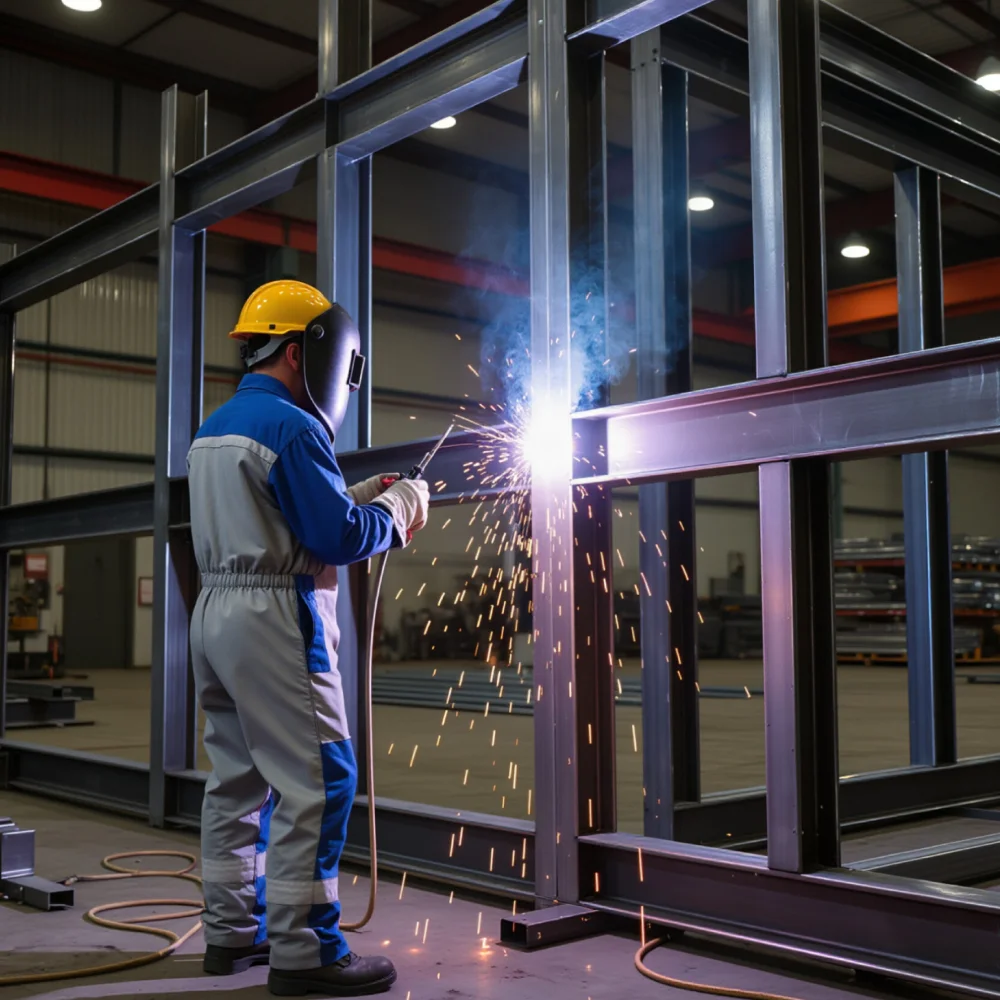




























OSHA Hot Work Safety for Construction Training
- In accordance with Federal OSHA Regulations 29 CFR 1926 Subpart J
- Incorporates best practices from the 2024 NFPA 51B, Standard for Fire Prevention During Welding, Cutting, and Other Hot Work
- Designed specifically for construction workers
- Available in:
 English |
  Español
 - Learn at your own pace and on your own schedule
- Receive your certificate instantly upon completion
- Select from SCORM-compliant, online streaming, virtual instructor-led, or in-person learning formats
0.2
Bulk Buying
| Employee | Per Seat |
|---|---|
| 2-10 | $39.59 |
| 11-20 | $39.19 |
| 21-50 | $38.79 |
| 51-100 | $37.99 |
| 101-250 | $37.19 |
| 251-500 | $36.79 |
| 501-1000 | $35.99 |
Course Facts


Training Duration

Learning Type

Course Access Validity

Device Support


Certificate Validity

OSHA Hot Work Safety for Construction Training Course Syllabus
This OSHA Hot Work Safety Training consists of 5 lessons. Students are required to take each lesson in sequential order as listed below.
Introduction
Lesson 1: Introduction and Regulatory Requirements
This lesson establishes the foundation for hot work safety by defining hot work, introducing common construction activities, and explaining the OSHA requirements and applicable industry standards that govern these operations. It also highlights the responsibilities of employers and employees and the serious consequences that can result from unsafe hot work.
Lesson 2: Hot Work Hazards
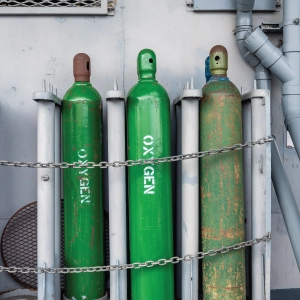
This lesson examines the major hazards associated with hot work, including fire, explosions, electrical energy, burns, hazardous atmospheres, compressed gases, and combustible materials. It emphasizes the importance of evaluating changing site conditions and planning appropriate controls before work begins.
Lesson 3: Additional Hot Work Hazards and Risk Assessment
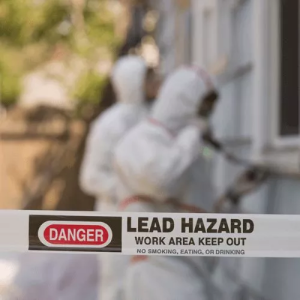
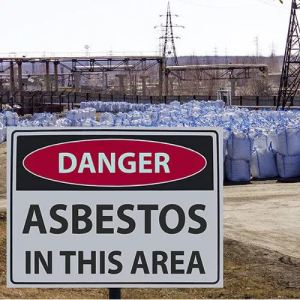
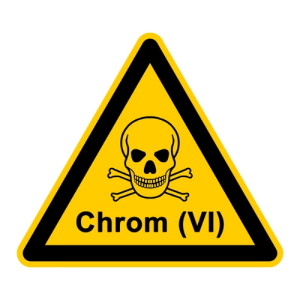
This lesson focuses on less visible but potentially serious hazards associated with hot work, including toxic fumes, metal exposure, radiation, and hazardous welding byproducts. It also introduces the hierarchy of controls and explains how hazard assessments and pre-job planning help determine effective measures to eliminate or reduce risk.
Lesson 4: Safe Hot Work Practices and Fire Prevention
This lesson explains how to conduct hot work safely through effective planning, equipment checks, fire prevention measures, appropriate PPE, ventilation, and control of sparks and slag. It also emphasizes protecting nearby workers and maintaining safe conditions throughout the operation.
Lesson 5: Emergency Procedures and Incident Prevention
This lesson prepares workers to respond appropriately to fires, equipment failures, and other hot work emergencies. It also covers incident reporting, evacuation, post-work fire monitoring, and using lessons learned to prevent similar incidents in the future.
Final Examination
Frequently Asked Questions
This course meets and exceeds the compliance requirements outlined in OSHA Standard 29 CFR 1926 Subpart J Welding and Cutting.
Hot work can create serious fire and life-safety hazards when it is not properly planned and controlled. Between 2017 and 2021, U.S. fire departments responded to an estimated average of 3,396 structure fires involving hot work each year, resulting in an estimated annual average of 19 civilian deaths and 120 civilian injuries, according to the latest NFPA data. This training helps workers recognize hot work hazards, apply appropriate controls, follow safe work practices, and prevent fires, injuries, and other incidents before they occur.
- Built around 29 CFR 1926 Subpart J covering the construction welding and cutting standard.
- Discusses the 35-foot combustible clearance rule and 60-minute post-work fire watch requirement.
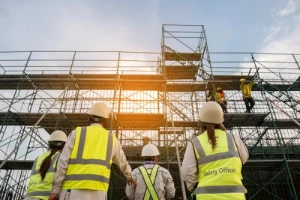
- Addresses hot work on active construction sites specifically, scaffolding, temporary enclosures, and multi-trade exposure.
- Includes the permit-to-work process so crews know the paperwork.
- Covers combined hazards unique to jobsites.
This training is designed for construction personnel who perform, supervise, or work around hot work operations, including:
- Welders and cutters
- Ironworkers and structural steel workers
- Pipefitters and plumbers
- Sheet metal workers
- Boilermakers
- Maintenance and repair personnel
- Roofing contractors performing torch-applied roofing
- Construction laborers involved in hot work activities
- Foremen, supervisors, and site safety managers
- General contractors responsible for hot work permit programs and fire prevention
- Any worker who performs or is exposed to hot work operations on construction sites
- Commercial building and structural steel construction
- Bridge, infrastructure, and pipeline construction
- Roofing, mechanical, electrical, and plumbing contractors
- Renovation and demolition projects
- Industrial construction: refineries, power plants, processing facilities
- Any construction site where welding, cutting, or grinding operations occur
Construction sites change daily, combustible materials arrive and accumulate, buildings have open floors and walls that allow sparks to fall freely, multiple trades work simultaneously without always knowing what others are doing nearby, and permanent fire protection systems are typically not yet installed. This course addresses the specific OSHA construction standard (29 CFR 1926 Subpart J) and the unique precautions that the dynamic environment requires, including gas cylinder handling and preservative coating requirements that don’t exist in the general industry standard.
There are no prerequisites for this course.
OSHA's hot work standard does not specify a set frequency for training renewal, unlike some other OSHA regulations. However, industry best practices suggest providing Hot Work Safety Training is recommended every two year..
Certificate of Completion: Immediately after passing the final exam, you can download, save, or print your certificate in PDF format.
Validity: The course certificate is valid for three years.
Renewal: Simply take this course in 12 months to maintain compliance and stay current on hot work best practices at construction sites.
Choose Your Ideal Training Format:



Scorm Package
$39.99/Seat


Virtual Instructor-Led
$199.00/Seat (minimum 10 seats)

In-Person Group
$750.00/Seat (minimum 10 seats)
This training provides a strong overview of OSHA requirements and safe hot work practices. The focus on hazard assessments and pre-job planning makes it highly relevant to the job site.
The course reinforces the importance of controlling sparks, fumes, and combustible materials before work begins.
The course was easy to follow and covered the hazards associated with welding fumes, radiation, burns, and fire. It reinforced several important safety practices I use every day.
An excellent resource for construction professionals!



The ROI of Online Safety Training
Discover the value of our efficient alternative to live training and calculate your return on investment.
ROI Calculator
Recommended Courses