 EN
EN ES
ES



















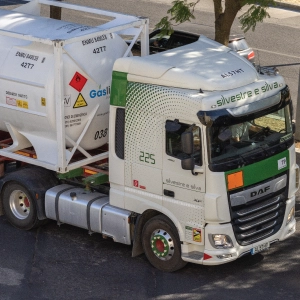
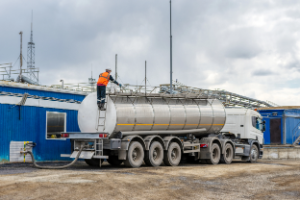









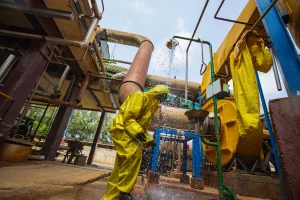

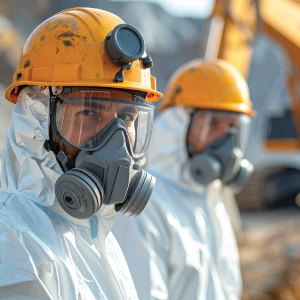
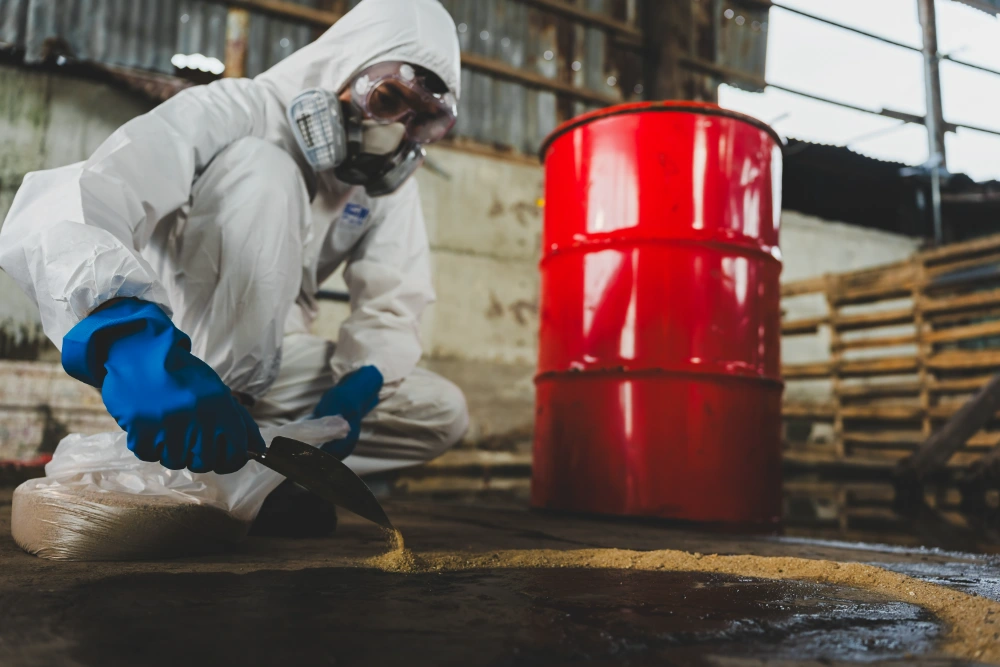

















































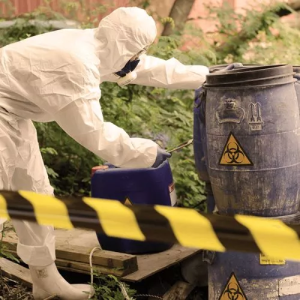
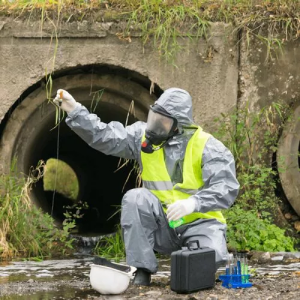
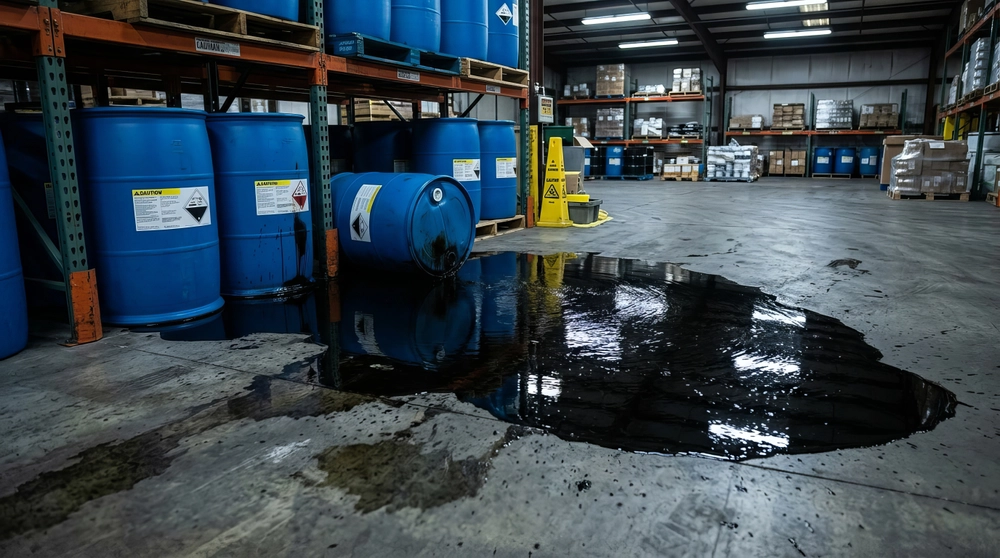









EPA Spill Prevention, Control, and Countermeasure (SPCC) Training
- In accordance with the EPA’s SPCC Rule under the federal Clean Water Act (CWA).
- Available in:
 English |
  Español
 - Learn at your own pace and on your own schedule
- Receive your certificate instantly upon completion
- Select from SCORM-compliant, online streaming, virtual instructor-led, or in-person learning formats
0.2
Bulk Buying
| Employee | Per Seat |
|---|---|
| 2-10 | $42.56 |
| 11-20 | $42.13 |
| 21-50 | $41.70 |
| 51-100 | $40.84 |
| 101-250 | $39.98 |
| 251-500 | $39.55 |
| 501-1000 | $38.69 |
Course Facts


Training Duration

Learning Type

Course Access Validity

Device Support


Certificate Validity
EPA Spill Prevention, Control, and Countermeasure (SPCC) Training Course Syllabus
This EPA Spill Prevention, Control, and Countermeasure (SPCC) Training consists of 2 Modules and 6 lessons. Students are required to take each lesson in sequential order as listed below.
Introduction
Lesson 1: Introduction to SPCC Regulations
- Why Does SPCC Training Matter?
- Structure of the SPCC Training Program
- SPCC Rule
- Purpose of the SPCC Rule
- The Problem the Rule Addresses
- Core Prevention Objectives of the SPCC Rule
- Legislative History: The Clean Water Act Foundation
- The Role of the U.S. EPA
- Relationship to the Clean Water Act
- SPCC Plan vs. Facility Response Plan (FRP)
- Navigable Waters and Adjoining Shorelines
- What Counts as "Oil" Under the SPCC Rule?
Lesson 2: SPCC Classification and Compliance
- SPCC Applicability
- Oil Storage Thresholds Analysis
- Calculating Aggregate Capacity
- Transportation-Related vs. Non-Transportation-Related Facilities
- Rule Applies to Non-Transportation-Related Facilities
- Examples of Non-Transportation-Related Facilities Examples of Transportation-Related Facilities
- Gathering Line Jurisdiction
- Who Must Comply with SPCC Requirements
- Employee Roles and Responsibilities
- Management and Executive Responsibilities
- Environmental / Safety Staff Responsibilities
- Operations and Maintenance Responsibilities
- Documentation and Recordkeeping
Lesson 3: SPCC Plan Requirements
- SPCC Regulatory Requirements
- Who Must Have an SPCC Plan?
- Elements of an SPCC Plan
- General Facility Description
- Notification Requirements
- Preparation of a Facility Diagram
- Tier I Qualified Facility Exclusion
- Requirements for a Facility Diagram
- Facility Diagram
- Facility Diagram Example
- Oil Discharge Predictions
- Spill Prevention Measures
- Self-Certified vs. Professional Engineer (PE) Certified Plans
Lesson 4: Inspection and Prevention Systems
- Inspection and Maintenance Requirements
- Aboveground Storage Tank (AST) Inspections
- Recordkeeping Requirements
- Piping and Valves
- Common Sources of Oil Spills
- Storage Tanks
- Containers and Drums
- Loading and Off-Loading Areas
- Spill Prevention Best Practices
- The “Oil Housekeeping” Principle
- Secondary Containment Systems
- Three Layers of Oil Containment
- Sizing Secondary Containment
- Rainwater in Containment Areas
- Types of Secondary Containment
- Tank Delivery Guidelines
- Drum Handling Procedures
- IBC Totes — A Growing Risk Category
- Alarm and Monitoring Systems
- Leak Detection Systems
- Alarm Testing
Lesson 5: Managing Spills, Disposal, and Reporting
- What Is a Reportable Oil Discharge?
- Significant vs. Non-Significant Oil Spills
- Warning – Do Not Underestimate Sheen Triggers
- Oil Spill Response Training
- Who Must Be Trained
- Training Requirements
- Vehicle and Equipment Leak Prevention
- Oil Spill Cleanup Procedures
- Prohibited Cleanup Practices
- Oil-Contaminated Waste Handling and Disposal
- Oil Spill Reporting Requirements
- National Response Center (NRC) — Immediate Notification
- SPCC-Specific Reporting
- State and Local Reporting
- SPCC Recordkeeping After a Spill
- Required Spill Documentation
- Post-Spill SPCC Plan Review and Amendment
Lesson 6: Emergency Preparedness During Spills
- Oil Spill Response Procedures
- The Oil Spill Emergency Coordinator
- Emergency Equipment Requirements
- Equipment Inspection and Maintenance
- PPE for Oil Spill Response
- PPE Protection Levels for Emergency Preparedness
- PPE Limitation
- Oil Spill Kits: Stocking and Placement
- Types of Oil-Specific Spill Kits
- Required Contents of an SPCC Oil Spill Kit
- Spill Kit Placement Requirements
- Emergency Communication Systems
- Internal Communication Requirements
- External Notification Sequence
- Coordination with Local Authorities
- Required Pre-Emergency Arrangements
- Written Records of Arrangements
- Best Practice - Annual Local Responder Walk-Through
- Drills, Exercises, and Response Readiness
Final Examination
Frequently Asked Questions
This course covers the requirements of the United States Environmental Protection Agency (EPA) Spill Prevention, Control, and Countermeasure (SPCC) Rule found under:
- 40 CFR Part 112 — Oil Pollution Prevention Regulations, and
- Relevant sections of the Clean Water Act (CWA).
Facilities that store oil above SPCC thresholds operate under a strict federal framework where a single preventable spill can trigger six-figure cleanup costs, EPA enforcement action, and personal criminal liability for the employee on duty at the time. Yet the most common cause of SPCC violations isn't negligence, it's a workforce that doesn't know the specific rules: which drain valve to close first, what volume triggers an NRC call, or why hosing down a spill makes the situation legally worse. This course closes that gap by walking oil-handling personnel through the exact regulatory requirements of 40 CFR Part 112, the industry standards that support them, and the practical day-to-day procedures that keep a facility compliant and its environment protected. Whether your team manages a tank farm, a fueling station, or a drum storage area, the knowledge in this course is the difference between a contained incident and a reportable discharge.
According to the EPA, a facility is under the SPCC rule if it has an aggregate aboveground oil storage capacity of more than 1,320 U.S. gallons and there is a reasonable expectation of an oil discharge near U.S. waters or shorelines. Also, facilities with a completely buried storage capacity of greater than 42,000 U.S. gallons and a reasonable expectation of discharge are required to develop SPCC plans.
- SPCC isn't a voluntary program. Under Clean Water Act §311(b)(5), the "person in charge" at the time of a reportable discharge faces personal criminal liability for failure to report, not just the company. Training ensures your people know their individual obligations before a spill happens.
- The sheen rule has no minimum volume. Most employees assume small spills don't count. This course corrects that assumption before it becomes a $25,000-per-day violation.
- A single oil spill cleanup at an industrial facility averages $50,000–$500,000 before fines, remediation, or reputational damage. The containment failures and overfill events that cause most of those spills are directly preventable through the operational procedures covered in this course.
- Regulations reference standards your team may not know exist, 40 CFR Part 112 doesn't spell out every requirement, it defers to API 653, STI SP001, and NFPA 30 for inspection intervals, tank integrity, and fire protection.
This training is recommended for:
- Oil-handling personnel
- Facility operators
- Maintenance employees
- Supervisors and managers
- Fuel transfer and storage workers
- Environmental health and safety personnel
- Construction and industrial workers handling petroleum products
- Anyone responsible for spill prevention or emergency response activities at covered facilities
It is especially important for employees working at facilities regulated under the EPA SPCC Rule.
There are no prerequisites for this course.
Under 40 CFR §112.7(e), training records must be retained at the facility for at least 3 years and made available upon request. Records should include the date, attendee names, topics covered, and the trainer's identity.
An SPCC Plan is required for all facilities above the storage threshold and focuses on prevention. A Facility Response Plan (FRP) is additionally required for facilities storing over one million gallons with the potential to cause substantial harm to navigable waters. It focuses on emergency response and recovery.
No, training is one required element of SPCC compliance. Your facility still needs a written, site-specific SPCC Plan, proper secondary containment, regular inspections, and documented recordkeeping. This course teaches your team how to operate within that framework.
Yes, refresher training is a regulatory requirement. Under 40 CFR §112.7(f), all oil-handling personnel must receive discharge-prevention briefings at least once per year, and facilities must conduct annual training on spill-prevention and response procedures.
Certificate of Completion: Immediately after passing the final exam, you can download, save, or print your certificate in PDF format.
Validity: The course certificate is valid for one year.
Renewal: Simply take this course in 12 months to maintain compliance.
Choose Your Ideal Training Format:



Scorm Package


Virtual Instructor-Led
$199.00/Person (minimum 10)

In-Person Group
$750.00/Person (minimum 10)
What sets this apart is that it doesn't pretend one size fits all. It explains Tier I vs Tier II qualified facilities, when you need a PE, when you need an FRP our team finally understands where we sit in the regulatory framework and what that means for us specifically
As a maintenance tech, I'm always working on equipment that contains oil, but SPCC training was never explained to me as something that applied to my role. This course made it clear that LOTO, drip pan placement, and pre-work inspections are all part of spill prevention and not separate topics.
I rolled this out across four facilities and the consistency it created was immediately noticeable. Every site now uses the same seven-step response procedure, the same pre-delivery checklist language, and the same documentation standard.
Straightforward, no fluff. Took it, understood it, and actually remembered it a week later!



The ROI of Online Safety Training
Discover the value of our efficient alternative to live training and calculate your return on investment.
ROI Calculator
Recommended Courses