English and
 Español. After purchase, use the language toggle in your course Player to switch between English and Spanish at any time.

 EN
EN ES
ES




















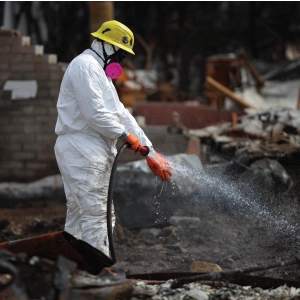
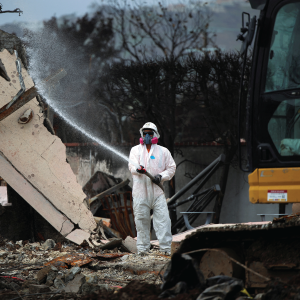



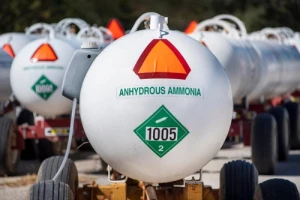
































































































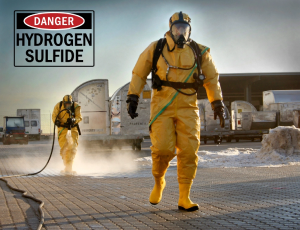

























OSHA Hydrogen Sulfide (H2S) Training (International)
- In accordance with Federal OSHA’s General Duty Clause and ANSI/ASSP Z390.1-2017
- Ideal training for workers exposed to H2S in any industry
- Retraining is required every 2 years as per international requirements
- Offers a self-paced learning experience across devices, from mobiles to laptops
- SCORM-compliant for seamless LMS integration and tracking
- Enjoy a self-paced learning experience from anywhere, 24/7
0.3
Bulk Buying
| Employee | Per Seat |
|---|---|
| 2-10 | $49.49 |
| 11-20 | $48.99 |
| 21-50 | $48.49 |
| 51-100 | $47.49 |
| 101-250 | $46.49 |
| 251-500 | $45.99 |
| 501-1000 | $44.99 |
Course Facts


Training Duration

Learning Type

Course Access Validity

Device Support


Certificate Validity
OSHA Hydrogen Sulfide (H2S) Awareness Training (International) Course Syllabus
This OSHA Hydrogen Sulfide Awareness Training course consists of 5 lessons. Students are required to take each lesson in sequential order as listed below.
Introduction
Lesson 1: Hydrogen Sulfide – An Overview
- Explains the characteristics and physical properties of hydrogen sulfide (H2S).
- Identifies natural and industrial sources of hydrogen sulfide gas.
- Describes the safety and health hazards associated with H2S exposure.
- Explains how hydrogen sulfide interacts and disperses in the environment.
- Outlines occupational exposure limits recommended by recognized safety organizations.
Lesson 2: Hydrogen Sulfide – A Health Hazard
- Summarizes how hydrogen sulfide enters the body through inhalation.
- Explains the biological pathway of H2S once inside the body.
- Discusses acute health effects from short-term hydrogen sulfide exposure.
- Describes chronic health effects from repeated or prolonged exposure.
- Explains how H2S affects major organs and body systems.
- Highlights the importance of medical surveillance for exposed employees.
Lesson 3: Air Monitoring
- Describes the Hierarchy of Controls and its role in exposure reduction.
- Explains the importance of air monitoring in controlling H2S exposure.
- Discusses personal monitoring requirements for at-risk workers.
- Outlines continuous area monitoring program requirements.
- Explains the three types of hydrogen sulfide gas detectors used onsite.
Lesson 4: Hazard Controls
- Explains engineering controls that reduce hydrogen sulfide exposure.
- Describes administrative controls that limit exposure frequency and duration.
- Summarizes PPE requirements for workers exposed to H2S.
- Explains safe work practices when working around hydrogen sulfide.
- Details procedures for safely entering confined spaces.
Lesson 5: Contingency Plans and Emergency Procedures
- Explains precautions and control measures to prevent H2S exposure.
- Identifies emergencies associated with hydrogen sulfide releases.
- Defines the term contingency plan in workplace safety.
- Describes essential elements of an H2S emergency contingency plan.
- Explains employee roles and responsibilities during an emergency.
- Outlines emergency procedures for specific hydrogen sulfide exposures.
Final Examination
Frequently Asked Questions
- To familiarize workers with the properties of hydrogen sulfide and the hazard controls that must be implemented to minimize exposures within safe limits in compliance with OSHA’s General Duty Clause and ANSI/ASSP Z390.1-2017.
- To provide general information and guidelines for workers who may be exposed to hydrogen sulfide (H2S) while in the workplace.
- To protect the health and safety of workers exposed to or with the potential for exposure to H2S when working in occupations and industries which use or produce hydrogen sulfide.
- Fully compliant with OSHA and ANSI/ASSP Z390.1-2017 standards.
- 100% online, self-paced H2S awareness training for flexible scheduling.
- Covers H2S properties, health risks, hazard recognition, and safe work practices.
- Immediate H2S certification issued upon successful course completion.
- Supports employer compliance and improves overall workplace safety.
- Designed specifically for the U.S. workforce and high-risk industrial settings.
- Employees who may be exposed to hydrogen sulfide during work activities.
- Workers in oil and gas extraction and refining operations.
- Mining industry employees.
- Tanning industry workers.
- Pulp and paper processing personnel.
- Rayon manufacturing employees.
- Sewer and wastewater treatment workers.
- Hot asphalt paving crews.
- Agricultural silo and pit workers.
In terms of regulations, this course is fully compliant with OSHA and ANSI standard. However, people working in the US require annual refresher training. This course is not compliant with that retraining requirement. Therefore it is advised to workers based in the US to take this OSHA Hydrogen Sulfide Awareness training instead.
There are no prerequisites for this course.
OSHA's regulations do not specify a set frequency for training renewal, unlike some other OSHA regulations. However, Industry best practices recommend 2-year refresher training for at-risk workers.
Certificate of Completion: Immediately after passing the final exam, you can download, save, or print your certificate in PDF format.
Validity: The course certificate is valid for two years.
Renewal: Simply retake this course every 24 months to maintain compliance and stay current.
Choose Your Ideal Training Format:



Scorm Package


Virtual Instructor-Led
$199.00/Person (minimum 10)

Client-Site In-Person
$750.00/Person (minimum 10)
"My co-worker suggested that I take the H₂S course from HAZWOPER OSHA. It only took me 4 hours to finish it but the best part was that the course covered all the important safety points."



The ROI of Online Safety Training
Discover the value of our efficient alternative to live training, and calculate your return on investment.

Recommended Courses