English and
 Español. After purchase, use the language toggle in your course Player to switch between English and Spanish at any time.

 EN
EN ES
ES










































































Glossary - Stop Work Authority Training
Administrative controls
Corrective actions that change how or when work is done, such as adjusting a procedure, adding a permit requirement, or rescheduling a task to avoid a hazardous condition, rather than removing the hazard itself.
Assessment
The process of gathering information about a reported safety concern, such as what was observed and who or what is affected, in order to understand the immediate situation.
B
No terms found
Confined space
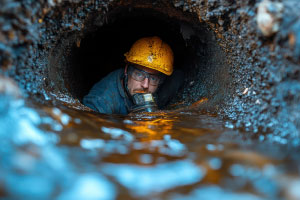
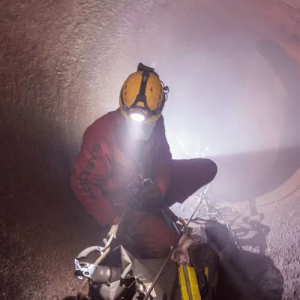
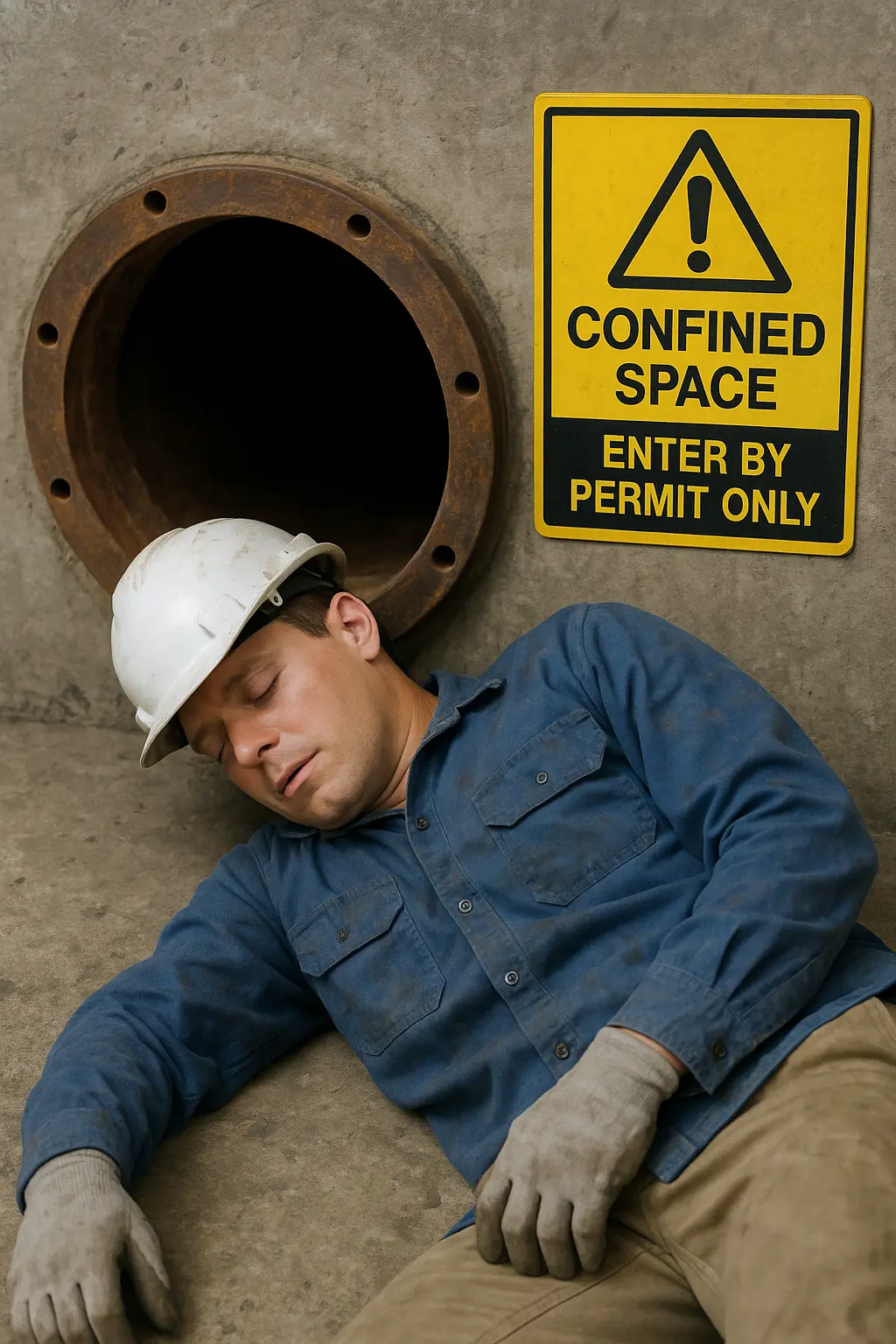
An area large enough for a worker to enter and perform work that has limited means of entry or exit and is not designed for continuous occupancy, such as a tank, vessel, or pit.
Corrective action
A specific action taken to eliminate or reduce a hazard so that work can safely continue or resume.
Documentation
The written record of a stop-work event, including what was observed, who was involved, what action was taken, and how the situation was resolved.
Elimination
A corrective action that removes a hazard entirely, such as permanently taking a damaged piece of equipment out of service.
Engineering controls
Corrective actions that physically separate people from a hazard, such as installing a machine guard, barrier, or improved ventilation.
Escalation
The process of raising a safety concern to someone with greater authority or expertise when it cannot be resolved by the person who first responded to it.
Fear of consequences
A barrier to using Stop Work Authority caused by concern about formal or informal retaliation for calling a stop, even when non-retaliation protections exist.
General Duty Clause
Section 5(a)(1) of the Occupational Safety and Health Act, which requires every employer to provide a workplace free from recognized hazards that are causing or are likely to cause death or serious physical harm.
Hazard
Any condition, object, substance, or behavior with the potential to cause harm, including physical, chemical, biological, ergonomic, environmental, and procedural hazards.
HAZWOPER
The Hazardous Waste Operations and Emergency Response standard, 29 CFR 1910.120, which sets training and safety requirements for workers involved in hazardous waste operations and emergency response.
Incident
An unplanned event that results in injury, illness, property damage, or environmental harm.
Interim measure
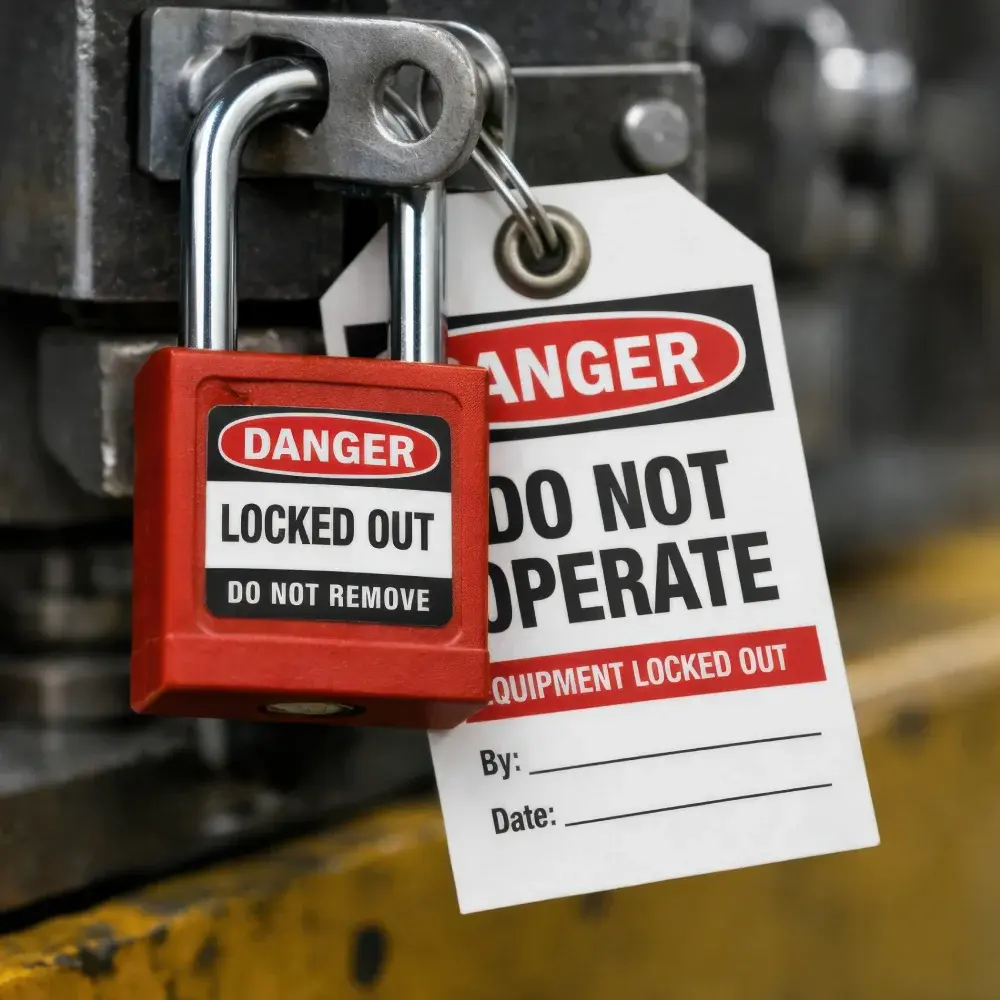
A temporary action taken to keep a situation safe, such as tagging equipment out of service, until a permanent corrective action can be completed.
Investigation
A deeper look into the underlying cause of a hazard, used particularly for serious or recurring safety concerns, going beyond an initial assessment.
J
No terms found
K
No terms found
L
No terms found
M
No terms found
Near-miss
An event that did not result in injury, illness, or damage, but had the potential to do so under slightly different circumstances.
Non-retaliation
A protection ensuring that no employee will face discipline, demotion, reduced hours, exclusion, or other negative treatment for a stop-work call made in good faith.
O
No terms found
Peer pressure
A barrier to using Stop Work Authority caused by concern about how coworkers will react, such as being seen as overly cautious or difficult.
Procedure
The specific, step-by-step instructions someone follows to carry out a task or respond to a situation, such as the exact method used to call a stop.
Process
The overall sequence of stages an activity moves through from start to finish, such as the nine steps of the stop-work process.
Production pressure
A barrier to using Stop Work Authority caused by concern that stopping work will cause delays, missed deadlines, or added cost.
Protocol
The general set of rules a company follows for a category of events, such as stop-work events, including scope of authority, escalation paths, and resumption standards.
Q
No terms found
Recognized hazard
A hazard that is known to the employer or generally known within the industry, whether or not it is covered by a specific OSHA standard.
Resumption
The point at which work restarts after a stop-work event, which should only occur after the hazard is confirmed resolved and a qualified person has authorized it.
Retaliation
Any negative action taken against an employee for exercising a protected safety right, including termination, demotion, reduced hours, or more subtle actions such as exclusion or harassment.
Risk evaluation
The process of weighing a hazard’s severity and likelihood together to determine how urgent a response needs to be.
Severity
How serious the outcome of a hazard could be if it caused harm, judged by the worst reasonably likely outcome.
Stop Work Authority (SWA)
The authority given to personnel on a job site to immediately stop any task, operation, or process they reasonably believe is unsafe, regardless of role, title, or seniority.
Stop Work Authority card
A physical card, often color-coded, that an employee can hold up or hand to a supervisor as a visible signal that work needs to pause, used to halt work in the moment, not to document it.
T
No terms found
U
No terms found
V
No terms found
W
No terms found
X
No terms found
Y
No terms found
Z
No terms found