loader-icon

All courses are now available in United States English and España Español. After purchase, use the language toggle in your course Player to switch between English and Spanish at any time.

All courses are now available in United States English and España Español. After purchase, use the language toggle in your course Player to switch between English and Spanish at any time.

Our Safety Blogs

Success 
A worker cleaning the solar panel.

Are Solar Panels Hazardous Waste?

Are Solar Panels Hazardous Waste? Introduction: Solar panels are the cornerstone of the future transformation of clean energy globally, as they power millions of homes and businesses. However, this green revolution has a challenge: the safe disposal of solar panels as they reach the end of their lifespan. U.S. is predicted to generate up to 1 million tons of solar panel waste, a serious concern about environmental safety and waste management. Some panels contain hazardous materials like lead and cadmium, raising the question: should these be classified as hazardous waste? Companies like Solar Cycle are stepping up with large-scale recycling efforts for solar panels, as they have recycled almost half a million panels in 2024 alone. Yet there is still a considerable risk of improper disposal, and existing regulatory frameworks remain fragmented and insufficient. Are you curious whether solar panels qualify as hazardous wastes and how this growing issue is being addressed? Read our blog post to know if whether solar panels are classified as hazardous waste and what the future holds for their disposal and recycling. What Makes Waste "Hazardous" Under Federal Regulations?  The U.S. Environmental Protection Agency (EPA) under the Resource Conservation and Recovery Act (RCRA) defines hazardous waste as any material that threatens human health and the environment because of its chemical properties and origin. The EPA classifies hazardous wastes on four characteristics: corrosivity, reactivity, ignitability, and toxicity. What are Hazardous Waste Classification Criteria? The hazardous waste should exhibit the following characteristics to be classified under the Resource Conservation and Recovery Act (RCRA). 1. Ignitability: Waste is categorized as hazardous if it catches fire easily. These include materials with a 60°C below flashpoint. In solar panels, the components, such as the back sheet materials made from polymers (polyvinyl fluoride or polyethylene terephthalate), are particularly ignitable. When exposed to high temperatures, these plastic layers can ignite and contribute to fire hazard. Commonly, waste ignitability is tested through the Pensky-Martens Closed-Cup Test (Method 1010A) and the Setaflash Test (Method 1020B). 2. Corrosivity: Waste with extreme pH levels (≤2 or ≥12.5) or that can corrode steel are categorized as hazardous Corrosivity issues in solar panels typically originate from internal elements like electrolyte solutions in built-in energy storage devices (such as lithium-ion batteries) or byproducts of chemical treatments performed during manufacturing (e.g., hydrofluoric acid or sodium hydroxide). If these chemicals leak or are disposed of inadequately, they can harm the environment and safety, particularly during recycling or landfill disposal. The pH elastomeric measurement test (Method 9040) or steel corrosion tests (Method 1110) are used to test the corrosivity of materials. 3. Reactivity: Wastes are categorized as hazardous if they are unstable under normal conditions and can explode, react violently, and even release toxic gases such as peroxides and cyanide-containing wastes. Each waste is explicitly assessed to check its reactivity. Standard tests include Reactive Cyanide Screening Test (Method 9010C) and Reactive Sulfide Screening Test (Method 9034). Materials such as cadmium telluride (CdTe) and copper indium gallium selenide (CIGS) used in solar panels can release toxic gases like cadmium compounds or selenium fumes if the panels are damaged by fire, subjected to high temperatures, or improperly disposed of. Internal batteries or capacitors, if damaged or exposed to heat can react unpredictably and potentially dangerously. 4. Toxicity: Wastes containing harmful agents like pesticides and heavy metals at dangerous concentrations are termed toxic/hazardous wastes. The toxicity of a waste is determined through Toxicity Characteristics Leaching Procedures (TCLP). Solar panels often contain heavy metals like lead, cadmium, and selenium, as well as arsenic and chromium which makes them potentially hazardous. These elements can leach into the environment if not disposed of appropriately, thus making the recycling and disposal of solar panels a serious environmental issue. How do EPA and State-Specific Rules Govern the Hazardous Waste Classification? The national RCRA standards are enforced by EPA in the U.S. However, the 49 states and territories are allowed to implement their own programs only when they meet or exceed the federal requirements. California classifies solid corrosive materials as hazardous (beyond the federal liquid-only criteria). Indiana instructs stricter waste determinations for generators, which demands audits and in-depth analysis. EPA ensures that hazardous materials are safely managed by staying aligned with the RCRA's goals, reducing waste, and conserving resources. Do Solar Panels Qualify as Hazardous Waste? This is a complex question of whether solar panels qualify as hazardous waste under U.S. federal regulations. The answer depends on the solar panel types, composition material, and disposal condition. To find an answer, one needs to understand the detailed composition of solar panels, regulatory classification triggers, variability by panel technology, and testing methods to understand the hazardousness. What Materials Are Solar Panels Made of and Are They Hazardous? Solar panels are made up of multiple layers and materials, some of which may pose environmental risks or are hazardous in nature. Understanding their composition is key to assessing their potential classification as hazardous waste. Silicon: The main semiconductor material is usually non-toxic. It forms the structural foundation of the solar panel. Cadmium: Used in some thin-film panels (e.g., cadmium telluride, CdTe), is very toxic and has severe environmental and health hazards if it gets released. Lead: used in soldering and electrical contacts of solar panels; is a notorious toxic heavy metal that can pollute soil and water. Other Metals: such as copper, indium, selenium, and tellurium, employed in trace amounts for semiconductor layers and electrical contacts; are toxic depending on their concentration. Cadmium and lead are particularly concerning in terms of and raise environmental contamination. Does Hazard Classification Vary by Solar Panel Type? Solar panel's classification as hazardous waste is dependent upon the panel technology:  Silicon-Based Panels (Crystalline Silicon): These are the most popular type in the U.S. market. They have lead in solder and other metals in small amounts. Most silicone panels do not exceed the hazardous waste thresholds. Thin-Film Panels: These include the CIGS and CdTe-based solar panels. They contain cadmium and other heavy metals in higher concentrations. This increases the likelihood of classifying these solar panels as hazardous waste on the basis of the leaching test toxicity levels. Therefore, thin-film panels are mainly categorized as hazardous waste, and their regulations are different from those of silicon-based panels, although both types need evaluation first. What Conditions Cause Solar Panels to Be Classified as Hazardous Waste? Solar panels can be classified as hazardous waste if the lead or cadmium levels reach harmful environmental levels. This classification generally applies under specific conditions which are mentioned below: If solar panels are Broken, crushed, and damaged panels, they pose an increased risk of leaching, making them toxic or hazardous. Panels that fail the Toxicity Characteristic Leaching Procedure (TCLP) Test indicate that the hazardous metals' levels exceed the EPA regulatory limits. The TCLP is a laboratory test with a defined standard created to replicate the leaching procedure in a municipal landfill, where trash is subjected to acidic environments over time. By simulating this environment, the test determines if toxic chemicals can seep into adjacent soil and groundwater with considerable potential for posing serious threats to public health and the environment. If a waste fails the TCLP, it is defined as 'hazardous waste' by the Resource Conservation and Recovery Act (RCRA) and must be managed, transported, treated, and disposed of by stringent federal and state hazardous waste guidelines. Panels that are discarded rather than sent for proper recycling are also treated as per the hazardous waste rules. If panels are sent to certified recyclers and meet the EPA's recycling rules, they might not be considered hazardous waste, regardless of whether they contain hazardous materials. How to Responsibly Dispose the Solar Panels? 1. Classification and Handling of Waste: Businesses must correctly assess whether the solar panels contain toxic substances and then follow regulations accordingly. 2. Hazardous Waste Compliance: pIf solar panels are considered hazardous, they should be stored, transported, and disposed of by certified handlers according to the EPA and state regulations. Taking the services of certified recyclers helps to stay environmentally sustained and legally compliant. 3. Reporting & Documentation: A detailed record should be kept regarding the panel testing, disposal, and recycling activities. However, some states need to report to environmental authorities in a formal manner. 4. Training for employees handling Solar Panel Disposal Businesses should get proper training for the employees tasked to dispose of the solar panels. It is a serious job and taking it lightly can lead to serious environmental damage. You may hire certified experts to provide in-house training or get online Hazwoper Training and implement safe disposal processes customized to their requirements. Conclusion Solar panels power a greener future, but their end-of-life handling is as important as their installation. Although not all panels are dangerous, some, particularly older or broken ones, pose environmental threats when handled improperly. Companies must remain educated, test when necessary, and work with certified recyclers to stay compliant and sustainable. At HAZWOPER OSHA TRAINING, we are providing hazardous waste manifest training to help companies and recyclers understand the effective management of hazardous waste. Clean energy shouldn't leave a dirty legacy. Solar can be a genuine part of the solution using thoughtful planning and good disposal. References Environmental Protection Agency, May 2, 2025, End-of-Life Solar Panels: Regulations and Management, https://www.epa.gov/hw/end-life-solar-panels-regulations-and-management .fancy-line { width: 60%; margin: 20px auto; border-top: 2px solid #116466; text-align: center; position: relative; } .fancy-line::after { content: "✦ ✦ ✦"; position: absolute; top: -12px; left: 50%; transform: translateX(-50%); background: white; padding: 0 10px; color: red; }
Read More
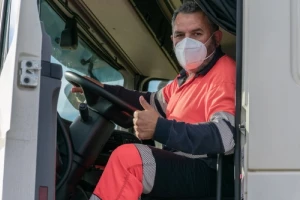
A Commercial Driver Standing In front of his Truck.

Your Complete Guide to Starting a Commercial Driving Career

Your Complete Guide to Starting a Commercial Driving Career Introduction: Thousands of drivers begin their journey in the commercial driving world yearly, but most are unprepared for the rigorous Entry-Level Driver Training (ELDT). Many ELDT trainees still struggle to acquire the hands-on skills and knowledge needed to pass the CDL test and drive commercial vehicles, regardless of the FMCSA's efforts to standardize Entry-Level Driver Training. Due to insufficient preparation, when drivers face complex maneuvers, tight turns, and highway hazards, they lead to costly accidents and job setbacks. Many learners face issues such as confusion about prerequisites, completing mandatory drug screenings and finding authentic FMCSA-registered training provider. This blog post will help you understand the prerequisites that must be met before starting ELDT training. What is ELDT and Why Does it Matter? The Entry-Level Driver Training (ELDT) is a federally authorized program established by the Federal Motor Carrier Safety Administration (FMCSA) to lay guidelines for new commercial drivers. The ELDT Training is for individuals applying for their CDL ELDT Class A or Class B Commercial Driver's License (CDL), those upgrading their CDL and those who are seeking the CDL endorsements, including the Passenger (P), hazardous materials (H) or the CDL school bus (S). The EDLT training covers detailed theory instructive topics, including safe driving tips, regulations, vehicle inspection, and behind-the-wheel practical training so drivers are competent and safe before taking their CDL tests. What are Prerequisites You Must Meet Before Starting ELDT? Before starting your career as a commercial driver, it's important to understand and fulfill all ELDT prerequisites to save time and avoid delays. 1. Meet the Minimum Age Requirement The ELDT aspirant must meet the federal and state age criteria: The minimum age for driving within the state is 18 years, allowing you to operate commercial vehicles. For the interstate driving and Hazmat endorsement, the minimum age is 21 years old. The federal government mandates this age rule. 2. Proof of U.S. Citizenship or Legal Residency The trainees must offer the documents to prove that they are legally allowed to work in the U.S. These include a passport, birth certificate, work authorization and permanent resident card (Green Card). U.S. citizenship proofs shows that you meet the federal identity and employment eligibility requirements for commercial drivers. 3. Valid Driver's License The trainees must hold the standard non-commercial driver's license. 4. Clean Driving Record The aspirants for CDL must not have any major traffic violations and DUIs in their record. What Is the Roadmap for Getting into ELDT Training, CDL Endorsements, and Upgrade Training? Before you start your driving career, follow these important steps to ensure your complete readiness and compliance. Following is the clear roadmap of how to get your ELDT training, endorsements and license upgrade: 1. Pass the Department of Transportation (DOT) Physical Exam The CDL aspirants should be medically fit to drive commercial vehicles. They must pass the DOT physical exam and get a Medical Examiner's Certificate for up to 2 years. 2. Getting Your Commercial Learner's Permit (CLP): First, study your state's CDL manual, which is available online. Then, visit your local DMV to get your CLP. You must submit the required documents for CLP, such as your SSN, ID, and medical certificate. Then, you take the written knowledge tests that include general knowledge and specific knowledge about vehicles. After passing your written test, the last step is to pass a vision test. If you pass, you'll receive a CLP, valid for 180 days. 3. Enroll in ELDT Training: As of February 7, 2022, you must finish ELDT from an FMCSA-listed training provider before attempting the CDL skills test. Pick up a training provider registered in the FMCSA's Training Provider Registry (TPR). Opt for an ELDT course that covers both theory and Behind-the-wheel training. It's important to train with an FMCSA-approved provider because only they can submit your training records directly to the FMCSA for verification—a mandatory step before you can take the CDL skills exam. 4. Select the CDL Class You Desire: Class A CDL: It is the most comprehensive and diverse license. It permits you to drive combination vehicles weighing 26,001 pounds or more and towed units weighing more than 10,000 pounds. Some examples include tractor-trailers (18-wheelers), flatbeds, and tanker trucks. You can legally drive most Class B and Class C vehicles with a Class A license. That's why it's so well-liked for new drivers seeking better-paying, long-haul, and interstate work. Class B CDL: This is for driving single trucks with a GVWR of 26,001 pounds or more but not towing a trailer greater than 10,000 pounds. It entails trucks such as box trucks, dump trucks, delivery trucks, and straight buses like school buses or city transit buses. Class B jobs tend to be regional or local, with shorter routes and steady schedules, which some drivers like because it allows for better work-life balance. Class C CDL: This category is for smaller commercial vehicles not in Class A or B but transport people (such as vans or minibusses) or haul Hazmat in small quantities. A Class C is usually required for work such as airport shuttle drivers, some medical transport, or Hazmat couriers. 5. Make Endorsement Choices (Optional but Highly Recommended) Endorsements permit you to operate specialized vehicles and can increase your earning power. You may apply for: H – Hazardous Materials (Hazmat) N – Tank Vehicles (Tankers) X – Hazmat + Tanker Combined P – Passenger Vehicles (Buses) S – School Buses T – Double/Triple Trailers All endorsements need to pass a separate written test. Those applying for the Hazmat H endorsement must pass the TSA background check and fingerprinting before beginning ELDT. Background checks are necessary for national security and for federal law so that only qualified applicants can deal with hazardous materials. 6. Take the CDL Skills Test After you have finished your ELDT: Wait a minimum of 14 days after getting your CLP. Make an appointment with your DMV or third-party examiner to take your skills test. The CDL skills test includes the topics such as the Pre-trip inspection, basic vehicle control, and on-road driving test. 7. The Completion of Theory and the Back-Bodies (BTW) Training Principal Training: All new CDL applicants must complete a theory (knowledge-based) training course from a provider listed on FMCSA's Training Provider Registry (TPR). Back-The-wheel (BTW) training: In addition to theory, applicants have to complete BTW training, including both a range (closed course) and public road driving segment. They require performing practical driving abilities. Range training focuses on developing vehicle control skills in a controlled environment. Public road training involves operating a vehicle in real-world traffic conditions. Presenting training records to FMCSA TPR: Following the successful completion of both Principles and BTW training, it is necessary to present the training record to the training provider in the FMCSA Training Provider Registry. After completing your training, providers must submit this information by midnight of the next business day. Verification of your Training Record: You can verify if your training has been recorded by visiting the official FMCSA TPR record check page: https://tpr.fmcsa.dot.gov/check. This portal enables CDL applicants to verify that their training is properly logged and available for state licensing agencies before taking the CDL skills test. 8. Receive Your CDL License After passing your skills test, you will be issued your Commercial Driver's License (CDL). You're now legally permitted to drive commercial vehicles depending on your CDL class and endorsements. Common Mistakes New Drivers Make Before Starting ELDT  1. Misunderstanding Eligibility: Many newbie drivers believe they can enroll in the ELDT training without meeting all the eligibility requirements, including a valid Commercial Learner's Permit (CPL) or age restrictions. The misunderstanding of eligibility criteria causes time wasted and delays as the drivers must meet the criteria before enrollment is allowed. 2. Choosing Unaccredited Providers: Choosing an unregistered training provider that is not accredited with the FMCAS is another common and costly error. Training from unaccredited sources may not meet federal standards, meaning the completion records won't be accepted by state licensing agencies. This can result in retaking training and delaying CDL certification and employment. Ensuring your provider is FMCSA-registered is crucial for valid and recognized ELDT completion. 3. Underestimating Commitment and Time New drivers mostly miscalculate the time, finances, and effort needed for ELDT training. ELDT training requires learners to go through classroom theory and have behind-the-wheel practice that requires weeks of learning contingent upon the program. Most students get exhausted by the overwhelming schedule, studying for the tests and exams and mastering the skills required. Unpreparedness for tests can cause the learners to rush during preparation, poor performance and increased stress levels. 4.Ignoring Hazmat-Specific Regulations Those who want to get Hazmat endorsement sometimes overlook the additional requirements, such as the TSA background checks and fingerprint before starting the ELDT. By ignoring these prerequisites, learners can significantly delay licensing and training. Due to major safety concerns, hazmat-specific regulations are strict. Those who fail to comply cannot proceed with the endorsement process. What are the Hidden Costs of ELDT Training? Apart from the upfront tuition costs of the ELDT training, many hidden expenses catch aspiring drivers off-guard if they are not prepared for them in advance. Apart from the course fees, the drivers should also keep a budget for the DOT physical exams, fingerprinting, drug screenings, and DMV testing fees. Similarly, some training providers also need you to purchase your study materials. Some students must also purchase safety gear such as steel-toe boots or PPE-like high-visibility vests and sometimes access to vehicle simulators or third-party driving time if they are not part of the core package. If you are training in a different state or city, consider the expenses of travel, meals and lodging. These hidden expenses can add up hundreds of dollars to your total investment. To avoid these dumbstruck, ask your training providers for a complete breakdown of the total costs and budget. Also, keep a financial buffer for unexpected requirements, as financial prep is equally important as being ready for the road. Conclusion Beginning your journey as a commercial driver can be intimidating, but it doesn't have to be. By investing the time in learning what's required and preparing for your ELDT, you're paving the way for a smoother, more confident journey ahead. Remember that every great driver started right where you are today with questions, doubts, and the will to succeed. Be curious, ask questions when needed, and commit to your training with attention and perseverance. The journey ahead is lined with possibility, and with the proper foundation, you'll be ready to put the pedal to the metal and take your career where it's meant to go. In addition, these ELDT courses aren't merely assisting you in complying with federal regulations. They provide you with a genuine competitive advantage in the modern job market. In a mere 15 hours, the Class A ELDT course has you ready to drive Class A vehicles, with opportunities for long-haul trucking, heavy hauling, and better-paying jobs.  The 15-hour Class B ELDT course prepares you to work driving buses, delivery trucks, and other medium-duty vehicles in high demand.  Already hold a Class B? The 12-hour upgrade to Class A enhances your credentials, enabling you to fill more diverse positions and achieve higher earning capacity.  These training are building blocks—not merely to compliance, but to a more robust, adaptable career path in commercial driving. .fancy-line { width: 60%; margin: 20px auto; border-top: 2px solid #116466; text-align: center; position: relative; } .fancy-line::after { content: "✦ ✦ ✦"; position: absolute; top: -12px; left: 50%; transform: translateX(-50%); background: white; padding: 0 10px; color: red; }

Read More
A hazardous waste container.

Could Misinterpreting Hazardous Waste Codes Put Your Facility at Risk?

Could Misinterpreting Hazardous Waste Codes Put Your Facility at Risk? Introduction:  The United States dealt with 36 million tons of hazardous waste materials in 2024. The average household contributes around 30 pounds per year, a notable figure highlighting the large scale of hazardous waste generation. This growing volume comes with huge consequences, as we see a sharp rise in fatalities in the waste management industry. The fatality rate among the refuse and recyclable material collectors has almost doubled from 22.6 to 41.4/10000 workers in 2023, attributed to transportation incidents. In addition, mishandling and improper disposal of hazardous waste are the leading causes of recycling facility fires, accounting for up to 15% in 2024. Apart from being a threat to humans, hazardous waste is a serious environmental risk, contaminating the soil, wildlife, and water. Hazardous waste spills or improper disposal cause long-term effects, including DNA mutation and ecosystem damage. Hazardous waste management becomes difficult, especially for those who are not familiar with waste codes. This blog post will explain the science behind the hazardous waste codes, highlight their significance, and provide practical tools and resources for waste management.  What Are Hazardous Waste Codes and Why Do They Matter? The hazardous waste codes help identify the hazardous nature and characteristics of waste material using alphanumeric labels. They classify wastes based on their origin, chemical composition, and risk factors, including reactivity, ignitability, and toxicity. EPA categorizes hazardous wastes into four main categories:  F-List represents waste that comes from industrial processes. K-List represents waste from specific industries. P-List and U-List are made for discarded commercial products. The P-list wastes are acutely hazardous, while U-List wastes are less acutely toxic. Correct identification of these hazardous waste codes is non-negotiable as they determine how the waste must be handled, treated, transported, and disposed of to keep human health safe, along with the environment.  Who Assigns These Codes and Where Do You Find Them? The primary authority that assigns the hazardous waste codes in the United States is the Environmental Protection Agency (EPA), by Title 40 of the Code of Federal Regulations (CFR), Part 261. The hazardous waste lists and codes from the EPA are available to the public through regulatory documents and databases. In addition, other jurisdictions, such as Australian states, have their waste classification systems with different codes and tools to help waste generators correctly classify and stay compliant. Everyone involved in waste management should know where to find and how to interpret these codes to ensure the lawful handling of hazardous waste materials. Common Mistakes While Identifying Codes Mishandling and misidentifying hazardous waste bring strict legal, safety, and financial consequences. The EPA imposes strict penalties for such violations, including civil fines reaching up to $25,000/day of non-compliance. The criminal penalties can bring fines up to $50,000/day and even imprisonment for willful and serious violations. The common mistakes regarding the hazardous waste codes include the incorrect labeling of containers and wrong hazard classification, which increases the risk of accidents, including fires, spills, and toxic exposures. While identifying hazardous waste codes, keep in mind the following points:  1. Assuming all Industrial Waste is Hazardous: Not all industrial by-products are hazardous. Misclassification of hazardous waste causes unnecessary costs and regulatory burdens. For example, the wastewater from food processing is contaminated, but it doesn't fall into the hazardous waste category. Unnecessary permitting, increased disposal costs, and potential violations are some of the consequences of misclassifying such materials. One real-life incident was in a manufacturing facility in Ohio that misclassified its non-hazardous sludge as hazardous, resulting in more than $100,000 in additional disposal fees. 2. Overlooking Exemptions and Exclusions: Overlooking regulatory exclusions can lead to mislabeling non-hazardous wastes as hazardous. Under 40 CFR §261.4, the EPA exempts certain materials, such as agricultural waste, household hazardous waste, and specific types of recycled waste, from hazardous waste regulations. For example, used oil that is properly recycled does not qualify as hazardous waste. In 2011, A California company was fined for failing to apply the legitimate recycling exemption and storing used Oil as hazardous waste without the required permits. 3. Failure to conduct Proper Testing:  Relying solely on process knowledge without using analytical testing can lead to incorrect waste code assignments, particularly for wastes with variable compositions. For example, the composition of solvent batches may change depending on the production cycle. Without analytical testing, characteristics such as ignitability or toxicity may be overlooked. A Texas-based paint manufacturing facility caught fire due to improperly stored waste solvents that had not been properly tested for ignitability (D001 characteristics), causing worker injuries and EPA violations. 4. Misinterpreting Waste Listings:  Confusion among the four EPA lists (F, K, P, U) often leads to misclassification. These codes require precise matching based on waste source and description: F-List: Covers Non-specific source waste, such as the spent solvents like F003-F005. K-List: It includes source-specific wastes, such as K050 from petroleum refining. P-List and U-List: They include discarded commercial chemical products. A common mistake is using a stricter P-Code instead of the appropriate U-Code, triggering unnecessary regulatory requirements. In New Jersey, a pharmaceutical company misclassified 30 containers of expired drugs, leading to $250,000 in fines. Similarly, recent real-world examples include Walmart fined $7.5M as their California stores mislabeled and failed to code aerosols, batteries, electronics, and other materials from 2015 to 21. As a part of the settlement, Walmart must conduct third-party waste audits for four years.  5. Disregarding Updates in Regulations:  Hazardous waste codes and listings get updated with time, so using outdated information leads to non-compliance. Codes and criteria are periodically updated by the EPA. In 2015, the EPA revised the solid waste definition (DSW rule), affecting the classification of some recyclables. Those who fail to adjust to the revised hazardous waste identification practice face several enforcement actions. A real-life case study is Michigan's metal plating facility, which continued using pre-2015 classifications. As a result, it misclassified the D008 (lead) waste streams and disposed of them improperly, leading to regulatory violations. 6. Overlooked Mixed Waste Characteristics:  Some wastes may exhibit both listed and characteristic hazardous waste properties, requiring careful evaluation before assigning the correct codes. For example, a solvent waste may be on the F-List and possess both ignitability (D001) and toxicity (D035 for methyl ethyl ketone). Assigning only one code can create confusion during storage, transport, or treatment. In Nevada, a chemical manufacturer failed to identify the dual characteristics of a waste stream. Incompatible waste storage led to an explosion at the storage site, injuring two workers and triggering investigations by OSHA and the EPA. Hazardous Waste Codes, Regulatory Requirements, and Compliance Tips The hazardous waste management in the U.S. is mainly managed by the Environmental Protection Agency (EPA) under the Resource Conservation and Recovery Act (RCRA) of 1976. This act develops a detailed framework that classifies, stores, transports, and safely disposes of hazardous waste. EPA sets the federal standards, but many states have been permitted to manage their hazardous waste programs, given that their regulations are as stringent as the federal requirements. This dual system enables businesses to comply with the federal regulations and the applicable state-specific rules that can include additional requirements. The primary federal compliance points include proper hazardous waste containers, timely removal of wastes from sites, use of approved storage methods, and ensuring that certified carriers transport the waste, along with proper documentation. It is ideal to monitor the regulatory updates, such as the 2025 e-Manifest digital tracking system to keep up with compliance. How to master hazardous waste classification? To assign F-, K-, P/U-, and D-codes correctly—and avoid costly missteps—look for targeted RCRA courses that focus on classification, testing, and code implementation. On hazwoper-osha.com, three core offerings will equip your team to identify and apply the right waste codes every time: 1. RCRA Hazardous Waste Generator Training A 4-hour course available as self-paced online, virtual instructor-led, onsite, or in SCORM-compliant package. This course enables learners to navigate the 40 CFR 260–268 lists, distinguish F-, K-, and P/U-List wastes, and perform basic lab tests for ignitability, corrosivity, and toxicity. Ideal for very small to large quantity generators, facility managers, laboratory technicians, and safety officers responsible for initial waste classification. Key Outcomes Correctly assign F/K/P/U codes using EPA’s online lookup and state appendices Identify D-codes (D001–D043) through simple laboratory or field tests Document and justify your classification decisions on manifests 2. RCRA Hazardous Waste Generator Refresher Training This refresher training of 2 hours is available in flexible formats, too. Be it online, virtual instructor-led, onsite, or SCORM. It allows you to update your knowledge on recent amendments to 40 CFR §261–262, sharpen code-assignment skills with quick-reference exercises, and learn best practices for testing variable waste streams. Tailored for teams who completed initial generator training over a year ago, including compliance officers and waste coordinators. Key Outcomes Apply the latest list and characteristic rule changes in your state Rapidly determine correct D-codes through scenario-based quizzes Implement a simple annual retest protocol for fluctuating waste compositions 3. Hazardous Waste Manifest Training A 3-hour course that is perfect for shipping clerks, DOT specialists, and waste coordinators handling cradle-to-grave documentation. Available as live virtual instructor-led sessions, onsite workshops, self-paced online, or SCORM. It allows you to master the completion of EPA’s paper and electronic manifests, troubleshoot common coding errors, and seamlessly integrate classification decisions into shipping paperwork. Key Outcomes Accurately fill out and submit paper and e-Manifests with the correct EPA codes Navigate the e-Manifest portal and resolve manifest rejections swiftly Link your waste-code rationale directly to manifest entries for audit readiness By investing in the proper training and professional guidance, one can practically stay compliant, avoid fines, and keep the environment clean and healthy. The Bottom Line:  The science of hazardous waste codes may initially feel overwhelming, but it is a major responsibility of any facility that handles and generates dangerous materials. Missteps in the hazardous waste codes cause serious legal, financial, and safety repercussions, leaving no room for guesswork. No matter whether you are managing waste in a lab, construction sites, or a manufacturing facility, with clear and accurate classifications, you can save lives, protect the environment, and stay compliant.References: HWH Environmental, Hazardous Waste Statistics to Know in 2025, https://www.hwhenvironmental.com/facts-and-statistics-about-waste/Eisner Gorin, Hazardous Waste, https://www.thefederalcriminalattorneys.com/hazardous-waste

Read More
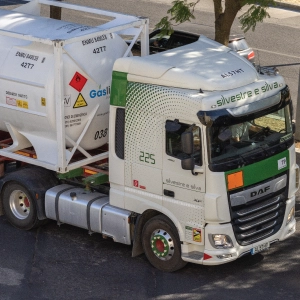
A worker carrying the radioactive materials container.

Could a Packaging Oversight in Your Radioactive Shipment Spark a Public Safety Crisis?

Could a Packaging Oversight in Your Radioactive Shipment Spark a Public Safety Crisis? Introduction: More than 20 million shipments of radioactive materials are sent across the globe annually, serving vital sectors such as medicine, energy, agriculture and research. However, a haunting reality lies behind these numbers: 147 incidents involving unauthorized and illegal movement of nuclear and radioactive materials were reported in 2024 alone. Even more concerning is that these shipments also include a rise in contaminated goods, such as used pipes that enter the supply chain unnoticed. Notably, 65% of reported radioactive materials theft over the past decade happened during transportation, making transit the most vulnerable link in the chain. These numbers are not merely statistics but highlight the risks posed by poor packaging and non-compliance with transport protocols. A single mistake in transporting radioactive materials can lead to catastrophic consequences to public safety and global security consequences. The transport of radioactive materials is governed by IAEA that continues to tighten international standards. However, the question remains: Are you packing and transporting radioactive materials correctly, or are you unintentionally leaving dangerous gaps? This blog post will explore the latest regulations, packaging requirements and best practices for transporting radioactive materials. What are Radioactive Materials? Radioactive materials are substances that emits ionizing radiation due to spontaneous decay of unstable atomic nuclei. They emit alpha, beta, gamma, or neutron radiation, which penetrate matter and damage cells and DNA. Risks and Hazards Associated with Radioactive Materials Health Risks: Acute Exposure to Radioactive materials leads to radiation sickness, immune system damage, burns and death. Chronic exposure causes increased cancer risk, genetic damage and reproductive issues in the vulnerable populations. The radiation's routes of exposure include skin contact, ingestion, inhalation and through wounds. Nuclear accidents can contaminate the soil, air, water, food and other environmental factors, presenting permanent health issues. Environmental Risks: The radioactive material incidents and accidents lead to radioactive contamination that affects the water, soil, food, and air, damaging the ecosystem in the long run. These environmental consequences of radioactive accidents last decades and affect the whole ecosystem and wildlife. Business Risks: The radioactive material mishandling and non-compliance with safety standards cause repercussions such as severe financial penalties, legal action, operational closure, and loss of license in extreme cases. That's why regulatory bodies such as OSHA and NRC enforce stringent compliance rules for the shipment of radioactive material. With the help of stringent safety measures, the handling and transport of radioactive materials can be done more safely. Regulations and Safety Standards for the Transport of Radioactive Materials The national and international agencies govern the safe transportation of radioactive materials, including: U.S. Nuclear Regulatory Commission (NRC): It supervises certain users and attests the highly hazardous materials containers, such as the spent nuclear fuel. U.S. Department of Transportation (DOT): It regulates the shippers, sets down the packaging standards, supervises the documentation, emergency responses, routing and training for shipment. International Atomic Energy Agency (IAEA): It sets up the global transport regulations adopted by countries such as the United States to ensure consistency across borders. All these bodies jointly ensure that millions of radioactive materials are transported safely. Relevant Standards and Guidelines for the Radioactive Materials Shipment The radioactive materials shipment regulations are based on stricter packaging and safety protocols, including: NRC (10 CFR Part 71) standards check if the packages are leak-proof, block radiation, and endure normal and accident conditions. The Department of Transportation limits radioactivity per package, imposing detailed labelling, documentation and handling requirements. IAEA governs all transport modes and focuses on the package integrity. It makes the packages pass rigorous tests, including fire, drops and water immersion, before being transported. What are the Packaging requirements for the transport of Radioactive Materials? The radioactive materials are transported through strict regulations established by the U.S. Department of Transportation (DOT) and the Nuclear Regulatory Commission (NRC) in alignment with the International Atomic Energy Agency (IAEA). To transport radioactive materials safely, they must be packaged based on their activity levels, physical forms and possible hazards. Types of Packaging for Radioactive Materials: Excepted Packages: Use for materials with low-radioactivity, need minimal labelling and serve basic containment. It is commonly used in the medical and research labs that ships trace radioactive samples. Industrial Packages (IP-1, IP-2, IP-3): Used for low-hazard materials such as lab samples and contaminated tools. It is designed to withstand normal transport conditions, but not severe accidents. Industrial packaging is utilized in the nuclear power plants, decontamination work and environmental testing. Type A Packages: Used for moderately active materials, such as the radiopharmaceuticals. These packages must pass tests for water spray, stacking, and penetration to ensure integrity during minor mishaps. It is used in the sectors including, healthcare, biotech, and research institutions. Type B Packages: Used for high-activity radioactive materials, including cesium 137, cobalt 60, strontium-90, and iridium 192. Such materials must withstand severe accidents such as immersion, fire and heavy impact, while remaining intact. This packaging type is utilized in the industrial radiography, nuclear energy and radioactive waste disposal services. Ensuring Radioactive Material Packaging Integrity and Inspection All radioactive material packages must be properly checked and inspected to ensure structural integrity before shipment. Inspection of radioactive materials includes checking for corrosion, faulty seals, cracks, and any other damage that is a threat. The regulatory bodies require maintenance records and periodic testing, particularly for reusable packages like Type B containers. With the help of strict inspection protocols, one can prevent leaks, radiation exposure and environmental contamination while transporting. Correct Modes of Transport for Radioactive Materials Strict safety and regulatory compliance are required for the safe transportation of the radioactive materials, including: Road: It is the most common transport route for short to mid-range hauls. The radioactive materials vehicles must have placards displayed, and the driver must have specialized training. The transport routes must be far from human population to reduce public exposure. The packages must be inside sealed cargo and have real-time tracking security. Those transporting radioactive materials via road should be trained in these areas before working. They should be aware about regulations pertaining to hazardous materials and how to recognize radioactive materials. Rail: It is best suited for transporting heavy shipments. The railcars are secured and marked, and routes must be selected to avoid sensitive and populated areas while staying coordinated with authorities. The railways workers must coordinate with the state, local and federal authorities before sending the shipment to ensure public safety and regulatory compliance. In addition, the radioactive material packages must be packaged in accordance with the DOT (49 CFR) and NRC (10 CFR Part 71) standards. The packages must be placed inside the appropriate Type A or Type B containers. Those transporting radioactive materials by rail must be trained to know the hazardous and radioactive materials regulations. They should also be trained to deal with the function-specific roles such as loading the railcars, securing the packages, and proper documentation. They should also know security measures for high-risk shipments. Air: The most highly regulated transport route. It only allows low to medium activity materials. Transportation through this route needs Type C packaging. The shipment requires pre-approval and should meet the aviation safety standards. Radioactive materials shipment via air needs pre-approval from the relevant authorities before shipping. These shipments should also be following the ICAO and IATA Dangerous Goods Regulations, along with the DOT (49 CFR 172) and NRC (10 CFR 71.5). Those who transport radioactive materials through the air must be trained to understand the risks related to radioactive materials and their applicable regulations. Based on their roles, the shippers must get the function-specific training regarding the air transport documentation, emergency responses, and handling procedures. They also complete the security awareness training to handle the possible threats. Sea: This route is suitable for international and bulk shipments. Sea shipments must comply with the IMDG Code and IAEA regulations. The shipment containers must be secured and placarded. The shipment ports must coordinate closely with regulators. Those who ship via sea must be trained and know the IMDG Code Training, which covers handling sea-specific hazardous materials. They should also be trained by the radiation safety & hazmat training (49 CFR) standard. Every transportation mode sticks to the national and international regulatory levels to allow safe delivery. Training and Compliance for Radioactive Materials Transportation Those employees transporting the radioactive materials, termed the ''hazmat employees'' must be trained before they start working. The handlers, shippers, loaders, and drivers must be trained as per DOT (49 CFR 172, Subpart H) and NRC (10 CFR 71.5) regulations. Required Training Covers: General Awareness Training that covers the hazardous materials regulations and recognizes radioactive materials. Function-specific training covering role-based documentation and packaging training, etc. Security Awareness Training that teaches identification and picking out the security threats. In-depth security training is meant for high-risk shipments and covers threat response and security plans. Modal-specific training is additional training depending on the transport method, such as rail, air, road, and sea. Before starting the duty, the resources must be trained initially, and refresher training must be provided after every three years (sooner in case of changes in regulations). With the help of comprehensive training, correct records and consistent training audits, one can ensure safe, compliant and effective transport of radioactive materials. The Wrap-Up: The radioactive materials transport and shipment is a serious job that requires responsibility, safety and compliance. With all the rules and regulations, labels, and paperwork included, shipment of radioactive materials can be overwhelming. This is when need of proper training comes into play. The shipment of radioactive materials is more than a checkbox; it provides peace of mind, as the team is working right and keeping everyone safe all along. At HAZWOPER OSHA Training LLC, we are helping employees and companies by offering training courses to help them handle hazardous material shipments confidently. Our DOT HAZMAT Training suite is made so your team can comply with transport regulations. We also offer the Hazardous Waste Manifest Training to help employees manage hazardous waste effectively. Those who work in this sector should get training, as it is a must. So, choose your preferred course, get enrolled and certified today! References: International Atomic Energy Agency, Transport security, https://www.iaea.org/topics/transport-security

Read More
A group of scientists in a lab with chemicals.

Choosing the Right Protective Gear for Medical and Hazmat Triage in Contaminated Zones

Choosing the Right Protective Gear for Medical and Hazmat Triage in Contaminated Zones Introduction: At present, the global health crises and industrial accidents have contamination risks, making the selection appropriate PPE a vital decision for medical professionals and emergency responders. The global hazmat suits market is valued at $8.34 billion in 2024 and is projected to reach $12.39 billion by 2031. These stats emphasize worker safety across different industries, especially in healthcare, which dominated the market with a 26.74% revenue share in 2024. Thanks to modern technology that enables the development of lighter, more comfortable, and chemically resistant materials, today’s PPE offer unmatched safety without compromising mobility. For example, the MIRA safety HAZ-SUIT protects against over 125 chemicals, including warfare agents and toxic industrial chemicals. With new infectious diseases emerging and ongoing industrial hazards, understanding the difference between Level A, Level C, and other protective gear is a must. This blog post will guide you in selecting the right protective equipment and ensure you are equipped to operate safely in contaminated environments with your team. Why Standard Medical PPE Isn’t Enough for Contaminated Zones?Why Wear Protective Gear in Contaminated Zones?  As you enter contaminated zones, using protective gear is not an option; it is your frontline defense. The emergency responders- the first and last line of protection- can become casualties without the proper protection. This makes using specialized PPE not just a safety measure but a critical necessity. Chemical and Biological Exposure Prevention  In contaminated zones, threats like pathogens, toxic vapors, and corrosive agents require more than basic safety barriers. protective gear, such as level B suits with respirators, act as critical barriers, cutting exposure risk by up to 95%. Without wearing the Level B suits, responders risk respiratory failures, burns and infections. Why Triage in Contaminated Zones Demands More Than Medical PPE  Standard medical PPE is not designed for hazardous zones. In hazardous environments, triage operations need PPE that protects against chemical and biological threats. Hazmat suits with sealed seams and SCBA offer dual-layer protection that basic gloves and gowns don't. Protecting Both Responders and Victims During High-Risk Scenarios  Responders must wear PPE to protect others. Similarly, in high-risk zones, contaminated patients can spread toxins. proper PPE ensures safe treatment, prevents further exposure and helps maintain emergency response operations FEMA stresses the need for layered protection, including training, specialized gear, and decon protocols. More than just a shield, protective gear in contaminated zones enables effective response; it is a lifesaver and restricts the spread of hazards. Investment in the right training, equipment, and protocols ensures responders' safety and operations continuity in hazardous environments. How to Choose the Right Hazmat Suit for Triage? The OSHA Protection Levels Overview (A-D) OSHA defines four main protection levels for Hazmat suits, each designed to address specific hazards: Level A: provides maximum protection with a fully encapsulated suit and SCBA. It is used for dangerous and unknown threats, such as toxic gases and chemicals. Level B: Provides high respiratory protection (SCBA) and medium skin protection. It is designed for situations where respiratory hazards are present, but skin contact risks are lower. Level C: This category includes air-purifying respirator (APR) and chemical-resistant clothing. This is used where air quality is sufficient, and risks are controlled. Level D includes basic coveralls and provides minimal protection for low-risk environments without inhalation hazards. Why Level B is Ideal for Triage? Level B suits offer the ideal balance of protection and mobility for triage operations in contaminated zones. They provide respiratory protection of Level A suits, a must in areas with airborne toxins but less constraining. They are also splash-resistant, allow for improved mobility and reduce heat stress. These factors make Level B suits lighter, more affordable and less and expensive than the Level A suits. They also offer stronger protection than level C suits, which rely on APRs, and are best suited for environments where the air is breathable but hazards are still present. For rapid response triage operations level B suits are the most effective and perfect option. Also, triage environments may involve unknown airborne hazards with minimal ed direct skin exposure, making Level B suits the most optimal choice. Top Recommended Level B Suits to Choose From Here are the top hazmat suits recommended for triage scenarios requiring Level B protection include: DuPont Tychem TK: This suit offers high chemical resistance and durability, making it suitable for a wide range of toxic industrial chemicals and other hazardous materials. Lakeland Interceptor Plus: It offers splash protection, has robust construction and SCBA compatibility , making it a trusted choice for emergency responders. AlphaTec VPS: It provides a flexible, reliable, and comfortable barrier against chemical splashes and offers long-term support in challenging environments. By choosing the right Level B hazmat suit, responders can ensure safety and operational effectiveness in triage zones. Top Features to Look for In the Triage PPE When dealing with emergencies, PPE is essential at triage site, not just for safety but for speed and efficiency. So, when you choose PPE for triage operations, look out for these top features: 1. Rear-Entry Design and Bright Color for Visibility Rear-entry suits allow quick donning and doffing, which is helpful during emergency triage. bright colors, such as neon yellow and orange, improve visibility in emergencies low-light and smoky environments, thereby improving team coordination and safety. 2. ASTM F1001 Chemical Splash Resistance PPE compliant with ASTM F1001 standards allows maximum protection against chemical splashes, a notable hazard in contaminated zones. ASTM certification guarantees that the suit's material can withstand penetration from a wide range of hazardous chemicals. 3. PAPR Compatibility, SCBA Ports and Sealed Seams Effective respiratory protection requires compatibility with Powered Air-Purifying Respirator (PAPR) and Self-Contained Breathing Apparatus (SCBA). Sealed seams prevent chemical penetration, maintaining the integrity of the suit when exposed to the aerosols and liquids. 4. Additional Appurtenance: Boots, Gloves and Triage Kits complete triage PPE should include chemical-resistant boots and gloves to protect extremities. Integrated triage kits with essential medical supplies allow responders offer immediate care without compromising mobility or safety. While Hazmat suits are a must for responders' protection in contaminated environments; they are not suitable for every medical scenario. In clinical and surgical settings, these suits pose challenges with precision and sterility. Lack of sterility limits their use in surgical and highly controlled clinical environments, where hygiene cannot be compromised. Their bulky design restricts fine motor control, making delicate medical procedures difficult or even impossible. 5. Incompatibility with Sterile Field Protocols These suits are incompatible with sterile field protocols needed in operating rooms and other clinical settings. They can introduce contaminants into sterile settings. Hence, hazmat suits fail to meet the stringent hygiene standards required for invasive medical procedures. 6. Exceptions in War Zones or CBRN Mass Casualty Events In extreme situations such as biological, chemical, radiological and nuclear (CBRN) mass casualty incidents, hazmat suits can be used, especially in war zones. These exceptions exist to protect responders when sterile protocols cannot be maintained due to high contamination risks. Understanding when and where these suits are needed ensures safety without compromising on the medical care. Best Practices for Deploying PPE in Field Triage In triage operations, the right protective gear is all about precision. Responders must act quickly in dynamic environments to ensure both their safety and the safety of their patient. Effective PPE categorization, depends on zone-based selection classification and consistent training, Hot, Warm and Cold Zone Gear Selection PPE requirements vary by zone classification. Here’s a quick breakdown: Hot Zones: These come with the highest contamination risk, which requires Level A or B suits with complete respiratory protection (SCBA) and chemical-resistant gear. Warm Zones: These are transition areas for decontamination. Appropriate suits are level B or C, with suitable respiratory protection and splash-resistant clothing. Cold Zones: These safe areas with minimal contamination risks require standard PPE, including Gloves and masks. Choosing the correct gear can prevent cross-contamination and maximize responder's safety. Donning, Doffing and Decontamination Training for PPE With the help of comprehensive training, responders can safely put on (don) and remove (doff) PPE without self-contamination. Responders must practice proper decontamination procedures to maintain the suits' integrity and prevent secondary exposure. The training for the triage of PPE should also cover areas such as recognizing heat stress, symptoms of chemical exposures and emergency protocols required for efficient triage in hazardous environments. In field triage, PPE deployment needs more than just equipment. PPE deployment needs awareness, skills, and strategy. By selecting appropriate gear that aligns with the contamination zones and ensuring ongoing training, organizations can safeguard their teams and refine the outcomes in high-stake emergencies. The Wrap-Up: As a responder, emergency planner and safety officer, your job is more than managing gear. It's more of managing lives. In the field triage, every second counts, and PPE malfunctions cost more than time and resources. So, if you are wondering, ''Is this suitable enough?'' or ''What if I missed a training step?'', you are on the right track. These questions alone don't protect the necessary actions. Equip your team with the right tools and train them as if their lives depend on it. So, suppose you are entering the hazardous zones. In that case, comprehensive training like OSHA 40-Hour HAZWOPER Training – 29 CFR 1910.120 (e) and OSHA 24 Hour HAZWOPER Training – 29 CFR 1910.120 (e) provides major insights into contaminated site responses. If you are already trained, then OSHA 8-Hour HAZWOPER (q) Incident Command Training keeps you sharp and ready. All these training programs are available in flexible formats so you can choose what suits you and your schedule. Remember, the chaos of contamination zones doesn't wait for hesitation. So be ready and confident. References: verifiedmarketresearch, Mar 2025, Hazmat Suits Market Size And Forecast, https://www.verifiedmarketresearch.com/product/hazmat-suits-market/ TradeSafe, 25th April 2025, HAZMAT Suit Levels Explained and Top Picks for Each, https://trdsf.com/blogs/news/hazmat-suit-levels .fancy-line { width: 60%; margin: 20px auto; border-top: 2px solid #116466; text-align: center; position: relative; } .fancy-line::after { content: "✦ ✦ ✦"; position: absolute; top: -12px; left: 50%; transform: translateX(-50%); background: white; padding: 0 10px; color: red; }

Read More
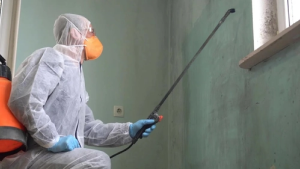
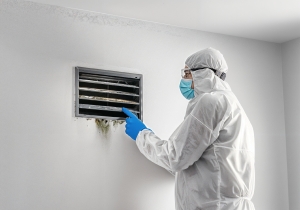
A person removing molds from the wall with spray.

Mold Remediation and Cleanup: A Step-by-Step Professional Mold Remediation Guide

Mold Remediation and Cleanup: A Step-by-Step Professional Mold Remediation Guide Introduction: More than an unsightly nuisance, mold is a silent intruder with long-term consequences for your health, property, and wallet. Backed by recent data, mold-related illnesses are on the rise, thanks to climate change and soaring humidity levels across the globe. Mold exposure can set off allergic reactions, respiratory diseases, and even chronic conditions such as asthma, affecting millions every year. Mold growth is mainly triggered by culprits such as poor ventilation, plumbing leaks, and water damage, and all these issues can escalate swiftly, if not addressed. Molds can spread within 24-48 hours of moisture exposure, making timely and effective remediation a must to protect your property and health. This detailed guide will show you the professional steps required to deal with mold directly and restore a healthy living environment.   Step-by-Step Mold Remediation Process  Mold remediation is a detailed process that needs careful planning and execution. The remediation process includes steps to identify, hold, remove, and prevent the future mold growth. Below are the steps for professional mold remediation: Inspection and Assessment  Mold remediation begins with identification, of both visible and hidden mold growth. This step includes the detailed inspection of the property using professional tools such as the moisture meter to check dampness and infrared cameras to pinpoint hidden moisture sources. With the help of these tools, you can identify the areas where molds grow the best, leaving no possible growth sites overlooked. Mold inspection should cover all areas of the property, such as the attic, basements, and behind walls, where mold tends to thrive. In addition, themold inspector should also look for signs of water damage, poor ventilation, and leaks, as these issues contribute to mold growth.   Containment of Affected Areas  Once mold is identified, it's crucial to contain the affected areas to prevent spores from spreading to other parts of the property. This is achieved by setting up physical barriers like plastic sheets and tape to seal off the contaminated area. Implementing negative air pressure systems is also essential. These systems involve using fans and ducts to create a flow of air from clean areas into contaminated ones, preventing mold spores from escaping into the rest of the building. This step requires careful setup to consistently maintain negative pressure throughout the remediation process.  Mold Removal Techniques  Molds are removed using different methods depending on the types of surface material. Non-porous surfaces, including glass, hard plastics, and metal, should be cleaned with an appropriate solution. This may involve using water and bleach on the surface or a mold-specific cleaning product. However, porous materials such as drywall, carpets, and other insulations should be discarded if they are heavily contaminated, as mold penetrates deep into them. Contaminated materials should be sealed in bags and carefully removed to prevent spores from spreading. Air Filtration and Cleaning  After mold removal, the next step is air filtration. Use HEPA (High-Efficiency Particulate Air) filters, designed to capture airborne mold spores. They should be used in conjunction with air scrubbers so that the air is cleaned thoroughly. The air and surfaces should be dried thoroughly to prevent future mold growth. This involves the use of dehumidifiers and fans to accelerate drying. Moisture levels should also be monitored regularly to ensure that the area remains dry. Restoration and Repair  The final step of mold remediation is the restoration and repair of the affected area. The restoration process includes the replacement of damaged materials such as new flooring and drywall installations. Make sure that all the surfaces are clean and dry before repairing them. The aim of restoration is to return the area to its original condition both structurally and aesthetically. The restoration process also includes repainting walls, securing fixtures and fittings, and reinstalling insulation. In addition, restoration measures should be taken to prevent future mold growth, including ventilation improvement and addressing the underlying water issues. Tying it together, effective mold remediation needs a systematic approach that targets every aspect of mold growth and removal. By following the above-mentioned steps, you can ensure a safe and successful remediation process for eliminating existing molds and averting future occurrences. Post-Remediation Verification and Prevention  Mold remediation doesn't end with removal; it should be verified to ensure its effectiveness and future strategies should be implemented to prevent mold regrowth. Verification steps help ensure safety in the long run and a healthy environment for the occupants while keeping the property safe. Verification of Remediation Success  Post-remediation verification involves inspections to ensure that all the mold has been removed effectively, and the area is moisture-free. It includes visual inspection and the use of tools such as moisture meter to detect hidden dampness or damage.  Thorough validation can be done with the help of third-party air quality testing. It includes air sample collection and its analysis for the presence of mold spores and ensure that air quality meets the standards. This type of testing offers an unbiased assessment and assures the remediation efforts are thorough and effective. Long-Term Prevention Strategies  Mold growth can be prevented by addressing the underlying moisture issues. These include fixing plumbing leaks, windows and roofs. Improvements in the ventilation systems in areas with high humidity, help in maintaining a dry environment. Installation of dehumidifiers also help improve indoor humidity levels effectively, particularly in basements and poorly ventilated spaces. With the help of routine maintenance and inspections, early detection can be done to identify possible problems. It includes checking the HVAC systems, determining the water damage after storms, and ensuring the gutters are functional and clean to avert water accumulation. Post-remediation verification ensures effectiveness of mold removal whereas prevention steps protect against future infestations. Together with professional expertise, these strategies help property owners maintain a safe, healthy environment long-term.  Why Mold Training Is a Must for Property Managers, Landlords, and Aspiring Inspectors Proper mold inspection and remediation requires proper training and technical knowledge. Whether you are identifying molds in residential properties or removing them in commercial spaces, the right handling techniques are essential. Proper and legitimate training programs equip you to detect early signs of mold, perform remediation, and manage moisture effectively, all the while staying compliant with OSHA and EPA guidelines.   For Property Managers and Landlords If you manage properties, mold is not only a maintenance issue; it causes health complaints, expensive repairs, and even legal liabilities. To help the landlords, the Mold Awareness Prevention and Remediation Training for Property Management Teams course helps to understand the mold risks, effective preventive strategies, and effectively respond to tenant complaints. With the help of this course, you can handle mold-related issues safely and stay compliant with legal standards.   For Aspiring Mold Inspectors Those who want to enter the mold inspection and remediation industry should consider enrolling in Mold Inspector Certification for Prevention, Remediation, and Removal Training. This training program teaches how to identify molds early and remove them professionally. Training graduates are qualified to enter the state-level licensing (where applicable). Graduates can then pursue roles involving certified mold inspectors or remediation specialists.   For General Awareness and Safety The Mold Prevention and Remediation Awareness Training is ideal for those seeking a foundational overview of mold-related risks and managing them effectively. This entry-level course offers general awareness and basic mold control strategies. It is best for those individuals and organizations who want to understand mold safety without getting into advanced inspection practices. After completing the Mold Prevention and Remediation Awareness Training, individuals can take on supportive roles such as maintenance staff, custodians, or facility supervisors with a strong understanding of mold risks and prevention strategies. Bottom Line: Whether you're a homeowner or a property manager dealing with occasional dampness or mold, knowing how to deal with mold safely and effectively is a must. You don't have to figure out how to deal with the mold issue alone. With the help of this guide, you can figure out the early warning signs of mold infestation, proper prevention strategies implementation, and how to carry out mold remediation effectively. For mold remediation professionals, we offer courses on Mold Awareness, Prevention, and Remediation Training for Property Management Teams. It is designed for property management teams, mold inspection officers, and building staff. So, enroll today and get certified! With the right knowledge, you can fix this issue and proactively protect the people and places that matter the most. Refereneces: United States Environmental Protection Agency, October 15, 2024, Mold Remediation in Schools and Commercial Buildings Guide: Chapter 6, https://www.epa.gov/mold/mold-remediation-schools-and-commercial-buildings-guide-chapter-6 Mold Solutions, January 11, 2024, Choosing the Right Mold Remediation Contractor, https://yourmoldsolutions.com/blog/choosing-the-right-mold-remediation-contractor/

Read More
A worker climbing stairs while wearing fall harness.

Everything You Need to Know About NYC SST Training

Everything You Need to Know About NYC SST Training Introduction: New York City's construction sites are among the toughest and most hazardous in the U.S., making safety measures necessary. To address this, The NYC Department of Buildings (DOB) established the local law 194 that mandates Site Safety Training (SST). This program provides construction and demolition workers with the necessary safety knowledge, particularly related to fall prevention, the leading cause of NYC job site fatalities. Any construction site that needs a site safety manager, superintendent, or coordinator must ensure that all workers and supervisors have valid SST certification, except for minor projects involving one-to-three-family homes. Under Local law 196, workers are required to complete at least 40 hours of approved safety training, whereas supervisors require must complete 62 hours of training. proof of completion is shown in the form of an SST card, which is required to access the job site. These regulations are not bureaucratic challenges but a way to prevent injuries and save workers' lives in one of the most accident-prone industries. The NYC SST training is more than a legal requirement; it is a method to build a safer construction environment for every worker. SST Certification Requirements: What You Must Know What Are the Different Types of SST Cards? The NYC Department of Buildings recognizes three main types of Site Safety Training (SST) cards: Temporary SST Card: This card grants temporary access to job sites and expires six months after issuance. It is issued to new workers who have completed at least the OSHA 10-hour course but still need to finish full SST training requirements. Worker SST Card: It is needed for all construction workers on the job site. This card is valid for five years and is proof of completing the full SST training requirements. Supervisor SST Card: This card is mandatory for Supervisors, coordinators, safety managers, and superintendents. It is valid for five years and showcases that the person has completed advanced SST training. NYC SST 2-Hour Drug and Alcohol Awareness Training Course In addition to the general SST training hours, all workers must complete a 2-hour drug and alcohol awareness training course which is a part of the SST program. It educates workers on the risks and prevention of substance abuse on construction sites. This course is mandatory for both supervisors and workers. How Many Training Hours Are Required for Each Card Type? Temporary SST Card: It requires at least 10 hours of training (mostly the OSHA 10-hour course) and should be upgraded within 6 months. Worker SST Card: Needs at least 40 hours of approved site safety training. Supervisor SST Card: 62 hours of approved SST is required for this card. After five years, workers must renew an SST card by completing the 8-hour refresher course, whereas supervisors must complete the 16-hour refresher course. Training Accessibility and Options Where Can I Take NYC SST Training? Any NYC Department of Buildings (DOB) approved course provider can offer the NYC SST training. These training providers have the permit to provide relevant safety courses and issue SST cards on successful course completion. HAZWOPER OSHA Training LLC is also a NYC DOB-certified NYC SST course provider. Can I Take the SST Courses Online or Onsite? The SST courses can be taken online and onsite. Many approved providers also offer other flexible training formats, such as in-person client-site training, virtual-instructor-led training, online, and a SCORM package. These various formats allow workers to accommodate various learning preferences and schedules. How Long Does It Take to Complete SST Certification? The time required to complete the SST card depends upon the type of the SST card itself: Temporary SST Card: Requires 10 hours for completion. Worker SST Card: This card requires 40 hours of training, including an OSHA 30-hour outreach course and additional NYC-specific safety modules. Supervisor SST Card: Requires 62 hours of training as it combines the worker-level and supervisor-specific courses. The NYC SST –Hour Drug and Alcohol Awareness Training is a mandatory component of the 40-hour and 62-hour training packages. Mostly, training providers let learners complete the courses at their own pace, as completing certification takes many days to a few weeks, depending on the delivery method and schedule. What If I Lose My SST Card? In case of losing your SST card, request a replacement by your course provider or an authorized agency, including the New York City District Council of Carpenters Training Centre; for the replacement requests, you need to provide them with proof of identity of SST-cleared exams. Remember that the SST cards issued by a third-party provider might not be replaceable through official channels, so keeping your card safe and secure is better. What Topics Are Covered in SST Training Courses? Each SST course addresses safety hazards and job site duties. Regardless of your role, your study topics will prepare you for the real risks you will face on construction sites. Below is the breakdown of what is covered in each of the courses: 62 –Hour SST Course for Supervisors The supervisors must finish the 62 hours of training that covers: OSHA 30 Hour Training. 8-Hour Fall Prevention 8-Hour Site Safety Manager Refresher 4-Hour Supported Scaffold User 2-Hour Drug and Alcohol Awareness 2-Hour Site Safety Plan 2-Hour Toolbox Talks  2-Hour Pre-Task Safety Meetings  Additional specialized or elective courses (confined spaces awareness, ergonomics, etc.) 40-Hour SST Course for Workers The general laborers and construction workers who want SST cards must complete the 40-hour course. The course covers the following topics: OSHA 10-Hour or OSHA 30-Hour Construction Safety 8-Hour Fall Prevention 8-Hour Site Safety Manager Refresher  4-Hour Supported Scaffold User 2-Hour Drug and Alcohol Awareness Elective courses such as Ergonomics, Fire safety, etc. Refresher Training Requirements: The workers must complete the 4-Hour SST Worker Refresher course to maintain their SST card. 10-Hour SST Course Workers who have completed the OSHA 30-hour course can upgrade to the 40-hour SST requirements by enrolling in the 10-hour SST Course. It is perfect for those with the groundwork in construction safety and who want to fulfill NYC's SST mandate. It covers: 8-Hour Fall Prevention 2-Hour Drug and Alcohol Awareness Refresher Training Requirement: The trainees should renew their fall prevention training and drug/alcohol awareness training after every five years. What PPE (Personal Protective Equipment) Is Covered in the Training? The SST training covers the selection, inspection, and proper use of PPE: Personal fall arrest systems (lanyards, anchors, and harnesses)  Safety nets and guardrails. Safety boots, hard hats, and high-visibility clothing. Scaffolding safety equipment. Eye, hands, face, and body protection for site hazards. The SST Trainees are expected to demonstrate the correct usage of generic fall protection equipment as part of the course requirements. How Does SST Training Prepare You for Real-World Safety Risks? The SST fall prevention training offers hands-on modules, practical exercises, and scenario analysis to learners so they can: Assess and identify fall hazards in various site conditions. Apply OSHA and NYC DOB safety standards in daily tasks. Calculate safe fall distances and choose proper controls. Craft and implement rescue and emergency plans. Make informed safety decisions in real-world situations. Conclusion As you step onto a construction site in New York City, you are stepping into one of the most fast-paced, regulated, and safety-conscious environments of the U.S. Every SST requirement uncovers a story, a lesson learned, and even more importantly, a life that could be saved. Every step of the SST certification brings you closer to going home safely every night. For SST enthusiasts, we make this step easier. Our NYC SST 8-Hour Fall Prevention Training helps you with the required tools to spot and respond to fall hazards. In addition, our NYC 40-Hour SST Card Training for Workers targets those new to the workforce and ensures that you are completely prepared to meet the job site requirements and deal with real-world risks confidently. If you want to renew our NYC SST 4-Hour Fall Prevention Refresher Training, will keep your certificate up to date. Also, to keep up with another critical requirement, the NYC SST 2-Hour Drug and Alcohol Awareness Training educate the workers to understand substance abuse at the workplace, helping them stay alert and responsible on the job. Remember, your safety is not an option, it is a must. So why wait? Get enrolled in the training today and invest in what matters the most: you! References: Fonts Arena, Preventing Falls from Heights: A Focus on Manhattan Construction Safety, https://fontsarena.com/preventing-falls-from-heights-a-focus-on-manhattan-construction-safety/

Read More
An operator operating heavy machinery in the manufacturing industry.

Operator Safety Protocols for CNC and Heavy Machinery in Manufacturing

Operator Safety Protocols for CNC and Heavy Machinery in Manufacturing Introduction: The manufacturing sector requires speed and efficiency to meet tight deadlines and production demands. Further, the sector benefits from advanced machinery that automates many tasks to reduce human error and enhance the workflow. However, such an environment presents many risks to the team. Therefore, a comprehensive safety protocol is necessary, from personal protective wear to safety measures during emergencies. We shall discuss what that entails below. Understanding the Risks and Safety Measures for CNC and Heavy Machinery CNC machines make manufacturing a high-force and high-speed environment. For instance, machines from the RapidDirect machine shop perform precise tasks like milling, turning, and drilling, often on complex components. Nevertheless, these advanced machines present several risks you may not find in other workplaces. Therefore, workers stay alert and take the necessary measures to prevent or escape risky situations as fast as possible. Further, the management leads by example and encourages the team to talk about safety in the workplace and the measures needed to improve it. As such, they can organize safety meetings and drills. Here are other measures necessary when operating CNC and heavy machinery. Regular Maintenance and Inspection Schedule machine inspection to confirm all components are functioning and safe. Doing so reduces the risk of accidents arising from mechanical failure. On top of that, encourage operators to perform daily checks before they use machines. Document and Enforce the Standard Operating Procedures These protocols provide instructions on machine operation, cleaning, and loading. As such, the team should perform all tasks within these procedures. Clear Signage and Equipment Instructions One of the non-negotiables is placing hazard warnings and safety signs around heavy equipment. These remind staff, especially new employees, about potential danger. There should also be emergency stop buttons that operators can use during unexpected events. Further, train operators on how to use pull cords and other stop buttons. Adjustable Workstation Design An operator requires a workstation at a suitable height to minimize strain and awkward postures. Thus, an adjustable work surface is preferable. It's easier to vary height and angle depending on the task or the person using the space. Another key feature is lighting. Operators require adequate and well-positioned lighting to prevent eye strain. A poorly lit space may cause them to overlook hazards when exhausted. Invest in Protective Wear Your team needs protective wear whenever they operate CNC machines and heavy equipment. As such, get them PPE kits. For instance, safety glasses protect the eyes when cutting or drilling. In addition, the reinforced toe caps of steel-toe boots prevent foot fractures. Operators also need gloves, face shields, and hearing and respiratory equipment.For roles involving welding, such as those in manufacturing or fabrication shops, additional PPE like welding helmets and flame-resistant clothing is critical. To learn more about entering this specialized field, check out How to Become a Welder for guidance on training and certification. Install Machine Guards A physical barrier is necessary because workers may touch moving parts like rotating shafts and cutting tools. Such physical guards come in different types, including self-adjusting and fixed guards. Get the ones made from durable materials like metal to withstand the wear and tear of the manufacturing environment. In addition, you can use interlock systems as they shut the machine down when you remove or open a guard. For example, it stops the machine when an operator opens the panel. Conclusion There are so many risks in the manufacturing environment. Some come from the equipment, and others arise from the working space. Therefore, train workers to handle risky situations and host regular safety drills. Safety meetings can also help. These are opportunities to discuss their experiences and issues that may pose risks in the future. .fancy-line { width: 60%; margin: 20px auto; border-top: 2px solid #116466; text-align: center; position: relative; } .fancy-line::after { content: "✦ ✦ ✦"; position: absolute; top: -12px; left: 50%; transform: translateX(-50%); background: white; padding: 0 10px; color: red; }

Read More
A worker working near the silica dust.

What is the difference between OSHA Competent Person for Silica Training and OSHA Silica Awareness Training?

What is the difference between OSHA Competent Person for Silica Training and OSHA Silica Awareness Training? Introduction: In 2023, around 2.3 million U.S. workers were exposed to silica dust on their job sites, especially those in the manufacturing and construction industries. The California Department of Public Health also reported more than 70 cases of silicosis, with 10 fatalities, in 2019. These alarming stats underscore the need for strict safety measures against respirable crystalline silica dust. To protect workers from the hazards of silica dust, OSHA has established specific standards: 29 CFR 1926. 1153 for construction and 1910.1053 for the general industry and maritime. Workers exposed to silica levels at or above the action levels of 25 μg/m³ for more than 8 hours' time-weighted average must comply with OSHA’s silica standards. OSHA addresses the silica dust-related risks by mandating training programs designed for specific roles and levels of exposure. This makes it crucial to understand the differences between Silica Awareness Training and the Competent Person for Silica Training. In this blog post, we'll cover the key differences between these two training courses and help you determine which one best fits your role. What is OSHA Silica Awareness Training? Silica Awareness Training is an introductory-level course that teaches workers about the dangers of respirable crystalline silica and protection methods from overexposure. This training is important as it raises awareness about workplace silica hazards. It also align with OSHA’s goal of reducing silica-related illnesses such as lung cancer, silicosis, and chronic obstructive pulmonary diseases (COPD). While this training doesn’t qualify workers to perform exposure control tasks or supervise others, it lays the foundation for safe work practices at silica-present worksites. What is covered in Silica Awareness Training? The key points given below are covered in the Silica Awareness Training: What is respirable crystalline silica, and where is it mainly found? Adverse health effects of silica exposure. OSHA’s permissible exposure limits (PELs) and action levels. Overview of OSHA's silica standards (29 CFR 1926. 1153 & 1910.1053). Identifying tasks that expose workers to silica dust hazards. Basic silica exposure control methods (wet methods, PPE, and ventilation) Function of safety data sheets (SDS) and signage. Workers' rights and employer's duties under OSHA. Who should take OSHA Silica Awareness Training? OSHA Silica Awareness Training is best suited for:  Workers who may come in contact with silica dust but are not responsible for its control measures. Support and administrative staff who may be exposed at worksites. New employees who need foundational knowledge before receiving job-specific training. Individuals working in manufacturing, construction, or demolition sites where exposure to silica containing materials is possible. Workers who are not designated as “competent persons” should still receive this training to understand the risks and safe work practices when working around silica. Is Silica Awareness Training mandatory for all workers? OSHA does not mandate Silica Awareness Training for every worker. However, employers must train all the employee exposed to respirable crystalline silica above the action level (25 μg/m³ more than 8-hour TWA). Silica Awareness Training is considered a best practice and is often included in an organization’s broader silica control plan. This helps all the individuals, even those who aren't directly exposed to high-risk silica related tasks. While not mandatory, the Silica Awareness Training is a smart and proactive step that ensures compliance with OSHA and develops a safety-first culture. What is an OSHA Competent Person for Silica Training? This training is a more advanced, role-specific program crafted for individuals responsible for identifying and correcting silica-related hazards at their job sites. In contrast to the general awareness training, this course transcends the basic silica knowledge. It equips the designated workers with the skill set required to enforce and implement silica control measures under OSHA's standard. A pivotal role in keeping up with compliance, performing hazard assessments, and making sure that exposure controls, such as the engineering systems and personal protective equipment (PPE), stay effective. What does "Competent Person" mean under OSHA? OSHA defines a competent person as someone who meets the following criteria: Can identify existing and predictable hazards at the worksite or surroundings. Is authorized to take immediate corrective measures to eliminate those hazards. Therefore, in the context of silica exposure, the competent person must understand the risks of respirable crystalline silica exposure and be able to assess, monitor, and implement safe work practices at worksites. What topics are included in Competent Person for Silica Training? The competent person for silica training covers the topics including:  The health consequences of respirable crystalline silica. In-depth review of OSHA's silica standards for construction and general industry. Methods to identify tasks that generate silica dust. How to Perform exposure assessments and monitor air quality. Choosing and applying proper engineering and administrative controls. Maintaining and establishing written exposure control plans. Ensure proper use of PPE and respirator. Recordkeeping and site inspection protocols. Leadership and communication responsibilities of a competent person. Many competent person courses also include interactive components and case scenarios to for better understanding. Who qualifies as a Competent Person? A competent person is typically: A seasoned foreman, safety manager, supervisor, or a designated employee. Anyone well-versed in technical knowledge of silica hazards and site authority to implement changes. An individual who has completed the training and is recognized by their employer as a qualified person under OSHA’s definition. Employers must designate a competent person based on their experience and training, not just on course completion. Is This Training Required on All Silica-related Job Sites? In short, yes. OSHA requires a competent person at every worksite where workers may be exposed to respirable crystalline silica. According to 29 CFR 1926.1153 (g)(4), the competent person must be qualified to identify the hazards and implement remedial actions. In a nutshell, if silica-generating activities are being done, then a Competent person must be present to handle these operations safely.  Notable Differences Between the Silica Awareness & Competent Person Training Many people find it confusing to understand the differences between the 2-silica training and which one is right for them. Both these training courses aim to reduce silica-related hazards, but they differ in content depth, scope and level of responsibility. Below, we have some key differences between both the courses to help you choose the right one. Critical Differences Between the Two Courses Silica Awareness Training covers the basics. For example, what silica is, how and where its exposure occurs, and how to safely work around it.  Competent Person Training goes beyond the basics as it prepares the workers to perform hazard assessments, impose controls, and make safety decisions.  Can One Worker Get Both Trainings? Yes, one worker can take both training courses, especially if they are transitioning to supervisory roles. Additionally, workers with the right training and experience may be appointed by their supervisors as Competent Persons. How do the Job Duties differ after Completing Each of the Trainings? Those trained for the Awareness training are expected to recognize silica hazards and follow safety protocols.  The Silica Competent Persons training prepares individuals to monitor, evaluate and control silica exposure. They are responsible for taking charge and making corrective actions immediately when needed. Is Competent Person Training More Detailed or Hands-On? Yes, it is. This training offers deeper insight into OSHA standards, air monitoring, exposure control plans, and PPE management. It is more practical and scenario-based learning to help individuals step into site leadership roles. Both these training courses play a critical role in silica safety program. Awareness Training builds foundational knowledge, while Competent Person Training prepares workers to lead hazard prevention efforts. understanding the differences will help you choose the right course and get certified. How to Choose Which Training Your Team Requires? As an employer, whether you oversee general workers or lead safety teams, it’s essential to understand each type of training to safeguard your team from the adverse effects of silica exposure. Follow the steps below to pick out the training that best matches your team's responsibilities. Go for Silica Awareness Training if your team members are exposed to silica dust but aren't responsible for conducting hazard assessment and controls. It is ideal for general workers, new hires, and support staff. Choose Competent Person Training if your onsite team needs to identify silica hazards, apply safety protocols, and implement corrective actions. This training is mostly needed for foremen, safety leads, and supervisors. The Wrap-Up Silica exposure is a serious hazard due to its significant health risks, and the only way to tackle it is through proper training and meeting the OSHA requirements. If you opt for OSHA Silica Awareness Training, it will offer fundamental knowledge of silica hazards. If you opt for the OSHA Competent Person Training it will help you manage the on-site hazards, both training courses are essential for a safer work environment. In addition, investment in proper training can avert the possibility of costly accidents and downtimes. So, choose the training that matches you the best and get certified today! Reference California Department of Public Health, Silicosis in Countertop Workers, 7/25/2023, https://www.cdph.ca.gov/Programs/OPA/Pages/CAHAN/Global-Epidemic-Comes-to-California-Silicosis-in-Countertop-Workers.aspx .fancy-line { width: 60%; margin: 20px auto; border-top: 2px solid #116466; text-align: center; position: relative; } .fancy-line::after { content: "✦ ✦ ✦"; position: absolute; top: -12px; left: 50%; transform: translateX(-50%); background: white; padding: 0 10px; color: red; }

Read More
A doctor reviewing the patient's medical records at the workplace.

What is HIPAA Compliance? A Complete Guide to Workplace Safety and Regulatory Requirements

What is HIPAA Compliance? A Complete Guide to Workplace Safety and Regulatory Requirements Introduction Workplace injuries and illnesses rose by 11% in 2023 compared to the previous years, with 375,111 reported cases alone by the healthcare sector, which is 28% of all incidents across all industries. This notable rise shows the need for a stringent regulatory framework like HIPAA that protects sensitive patient data and keeps workplaces safer, especially in healthcare and related fields. HIPAA compliance was established in 1996 under the Health Insurance and Accountability Act. It sets strict standards for protecting Protected Health Information (PHI) so that it stays confidential and secure. HIPAA applies to the covered entities, such as insurers and healthcare providers, as well as their business associates, such as IT vendors and billing companies that deal with PHI. Beyond legal compliance, HIPAA also helps in risk mitigation, developing patient trust and addressing major challenges of data breaches in complex healthcare environments. Therefore, in this detailed guide, we will explore how HIPAA compliance is a cornerstone for workplace safety and regulatory adherence. Major HIPAA Rules and Compliance Requirements HIPAA compliance is essential to maintaining the confidentiality and integrity of the patient's data. It ensures that healthcare providers and associates strictly follow the Protected Health Information (PHI) handling guidelines. At its core, HIPAA compliance is defined by several rules outlining how PHI must be managed and protected. Privacy Rule: Protecting Patient Information The HIPAA Privacy Rule is a federal standard that protects individually identifiable health information, across all formats, such as paper, electronic, and oral. It applies to insurers, healthcare providers, and their business associates. It restricts the use of PHI and its disclosure, requiring patient authorization for certain purposes such as marketing. It grants patients the right access their medical records, be restricted from disclosure, and plead for corrections. Covered entities must provide the Notice of Privacy Practices, informing patients how their PHI may be used and disclosed. Security Rule: Safeguards for Electronic PHI (ePHI) The HIPAA Security Rule specifically addresses the protection of electronic protected health information (ePHI). It outlines administrative, technical, and physical safeguards to ensure the confidentiality, availability, and integrity of ePHI. All these safeguards are integral in preventing data breaches and unauthorized disclosures as they secure the system and network that stores the ePHI1. The covered entities must implement these measures to keep patient data safe against cyber threats and maintain patient's trust. Breach Notification Rule: Reporting Requirements  The Breach Notification Rule requires the related entities to inform the affected individuals and sometimes the media about the breach of an unsecured PHI occurring. It mandates entities to notify the U.S. Department of Health and Human Services (HHS). This helps in mitigating harm to the individuals affected by PHI breaches. Enforcement Rule: Penalties for Non-Compliance The Enforcement Rule outlines both civil and criminal penalties for violating HIPAA regulations. These rules are enforced by the Office of Civil Rights (OCR), along with imposing fines that will be substantial for non-compliance. This enforcement mechanism encourages compliance to avert financial and reputational damages. Compliance with these core HIPAA rules helps protect patient privacy, maintain trust, and meet legal requirements. By implementing the required safeguards and staying updated with the evolving rules, healthcare providers can foster a secure environment to deal with sensitive health-related information. Steps to Achieve and Maintain HIPAA Compliance Achieving and maintaining HIPAA compliance requires a structured approach compliant with the Protected Health Information (PHI) and adhering to regulatory standards. Below are the key steps on how the organizations can maintain and achieve HIPAA compliance: 1. Perform Risk Assessments The first step is to perform an in-depth security risk assessment. It includes identifying vulnerabilities and threats to the integrity, confidentiality, and availability of electronic Protected Health Information (ePHI) implement measures to mitigate them as part of a robust risk management plan. 2. Apply Security and Administrative Safeguards Applying security and administrative safeguards is essential for PHI and ePHI protection. It includes establishing administrative, technical, and physical measures as required by the HIPAA Security Rule. Technical safeguards such as encryption and access controls help protect ePHI from unauthorized access. These safeguarding measures ensure that the PHI is managed securely across all formats. 3. Training Employees and Policies Enforcement To keep up with the privacy and security of the workplace, employees should be trained in HIPAA compliance. All staff handling PHI must receive comprehensive training on privacy policies, secure data handling, and applicable security measures. HIPAA Compliance training helps avert security breaches. Routine audits help enforce Policies and compliance monitoring helps to adhere with HIPAA standards. 4. Securing Vendor Compliance with HIPAA  Vendor compliance is ensured by managing third-party risks. It involves obtaining Business Associate Agreements (BAAs) from vendors handling PHI. The BAA outlines each business associate’s responsibilities under HIPAA, ensuring they adhere to the same standards as covered entities. Vendor compliance should be regularly evaluated to mitigate the risks related to the outsourcing PHI services. Common Queries About HIPAA Compliance All healthcare organizations and their business associates should understand HIPAA compliance thoroughly. Below are some frequently t asked questions on the topic: What are the Penalties for Non-Compliance with HIPAA? Non-compliance with HIPAA can cause severe penalties ranging from civil fines to criminal penalties. These penalties are enforced by the Office for Civil Rights (OCR), which can be huge amounts, particularly in cases of willful neglect or repeated violations. The civil penalties can be around $50,000 per violation, with the highest penalty around $1.5 million for identical violations. Criminal penalties are, however, less common but can include fines and even imprisonment in the case of egregious violations. What's the Impact of HIPAA on Workplace Safety? HIPAA is primarily focused on preserving patient's health information. However, it still significantly impacts workplace safety. Ensuring healthcare environments are secure and organized, HIPAA compliance can lessen accidents and incident risks that can compromise patient data. For example, securely stored physical and digital patient data records not only ensures HIPAA compliance but also contributes to a safer workplace. Integrating HIPAA with OSHA training boosts workplace privacy and safety culture, ensuring the staff is conscious of patient information protection and workplace hazards. How Often to Conduct HIPAA Training? Regularly conduct HIPAA training so that employees retain the latest regulations and best practices related to Protected Health Information (PHI). HIPAA has not mandated any specific frequency, but it is recommended that the training be conducted annually or with updates in the policies, personnel, and procedures. New hires should receive training during onboarding and periodic refreshers to stay compliant and prevent breaches. Do We Have State-Specific HIPAA Laws? Although HIPAA is a federal law, some states have additional laws for protection of patient health information. These state laws can be more rigid than HIPAA, so healthcare organizations must comply with state and federal regulations. For example, California's Confidentiality of Medical Information Act offers additional privacy with HIPAA. What Role Does HIPAA Compliance Officer Play? HIPAA Compliance Officer oversees and implements the organization's HIPAA compliance program. The officer is responsible for performing risk assessments, crafting policies and procedures, training employees, and keeping track of HIPAA regulations. The compliance officer also deals with breach notifications and closely works with the regulatory bodies during audits or investigations. The role of HIPAA compliance officer is to ensure compliance with HIPAA standards and mitigating risks related to PHI handling. Final Thoughts More than a regulatory requirement, HIPAA compliance is a critical safeguard against data breaches, operational risks, and legal consequences. Covered entities and business associates must protect patient data by imposing security measures, performing regular risk assessments, and ensuring that the employees are sticking to HIPAA regulations. With rising cyber threats globally, organizations need stricter enforcement, and non-compliant people risk severe financial penalties and reputational damages. One of the easiest ways to comply with HIPAA is with the help of comprehensive employee training such as HIPAA General Awareness Training. It will ensure that your team members understand HIPAA rules, its security protocols, and fines for non-compliance. Businesses that want to reinforce their compliance efforts can also get structured HIPAA training programs to help them understand the complex regulations and develop a safer workplace culture. References: The HIPAA Journal, OSHA Publishes Workplace Injury and Illness Data for Calendar Year 2023, 13th Dec 2024, https://www.hipaajournal.com/osha-workplace-injury-illness-data-2023/ Centers for Medicare & Medicaid Services, HIPAA Basics for Providers: Privacy, Security, & Breach Notification Rules, Feb 2023, https://www.cms.gov/outreach-and-education/medicare-learning-network-mln/mlnproducts/downloads/hipaaprivacyandsecurity.pdf .fancy-line { width: 60%; margin: 20px auto; border-top: 2px solid #116466; text-align: center; position: relative; } .fancy-line::after { content: "✦ ✦ ✦"; position: absolute; top: -12px; left: 50%; transform: translateX(-50%); background: white; padding: 0 10px; color: red; }

Read More