English and
 Español. After purchase, use the language toggle in your course Player to switch between English and Spanish at any time.

 EN
EN ES
ES



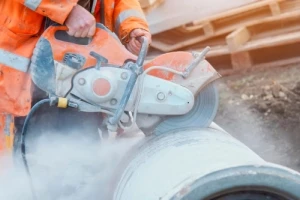

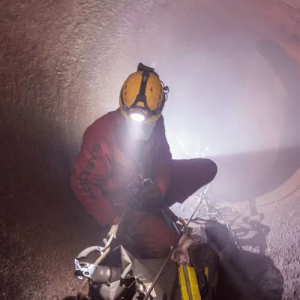
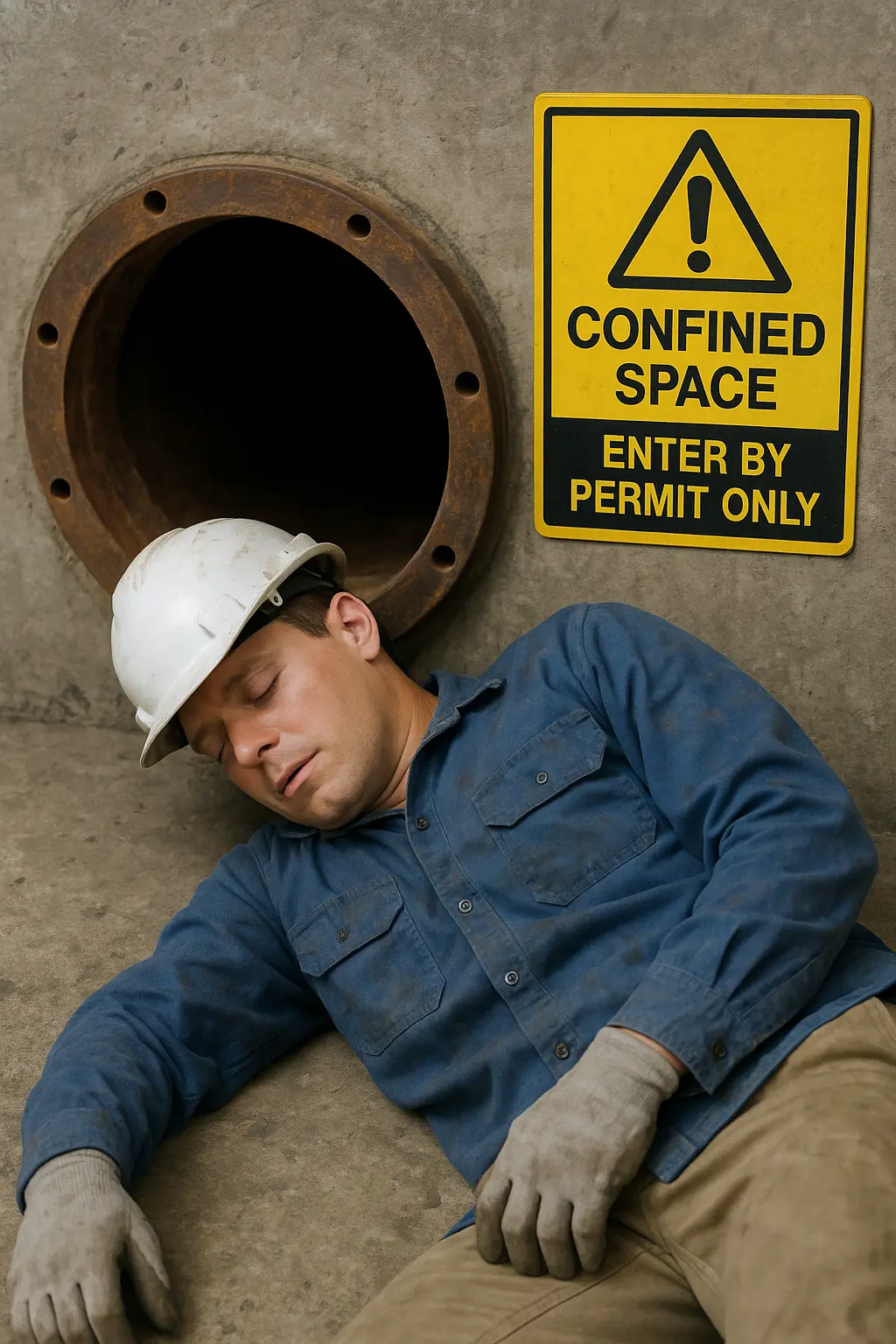
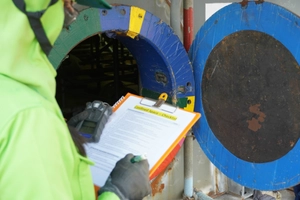



























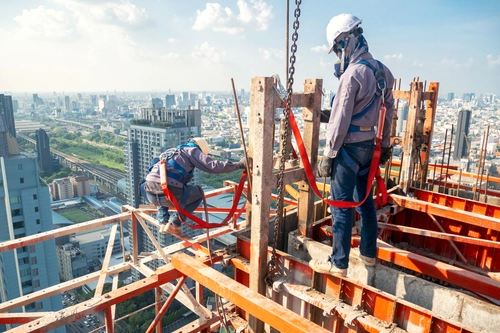
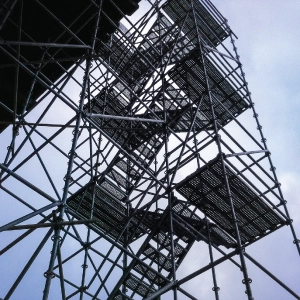
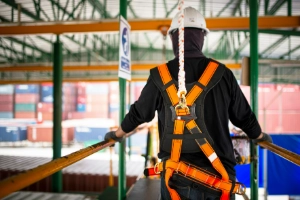
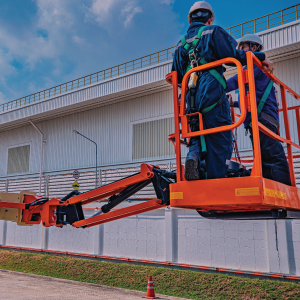





































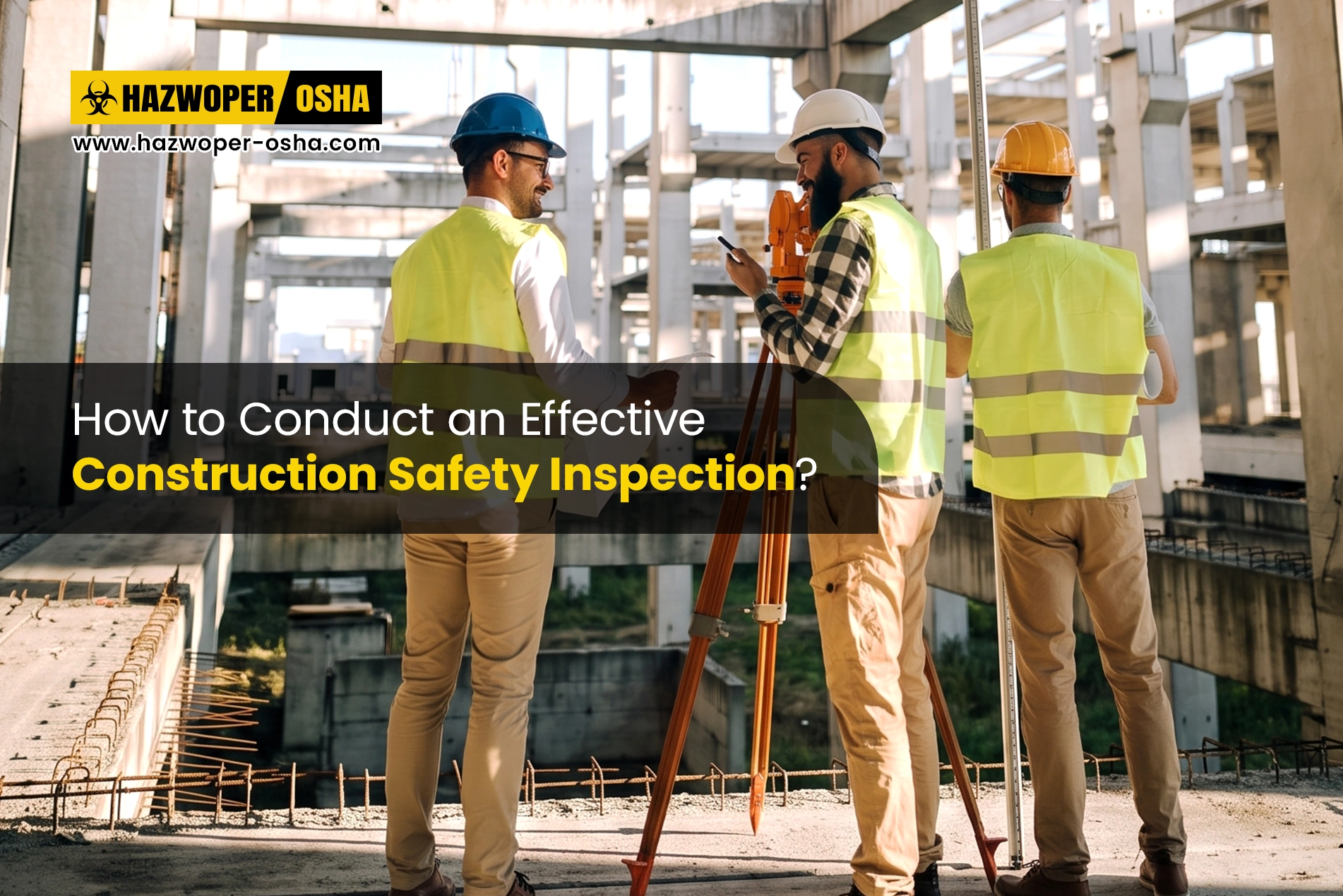
How to Conduct an Effective Construction Safety Inspection?
Introduction:
Construction sites change by the hour. New work areas open; equipment moves, crews rotate, and site conditions evolve throughout the day. In such a dynamic environment, hazards can emerge just as quickly, and if they're not identified early, they can lead to injuries, costly delays, or even fatalities.
According to the latest U.S. Bureau of Labor Statistics, construction and extraction occupations accounted for more than 1,000 workplace fatalities in 2024, making the construction sector to be one of the nation's most hazardous industries. While no inspection can eliminate every risk, routine site inspections remain one of the most effective ways to identify hazards before they result in an incident.
For construction site supervisors, foremen, competent persons, and safety managers, an effective construction safety inspection goes far beyond completing a checklist. It requires knowing where to look, recognizing unsafe conditions and behaviors, prioritizing risks, and ensuring corrective actions are implemented promptly.
This blog walks you through a practical, step-by-step process for conducting effective construction safety inspections that help keep your jobsite safer, more compliant, and more productive.
How to Prepare for Construction Safety Inspection?
An effective construction safety inspection begins before you enter the jobsite. Because construction sites change daily with new work areas, subcontractors, equipment, and site conditions, preparation helps you focus on the activities and locations where hazards are most likely to develop. Rather than relying solely on a checklist, take a risk-based approach that reflects the day's work and current site conditions.
Define the Scope and Objectives
Start by identifying the purpose of the inspection. It may be a routine daily walkthrough, a weekly site inspection, a pre-task assessment, or a follow-up inspection to verify if previously identified hazards have been corrected. Once the objective is clear, determine which work areas, crews, and construction activities will be included.
Review Planned Work and Previous Safety Findings
Review the day's construction schedule to understand which high-risk activities will be taking place, such as excavation, steel erection, crane operations, roofing, electrical work, or confined space entry. Give priority to operations that will be active during your inspection.
Next, review previous inspection reports, open corrective actions, incidents and near-miss reports, and worker safety observations. This helps identify recurring issues and confirm whether previously reported hazards have been effectively addressed.
Gather Inspection Equipment and Documentation
Before entering the jobsite, ensure you have everything needed to complete a thorough inspection. This typically includes:
- A project-specific construction safety inspection checklist
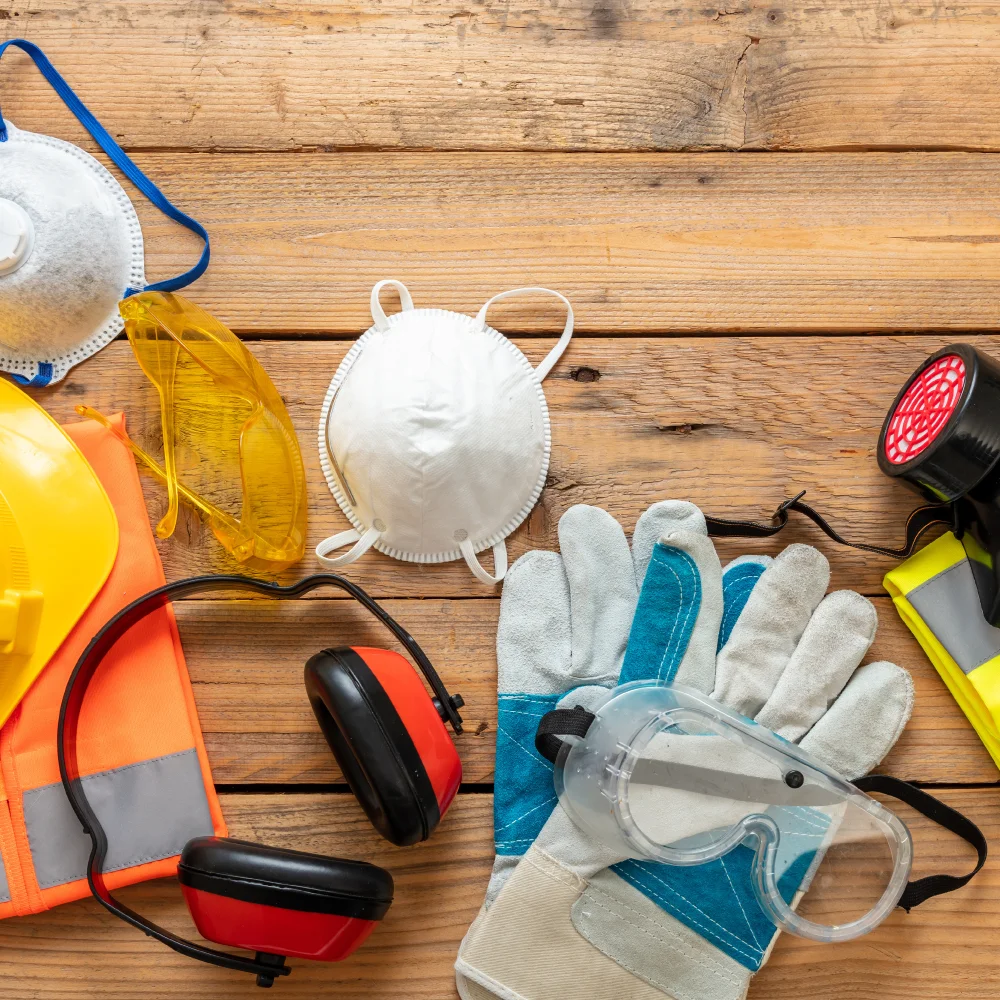
- Required personal protective equipment (PPE)
- A notebook or digital inspection app to record observations
- A camera or mobile device to document hazards
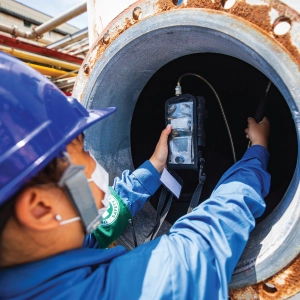
- Measuring or testing equipment, where applicable
- Relevant site plans, permits, or work authorizations needed to verify compliance
Being well prepared allows you to spend more time observing work activities, identifying hazards, and engaging with workers instead of searching for information or equipment during the walkthrough.
How to Conduct an Effective Construction Safety Inspection?
Once you've completed your preparation, begin the inspection using a consistent, systematic approach. A structured inspection helps ensure no work areas are overlooked while allowing you to evaluate changing site conditions and verify that existing safety controls remain effective.
Inspect the Jobsite in a Logical Sequence
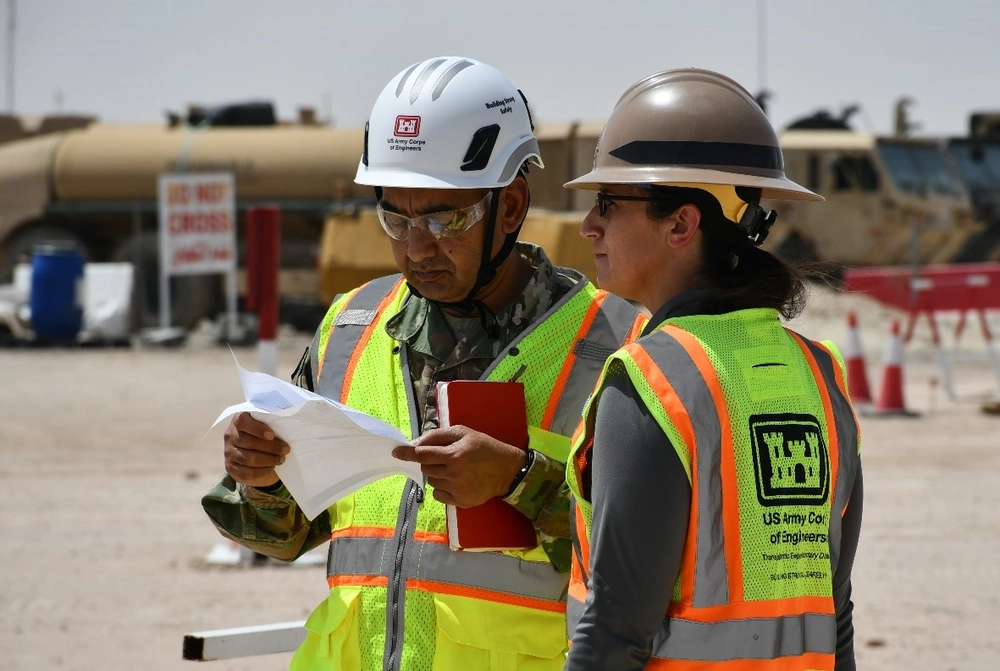
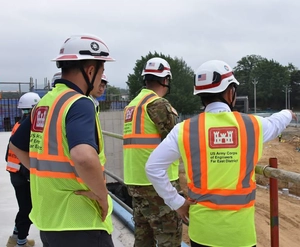
Follow a consistent inspection route that covers site access points, active work zones, temporary structures, equipment operating areas, housekeeping and material storage, pedestrian walkways, and emergency access routes. During the inspection, verify that corrective actions from previous inspections have been completed and remain effective.
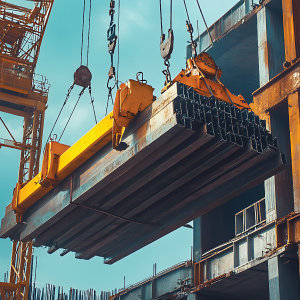
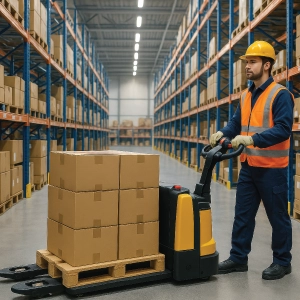
Give particular attention to high-risk construction activities, including work at height, excavation and trenching, crane operations, electrical work, confined space entry, equipment operation, and traffic management. Follow the flow of work and materials during inspections, starting from access points and material delivery areas, through laydown yards, equipment routes, and active installation zones to identify changing struck-by hazards, pinch points, and coordination risks. Because construction activities evolve throughout the day, adjust inspection priorities as site conditions, equipment movement, and work sequences change.
Engage Workers During the Inspection
Speak with workers while avoiding interruptions to critical or hazardous operations. Ask about the tasks they're performing, any changing site conditions, hazards they've observed, and whether they have the equipment, resources, and information needed to work safely. These conversations often reveal issues that aren't immediately visible during a walkthrough, such as recurring equipment problems, changing work conditions, or ineffective control measures.
Worker engagement also reinforces a proactive safety culture by encouraging employees to report hazards, discuss concerns, and participate in improving jobsite safety rather than waiting for incidents to occur.
Identify and Evaluate Hazards
Identifying hazards is only the first step of an effective construction safety inspection.
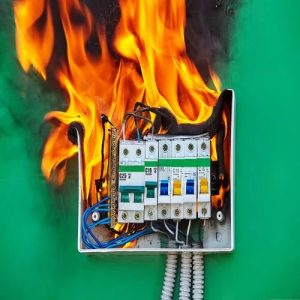
Evaluate each hazard based on the likelihood of an incident, the severity of its potential consequences, and the number of workers exposed. Hazards posing an imminent danger, such as an unprotected leading edge, an unsupported trench, or exposed energized electrical components, should be addressed immediately by removing workers from the area and notifying the responsible supervisor.
Lower-priority hazards should also be documented and corrected within an appropriate timeframe using the project's corrective action process.
Implement Corrective Actions Before Hazards Escalate
A construction safety inspection only adds value if identified hazards are addressed promptly.
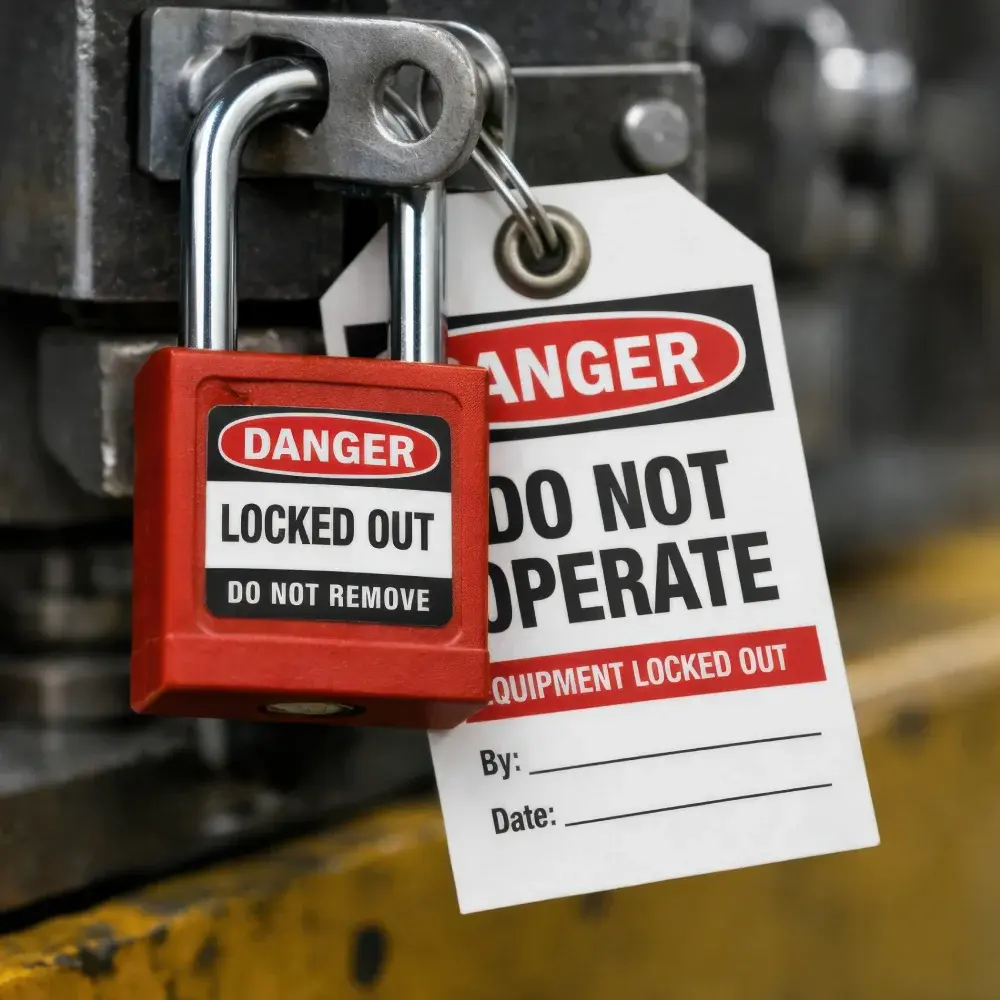
If a condition presents an imminent danger, take immediate steps to protect workers. This may include stopping the affected operation, removing employees from the area, isolating the hazard, or implementing temporary controls such as barricades, lockout/tagout, spotters, or temporary fall protection until a permanent solution is in place.
If a hazard cannot be corrected immediately, communicate the restriction to affected workers and escalate the issue to the appropriate supervisor or project manager.
Reinspect the affected area to confirm that the hazard has been eliminated or adequately controlled and that the corrective measure is functioning effectively. Document completion, remove temporary restrictions only after conditions are safe, and follow up on any unresolved issues to prevent them from becoming recurring problems.
Document the Inspection and Follow-Up
An inspection is only effective if its findings are documented, communicated, and followed through. Accurate records support corrective actions, demonstrate due diligence, and help identify recurring issues that may require additional training, improved planning, or stronger safety controls. Most importantly, follow-up ensures hazards remain corrected rather than recurring over time.
Best Practices for Conducting More Effective Construction Safety Inspections
Effective construction safety inspections rely on consistency, professional judgment, and continuous improvement. The following best practices can help supervisors identify hazards more proactively, improve inspection quality, and strengthen overall jobsite safety.
Conduct Inspections Based on Project Risk
Perform inspections regularly, but adjust their frequency and focus as the project evolves. Additional inspections may be needed during new construction phases, high-risk activities, major equipment mobilization, significant weather changes, or after incidents and near misses. Inspection priorities should reflect current site conditions rather than follow a fixed routine.
Use a Project-Specific Inspection Checklist
A standardized checklist promotes consistency and helps ensure critical work areas are not overlooked. However, it should support, not replace, professional judgment. Remain alert to changing site conditions and hazards that may not appear on the checklist.
Focus on Prevention, Not Just Compliance
Look beyond individual deficiencies to understand why they occurred. Determine whether better planning, supervision, training, or more effective hazard controls could prevent similar issues in the future. The objective is to reduce risk, not simply complete an inspection.
Encourage Active Participation
Construction safety is a shared responsibility. Involve competent supervisors, subcontractors, and workers in identifying hazards, reporting concerns, verifying corrective actions, and recognizing safe work practices. Broader participation improves hazard recognition and strengthens the site's safety culture.
Continuously Improve the Inspection Process
Review inspection findings regularly to identify trends, evaluate whether corrective actions are effective, and refine future inspections based on lessons learned. Avoid becoming complacent with familiar work areas or recurring tasks. Conditions can change quickly, and even routine hazards deserve the same level of attention during every inspection.
Conclusion:
An effective construction safety inspection is more than a routine walkthrough, it's a proactive process that helps identify hazards, verify the effectiveness of safety controls, and prevent incidents before they occur. By thoroughly preparing, systematically inspecting, prioritizing risks, implementing timely corrective actions, and following up on inspection findings, construction supervisors can create safer job sites while improving productivity and regulatory compliance.
Even the most effective inspection process depends on knowledgeable supervisors and well-trained workers. Investing in ongoing safety training equips your team to recognize hazards, apply safe work practices, and respond confidently to changing jobsite conditions.
Strengthen your construction safety program with our online courses, including:
- OSHA 10-Hour Outreach Training for Construction Industry with DOL Card
- OSHA 30-Hour Outreach Training for Construction Industry with DOL Card (English)
- OSHA Competent Person for Fall Protection Training
- OSHA Competent Person for Excavation, Trenching, and Shoring Training
- OSHA Scaffolding Erection and Inspection Training for Competent Person
- OSHA Competent Person for Confined Spaces Training
- OSHA Personal Protective Equipment (PPE) Training
- OSHA Powered Mobile Equipment Safety Training
Whether you're training new workers, developing competent supervisors, or reinforcing your company's safety culture, our flexible online courses help construction teams build the knowledge and skills needed to maintain safer, more compliant jobsites.
Frequently Asked Questions
Construction safety inspections are typically conducted by construction site supervisors, foremen, competent persons, or safety managers. Depending on the project and applicable regulations, employers may also designate qualified personnel to perform routine inspections and ensure hazards are identified and corrected promptly.
The frequency depends on the project's size, complexity, and level of risk. Many construction sites perform daily walkthroughs before work begins, while more comprehensive inspections may be conducted weekly or after significant events, such as severe weather, incidents, or changes in work activities.
A construction safety inspection focuses on identifying and correcting hazards at the jobsite. A safety audit is a broader evaluation of an organization's safety management system, policies, procedures, training programs, and overall compliance to determine how effectively the safety program is performing.
A comprehensive checklist should cover work at height, scaffolding, excavation and trenching, electrical safety, heavy equipment, housekeeping, fire protection, emergency preparedness, personal protective equipment (PPE), material storage, access and egress, and other project-specific hazards.
Some of the most frequently identified hazards include falls, inadequate PPE use, poor housekeeping, electrical hazards, unsafe ladder or scaffold use, excavation hazards, improper material storage, and struck-by, caught-in/between hazards.