English and
 Español. After purchase, use the language toggle in your course Player to switch between English and Spanish at any time.

 EN
EN ES
ES










































































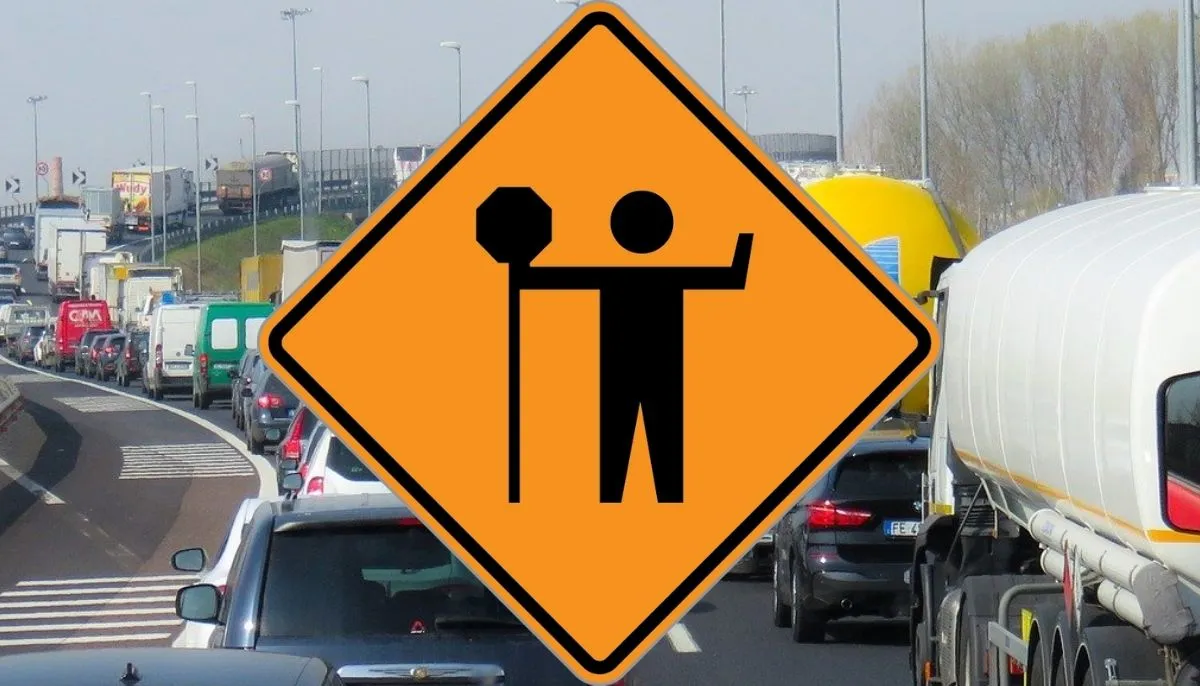
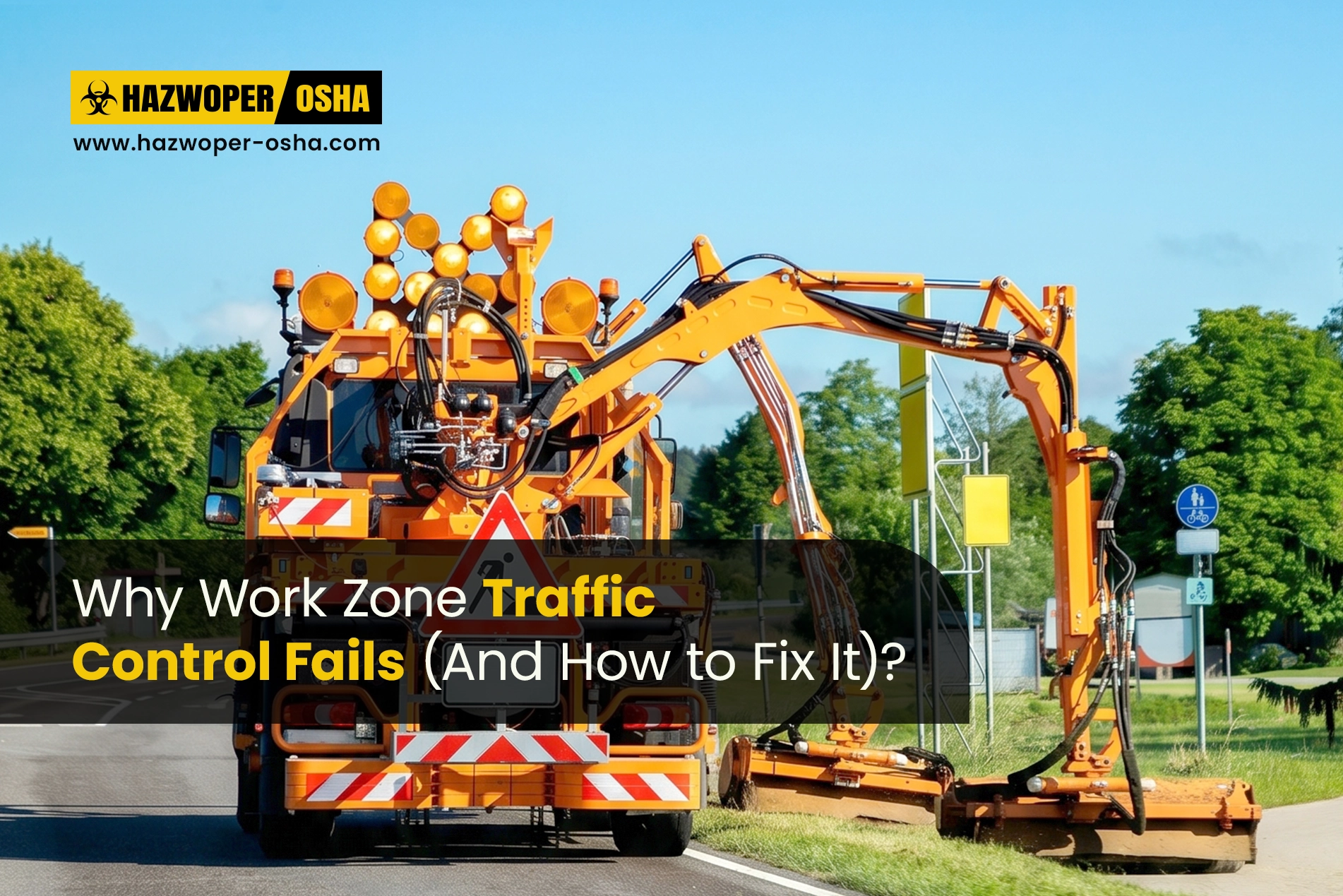
Why Work Zone Traffic Control Fails (And How to Fix It)?
Introduction:
Work zone traffic control failures are often explained as isolated issues, such as missing signs, driver error, or poor compliance. While these factors do contribute, most failures do not come from a single mistake but from weak coordination across multiple layers of the traffic control process, including planning, field setup, communication, and ongoing adjustments during active work.
In practice, a work zone is not a static setup. It is a constantly changing environment, influenced by traffic volume, vehicle behavior, visibility conditions, construction activity, and shifting site constraints. Research and field safety practices consistently show that when these conditions are not continuously managed, even a well-designed traffic control plan can fail once it is implemented on-site.
This blog breaks down where traffic control systems typically fail in real operations and focuses on practical, supervisor-level actions to correct them through stronger planning discipline, clearer communication structures, consistent field execution, and continuous monitoring of work zone conditions.
Why Standard Layouts fail in Live Traffic?
Poorly planned work zones increase the likelihood of traffic control failures because they weaken how the entire system is expected to function under real operating conditions. In professional practice, a Traffic Control Plan is not just a layout of signs and lane closures; it is a coordinated framework that must account for traffic behavior, site constraints, work sequencing, and field adaptability. When any of these elements are missing or oversimplified during planning, the system becomes difficult to execute safely in the field.
One of the primary issues is that planning is often based on expected or “ideal” traffic conditions rather than actual roadway behavior. In reality, work zones experience fluctuating traffic volumes, driver hesitation, sudden merging, and congestion build-up near lane closures. If these conditions are not properly anticipated during design, even a correctly installed setup can quickly become inefficient or unsafe once traffic demand increases.
Another common failure point is the gap between planning assumptions and field execution. A plan may define lane shifts, taper lengths, or device placement, but if it lacks sufficient clarity or standardization, different crews may interpret it differently during setup. This leads to inconsistent spacing of traffic control devices, unclear driver guidance, and reduced separation between live traffic and active work areas. Over time, these inconsistencies reduce the reliability of the entire traffic control setup.
A further issue is the weak connection between planning and field monitoring. In many cases, planning focuses heavily on initial setup but does not clearly define how conditions will be monitored or corrected during operations. This creates a gap where issues such as displaced cones, reduced visibility, or unexpected queue buildup are not addressed quickly enough, allowing risks to escalate unnecessarily.
To improve outcomes, planning must be treated as a performance-driven process rather than a static design exercise. This means aligning design assumptions with actual traffic behavior, ensuring clear and executable field instructions, and building in mechanisms for monitoring and adjustment throughout the duration of the work zone.
How Layout Gaps Dictate Driver Error?
Confusing or poorly implemented traffic control devices increase work zone crash risk by disrupting driver comprehension at the exact moment when decision-making time is limited.
Incorrect placement of cones, signs, and barricades
When channelizing devices are not aligned with the intended travel path, the roadway becomes visually ambiguous. Misaligned cones, incomplete tapers, or poorly positioned barricades can create uncertainty about lane boundaries and merge points. This often leads to abrupt steering corrections or last-second lane shifts, increasing the risk of sideswipe and fixed-object crashes. In well-designed work zones, these devices are meant to form a continuous, clearly defined path that guides drivers progressively through changing conditions. When that continuity is broken, driver response becomes reactive rather than anticipatory.
Conflicting or excessive driver instructions
Work zones become hazardous when signage provides unclear or competing information. This may occur when speed reduction signs, lane closure warnings, and detour instructions are placed too closely together or lack a logical sequence. Drivers depend on a staged information flow advance warning, transition guidance, and final action cues to process changes safely. When this sequence is disrupted, drivers may hesitate, change lanes unpredictably, or miss critical instructions entirely. This increases merging conflicts, particularly in transition zones where traffic is already compressing and adjusting.
Poor nighttime visibility and damaged traffic control devices
Even a properly designed layout can fail if traffic control devices are not visible or maintained. Reduced reflectivity, obstructed signage, or displaced cones significantly decrease driver reaction time, especially under low-light conditions. Nighttime work zones are particularly sensitive because drivers rely more heavily on high-contrast visual cues to detect changes in roadway geometry. When visibility is compromised, the effective “detection distance” of a work zone is reduced, leaving drivers with less time to respond safely to lane shifts or closures.
Why Is Basic Traffic Control Training Not Enough for Workers?
Basic traffic control training is essential, but it only provides foundational knowledge, not full readiness for real work zone conditions. It typically teaches standard procedures, device recognition, and basic setup principles, but does not fully prepare workers for the dynamic and unpredictable nature of active roadway environments.
Training builds knowledge, not field competency
Basic training helps workers understand procedures, but it does not fully develop decision-making ability in live traffic environments. Real work zones require continuous adaptation, especially when conditions differ from training scenarios.
Work zones are too dynamic for one-time learning
Traffic patterns, lane configurations, and site conditions change throughout a project. Because of this variability, workers often face situations that were not covered during initial training and must respond based on experience and supervision.
Safe performance depends on judgment and supervision
Effective traffic control relies on situational judgment recognizing unsafe conditions and making quick adjustments. This develops through field experience, mentoring, and active supervision, not training alone.
How Can Continuous Monitoring Prevent Small Work Zone Issues From Turning Into Incidents?
Work zones are dynamic environments, so conditions that are safe at the start of a shift can quickly become unsafe if not actively observed.
Early detection of developing hazards
Continuous monitoring helps identify emerging safety threats in real time, allowing crews to respond before conditions deteriorate. In dynamic work zones, small physical shifts or traffic changes can quickly escalate into high-risk situations if not addressed promptly.
Combating “Device Drift” (Truck Drafts)
Traffic control devices such as cones, barrels, and vertical panels do not remain fixed once deployed. The aerodynamic wake created by passing semi-trucks and high-speed vehicles can gradually push or “walk” these devices out of alignment over a 3–4 hour period. This slow migration can unintentionally narrow lanes or shift buffers into live traffic space. Continuous monitoring helps detect this drift early, ensuring channelizing devices are repositioned before they become an active intrusion into travel lanes.
Tracking the “Queue Tail” During Peak Hours
Traffic demand is rarely constant. Between peak commuting windows, traffic volumes can surge rapidly, and a previously safe taper design can suddenly contribute to extended backups. As congestion builds, the back of the queue (the “queue tail”) may extend into high-speed areas or unexpected locations, creating a rear-end collision risk, especially in low-visibility or distracted-driving conditions. Continuous monitoring allows supervisors to track queue growth in real time and adjust traffic control placement, such as advancing arrow boards or extending warning signage, before the tail reaches a hazardous point.
Adapting to Active Sight-Distance Losses
Work zone visibility can change abruptly due to environmental conditions. Sudden rain, fog, dust, or even sunset glare can significantly reduce sight distance and driver reaction time. These changes can turn a previously compliant setup into a high-risk environment within minutes. Continuous monitoring ensures crews can quickly respond by activating additional warning lights, cleaning or replacing obscured retroreflective signage, or adjusting flashing arrow boards to maintain driver awareness under degraded visibility conditions.
Continuous monitoring, in this sense, is not a procedural loop but a practical safeguard that maintains work zone effectiveness under changing real-world conditions by preventing physical drift, managing traffic buildup risks, and responding to sudden visibility changes before they escalate into incidents.
What Systems Help Supervisors Maintain Reliable, Long-Term Work Zone Traffic Control?
A single device or a one-time setup cannot sustain reliable long-term work zone traffic control. For supervisors, it depends on having the right combination of field-level tools and oversight systems that directly address the real operational risks that develop over time, device drift, queue growth, and changing visibility conditions. When these systems are used together, they support continuous adjustment of the work zone rather than static deployment.
Integrated Traffic Monitoring & Smart Work Zone Systems (ITS-based tools)
For supervisors, the most critical system layer combines Intelligent Transportation Systems (ITS) with Smart Work Zone technology into a single operational function: real-time visibility and control over changing conditions. Using sensors, cameras, radar, and digital message boards, these systems help supervisors observe traffic behavior as it unfolds and respond to early warning signs, such as growing queues, speed differentials, or congestion shifts.
This directly supports field realities, such as the queue tail problem, where traffic backups unexpectedly extend during peak hours, or sudden slowdowns that increase rear-end risk. With live data and automated alerts, supervisors can reposition warning devices, extend taper zones, or update driver messaging before congestion reaches a critical point.
Automated Queue Warning Systems (Rear-End Collision Prevention at the Tail End)
These systems are specifically designed to address one of the most common failure points in work zones: high-speed traffic approaching an unexpected slowdown. By detecting stopped or slow-moving traffic ahead, queue warning systems trigger advance alerts to approaching drivers. For supervisors, this provides a critical buffer to intervene when queue length begins pushing into unsafe high-speed approaches, especially during peak travel periods when conditions change quickly.
Work Zone Intrusion Alarm Systems (Active Protection of the Work Area)
Instead of reacting after an incident, intrusion alarms address sudden violations of protected space. When a vehicle enters a restricted work area, these systems alert crews immediately. This is especially relevant when traffic control devices have shifted due to device drift, reducing the clarity of lane separation or buffer zones. Supervisors rely on these alerts as a real-time safeguard when physical controls have been unintentionally compromised.
Automated Flagger Assistance Devices (Reducing Exposure at the Control Point)
AFADs help supervisors reduce worker exposure in high-risk flagging operations by mechanizing stop/slow control functions. While they do not replace trained personnel, they allow supervisors to maintain safer control of traffic movement in locations where repeated exposure to moving vehicles increases risk, particularly in long-duration work zones where fatigue, driver behavior, and environmental changes compound over time.
Remote Monitoring, Inspection, and Asset Tracking Systems (Maintaining Field Consistency)
These systems enable supervisors to verify whether field conditions still align with the intended traffic control plan. This directly addresses issues like device drift and improper placement caused by wind wake or vehicle turbulence. By tracking the condition and placement of cones, barrels, signage, and lighting, supervisors can identify when physical controls have shifted and require correction before they create lane narrowing or confusion.
Safety Management and Compliance Systems (Ensuring Follow-Through and Accountability)
Long-term reliability depends on consistent corrective action. These systems help supervisors track inspections, maintenance needs, incident reports, and required adjustments across multiple shifts or project phases. This is critical to preventing recurring issues, such as unresolved queue buildup or visibility problems, which can reappear if corrective actions are not documented and verified.
Predictive Analytics and Planning Tools (Anticipating, Not Just Reacting)
Some advanced systems help supervisors anticipate conditions like congestion spikes, peak-hour queue formation, or high-risk traffic patterns before work begins. While not a substitute for real-time monitoring, these tools support better staging decisions, such as taper placement or device spacing, to reduce the likelihood of queue tail extension or unexpected congestion surges.
Ultimately, these systems are only effective when used as supervisory tools for real-time decision-making. They do not replace field observation or traffic control judgment. Their value lies in helping supervisors detect drift, manage queue behavior, and respond to visibility changes early enough to keep the work zone aligned with actual roadway conditions.
Conclusion:
As work zones become more complex and traffic volumes continue to increase, long-term reliability cannot depend solely on temporary fixes or reactive safety measures. From real-time monitoring systems to properly trained flaggers and supervisors, every layer of protection plays a critical role in reducing incidents and maintaining public confidence on the roadway.
At the center of every successful traffic control program is a workforce that understands how to apply these systems correctly in real-world conditions. For organizations looking to strengthen their work zone safety practices and improve compliance, the National Flagger and Traffic Control for Construction Sites Certification Training provides practical knowledge on flagging operations, temporary traffic control principles, hazard awareness, and safe work zone management. Investing in proper training not only supports regulatory compliance but also helps create safer environments for both workers and the traveling public.
Frequently Asked Questions
Work zone traffic control plans should be reviewed regularly throughout a project, especially when traffic patterns, weather conditions, construction phases, or roadway layouts change. Long-duration projects often require periodic reassessments to ensure continued effectiveness and compliance.
Common causes include distracted driving, speeding, sudden lane changes, poor visibility, inadequate signage placement, driver confusion, and failure to follow temporary traffic control instructions. Worker exposure near moving traffic also increases risk in active construction zones.
No. While most states follow the Manual on Uniform Traffic Control Devices (MUTCD), individual state agencies may have additional requirements, specifications, permitting procedures, or traffic control standards that contractors must follow.
Flaggers should receive formal training in temporary traffic control procedures, communication techniques, hazard recognition, emergency response practices, and proper signaling methods. Certification requirements may vary depending on state regulations and project specifications.
Effectiveness is typically evaluated using factors such as incident rates, traffic delays, driver compliance, near-miss reports, worker safety observations, inspection results, and public complaints. Many organizations also use traffic data and post-project reviews to identify improvement opportunities.