 EN
 ES
.webp)










.webp)








.webp)











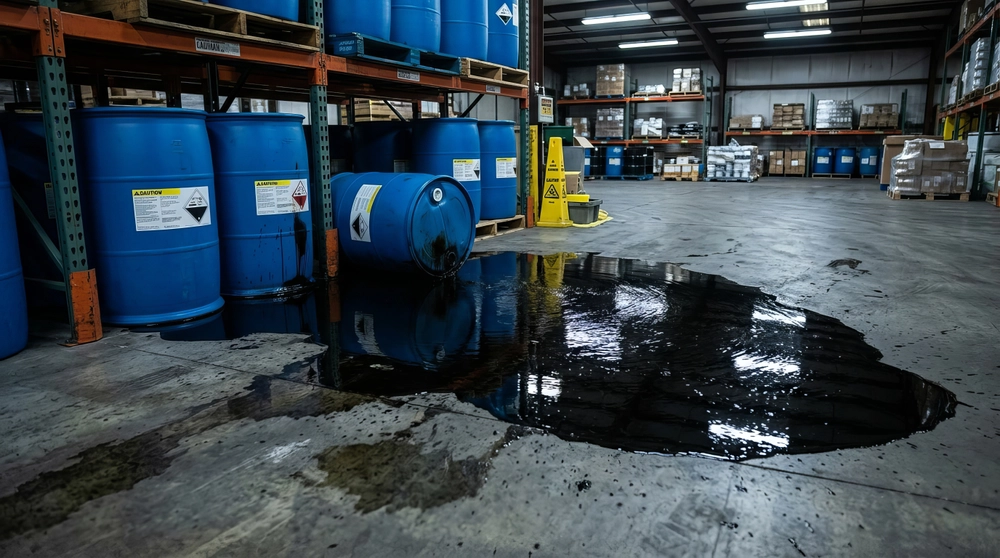






California RCRA and DTSC Hazardous Waste Training
- In accordance with Federal RCRA regulations (40 CFR Parts 260–273), California Hazardous Waste Control Law (Health and Safety Code, Chapter 6.5), and DTSC regulations (Title 22 CCR, Division 4.5)
- Covers hazardous waste identification, California non-RCRA and extremely hazardous wastes, and generator requirements
- Available in:
 English |
 Español
- Complete the training at your convenience and at your own pace
- Available in multiple delivery formats, including self-paced online training, SCORM packages, live virtual instructor-led sessions, and in-person classroom instruction
0.4
Bulk Buying
| Employee | Per Seat |
|---|---|
| 2-10 | $154.43 |
| 11-20 | $152.87 |
| 21-50 | $151.31 |
| 51-100 | $148.19 |
| 101-250 | $145.07 |
| 251-500 | $143.51 |
| 501-1000 | $140.39 |
Course Facts


Training Duration

Learning Type

Course Access Validity

Device Support


Certificate Validity
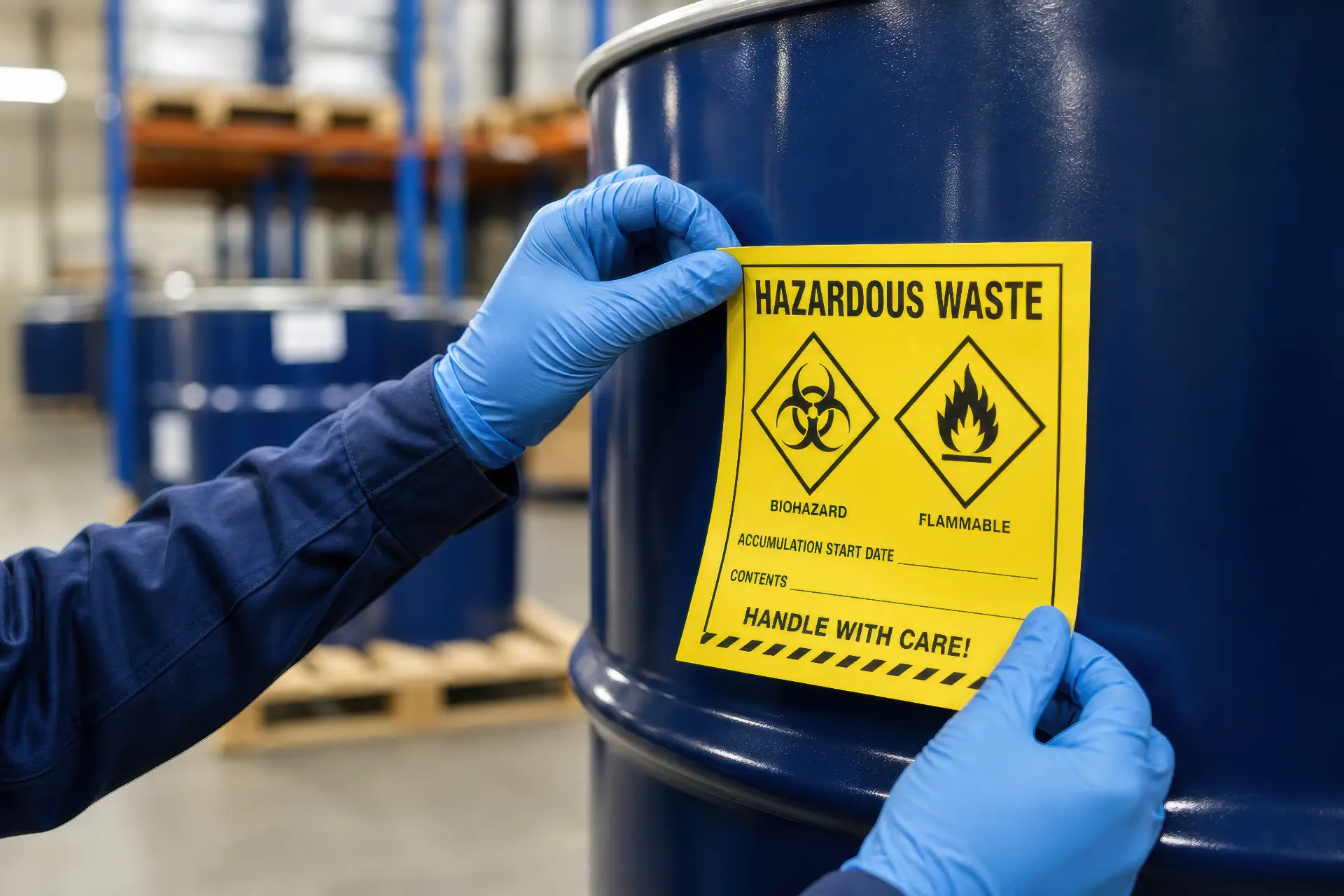
California RCRA and DTSC Hazardous Waste Training Course Syllabus
This California RCRA and DTSC Hazardous Waste Training consists of 5 lessons. Students are required to take each lesson in sequential order as given below.
Introduction
Lesson 1: Regulatory Overview
In this lesson, students will learn about the role of the EPA as well as the evolution of the federal environmental laws such as RCRA, CERCLA, and SARA, and the "cradle-to-grave" approach of handling hazardous waste. California hazardous waste regulations, DTSC, the Hazardous Waste Control Law, Title 22, CUPA, enforcement and penalties, and compliance procedures will also be discussed.
Lesson 2: Hazardous Waste – An Overview
This lesson covers the identification of hazardous waste, including solid waste, exclusions, listed wastes, F, K, P, and U lists, and the four characteristics of hazardous waste. It also covers California non-RCRA and extremely hazardous waste, delisting, mixture rule and derived-from rule, contained-in policy, and California empty container standard.
Lesson 3: Hazardous Waste Generators and Accumulation
This lesson discusses generator categories and the requirements for Large Quantity Generators (LQGs), Small Quantity Generators (SQGs), and Very Small Quantity Generators (VSQGs) in California. It includes waste counting, identifying numbers, accumulation time limits, container labeling, manifests, Department of Transportation shipping requirements, record keeping, and source reduction. The containers, tanks, satellite and central accumulation areas, incompatible waste, and the role of each employee will be discussed.
Lesson 4: Managing Spills and Emergencies
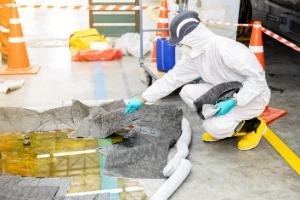
In this lesson, you will learn about releases and release reporting in California, preparedness and prevention, emergency equipment, arrangements with local agencies, contingency plans, and the emergency coordinator. This lesson also covers EPCRA and reportable quantities, when the Cal/OSHA HAZWOPER standard is applicable, what to do if you discover a spill, and Cal/OSHA requirements for hazardous waste handlers.
Lesson 5: Universal Waste and Other Special Wastes
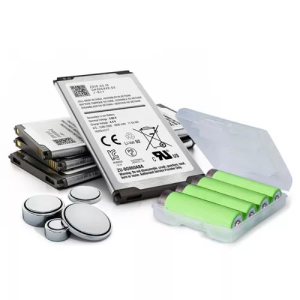
This lesson covers the universal waste programs at the federal and state level, including batteries, mercury-containing equipment, lamps, aerosol cans, electronics, CRTs, and PV modules, as well as universal waste handlers, transporters, destination facilities, and labeling. It also provides an overview of used oil and medical waste management in California.
Final Examination
Frequently Asked Questions
This course covers the requirements outlined in the federal Resource Conservation and Recovery Act regulations (40 CFR Parts 260–273), the California Hazardous Waste Control Law (Health and Safety Code, Division 20, Chapter 6.5), and the DTSC hazardous waste regulations (Title 22 CCR, Division 4.5).
Non-RCRA hazardous wastes are those that fall under hazardous waste but do not meet the requirements of the RCRA regulations; rather, they meet the more expansive criteria set by the state of California in Title 22. Some of the most common examples are used oil, used antifreeze, and friable asbestos-containing waste. In California, these wastes must be managed as hazardous waste.
California recognizes three main categories of hazardous waste generators based on the amount of waste produced in a single calendar month:
- Large Quantity Generator (LQG): Generates 1,000 kg or more of non-acute hazardous waste, or more than 1 kg of acutely or extremely hazardous waste.
- Small Quantity Generator (SQG): Generates between 100 kg and 1,000 kg of non-acute hazardous waste.
- Very Small Quantity Generator (VSQG): Generates less than 100 kg of non-acute hazardous waste.
Hazardous waste is any solid waste which is or has the potential to be hazardous to human health or to the environment. Waste can be considered hazardous if it is specifically listed or exhibits one or more of the characteristics of ignitability, corrosivity, reactivity, or toxicity. In California, hazardous wastes are evaluated according to the state’s additional criteria.
- The course is specifically designed in accordance with federal RCRA and California DTSC requirements, including Title 22 of the California Code of Regulations.
- Developed by experts in the domains of environmental health and safety having knowledge of hazardous waste handling in California.
- Equips learners with the required information on how to properly classify, handle, label, and transport hazardous waste.
- Certificate issued to learners once they complete this California RCRA and DTSC Hazardous Waste Training course.
- Offered through various modes of learning, including online, classroom-based, and instructor-led training.
- California employees who generate, manage, label, store, or transport hazardous waste.
- Facility, production, maintenance, and laboratory employees.
- Shipping and receiving employees who transport hazardous waste.
- Supervisors, managers, and EHS personnel administering hazardous waste management programs.
- Employees of organizations like automotive repair facilities, dry cleaners, printing businesses, and medical facilities.
- Employers seeking to satisfy the hazardous waste training requirements of California.
There are no prerequisites for this course.
Yes, refresher training is required annually. Under California Title 22 regulations (22 CCR 66265.16), employees who handle or manage hazardous waste must complete an annual review of their initial training every 12 months to maintain regulatory compliance.
Certificate of Completion: Immediately after passing the final exam, you can download, save, or print your California RCRA and DTSC Hazardous Waste Training certificate in PDF format.
Validity: The California RCRA and DTSC Hazardous Waste Training course certificate is valid for one year.
Renewal: Simply take this course every 12 months to stay up to date on California hazardous waste requirements, waste handling practices, accumulation requirements, and emergency procedures.
Choose Your Ideal Training Format:



Scorm Package
$155.99/Seat


Virtual Instructor-Led
$299.00/Seat

In-Person Group
$750.00/Seat
This training has helped me learn about hazardous waste labeling, accumulation, manifests, and shipping requirements in a practical way. Very helpful course.
Through this course, I gained useful knowledge on spill management, emergency response, and hazardous waste release reporting. Highly recommended.
The lessons on hazardous waste generators, waste storage, and accumulation areas have been very practical and helpful.
This course provides valuable information on the California universal waste regulations and environmental compliance. Informative!


The ROI of Online Safety Training
Discover the value of our efficient alternative to live training and calculate your return on investment.
ROI Calculator
Recommended Courses