English and
 Español. After purchase, use the language toggle in your course Player to switch between English and Spanish at any time.

 EN
EN ES
ES































































































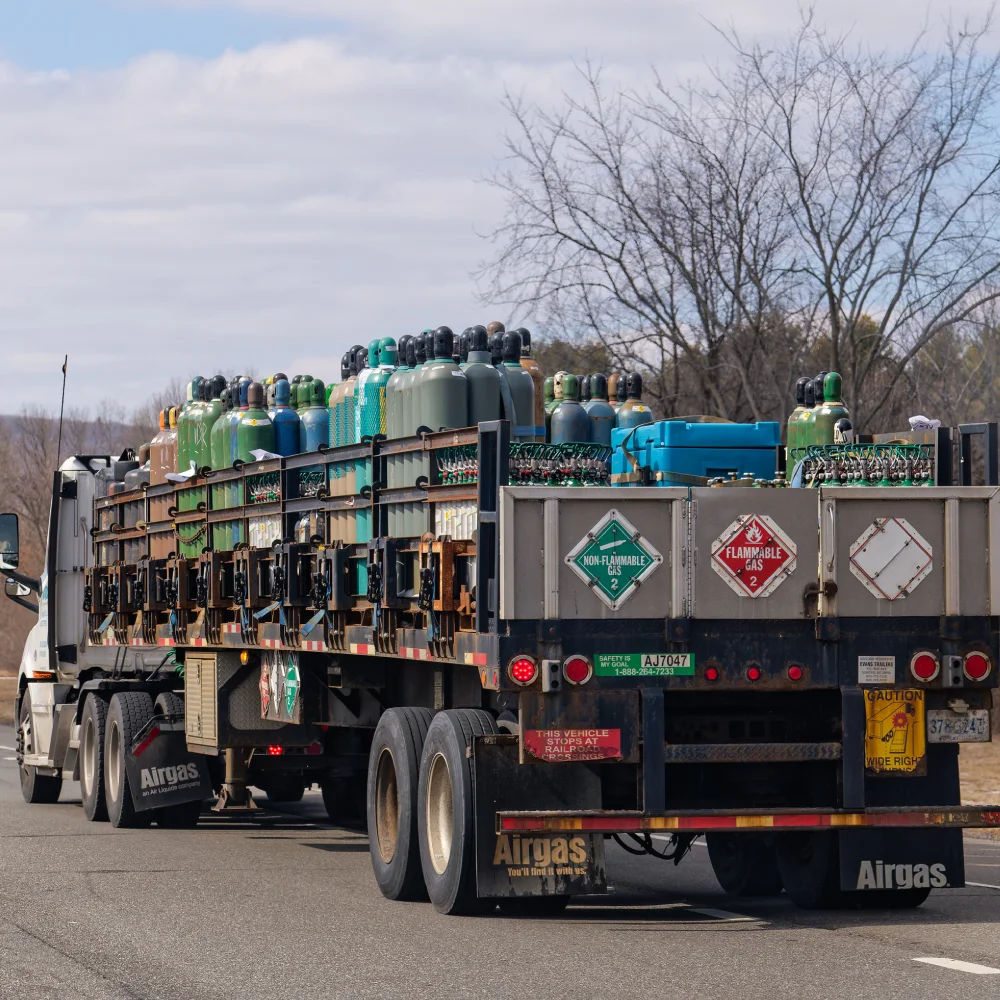


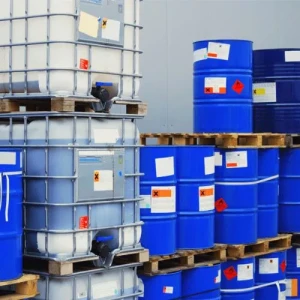
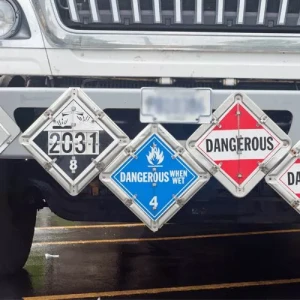
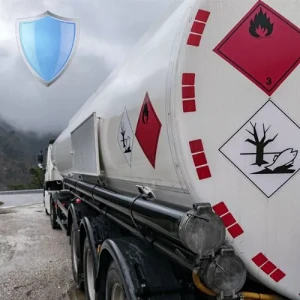




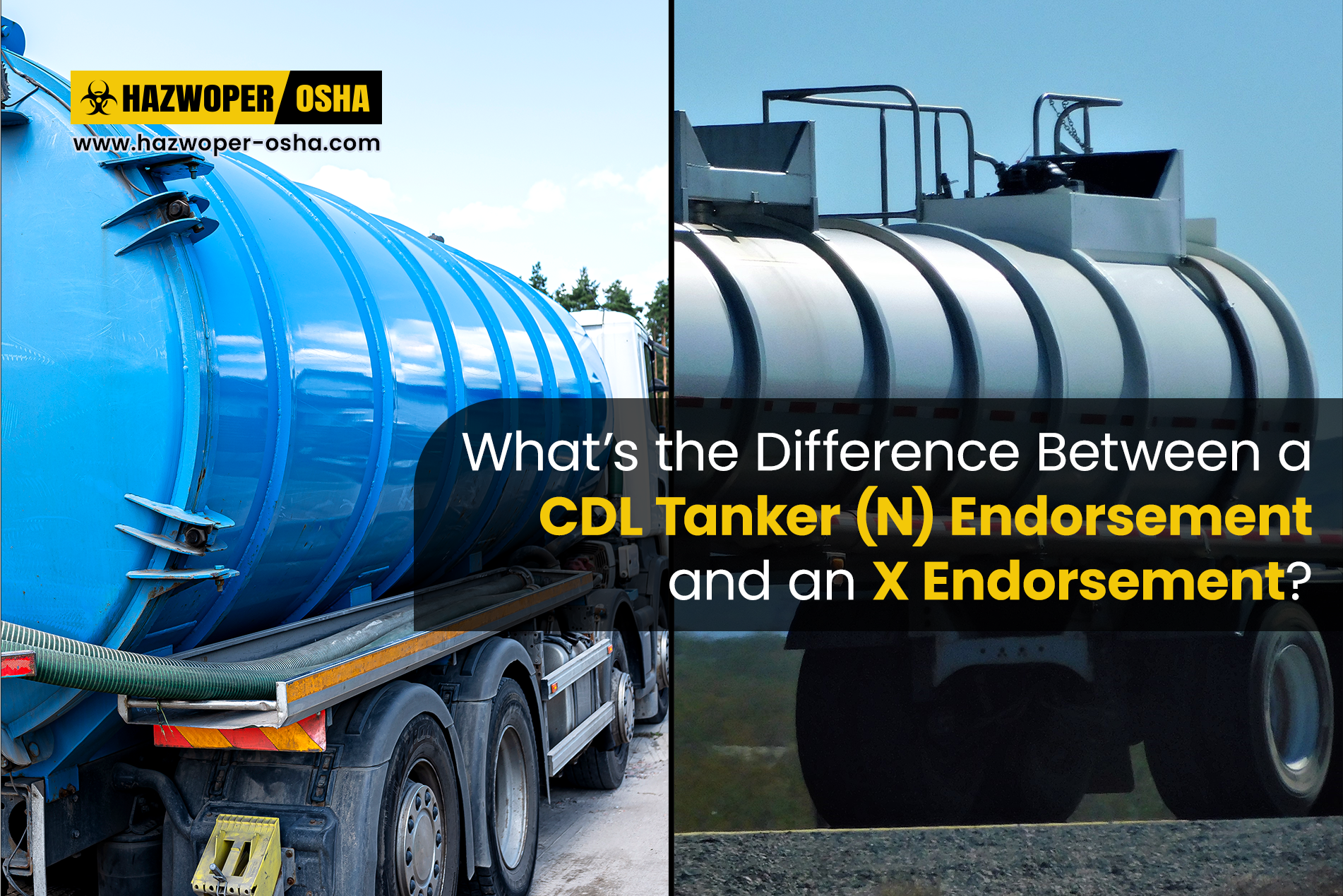
What’s the Difference Between a CDL Tanker (N) Endorsement and an X Endorsement?
Introduction:
In commercial transport, a driver’s CDL endorsements dictate your fleet's operational reality. A driver might look perfectly qualified on paper, but if their endorsements don't align with your specific cargo, you are inviting compliance bottlenecks and massive liability. For example, consider the Tanker (N) endorsement and X endorsement. Hiring Managers often treat them interchangeably but they authorize two very different types of operations: transporting bulk liquids in general, versus transporting hazardous materials in bulk, such as fuel or chemicals.
In fast-paced hiring environments, it’s common to rely on license labels to make quick decisions. But when endorsements are viewed in isolation without considering cargo type, risk level, and operational demands, those decisions can lead to misalignment. A simple way to ground this: transporting milk and transporting gasoline may both involve tank vehicles, but they do not carry the same risks, requirements, or business implications. The endorsement you require is not a preference; it’s determined by what your fleet moves every day.
This blog breaks down the difference between N and X endorsements from an employer’s perspective so you can align hiring decisions with your actual operations, manage risk more effectively, and build a workforce that supports both safety and growth.
Why Employers Must Understand CDL Endorsements Before Hiring?
CDL endorsements are more than regulatory labels; they define the specific types of cargo a driver is legally and operationally qualified to transport. CDL endorsements aren’t just regulatory labels; they determine which drivers can legally and operationally move specific cargo. When your team lacks the proper endorsements, the consequences ripple across your operations:
- Deadhead Miles & Operational Delays – Trucks sit empty while loads wait for an appropriately endorsed driver, creating wasted miles and lost revenue.
- Reduced Fleet Flexibility – Limited endorsement coverage prevents driver reassignment across hazardous or sensitive loads, making scheduling a constant puzzle.
- Administrative Overload – Dispatchers scramble to cover routes, reassign deliveries, and coordinate last-minute replacements, consuming hours of productive time.
- Severe Compliance & Safety Consequences – Drivers handling cargo outside their endorsements risk DOT Out-of-Service (OOS) orders, impounded trucks at weigh stations, and major hits to your company’s CSA scores, far beyond typical accident or insurance exposure.
- Missed Business Opportunities – Without properly endorsed drivers, high-value contracts, especially those involving hazmat or specialized freight, may have to be declined, leaving revenue on the table.
Bottom line: Endorsement gaps don’t just slow your fleet; they cost money, increase liability, and reduce your ability to compete.
What Is a CDL Tanker (N) Endorsement?
A CDL Tanker (N) endorsement qualifies a driver to operate tank vehicles that transport bulk liquids or gases.
Typical Industries for N Endorsement (Tanker Only)
The N endorsement applies to non-hazardous liquid or gaseous cargo transported in bulk tanks. Common industries include:
- Food & Beverage – milk, juice, edible oils, liquid sugar
- Agriculture – liquid fertilizers, water transport
- Construction & Infrastructure – water trucks, asphalt emulsions
- Waste Management – septic and non-hazardous liquid waste
- Fuel (Non-hazmat in certain contexts) – depending on classification and quantity
These operations still require careful handling due to liquid surge and vehicle stability, but they do not involve federally regulated hazardous materials.
Types of Loads Covered Under N Endorsement
Drivers with an N endorsement are authorized to transport non-hazardous bulk liquids, including but not limited to:
- Food-grade liquids: milk, juice, water, and other beverages
- Industrial liquids: water-based chemicals or lubricants that are not classified as hazardous
- Waste liquids: wastewater, sewage, or other non-hazardous disposal liquids
Operational Challenges Employers Should Know
Even non-hazardous liquids present unique operational considerations that can affect scheduling, driver training, and fleet management:
Liquid Surge and Vehicle Stability
Transporting bulk liquids comes with unique handling challenges. As liquids shift inside the tank during transit, a phenomenon known as liquid surge can directly affect braking, steering, and overall vehicle stability. The severity of the surge depends on factors such as vehicle speed, sharp turns, and road gradients, making it critical for drivers to receive specialized training to anticipate and manage these dynamics. For employers, this also means careful route planning is essential, selecting roads and speeds that minimize surge risk and reduce the likelihood of accidents.
The Risk of Cross-Contamination in Specialized Transfers
Tank vehicles rely on pumps, hoses, fittings, and meters, but the real risk lies in how they’re handled. Using the wrong fitting, failing to properly sanitize equipment, or cross-connecting lines can instantly contaminate an entire load. For food-grade or sensitive liquids, that can mean a $40,000 shipment rejected on the spot, followed by disposal costs, cleanup liability, and strained client relationships. Beyond the immediate financial hit, these errors disrupt delivery schedules, trigger compliance concerns, and put your fleet’s reliability under scrutiny.
Maintenance and Cleaning Requirements
For food-grade and sensitive liquid loads, tank cleaning isn’t optional; it’s a strict prerequisite for the next pickup. The real challenge isn’t just sanitation; it’s the routing complexity it creates. Dispatchers must account for deadhead miles to certified washout facilities, often adding hours to a driver’s route before they’re even eligible for the next load.
If that washout isn’t properly planned, the consequences hit immediately: the shipper rejects the truck at the dock, the load is lost, and an entire day of revenue can disappear. Beyond the lost time, it creates scheduling chaos, missed delivery windows, and underutilized equipment, all from a single missed step in planning.
What Is an X Endorsement (Tanker + Hazmat)?
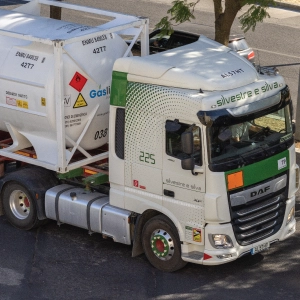
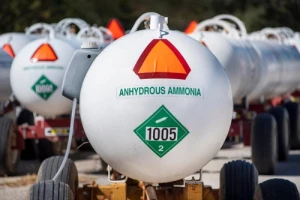
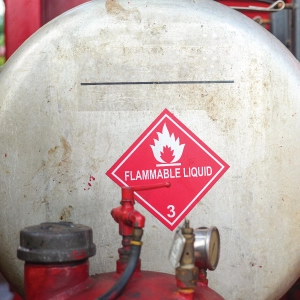
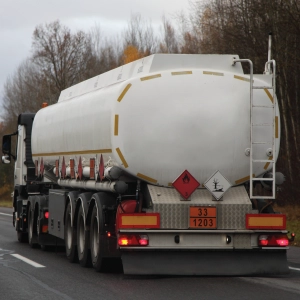
An X endorsement combines the Tanker (N) endorsement with the Hazardous Materials (H) endorsement, allowing a driver to legally operate tank vehicles carrying bulk hazardous liquids or gases.
Typical Industries for X Endorsement (Tanker + Hazmat)
The X endorsement is required when the cargo is both bulk liquid/gas AND classified as hazardous. Key industries include:
- Petroleum & Fuel Transport – gasoline, diesel, aviation fuel
- Chemical Manufacturing & Distribution – acids, solvents, industrial chemicals
- Oil & Gas – crude oil, drilling fluids, produced water (when classified as hazardous)
- Hazardous Waste Management – transport of regulated liquid waste
- Industrial Gas Transport – certain liquefied hazardous gases
These sectors demand strict compliance with hazmat regulations, placarding, and emergency procedures, making the X endorsement one of the most operationally critical CDL qualifications.
What Makes X Endorsement More Demanding?
1. Employer Liabilities When Managing Hazardous Tankers (X Endorsement)
Managing X-endorsed drivers isn’t just about qualifications, it’s about navigating regulatory bottlenecks, operational risk, and high-stakes compliance failures that directly impact fleet performance and profitability.
2. Regulatory Delays That Disrupt Hiring Pipelines
Unlike standard CDL roles, hiring X-endorsed drivers involves the TSA Security Threat Assessment (STA), a federal background check that can take 30–60 days or more.
For employers, this creates a serious staffing gap: trucks sit idle, or loads are reassigned while waiting for clearance, making it difficult to scale operations or respond to urgent contracts.
3. Strict Route Compliance with Zero Margin for Error
X-endorsed drivers must follow federally designated hazardous material routes under the Federal Motor Carrier Safety Administration’s National Hazardous Materials Route Registry (NHMRR).
If a driver deviates even to take a “faster” shortcut the consequences aren’t minor:
- Severe DOT fines
- Potential audits or investigations
- Damage to the company’s compliance record
This turns everyday dispatch decisions into high-risk compliance calculations, where even small routing errors carry major financial penalties.
4. High-Stakes Incident Exposure
A mistake with hazardous tanker loads isn’t just a spill, it can escalate into:
- Environmental damage and cleanup liability
- Emergency response activation
- Road closures and public safety incidents
For employers, this means multi-layered liability involving regulatory agencies, insurance providers, and potential legal claims, all from a single operational failure.
5. Insurance Pressure and Escalating Costs
Carrying hazardous liquids significantly raises the stakes for insurers. One violation, accident, or compliance issue can lead to:
- Increased premiums
- Policy restrictions or cancellations
- Difficulty securing future coverage
This makes driver qualification, training, and monitoring not just a safety priority but a financial necessity.
What are the Key Differences Between N and X Endorsements?
|
Feature / Factor |
Tanker (N) Endorsement |
X Endorsement (Tanker + Hazmat) |
|
Cargo Type |
Non-hazardous bulk liquids or gases (e.g., milk, water, industrial non-hazardous liquids) |
Bulk hazardous liquids or gases (e.g., gasoline, diesel, industrial chemicals, flammable or corrosive liquids) |
|
Legal Qualification |
Authorizes operation of tank vehicles for non-hazardous cargo |
Authorizes operation of tank vehicles carrying hazardous cargo; requires federal hazmat compliance |
|
Training Requirements |
Tank vehicle handling, basic liquid loading/unloading |
Tank vehicle handling + hazmat training, spill containment, emergency response procedures |
|
Safety Considerations |
Liquid surge, basic loading/unloading procedures |
Liquid surge, loading/unloading, plus strict hazmat safety protocols, PPE use, and emergency precautions |
|
Regulatory Screening |
Standard CDL qualification |
Federal background checks and hazmat-specific security screening |
|
Industries |
Food & beverage, water delivery, industrial non-hazardous liquids |
Fuel distribution, chemical transport, oil & gas logistics, hazardous liquid waste management |
|
Operational Complexity |
Moderate; mostly liquid handling and basic tank stability |
High; includes route planning, surge management, spill mitigation, and regulatory compliance |
Conclusion:
The difference between an N and an X endorsement isn’t just a licensing detail; it’s a direct lever on operational efficiency, regulatory exposure, and fleet profitability.
For employers, endorsement gaps translate into real business risks: deadhead miles, rejected loads, DOT fines, compliance violations, and lost contracts. Whether it’s a missed washout, a driver without the proper hazmat clearance, or a routing error on a restricted corridor, the impact is immediate and often expensive. On the flip side, a properly endorsed and trained workforce gives you flexibility to move freight without delays, confidence during inspections, and protection against costly violations.
That’s where structured ELDT programs come in, not as a checkbox, but as a corporate risk-management solution.
- The CDL Entry Level Driver Training (ELDT) – Tanker (N) Endorsement course helps ensure your drivers can handle non-hazardous liquid loads efficiently, reducing delays tied to improper handling, surge-related risks, and operational errors.
- The CDL Entry Level Driver Training (ELDT) – Hazmat + Tanker (X) Endorsement course goes further in equipping your team to meet strict hazmat regulations, avoid routing violations, and operate in compliance with the standards required for high-risk cargo.
Investing in the right endorsements isn’t about adding credentials; it’s about protecting your fleet from preventable losses, maintaining compliance under scrutiny, and keeping your operations moving without disruption.
In a market where margins are tight and regulations are stricter than ever, a fully endorsed fleet isn’t just qualified, it’s resilient, adaptable, and built to perform under pressure.