English and
 Español. After purchase, use the language toggle in your course Player to switch between English and Spanish at any time.
 EN
EN ES
ES




























































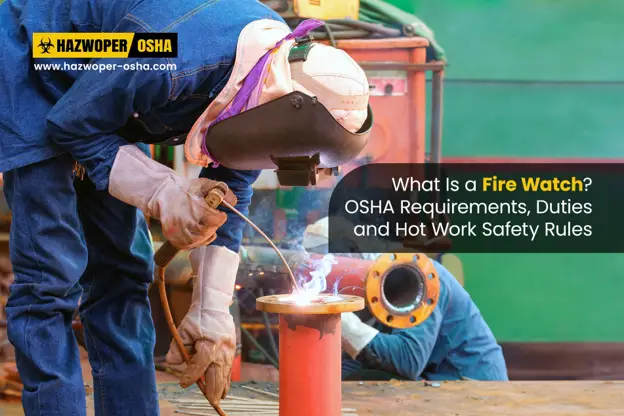
What Is a Fire Watch? OSHA Requirements, Duties, and Hot Work Safety Rules
Introduction:
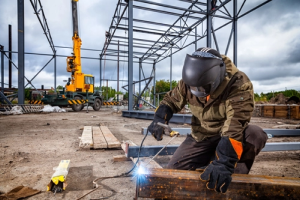
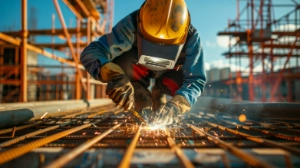
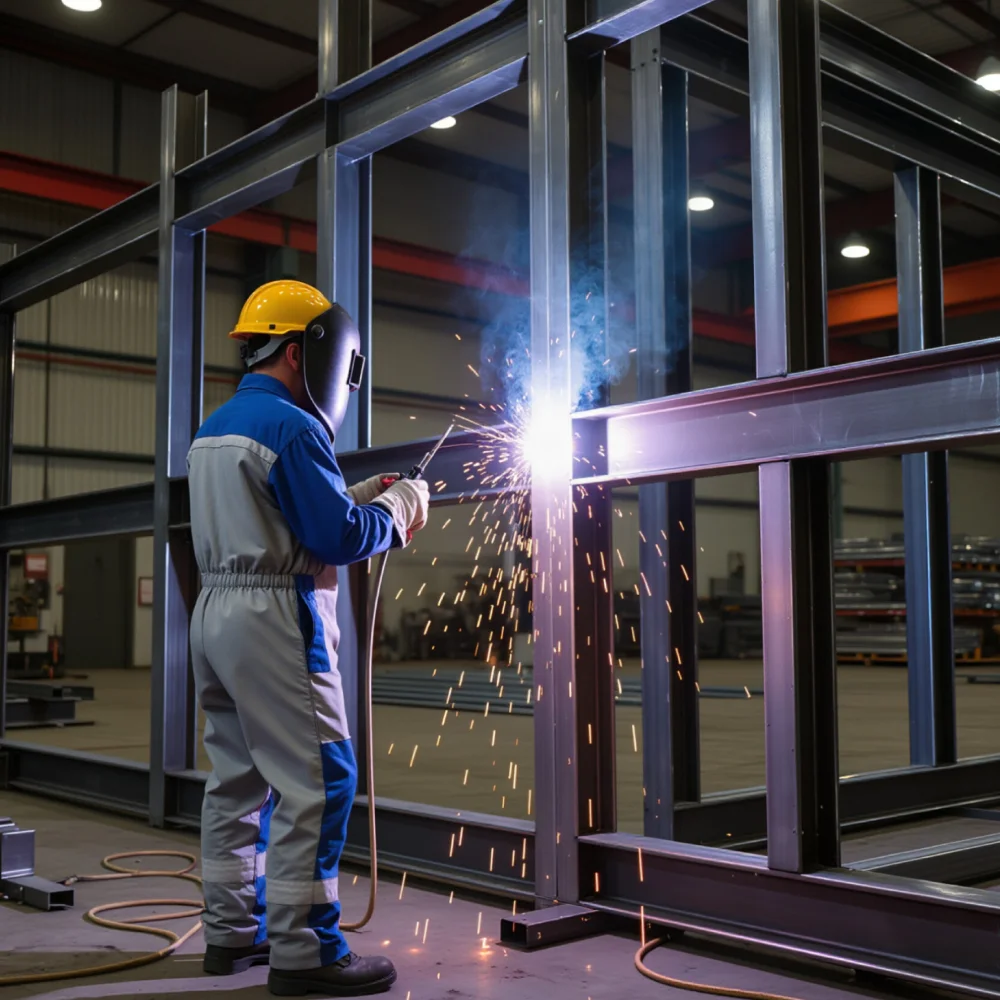
A welding torch can reach temperatures of thousands of degrees. One spark can travel through a wall opening, ignite hidden combustibles, and turn a routine repair into a serious fire within seconds. And sometimes, the fire starts after the welder has already stopped working.
That is why fire watch matters.
According to NFPA, hot work caused an estimated 4,580 structure fires annually, resulting in an average of 22 deaths, 171 injuries, and $484 million in direct property damage each year.
So, when does OSHA require a fire watch? What are their duties? Who can perform the role? And how long must they remain after hot work stops?
Let's break down the OSHA requirements, fire-watch duties, and hot-work safety rules every employer and worker should understand in this blog.
What Is a Fire Watch and Why Is It Required During Hot Work?
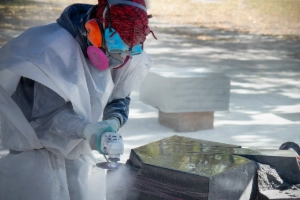
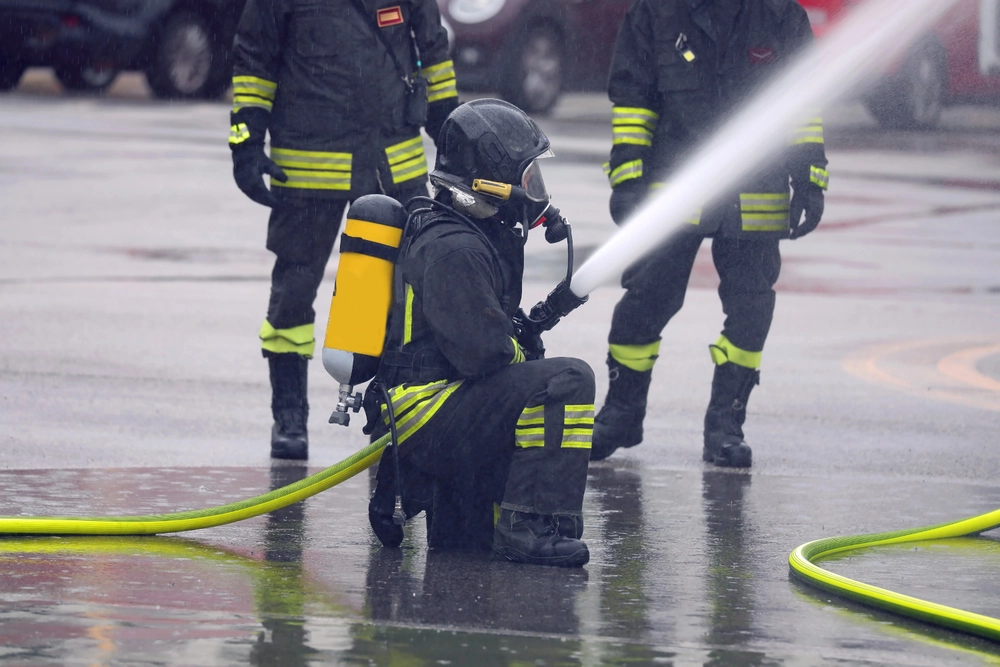
A fire watch is a trained person assigned to monitor an area where hot work is being performed for signs of fire or fire hazards. Their job is to watch for sparks, flames, smoke, smoldering materials, and heat exposure that could ignite combustible materials.
A fire watch must remain focused on this responsibility rather than treating it as a secondary task. They should have suitable fire-extinguishing equipment readily available, know how to use it, understand how to raise an alarm, and be prepared to stop work or initiate an emergency response when conditions become unsafe. OSHA's requirements vary by industry, so the exact duties and qualifications depend on the applicable standard.
Why Is a Fire Watch Required During Hot Work?
Hot work involves operations that generate enough heat, sparks, flames, or molten material to ignite combustible materials. Common examples include welding, cutting, brazing, soldering, grinding, and similar spark-producing activities. However, OSHA does not require a fire watch for every hot-work operation. The requirement depends on the surrounding fire hazards and the applicable OSHA standard.
Under 29 CFR 1910.252, a fire watch is required during welding or cutting when more than a minor fire could develop or when specific conditions exist, such as:
- Combustible materials within 35 feet of the work area.
- Combustibles located farther than 35 feet but easily ignited by sparks.
- Wall or floor openings that could allow sparks to reach combustible materials or concealed spaces.
- Combustibles on the opposite side of metal walls, partitions, ceilings, or roofs that could ignite through conduction or radiation.
The key point is that the 35-foot rule is not the only consideration. Fire-watch decisions must account for how sparks, slag, and heat can travel and whether combustible materials can be removed, shielded, or otherwise protected.
For shipyard operations, OSHA's 29 CFR 1915.504 provides additional fire-watch triggers, including situations involving openings, combustible materials that cannot be adequately protected, and combustible insulation or sandwich-type construction.
This means employers should evaluate the entire exposure area, not just the immediate point where the torch, electrode, or grinder is being used, before deciding whether a fire watch is necessary.
What Does OSHA Require for Fire Watch Personnel?
When a fire watch is required, the person assigned to the role must be able to monitor the areas exposed to hot work and respond appropriately if a fire develops. OSHA's requirements differ slightly between general industry and construction, but both standards emphasize having personnel specifically assigned to guard against fire when normal precautions are not enough.
Can a Welder Be Their Own Fire Watch?
When a fire watch is required, the person performing the hot work should not simultaneously be expected to provide effective fire-watch coverage. worker concentrating on welding, cutting, or heating may not be able to continuously observe surrounding areas for sparks, heat, or developing fires.
For construction, OSHA specifically requires additional personnel to guard against fire when normal fire-prevention precautions are insufficient. In general industry, OSHA requires fire watchers to monitor all exposed areas and respond to fires, making effective, dedicated coverage essential.
What Training Does a Fire Watch Need?
OSHA does not establish one universal “fire watch certification” for every workplace. Instead, personnel must receive training appropriate for their responsibilities and the applicable standard.
Under 29 CFR 1910.252, fire watchers must be trained to use the available fire-extinguishing equipment and be familiar with the facilities for sounding an alarm.
For construction, 29 CFR 1926.352 requires personnel assigned to guard against fire to be instructed about the specific fire hazards they are expected to encounter and how to use the firefighting equipment provided.
At a practical level, fire-watch training should prepare workers to recognize potential ignition hazards, understand the hot-work area, use the available firefighting equipment, and know when to raise an alarm rather than attempt to control a fire.
Can a Fire Watch Perform Other Work?
A fire watch needs to remain sufficiently attentive to detect a fire while hot work is underway. Assigning unrelated tasks that interfere with continuous monitoring can undermine the purpose of the fire watch.
The focus should remain on watching the exposed areas and responding to developing fire hazards. If the worker cannot maintain effective observation because of another assignment, the employer should provide another qualified person to maintain the required fire-watch coverage.
How Many Fire Watch Workers Are Needed?
OSHA does not establish a universal one-fire-watch-per-welder ratio for general industry or construction. The number of personnel needed depends on job conditions and whether the assigned fire watch can effectively monitor all areas exposed to sparks, heat, and slag.
Additional personnel may be necessary when:
- Multiple hot-work locations cannot be monitored from one position.
- Walls, floors, partitions, or other obstructions block visibility.
- Sparks or heat can reach areas that cannot be observed from the work location.
- Different levels or adjacent areas require separate monitoring.
- One person cannot respond quickly enough to a developing fire.
The goal is not to assign a predetermined number of fire watchers. It is to ensure every area exposed to the hot-work operation is adequately monitored for fire hazards.
What Equipment and Safety Controls Does a Fire Watch Need?
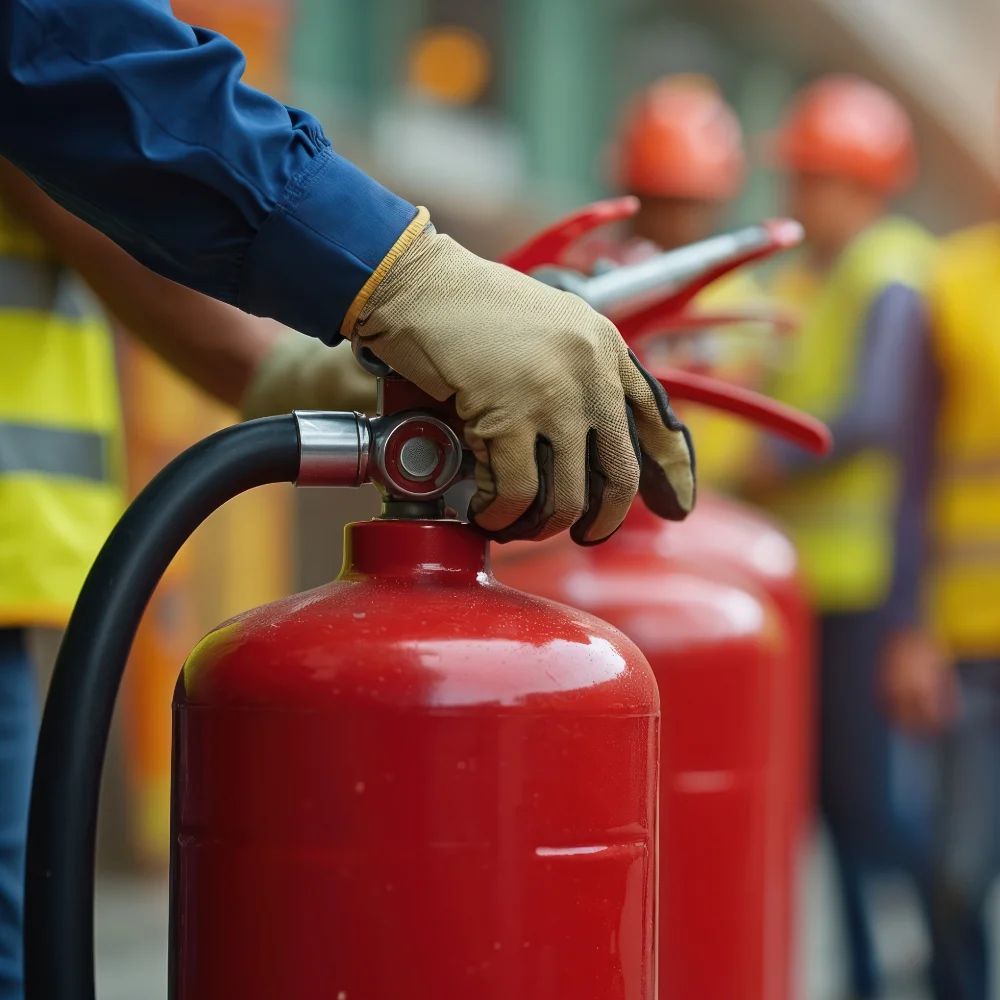
OSHA requires suitable fire-extinguishing equipment to be readily available and maintained in a state of readiness, with the specific equipment depending on the nature and quantity of combustible materials present.
Fire-Extinguishing Equipment
Depending on the hazards, this may include:
- Portable fire extinguishers
- Water buckets or pails
- Sand
- Fire hoses
The equipment selected should match the combustible materials and fire hazards present. OSHA permits a fire watch to attempt extinguishment only when the fire is obviously within the capability of the available equipment; otherwise, the alarm should be sounded.
Communication and Alarm Equipment
A fire watch must be able to raise the alarm quickly if a fire develops. OSHA requires fire watchers to be familiar with the facilities used to sound an alarm.
Depending on the workplace, effective communication may include:
- Employee alarm systems
- Radios
- Telephones
- Other site-approved communication methods
PPE and Physical Access
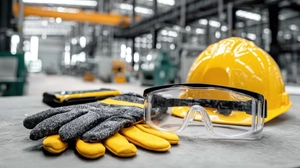
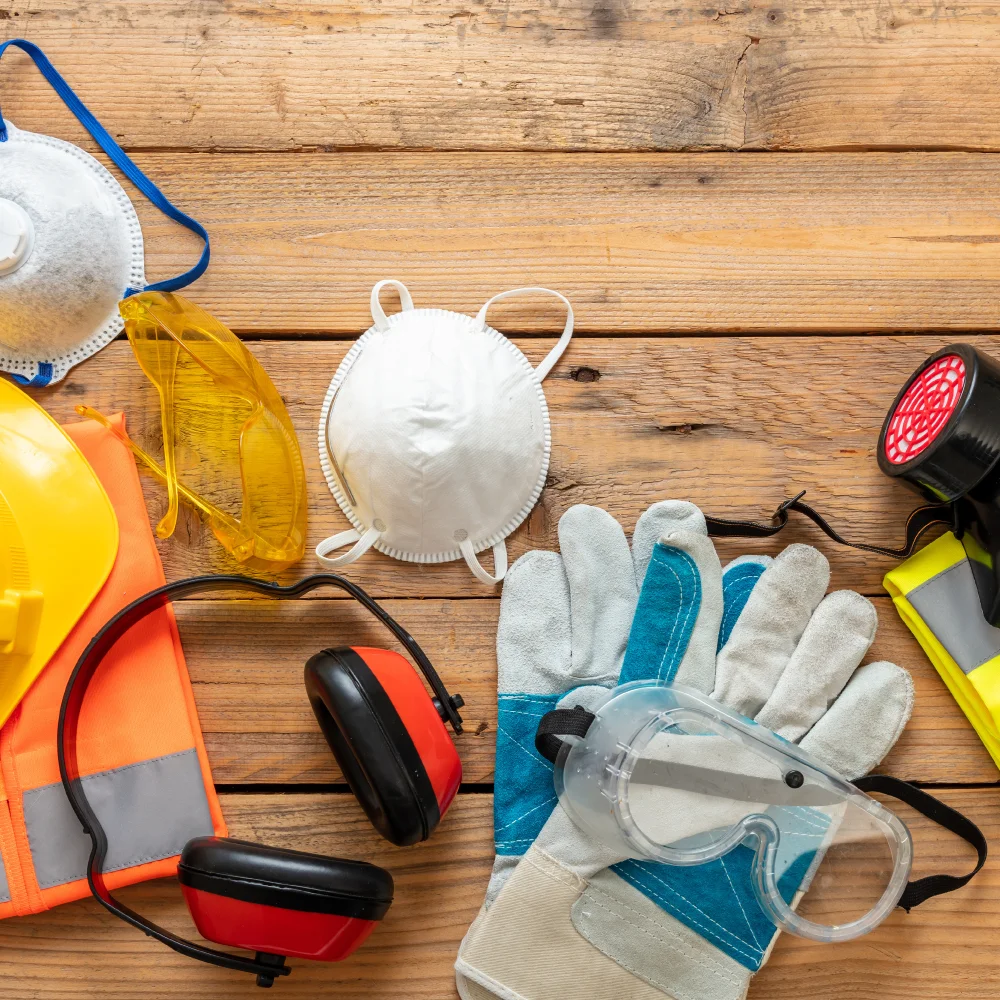
PPE should be selected according to the hazards of the hot-work environment. OSHA requires employees exposed to welding, cutting, or brazing hazards to receive appropriate PPE under its applicable requirements.
A fire watch also needs safe, unobstructed access to the areas being monitored. This is particularly important when sparks or heat can travel through floor openings, wall openings, adjacent spaces, or other locations outside the immediate work area. If the fire watch cannot safely observe or reach an exposed area, additional controls or personnel may be necessary.
Fire-Resistant Barriers and Covers
Fire-resistant barriers, guards, blankets, and similar controls can help confine heat, sparks, and slag and protect combustible materials that cannot be removed.
These controls should not be treated as a substitute for evaluating whether a fire watch is necessary.
The goal is to create multiple layers of protection: remove combustible materials where possible, shield those that cannot be removed, keep appropriate firefighting equipment ready, and provide a fire watch when the conditions require one.
How to Conduct a Fire Watch for Safe and Compliant Hot Work?
A proper fire watch starts before the first spark and continues until the area is no longer at risk of developing a fire. The goal is to identify fire hazards, maintain effective observation during hot work, and respond quickly if sparks or heat ignites nearby materials.
Use the following steps to conduct an effective fire watch:
Step 1: Assess the Work Area
Before hot work begins, inspect the work area and surrounding spaces for potential fire hazards. Look beyond the immediate work point because sparks and heat can travel through openings, gaps, floors, walls, and other structures.
Check for:
- Combustible materials near the work area
- Combustibles that could be ignited by sparks from a greater distance.
- Openings, cracks, or gaps that could allow sparks to reach another area
- Combustible materials on the opposite side of walls, floors, ceilings, or metal partitions
- Hidden or concealed spaces where heat or sparks could cause ignition
Step 2: Eliminate or Protect Fire Hazards
Remove movable combustibles from the area whenever practical. If materials cannot be moved, protect them with appropriate fire-resistant guards, shields, covers, or other controls that can contain sparks, heat, and slag.
In construction, OSHA similarly requires combustible hazards to be removed or protected and requires positive means of confining heat, sparks, and slag when hazards cannot be eliminated.
If the area cannot be made adequately fire safe, do not proceed with hot work.
Step 3: Position the Fire Watch
Position the fire watch where they can effectively observe all exposed areas and quickly access the available firefighting equipment.
The fire watch should not focus only on the welder or cutting point. Depending on the work environment, this may require monitoring adjacent rooms, lower levels, the opposite side of a wall, or concealed areas exposed to sparks or heat.
Step 4: Monitor Continuously During Hot Work
Once hot work begins, actively monitor exposed areas. Watch for:
- Falling sparks or hot slag
- Smoke or flames
- Smoldering materials
- Unexpected heat buildup
- Ignition of nearby combustibles
- Fire developing outside the immediate work area
The fire watch should remain attentive, not simply stand by an extinguisher. .
Step 5: Respond Immediately if a Fire Starts
If a fire develops, the fire watch should assess the situation and act according to their training and the workplace emergency procedure.
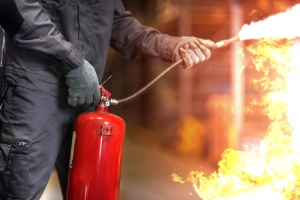
For a small fire that is clearly within the capability of the available equipment, the fire watch may attempt to extinguish it. If the fire cannot be safely controlled, the fire watch should sound the alarm and initiate the appropriate emergency response.
A simple response sequence is:
Detect → Alert → Extinguish if Safe → Escalate if Necessary
OSHA's general industry standard specifically states that a fire watcher should attempt extinguishment only when the fire is obviously within the capacity of the available equipment; otherwise, the alarm should be sounded.
Step 6: Continue the Fire Watch After Hot Work Ends
Stopping the welding, cutting, or heating does not automatically eliminate the fire hazard. Hot materials, hidden sparks, and smoldering combustibles can remain capable of causing ignition after work stops.
For general industry, OSHA requires a fire watch to continue for at least 30 minutes after welding or cutting is completed to detect and extinguish possible smoldering fires.
For construction, OSHA requires additional personnel to remain for a sufficient period after the work is completed to ensure that no possibility of fire exists. The construction standard does not establish the same fixed 30-minute period.
The fire watch should end only when the applicable requirement has been satisfied, and the area has been determined to be free from remaining fire hazards.
Conclusion:
A fire watch is not simply an extra person standing beside a welder. It is an important part of hot work safety when sparks, heat, or other conditions could create a fire hazard. The effectiveness of the role depends on understanding the work environment, identifying potential exposures, and maintaining effective oversight throughout the operation.
OSHA's requirements also show why a one-size-fits-all approach does not work. The need for a fire watch, the number of personnel required, and the length of the post-work watch can depend on the work conditions and whether the operation falls under general industry or construction requirements.
For employers, the key is to treat fire watch as part of the overall hot work safety process not as a last-minute assignment. Workers performing or monitoring hot work should understand the hazards, know the applicable OSHA requirements, and be prepared to respond before a small ignition becomes a serious fire.
Proper training helps turn these requirements into practical safety decisions on the job. OSHA hot work safety training can help workers and employers better understand fire hazards, safe work practices, and the responsibilities involved in controlling hot work risks.
Frequently Asked Questions
OSHA requires a fire watch when welding or cutting could cause more than a minor fire, such as when combustible materials, openings, or heat-transfer hazards are present. In construction, additional personnel are required when normal fire-prevention measures are insufficient.
No. OSHA does not require a fire watch for every hot work operation. The need depends on the fire hazards present and whether existing fire-prevention measures adequately control those hazards.
For general industry, OSHA requires a fire watch for at least 30 minutes after welding or cutting ends. For construction, personnel must remain for a sufficient period to ensure there is no remaining possibility of fire.
OSHA does not require one universal fire-watch certification. Fire-watch personnel must understand the anticipated fire hazards and know how to use the available firefighting equipment and alarm system.
If the fire is clearly within the capability of the available equipment, the fire watch may attempt to extinguish it. If it cannot be safely controlled, they should sound the alarm and initiate the appropriate emergency response.