English and
 Español. After purchase, use the language toggle in your course Player to switch between English and Spanish at any time.

 EN
EN ES
ES










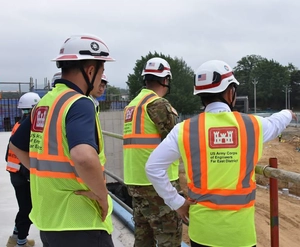
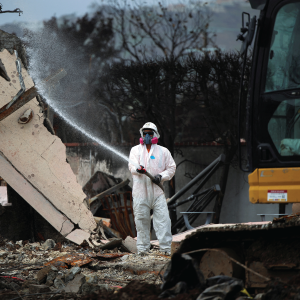
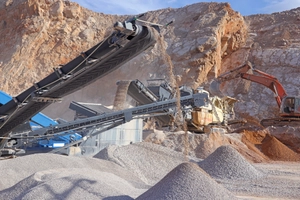


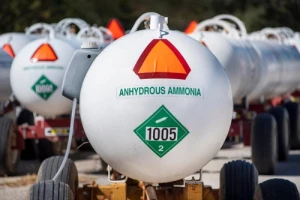




























































































What are the Highest Paying Blue-Collar Jobs in 2026?

Introduction:
For decades, a four-year college degree was seen as the standard path to financial stability. In 2026, that assumption is shifting as rising tuition costs, persistent skilled labor shortages, and large-scale investments in infrastructure, energy, manufacturing, and technology are expanding high-paying opportunities in skilled trades.
In some regions, experienced elevator installers, power line technicians, industrial electricians, aircraft mechanics, and specialized pipefitters can reach six-figure incomes through a mix of wages, overtime, certifications, and high-demand expertise. However, these figures vary significantly depending on location, experience, and work conditions.
It is also important to recognize that these careers often require structured training, apprenticeships, licensing, physical labor, and sometimes irregular schedules. High income potential does not automatically translate into the right career fit for everyone.
So which blue-collar jobs offer the strongest earning potential in 2026, and what does it actually take to reach them?
In this guide, we break down the highest-paying blue-collar jobs in 2026, along with salary ranges, training paths, job outlook, and the real-world factors that shape long-term earning potential.
Why High-Paying Blue-Collar Careers Are Booming in 2026
The economic landscape has fundamentally revalued the physical workforce, transforming what were once considered baseline trades into high-margin technical careers. This surge in blue-collar earning power is not a temporary market fluctuation, but rather the result of powerful macroeconomic shifts colliding across industrial sectors. To understand how trade compensation is hitting historic highs, it is essential to analyze the specific operational forces currently driving on-site demand.
Skilled labor shortages are putting upward pressure on wages
Across many U.S. states,a large portion of the skilled trades workforce is nearing retirement, while fewer new workers are entering apprenticeship pipelines. This has created shortages in critical roles such as electricians, welders, HVAC technicians, and industrial maintenance workers. Industry metrics from groups like the Associated Builders and Contractors (ABC) reveal that construction sectors alone require over 340,000 new workers this year to sustain project velocity. In response, employers in competitive markets are offering higher base wages, overtime opportunities, signing bonuses, and travel incentives to attract qualified workers. However, wage growth is not uniform and is strongest in regions with active industrial or infrastructure projects.
Infrastructure, energy, and manufacturing investments are driving demand
Federal and private investment in infrastructure modernization, renewable energy expansion, semiconductor manufacturing, logistics networks, and transportation systems is increasing demand for skilled labor across the U.S. This hiring surge is hyper-accelerated because historic federal funding windows, including advance appropriations from the Infrastructure Investment and Jobs Act (IIJA), face critical reauthorization deadlines on September 30, 2026. This fixed regulatory calendar has triggered an aggressive push by developers to break ground on mega-projects before authorizations expire, creating intense localized bidding wars for certified craftsmen.Many skilled trades are more resilient to AI automation but not immune
Unlike many office-based roles, skilled trades often involve hands-on work in unpredictable environments, making full automation more difficult. Occupations such as electrical work, pipefitting, equipment repair, and field maintenance still require on-site judgment and technical problem-solving. However, this does not mean these roles are unaffected by technology. In the U.S., automation and AI are increasingly being used to improve diagnostics, planning, and equipment monitoring, which can reduce certain tasks while reshaping how work is performed rather than eliminating it entirely.
Highest Paying Blue-Collar Jobs in 2026
In the United States, skilled blue-collar occupations continue to offer some of the strongest earning potential outside traditional white-collar career paths. However, securing elite compensation is less about a static job title and more about strategic specialization, union access, and market demand. To provide a clear operational roadmap, the profiles below break down the premier high-earning trades in 2026, fusing realistic base salary ranges with the exact training tracks, time horizons, and real-world field drivers required to accelerate your pathway to a six-figure income.
Construction Manager
Construction managers coordinate budgets, timelines, materials, and on-site execution across residential, commercial, and infrastructure projects. While often considered a supervisory role, many professionals enter this position after years of hands-on trade experience.
- Median salary: ~$105,000–$110,000/year
- Top-earner potential: $150,000–$200,000+ (typically in large metro areas or major infrastructure projects with higher responsibility and scale)
- Typical training path:
Most professionals enter skilled trades such as carpentry, electrical work, or plumbing and build expertise through several years of on-site experience. While a bachelor’s degree in construction management can support advancement into supervisory roles, it is not a universal requirement across the industry. OSHA safety training and certifications remain a core expectation for site readiness and compliance.
In many regions, major general contractors, construction firms, unions, and local jurisdictions legally mandate an OSHA 30 card as a baseline condition of employment for construction site leaders to reduce project liability and ensure compliance with 29 CFR 1926 standards. A widely recognized pathway is the OSHA 30-Hour Outreach Training for Construction Industry with DOL Card (English), which equips supervisors and competent persons with foundational knowledge in hazard recognition, prevention strategies, and OSHA regulatory requirements commonly enforced on active job sites.
Demand outlook:
Strong in the U.S., driven by ongoing infrastructure upgrades, commercial development, and housing demand. Growth is steady but tied to construction cycles and regional investment activity.
How to grow or excel:
- Career progression is accelerated by gaining hands-on trade experience first, followed by site supervision responsibilities. Professionals who develop strong OSHA compliance knowledge, project coordination skills, and budgeting experience tend to transition into higher-value, large-scale infrastructure or commercial projects more quickly.
Elevator and Escalator Installer
These technicians install, maintain, and repair complex vertical transportation systems in commercial and residential buildings. The role is highly specialized and typically union-based in the U.S.
- Median salary: ~$105,000–$107,000/year
- Top-earner potential: $140,000–$160,000+ (often driven by overtime, union contracts, and high-cost urban markets)
- Typical training path: A typical entry pathway involves a 4–5 year structured apprenticeship (commonly through programs such as NEIEP in the U.S.), combining classroom-based technical instruction with extensive on-the-job training. Depending on the state or jurisdiction, additional licensing or certification may be required before independent work is permitted.
- Alongside trade skill development, safety and compliance training is a critical parallel requirement throughout the apprenticeship. This includes OSHA-aligned training focused on hazard recognition, electrical safety fundamentals, lockout/tagout procedures, fall protection, and PPE compliance to ensure workers can safely operate in energized environments and active job sites while meeting 29 CFR 1926 construction standards.
- Demand outlook: Stable and steady, with demand tied to urban construction, modernization of older buildings, and strict maintenance regulations.
How to grow or excel:
Earning potential increases through union progression, overtime availability, and specialization in complex repair systems. Exposure to high-rise commercial projects and advanced diagnostics work typically accelerates wage growth after apprenticeship completion.
Power Line Installer and Repairer (Lineman)
Power line workers build and maintain electrical transmission and distribution networks, often in physically demanding and high-risk outdoor environments.
- Median salary: ~$90,000–$105,000/year
- Top-earner potential: $140,000–$180,000+ (frequently influenced by storm response work, overtime, and emergency deployments)
- Typical training path: A 3–4 year apprenticeship through utilities or trade programs, often requiring a CDL. Safety training and field readiness are critical due to the hazardous nature of the work.
- Demand outlook: Strong, supported by grid modernization, aging infrastructure, and ongoing retirements in the workforce.
How to grow or excel:
Income growth is strongly tied to storm response work, overtime availability, and willingness to travel for emergency deployments. Workers who qualify for outage restoration crews and high-voltage specialized assignments typically reach higher earnings faster.
Industrial Electrician
Industrial electricians install and maintain electrical systems in factories, plants, and automated industrial environments, often working with complex machinery and control systems.
- Median salary: ~$75,000–$95,000/year
- Top-earner potential: $110,000–$140,000+ (higher in union roles, specialized industries, or with significant overtime)
- Typical training path: A 4–5 year apprenticeship is standard, followed by journeyman and potentially master electrician licensing. Continuous training is required as industrial automation systems evolve.
- Demand outlook: Strong in the U.S., driven by manufacturing expansion, automation upgrades, and energy-sector investments.
How to grow or excel:
Higher earnings come from specialization in automation systems, PLC programming, and industrial shutdown work. Experience in large manufacturing or energy facilities significantly increases long-term earning potential.
HVAC Technician
HVAC technicians install and service heating, ventilation, air conditioning, and refrigeration systems in residential, commercial, and industrial settings.
- Median salary: ~$55,000–$75,000/year
- Top-earner potential: ~$90,000–$110,000+ (commercial HVAC, refrigeration specialization, and emergency service work tend to pay higher)
- Typical training path: Training ranges from short technical programs to multi-year apprenticeships. EPA certification is required for refrigerant handling, and additional certifications like NATE can improve earning potential.
- Demand outlook: Strong and consistent across the U.S. due to year-round climate control needs and ongoing system maintenance demand.
How to grow or excel:
- Technicians who specialize in commercial HVAC, refrigeration systems, or emergency service contracts tend to earn more due to on-call demand and system complexity. Industrial and ammonia refrigeration exposure also increases earning potential.
Crane Operator
Crane operators control heavy lifting equipment used in construction, shipping, and large-scale infrastructure projects.
- Median salary: ~$70,000–$90,000/year
- Top-earner potential: $110,000–$140,000+ (higher in unionized environments and major infrastructure projects requiring complex lifts)
- Typical training path: Vocational training or apprenticeship followed by NCCCO certification, which is widely required for crane operation in the U.S.
- Demand outlook: Moderate but steady, closely tied to construction cycles, port activity, and large infrastructure development.
How to grow or excel:
- Higher earnings are linked to certification on multiple crane types, experience on large-scale infrastructure projects, and availability for overtime-heavy union jobs in major metro areas.
Heavy Equipment Operator
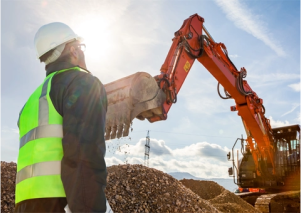
Heavy equipment operators handle machinery such as bulldozers, excavators, graders, and loaders used in construction, mining, and road building.
- Median salary: ~$55,000–$75,000/year
- Top-earner potential: $90,000–$120,000+ (typically in union jobs, large infrastructure projects, or specialized excavation work)
- Typical training path: Entry is typically through vocational programs or on-the-job training. A CDL is often beneficial or required depending on the role and employer.
- Demand outlook: Stable in the U.S., supported by infrastructure renewal projects, housing demand, and road construction activity, though subject to economic cycles.
How to grow or excel:
Operators increase earnings by specializing in complex machinery, joining unionized infrastructure projects, and gaining experience on large-scale civil construction sites with overtime availability.
While many of these jobs offer strong long-term earning potential, they also require significant training, physical effort, and in some cases irregular schedules or high-responsibility environments. Understanding these trade-offs is essential when evaluating which career path is realistically the right fit.
Choosing the Right Blue-Collar Career: Salary vs Lifestyle
Not all skilled trades offer the same lifestyle, even when pay levels appear similar. In many cases, compensation increases alongside physical demands, schedule disruptions, environmental exposure, and operational responsibility.
Trades With More Predictable Schedules
Some trades generally provide more structured routines and consistent work environments.
- Light commercial electricians
- HVAC technicians focused on scheduled residential or commercial service
- Industrial maintenance technicians in facilities with planned maintenance programs
These roles often involve regular hours and climate-controlled environments, although overtime and emergency repairs can still occur.
Trades That Balance Stability and Earnings
Certain trades benefit from strong long-term demand because they support essential systems that require ongoing maintenance and compliance.
- Industrial electricians
- Elevator and escalator installers
- Specialized HVAC technicians
Because businesses and infrastructure depend on these systems, experienced workers often enjoy solid job security and opportunities for advancement.
Trades With Higher Pay and Greater Demands
Higher-paying trades frequently involve greater risk, responsibility, or lifestyle disruption.
- Power line installers and repairers
- Crane operators
- Heavy equipment operators
- Construction supervisors
For example, power line workers may respond to outages during storms, work at heights around high-voltage systems, and remain on call outside normal business hours. Similarly, crane operators and construction supervisors carry significant safety and operational responsibilities. In many cases, premium wages reflect overtime, hazardous conditions, and schedule unpredictability rather than base hourly rates alone.
Blue-Collar Career Fit: Strategic Decision Matrix
The best trade is rarely the one with the highest advertised salary on paper. Long-term career satisfaction and maximum earnings come from choosing a role that matches your lifestyle parameters. Use the conditional profiling paths below to map your personal tolerances to your ideal career outcome:
|
If Your Core Profile Priorities Are... |
Your Environmental/Physical Tolerance Is |
Then Your Optimal Strategic Target Match Is: |
|
The Predictable Schedule Track • Prefers steady, local day shifts • Prioritizes structured, predictable routines • Seeks stable work-life balance over overtime spikes |
Indoor / Climate-Controlled • Low tolerance for heights or extreme weather • Prefers clean commercial, residential, or cleanroom environments |
Light Commercial Electrician or Scheduled Residential HVAC Technician |
|
The Automation & Precision Track • Values high job security tied to regulatory compliance • Wants a balance of structural advancement and strong technical demand |
Advanced Industrial / Mechanical Enclosures • Comfortable working inside mechanical rooms, elevator pits, production plants, and electrical arc boundaries |
Elevator & Escalator Installer or Industrial Plant Maintenance Electrician |
|
The High-Velocity Infrastructure Track • Willing to accept extended shifts and weekend call-outs • Prioritizes maximum overtime, hazard pay, and storm deployment spikes |
High-Risk / Outdoor Rigor • Zero fear of extreme heights, sub-zero/high-heat weather fronts, or managing multi-million dollar high-voltage liabilities |
Power Line Lineman, Crane Operator, or Specialized Heavy Excavation Operator |
|
The Management & Supervision Track • Prefers transitioning away from raw physical labor • Seeks direct authority over multi-trade site budgets, workflows, and regulatory compliance |
Dynamic Commercial Construction Sites • High tolerance for high-responsibility, fluid project landscapes, and on-site vendor safety monitoring |
Construction Site Supervisor / Project Manager |
Conclusion:
From power line workers restoring critical infrastructure in emergency conditions to industrial electricians keeping automated systems running, these roles share one common reality: strong earning potential comes with responsibility, specialization, and experience.
What this landscape makes clear is that skilled trades are no longer “fallback” careers. They are structured, high-demand professions that sit at the center of the U.S. economy's infrastructure, energy, manufacturing, and logistics systems. But the difference between an average income and a six-figure career often comes down to proper preparation, training, recognized certifications, and a clear understanding of how the industry actually works on the ground.
For anyone considering entering these fields, the most important step is not choosing the highest-paying job on paper, but building the right foundation of skills that employers actively demand. OSHA safety knowledge, technical certifications, and role-specific training are often the entry points into better opportunities and faster career progression.
The right training doesn’t just help you qualify for a job; it helps you position yourself for a safer, more stable, and higher-earning career in the evolving blue-collar workforce.
Frequently Asked Questions
No, most skilled blue-collar jobs do not require a four-year college degree. Many roles are accessible through apprenticeships, vocational training, or entry-level positions that offer on-the-job learning. However, some advanced or supervisory roles may prefer additional technical education or certifications.
Union jobs typically offer more structured wage increases, overtime rules, retirement plans, and stronger job protections. Non-union roles may offer more flexibility or faster entry, but pay, benefits, and long-term stability can vary widely depending on the employer.
Most skilled trades involve some level of physical risk, especially in construction, utilities, and industrial environments. However, U.S. employers are required to follow OSHA safety standards, and many roles include health insurance, workers’ compensation, and safety training to reduce risk and support injured workers.
Apprenticeship programs can be competitive in high-paying trades such as electrical work, lineman roles, and elevator installation. Many programs have limited openings, require entrance exams or interviews, and may prioritize candidates with basic technical training, math aptitude, or prior field exposure.
Many full-time skilled trade positions include benefits such as health insurance, retirement plans (like pensions or 401(k) contributions), paid time off, and overtime pay. Unionized roles often offer more standardized and comprehensive benefit packages than non-union positions.
Discover the highest-paying blue-collar jobs in 2026, salaries, fastest paths to $100K, training, and real-world career opportunities in the U.S.