English and
 Español. After purchase, use the language toggle in your course Player to switch between English and Spanish at any time.
 EN
EN ES
ES































How Do You Perform Gas Testing in a Confined Space Step by Step?
Introduction:
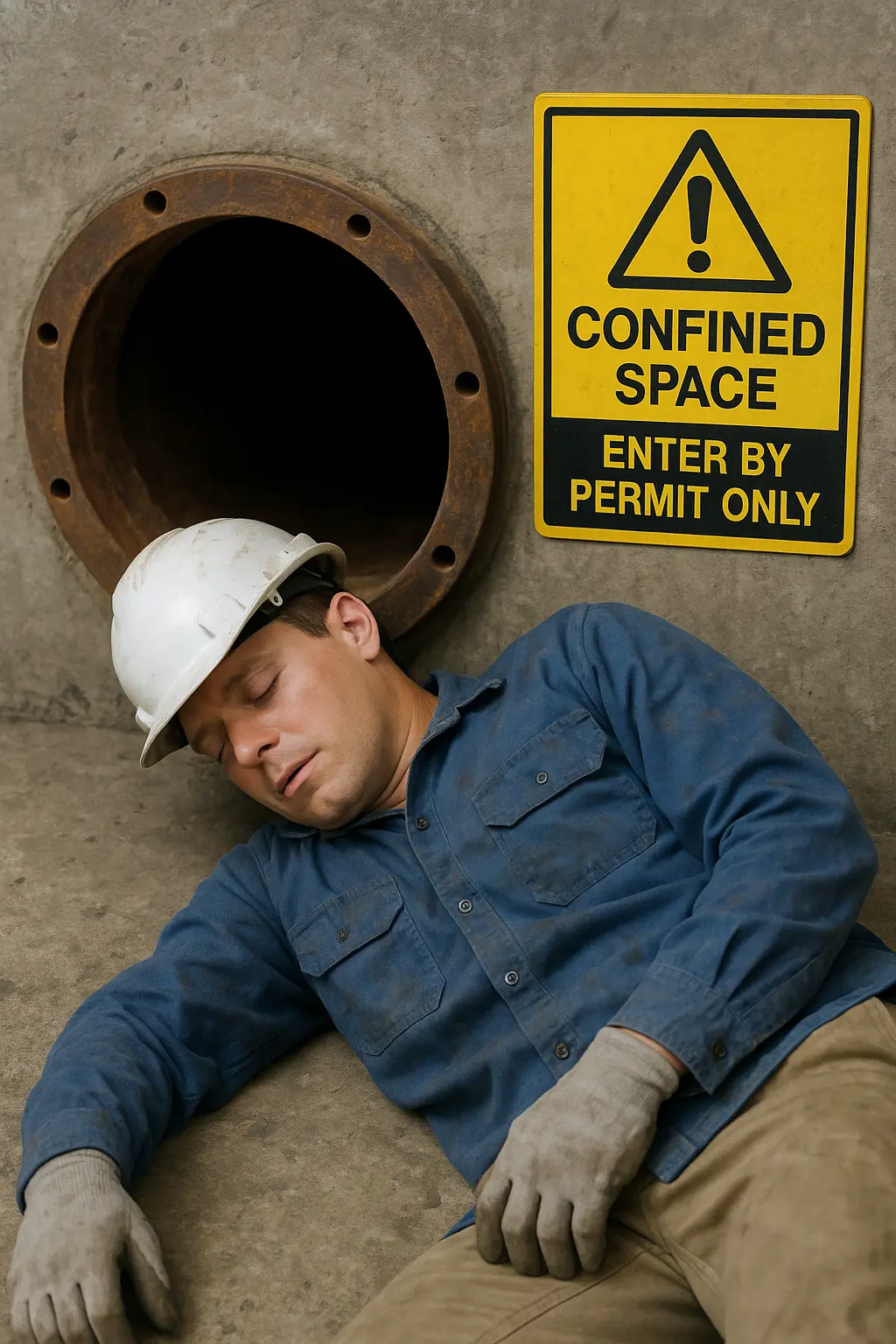
A confined space may not appear hazardous but it may have life-threatening atmospheric risks. A vessel that appears stable, a tank that has been recently emptied, or a sewer line opened for maintenance can all harbor unsafe atmospheric conditions, such as oxygen deficiency, toxic gas buildup, or flammable vapors. These conditions are often invisible and result due to ongoing chemical reactions, residual materials, or inadequate ventilation during work activities.
In industrial operations, incidents in confined spaces are rarely caused by a single factor; they are typically the result of incomplete or improperly executed atmospheric testing procedures.
Not only thus, but it is also important to distinguish between gas testing, the pre-entry evaluation of atmospheric conditions, and gas monitoring, the continuous assessment during entry. Both are essential components of confined space safety and serve different operational purposes.
This guide provides a clear, step-by-step breakdown of how to perform gas testing in a confined space, designed specifically for safety supervisors responsible for field execution. The goal is to help standardize procedures, reduce operational risk, and support safer confined-space entry decisions through a consistent, practical approach.
Why Gas Testing in Confined Spaces Cannot Be Skipped?
Gas testing is the process of measuring atmospheric conditions inside a confined space before entry using calibrated detection equipment. It is used to identify oxygen deficiencies or enrichment, flammable gases, and toxic contaminants that could place workers at immediate risk. Because atmospheric hazards are often invisible and odorless, gas testing is a critical step in determining whether a confined space is safe to enter.
Why Gas Testing is Non-Negotiable in Confined Spaces
- Human senses cannot detect atmospheric hazards
Many hazardous gases are colorless and odorless, while oxygen-deficient environments may not produce warning signs before causing serious injury or unconsciousness. Gas testing provides accurate readings that visual observation alone cannot.
- Confined space conditions can change unexpectedly
Atmospheric conditions inside a confined space are not always stable. Residual chemicals, trapped gases, or disturbed materials can quickly alter oxygen levels or release hazardous vapors, even after the space initially appears safe.
- It verifies whether entry conditions are acceptable
Gas testing provides measurable data confirming that oxygen, flammable gas, and toxic contaminant levels are within safe limits established by site procedures and regulations before workers enter the space.
- It determines the need for additional controls
Test results help identify whether precautions such as ventilation, purging, isolation, or respiratory protection are required to reduce atmospheric hazards before entry begins.
- It supports informed entry authorization decisions
Entry supervisors and safety personnel rely on gas-testing data to make evidence-based decisions about whether work can proceed safely, rather than relying on assumptions about the atmosphere.
- It establishes a baseline atmospheric profile
Initial gas testing creates a reference point for the confined space atmosphere, helping teams evaluate changing conditions and confirm that control measures are effectively maintaining a safe environment.
- It reduces the risk of serious incidents and fatalities
Toxic exposure, fire, explosion, and oxygen-deficient atmospheres remain leading causes of confined space fatalities. Gas testing helps identify these hazards early, allowing corrective actions to be taken before workers are exposed.
Equipment and Roles Required for Accurate Gas Testing
Accurate gas testing in confined spaces depends on trained personnel, appropriate gas detection equipment, and verified instrument readiness. These elements ensure atmospheric readings are reliable enough to support safe entry decisions.
Who Should Perform Gas Testing
Gas testing must be carried out by a trained and site-authorized competent person familiar with confined space hazards and gas detection equipment.
They should be able to:
- Operate and interpret multi-gas detectors correctly
- Understand sensor limits such as drift and cross-sensitivity
- Follow correct sampling procedures for confined spaces
- Identify when conditions require additional controls
Competency includes training, authorization, and practical experience, not training alone.
Essential Gas Detection Equipment
Gas testing requires calibrated multi-gas detectors selected based on site-specific hazards. A single device type may not suit all environments.
Supporting tools may include:
- Sample pumps for remote testing
- Extension probes for depth-level sampling
- Calibration gases for verification
Equipment must match the actual atmospheric risks of the confined space.
Pre-Use Equipment Checks
Before use, gas detection equipment must be verified to ensure accuracy:
- Calibration check – Ensures the device provides accurate gas readings by adjusting the sensors with certified calibration gas according to manufacturer recommendations.
- Physical inspection – Verifies the overall condition of the equipment, including sensors, battery charge, display screen, filters, tubing, and audible/visual/vibrating alarms for any signs of damage or malfunction.
- Bump test – Confirms that sensors and alarms respond properly by briefly exposing the monitor to a known concentration of test gas before each day’s use.
Skipping these checks can lead to false safe or false hazard readings, affecting entry decisions.
Step-by-Step Process to Perform Gas Testing in a Confined Space
Gas testing in confined spaces must follow a controlled process to verify atmospheric safety before entry and maintain safe conditions during work. OSHA guidance recommends testing in a specific order: oxygen first, then flammable gases, and finally toxic gases.
To simplify the process, gas testing can be divided into three stages: pre-entry testing, entry authorization, and continuous atmospheric control during occupancy.
Stage 1: Pre-Entry Gas Testing (Before Entry Authorization)
Step 1: Assess the Space and Identify Potential Hazards
Review the confined space history, previous contents, nearby operations, and any work activities that could affect atmospheric conditions. Potential hazards may include oxygen deficiency, flammable vapors, toxic gases, or chemical residues.
This assessment determines:
- Which gases must be tested
- What type of detector and sensors are required
- Whether ventilation or additional controls may be necessary before entry
Using the wrong sensor type or detection equipment can result in hazardous gases going undetected, which may invalidate the testing process entirely.
Step 2: Verify Equipment Condition Before Testing
Before testing begins, inspect the gas detector to confirm it is functioning correctly. Equipment checks should include:
- Calibration verification using certified gas
- Bump testing to confirm sensor and alarm response
- Battery status and sensor condition checks
- Inspection of tubing, sampling probes, filters, and display indicators
Using uncalibrated, improperly maintained, or faulty equipment can produce false readings and lead to incorrect assumptions about safe entry conditions. Any detector faults or alarms must be resolved before use.
Step 3: Test the Atmosphere from Outside the Space
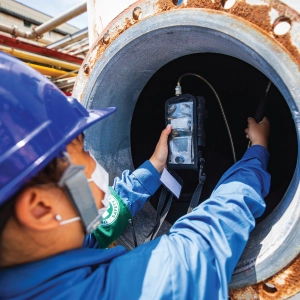
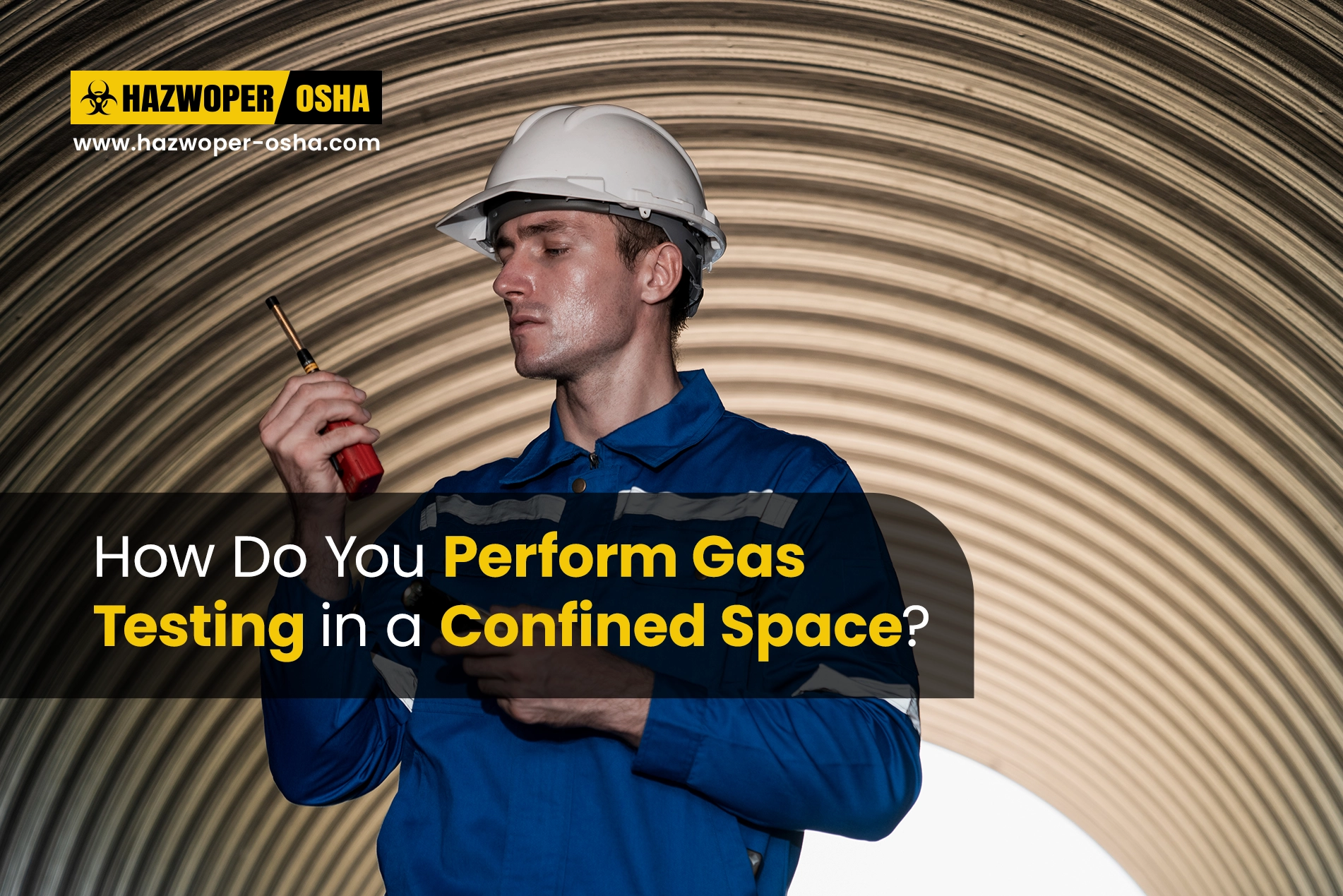
Use a calibrated multi-gas detector with a remote sampling probe to test the atmosphere before entry.
Testing from outside the confined space prevents workers from being exposed to potentially hazardous air before atmospheric conditions are verified. Proper sampling technique is essential to obtain reliable readings.
Common mistakes at this stage include:
- Insufficient sampling time
- Improper probe placement
- Obstructed airflow in sampling tubing
- Failure to allow sensors to stabilize before recording readings
These issues can distort atmospheric measurements and create inaccurate results.
Step 4: Follow the Required Testing Sequence
Perform atmospheric testing in the required order:
- Oxygen concentration
- Flammable gases and vapors (LEL)
- Toxic gases and vapors
This sequence is critical because some combustible gas sensors rely on adequate oxygen levels to function accurately. Performing tests in the wrong order can affect measurement reliability and produce misleading readings.
Step 5: Test at Multiple Levels of the Space
Sample the atmosphere at the:
- Top of the space
- Middle of the space
- Bottom of the space
Different gases behave differently based on density. Some gases rise, while others settle in lower areas, creating layered atmospheric conditions.
Testing at only one depth or location may fail to identify hazardous gas concentrations elsewhere in the confined space.
Step 6: Compare Results Against Acceptable Limits
Evaluate all readings against site-defined acceptable entry criteria before authorizing entry. Typical criteria include:
Oxygen Concentration (O₂)
- Acceptable entry range: 19.5% – 23.5%
- Below 19.5%: Oxygen-deficient atmosphere
- Above 23.5%: Oxygen-enriched atmosphere with increased fire risk
Normal atmospheric oxygen is approximately 20.9%. Significant deviations may indicate abnormal or unstable conditions.
Flammable Gases and Vapors (LEL)
- Typical acceptable condition: Below 10% of the Lower Explosive Limit (LEL)
- At or above 10% LEL: Corrective action and re-testing required before entry
LEL readings indicate flammability risk, not worker exposure comfort or toxicity levels.
Toxic Gases (e.g., CO, H₂S)
- Must remain below site-defined exposure limits
- Elevated readings require ventilation, isolation, respiratory protection, or restricted entry
If conditions exceed acceptable limits, corrective measures such as ventilation or purging must be applied before re-testing.
It is important to remember that gas readings represent conditions only at the time of testing and do not guarantee ongoing atmospheric safety.
Stage 2: Entry Authorization
Step 7: Approve Entry Only if Conditions Are Acceptable
Entry should only be authorized after atmospheric testing confirms acceptable conditions.
This decision must be made by a designated competent authority, such as an entry supervisor or permit issuer, rather than the entrant alone.
Accurate documentation of readings is also critical during this stage. Poor documentation or incomplete communication of test results can lead to unsafe entry decisions based on missing or misunderstood information.
Stage 3: During Entry (Continuous Atmospheric Control)
Step 8: Begin Entry with Continuous Monitoring
Once entry is approved, atmospheric conditions should continue to be monitored using personal or area gas detectors.
Confined space atmospheres can change during work activities due to:
- Welding or hot work
- Cleaning operations
- Material disturbance
- Residual chemical reactions
- Ventilation changes
Relying only on pre-entry gas testing is a common mistake because conditions may deteriorate after work begins.
Step 9: Respond Immediately to Unsafe Conditions
If gas monitors alarm or readings exceed acceptable limits:
- Stop work immediately
- Evacuate the confined space
- Reassess atmospheric conditions
- Apply corrective measures before re-entry
Ignoring detector alarms or continuing work despite unsafe readings compromises the reliability of the entire confined space safety process and significantly increases risk.
Stage 4: How to Interpret Gas Testing Results Correctly
Interpreting gas testing results in confined spaces involves evaluating measured atmospheric readings against defined entry criteria and understanding their limitations as time-specific measurements. Results must always be assessed in context, including sampling method, test location, and whether conditions may change during work activity.
Safe vs Acceptable Entry Criteria (General Guidance)
Gas readings are interpreted using site-defined acceptable entry criteria, typically aligned with OSHA-referenced thresholds. These values are not “absolute safety guarantees” but minimum acceptable conditions for controlled entry.
Oxygen Concentration (O₂)
- Acceptable range for entry: 19.5% – 23.5%
- Below 19.5%: Oxygen-deficient atmosphere (reduced cognitive function, asphyxiation risk)
- Above 23.5%: Oxygen-enriched atmosphere (increased fire and combustion risk)
Normal atmospheric oxygen is approximately 20.9%, and deviations from this value should be treated as a warning of abnormal conditions rather than assumed safety.
Flammable Gases and Vapors (LEL)
- Typical entry threshold: Below 10% of Lower Explosive Limit (LEL)
- 10% LEL or higher: Atmosphere requires corrective action and re-testing before entry
It is important to understand that LEL values represent flammability risk thresholds, not comfort or exposure limits. Even low percentages can become hazardous depending on ignition sources and work activities.
Toxic Gases (e.g., CO, H₂S)
- Acceptable condition: Below site-defined exposure limits (often based on OSHA PELs or more conservative internal limits)
- Above limits: Requires immediate control measures or restricted entry
Common toxic gases in confined spaces include carbon monoxide and hydrogen sulfide, but actual hazards depend on the environment and work being performed.
Conclusion:
Gas testing in confined spaces is only effective when it is performed consistently, interpreted correctly, and supported by trained personnel who understand both the equipment and the risks involved. Small errors, whether in sampling, calibration, or decision-making, can quickly lead to unsafe entry conditions. For employers, the priority is not just having procedures in place, but ensuring teams are trained to execute them reliably in real-world environments.
To close this gap, invest in role-specific training that builds practical competency rather than just awareness. Programs such as Authorized Gas Tester Training, OSHA Confined Space Awareness Training, OSHA Permit-Required Confined Space Entry Training, and OSHA Competent Person for Confined Spaces Training are designed to help teams accurately apply gas-testing procedures, interpret results with confidence, and make informed entry decisions.
Equip your workforce with the skills needed to manage atmospheric hazards effectively.
Frequently Asked Questions
Confined space testing typically includes:
- Oxygen (O₂) to check for deficiency or enrichment
- Flammable gases and vapors (measured as % of Lower Explosive Limit – LEL)
- Toxic gases such as carbon monoxide (CO) and hydrogen sulfide (H₂S), depending on the environment
Additional gases may need to be tested based on the specific materials, processes, or the confined space's history.
Gas testing must follow this sequence:
- Oxygen levels
- Flammable gases (LEL)
- Toxic gases
This order ensures accurate readings because some gas sensors rely on proper oxygen levels to function correctly.
Gas testing should be performed:
- Before entry (pre-entry testing)
- Continuously or periodically during entry, depending on risk conditions
- After any change in conditions, such as ventilation adjustments or work activity
Atmospheric conditions can change quickly, so relying on a single test is not sufficient.
Gases can separate based on density:
- Lighter gases rise
- Heavier gases settle at the bottom
Testing at the top, middle, and bottom ensures that hazardous gas pockets are not missed and provides a complete assessment of the atmosphere.
A typical acceptable oxygen range is:
19.5% to 23.5%
Below 19.5% is considered oxygen-deficient and can be dangerous, while above 23.5% increases the risk of fire and explosion. However, acceptable conditions should always be confirmed in accordance with site-specific safety procedures.