English and
 Español. After purchase, use the language toggle in your course Player to switch between English and Spanish at any time.

 EN
EN ES
ES



















































































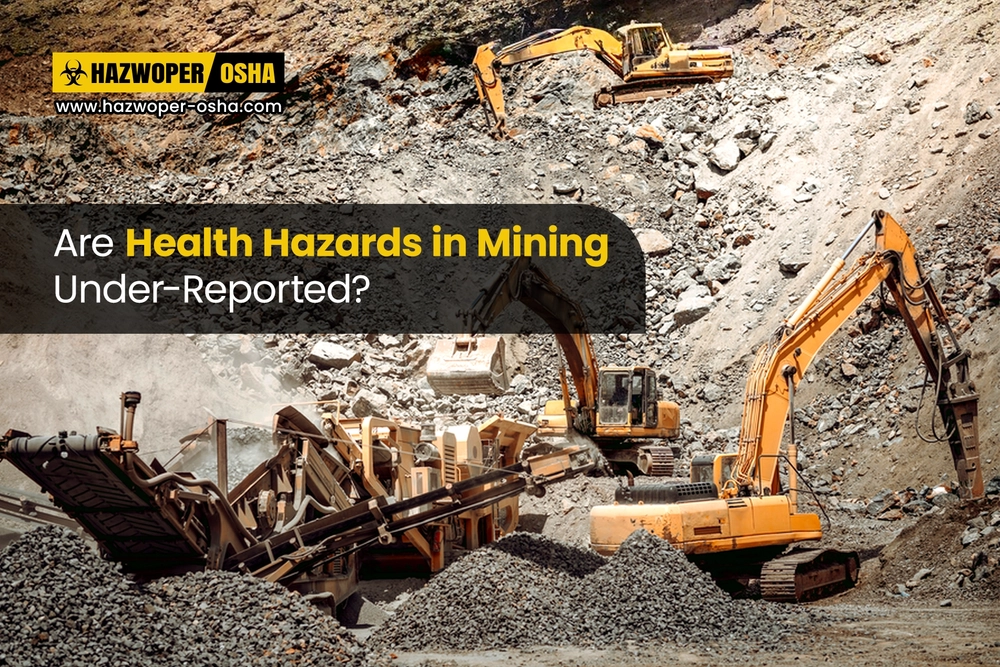
Are Health Hazards in Mining Under‑Reported?
Introduction
In mining environments, many health hazards go under-reported because occupational illnesses often develop gradually and lack immediate, visible symptoms. Unlike acute injuries that demand quick attention, conditions such as respiratory diseases from prolonged dust exposure, noise-induced hearing loss, and musculoskeletal disorders from repetitive strain evolve silently, making it difficult to directly link them to specific workplace tasks or exposures. This creates blind spots in how risks are perceived and measured at the operational level, leaving employers with incomplete health data.
These hidden gaps can distort an employer’s understanding of actual workplace conditions, leading to delayed interventions, rising absenteeism, decreased workforce productivity, and avoidable long-term costs like increased medical expenses and staff turnover. For mining employers, recognizing where and why these health risks go unreported is essential not only for protecting worker health but also for maintaining operational continuity and managing costs effectively.
This article explores the root causes of under-reporting in mining, the operational and cultural barriers that contribute to it, the long-term impacts on employers, and practical strategies to identify and address these challenges proactively. By understanding these factors, employers can make more informed decisions to safeguard their workforce and sustain efficient, safe operations.
Are Health Hazards in Mining Under‑Reported and why it Matters?
While mining health hazards are widely recognized, many remain under‑reported because industry reporting systems and workplace practices focus primarily on accidents and short‑term injuries. Employers typically rely on injury logs and incident reports designed to capture immediate, visible events, but these tools often miss gradual, exposure‑related conditions that develop over extended periods. As a result, hazards such as respiratory diseases, noise‑induced hearing loss, and musculoskeletal disorders frequently go unnoticed because they do not produce obvious symptoms or trigger operational interruptions. This creates a persistent gap between recorded data and actual workplace risk, making under‑reporting a systemic issue driven by monitoring limitations and workplace priorities rather than intentional oversight.
What Health Risks Are Most Often Missed in Mining Operations
Many of the most serious occupational health risks in mining are not immediate or dramatic but develop gradually after years of routine exposure. Because symptoms often emerge slowly, appear intermittently, or resemble common ailments or job-related discomfort, these conditions are frequently underestimated or go unreported in both surface and underground mining operations.
Respiratory Risks from Dust and Diesel Particulates
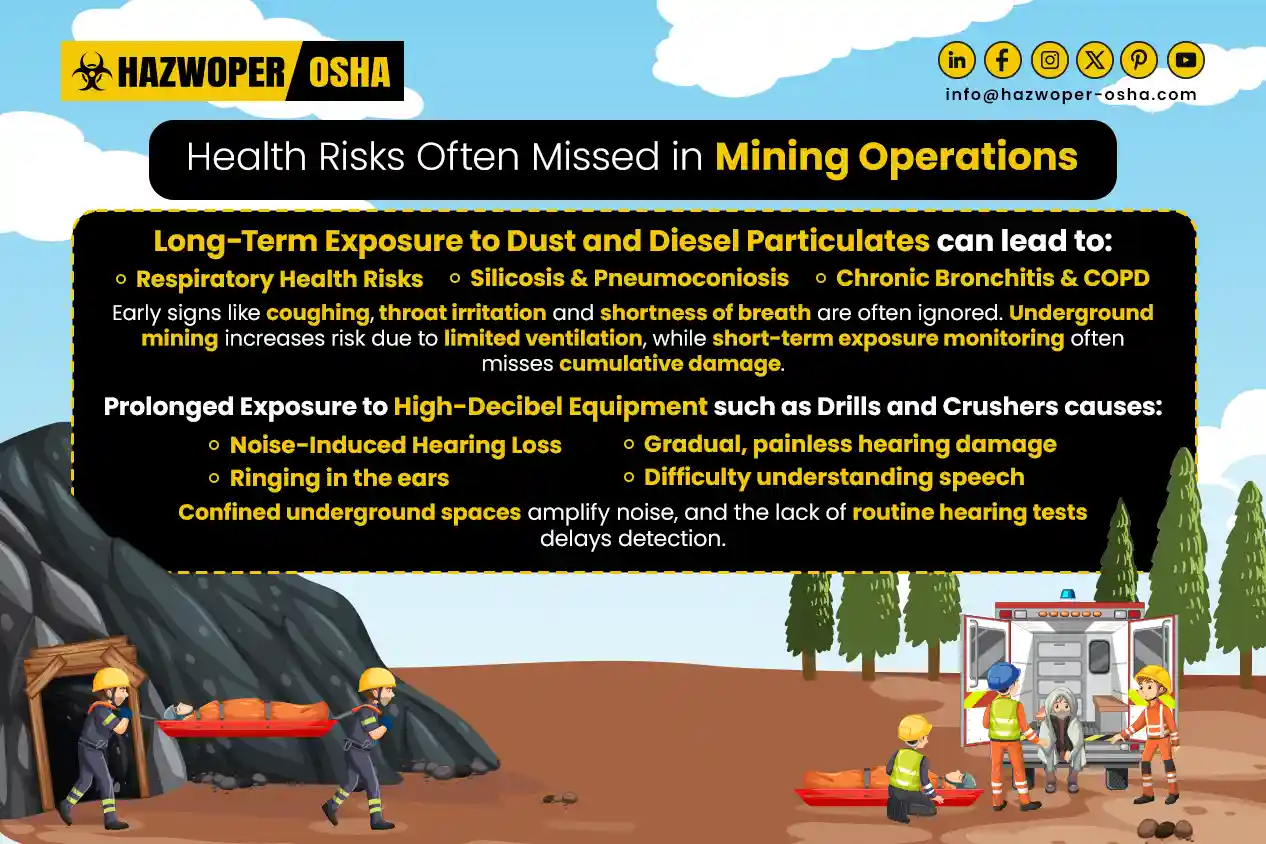
Respiratory diseases remain among the most commonly overlooked long-term health risks in mining. Prolonged exposure to respirable silica, coal dust, diesel exhaust particulates, and other airborne contaminants generated during drilling, blasting, crushing, and material handling can lead to silicosis, pneumoconiosis, chronic bronchitis, and chronic obstructive pulmonary disease (COPD).
Early symptoms such as coughing, throat irritation, or mild shortness of breath are often mistaken for allergies, seasonal illness, or temporary discomfort, leading workers to self-manage rather than report concerns. Underground mining environments generally pose higher respiratory risks due to limited ventilation and concentrated diesel emissions, while surface mining still presents significant exposure through dust-generating activities. Spot exposure measurements may indicate short-term compliance but often fail to capture cumulative exposure over weeks or months, delaying diagnosis and prevention efforts.
Noise-Induced Hearing Loss
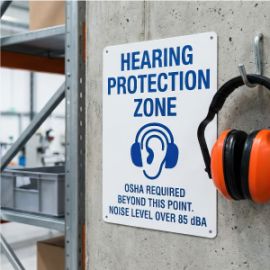
Noise-induced hearing loss is another frequently underreported occupational illness in mining. Equipment such as drills, crushers, haul trucks, and ventilation systems routinely generate sound levels that exceed safe exposure limits. Hearing damage develops gradually and painlessly, with early warning signs such as ringing in the ears or difficulty following conversations often dismissed as age-related or temporary.
Underground mining can amplify noise exposure due to confined spaces that reflect sound, while surface mining workers may experience prolonged exposure during extended equipment operation. Without consistent audiometric testing and employee awareness programs, progressive hearing loss often remains undocumented until it becomes permanent.
Musculoskeletal Disorders (MSDs)
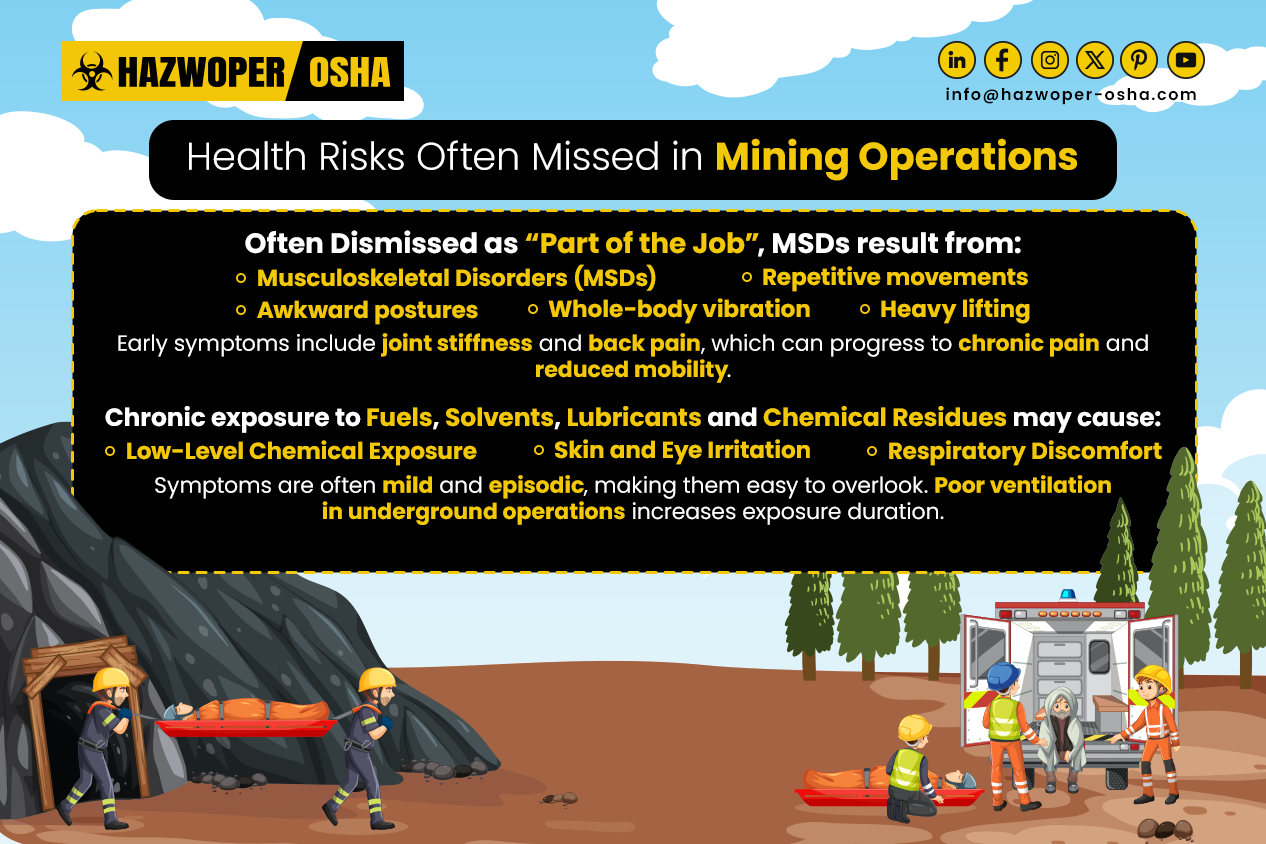
Musculoskeletal disorders are commonly normalized as “part of the job” and therefore underreported. Repetitive tasks, heavy lifting, awkward postures, and whole-body vibration from machinery place continuous strain on the body. Early symptoms such as joint stiffness, back pain, or reduced mobility are frequently dismissed as routine discomfort rather than recognized as occupational health issues.
Both surface and underground mining tasks contribute to cumulative musculoskeletal stress, whether through equipment operation, confined-space work, or manual material handling, eventually leading to chronic pain, reduced work capacity, or long-term disability.
Low-Level Chemical Exposure
Chronic, low-level exposure to fuels, lubricants, solvents, explosive residues, and processing chemicals can result in intermittent symptoms such as skin irritation, eye discomfort, or respiratory irritation. Because these effects are often mild or episodic, workers may attribute them to non-work-related causes and fail to report them.
While chemical exposure risks exist in both surface and underground operations, underground environments may increase exposure severity due to reduced air circulation and longer contact durations.
Why These Risks Often Go Under-Reported
Several factors contribute to the underreporting of long-term health risks in mining:
- Symptoms develop slowly or appear intermittently, making them easy to normalize
- Workers may fear stigma, job security concerns, or negative consequences from reporting
- Employers may rely on reactive or short-term monitoring rather than proactive health surveillance
Without targeted medical monitoring, task-specific exposure assessments, and early intervention strategies, these slow-developing health risks remain largely invisible, limiting employers’ ability to prioritize prevention and protect long-term worker health.
Why Is Under-Reporting of Mining Health Hazards a Growing Concern for Employers?
Under-reporting of health hazards in mining is increasingly concerning because its impact extends beyond worker well-being to threaten overall operational stability. When health risks go undetected, employers lose the ability to anticipate critical workforce challenges such as rising absenteeism, decreased productivity, and higher turnover, especially in physically demanding roles. Over time, untreated occupational illnesses worsen, driving up medical costs and complicating workforce planning efforts.
Incomplete or inaccurate health data can create a false sense of safety. Employers may overestimate the effectiveness of existing controls, such as personal protective equipment (PPE), ventilation systems, or ergonomic practices, or underestimate risks associated with specific tasks. This misplaced confidence often delays necessary investments in equipment upgrades, process improvements, or employee training, quietly eroding productivity and increasing long-term operational costs. In a competitive mining environment where efficiency and continuity are vital, overlooking emerging health risks can significantly undermine business performance.
How Widespread Is Occupational Illness Under-Reporting in Mining Operations?
Quantifying the full extent of occupational illness under-reporting in mining is challenging because many cases never enter formal reporting systems. Chronic conditions often go unrecorded until symptoms become severe, at which point the connection to workplace exposures may be unclear. Additionally, some workers seek medical care outside company channels without notifying their employer, further limiting visibility into workplace health trends.
Identifying Signs of Under-Reporting
Employers can assess under-reporting by monitoring indirect indicators such as:
Common Indirect Indicators Include:
- Frequent short-term absences without clear causes
- Increased requests for job transfers away from physically demanding roles
- Declining performance or productivity in specific teams or tasks
- Discrepancies between known exposure risks and reported health issues
Tracking these patterns through regular health audits, employee surveys, and performance reviews provides practical insights into hidden health hazards that formal reporting misses.
The Need for Proactive Health Monitoring
Addressing under-reporting requires a deliberate shift toward proactive health surveillance. Implementing targeted medical screenings, continuous exposure monitoring, and open communication channels can help employers detect early signs of illness and intervene before conditions worsen. Leveraging emerging technologies such as wearable sensors and digital health records also supports more accurate and timely data collection, empowering employers to safeguard worker health while maintaining operational efficiency.
Why Do Mining Health Hazards Go Under-Reported at the Employer Level?
Mining health hazards often go under-reported not because of neglect, but due to employer systems and priorities that focus mainly on immediate, visible incidents rather than gradual or less obvious risks.
Operational and Cultural Barriers to Accurate Reporting
In fast-paced mining environments, minor health complaints are frequently dismissed as normal discomfort. Workers may hesitate to report symptoms fearing job insecurity or stigma, while supervisors prioritize urgent safety issues over chronic health monitoring. This culture normalizes under-reporting and reduces early detection of emerging health concerns.
Production Pressure and Downtime Concerns
Because health issues rarely cause immediate work stoppages, workers and managers often delay reporting to maintain productivity and avoid downtime. Production targets can unintentionally suppress hazard reporting, allowing risks to persist unnoticed.
Insufficient Health Monitoring Systems
Many employers rely on reactive data such as medical visits or lost-time cases that fail to capture early symptoms or cumulative exposures. Without proactive health surveillance methods like regular screenings or exposure tracking, health data remains fragmented, hindering timely interventions.
Regulatory Surveillance Limits
Regulatory oversight also contributes to under-reporting, as regulators largely depend on employer-submitted data and lagging indicators to assess workplace health risks. Compliance with exposure limits and successful inspections do not necessarily provide visibility into cumulative or long-term exposure patterns. As a result, meeting regulatory requirements may create a false sense of assurance, even when gradual health risks remain unrecognized. Passing inspections confirms adherence to standards at a point in time, but it does not guarantee that all health hazards are being fully captured or managed.
Recognizing and addressing these employer-level barriers through improved reporting culture, realistic production planning, and comprehensive health monitoring is essential to uncover hidden risks and protect workforce health effectively.
How Can Employers Identify Signs of Under-Reported Health Hazards in Mining?
Identifying under-reported health hazards in mining requires moving beyond traditional incident reports and injury statistics to recognize early, indirect signals of risk. Because many occupational health issues develop gradually and remain unreported until they become severe, employers must actively look for patterns and behaviors that indicate emerging health concerns. By monitoring operational trends, workforce behaviors, and informal feedback, employers can uncover hidden exposures and intervene earlier, supporting a more proactive and effective health monitoring strategy.
The Need for Proactive Health Monitoring
Addressing under-reporting requires a deliberate shift toward proactive health surveillance. Implementing targeted medical screenings, continuous exposure monitoring, and open communication channels can help employers detect early signs of illness and intervene before conditions worsen. Leveraging emerging technologies such as wearable sensors and digital health records also supports more accurate and timely data collection, empowering employers to safeguard worker health while maintaining operational efficiency.
Conclusion:
In mining, many health hazards remain hidden due to gradual symptom onset, workplace culture, and operational pressures. Recognizing and addressing under-reporting is essential not just for compliance, but also for protecting workforce health, productivity, and long-term costs. By bridging the gap between perceived and actual risks through proactive monitoring and communication, employers can create safer, more resilient operations.
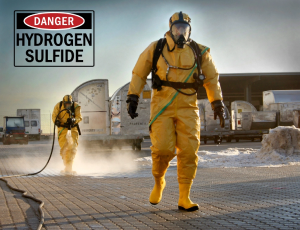
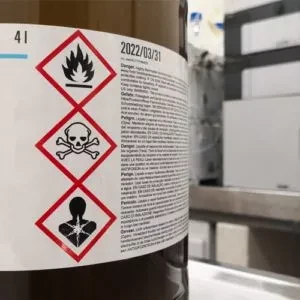
Supporting this effort with targeted training helps build hazard awareness and early reporting. Courses like Confined Space Training, Hydrogen Sulfide (H2S) Awareness, Hazard Communication & GHS Training , OSHA PPE Training, and ergonomics safety training provide practical knowledge that empowers workers and strengthens safety culture. Integrating these courses helps detect risks earlier and supports sustained operational success in mining.
Frequently Asked Questions
They often go unreported due to delayed symptoms, workplace culture discouraging reporting, production pressures, and limited health monitoring systems.
Employers can implement proactive health surveillance, encourage open communication, analyze indirect indicators like absenteeism, and provide targeted training.
Ignoring these risks can lead to chronic illnesses, increased absenteeism, higher medical costs, reduced productivity, and workforce instability.
A culture that normalizes discomfort or fears negative consequences can discourage workers from reporting early symptoms, perpetuating under-reporting.