English and
 Español. After purchase, use the language toggle in your course Player to switch between English and Spanish at any time.

 EN
EN ES
ES


















































































































































A Step-By-Step Guide on Shipping Lithium-Ion Batteries
Introduction:
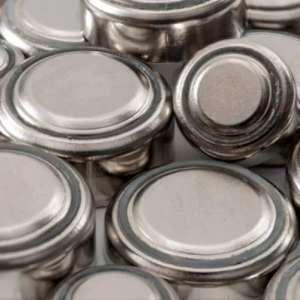
Lithium-ion batteries are now essential components in everyday electronics, industrial equipment, medical devices, and electric vehicles. However, lithium-ion batteries require careful handling because damaged cells, improper preparation, or unsafe transportation conditions can create serious hazards, including fire, overheating, and battery failure.
According to the U.S. Federal Aviation Administration (FAA), lithium battery incidents involving smoke, fire, or extreme heat continue to be reported in aviation transportation. These incidents highlight the importance of proper preparation and safe handling when moving lithium batteries through the supply chain.
For employees involved in lithium battery shipments, safety starts before a package is handed to a carrier. Workers must understand how to identify battery types, inspect battery condition, select appropriate packaging, apply required markings, complete shipping documentation, and follow safe handling practices.
This step-by-step guide explains the essential process for shipping lithium-ion batteries safely, from initial identification and inspection to packaging, labeling, documentation, and transportation. Following proper procedures helps reduce shipment delays, prevent handling errors, and minimize the risk of battery-related incidents.
Why Proper Li-ion Battery Shipping Matters?
A single shipping mistake can trigger consequences that extend far beyond a damaged package. Improperly prepared lithium-ion battery shipments have caused cargo fires, emergency aircraft diversions, shipment rejections, regulatory enforcement actions, and significant financial losses. In nearly every case, investigators traced the incident back to preventable errors such as shipping damaged batteries, using non-compliant packaging, failing to protect battery terminals, or providing incorrect hazard communication.
For example, in 2010, UPS Flight 6 crashed near Dubai after a cargo fire involving lithium batteries overwhelmed the aircraft's fire suppression capabilities, resulting in the deaths of both flight crewmembers. Investigators concluded that a lithium battery fire spread rapidly through the cargo compartment, highlighting the severe risks associated with improperly managed lithium battery shipments. More recently, the FAA has proposed substantial civil penalties against companies that offered undeclared or improperly packaged lithium-ion battery shipments after batteries overheated or caught fire during transport.
Safety Consequences
Lithium-ion batteries store a large amount of energy in a compact space. If a battery is damaged, defective, improperly packaged, or allowed to short-circuit during transportation, it can enter thermal runaway a self-sustaining chain reaction that rapidly generates heat, releases flammable gases, and may result in fire or, in some cases, an explosion.
Transportation environments present unique challenges because fires inside trailers, shipping containers, or aircraft cargo compartments are difficult to detect and control. The FAA and PHMSA have documented numerous incidents involving lithium battery shipments that emitted smoke or caught fire during transport, prompting stricter regulations for air shipments and additional packaging requirements.
Operational Consequences
Shipping errors can also disrupt the entire supply chain. Carriers may refuse packages that are improperly packaged, incorrectly marked, or accompanied by incomplete shipping documentation. Non-compliant shipments may be delayed, removed from the transportation network, returned to the shipper, or held until deficiencies are corrected.
These disruptions increase shipping costs, delay customer deliveries, interrupt production schedules, and damage customer confidence. In many cases, the operational impact of a preventable shipping error extends well beyond the cost of replacing the batteries themselves.
Regulatory and Financial Consequences
Lithium-ion batteries transported in commerce are regulated as hazardous materials under U.S. Department of Transportation (DOT) regulations. Failure to comply with applicable packaging, marking, labeling, documentation, and handling requirements can result in enforcement actions, significant civil penalties, shipment restrictions, and increased liability following an incident.
Regulators have taken enforcement action against companies that shipped lithium batteries with undeclared hazardous materials, improper packaging, missing hazard labels, or inaccurate shipping papers. In one recent FAA enforcement case, a company faced a proposed $170,000 civil penalty after multiple improperly prepared lithium-ion battery shipments, experienced a battery fire while awaiting air transportation.
Step-by-Step Process for Shipping Li-ion Batteries Safely
Shipping lithium-ion batteries safely requires careful evaluation before a package is prepared for transportation. Employees must first understand what type of battery is being shipped, how it is configured, its condition, and any factors that may affect preparation, packaging, labeling, or documentation requirements.
Identify Battery Type, Condition, and Shipment Requirements
Before preparing a lithium-ion battery shipment, employees must verify the battery's characteristics and confirm that it meets the applicable hazardous materials transportation requirements. Factors such as battery chemistry, Watt-hour (Wh) rating, quantity, shipment configuration, state of charge (for certain air shipments), and physical condition determine how the shipment must be packaged, marked, labeled, documented, and handled.
Battery Chemistry
First, verify the battery chemistry and shipping classification. Lithium-ion batteries are regulated differently from lithium metal batteries and other battery chemistries, so using the correct classification is essential for complying with transportation requirements. Misidentifying the battery type can lead to incorrect packaging, inaccurate shipping documentation, carrier rejection, or regulatory violations.
Energy Rating (Watt-hours)
Next, determine the battery's Watt-hour (Wh) rating, which is usually marked on the battery or provided by the manufacturer. Transportation requirements often depend on the battery's energy rating. Batteries exceeding certain Wh limits may require additional packaging, hazard communication, documentation, or carrier approval because they present a greater potential hazard if damaged during transport.
Quantity of Batteries
Employees should also verify the number of batteries and cells being shipped. The quantity of lithium batteries in a package can affect packaging requirements, hazard communication, and transportation restrictions. Larger quantities, particularly for air transportation, may be subject to additional regulatory controls or carrier limitations.
Shipment Configuration
How the battery is shipped also determines the applicable transportation requirements and shipping classification.
- Batteries shipped alone (generally UN3480): The package contains only lithium-ion batteries. Because the batteries are not protected by equipment, they must be packaged to prevent movement, physical damage, and short circuits during transportation.
- Batteries packed with equipment (generally UN3481): The batteries are packaged in the same box as the equipment they power but are not installed in the device. Both the batteries and equipment must be secured to prevent movement and damage during transport.
- Batteries contained in equipment (generally UN3481): The batteries are installed in the equipment. Employees must ensure the equipment protects the battery from damage and is secured against accidental activation during transportation.
For standalone lithium-ion batteries transported by air, additional requirements may apply, including limitations on the battery's State of Charge (SOC). Employees should always follow applicable regulations and their organization's shipping procedures.
Battery Condition
Before preparing a shipment, inspect each battery to confirm it is suitable for transportation. A visual inspection cannot detect every internal defect, but it can identify conditions that make a battery unsafe for routine shipment.
Check for:
- Cracks, punctures, dents, or damaged casings
- Swelling, bulging, or other deformation
- Leakage or residue around the battery
- Burn marks, discoloration, smoke, unusual odors, or signs of overheating
- Corrosion or evidence of exposure to water or other conductive liquids
- Signs of abnormal operation, such as unexpected heating or other indications of malfunction
Batteries that are swollen, leaking, punctured, burned, overheated, water-damaged, or otherwise damaged should not be shipped as routine lithium-ion battery shipments. Likewise, batteries suspected of internal defects or manufacturing faults should be removed from the normal shipping process and handled in accordance with the organization's procedures and applicable transportation requirements. Depending on their condition, damaged or defective batteries may require specialized packaging, additional approvals, or may be prohibited from transport by certain modes.
Prepare Batteries for Packaging
Before placing lithium-ion batteries into packaging, employees must prepare them to reduce the risk of short circuits, physical damage, and unsafe movement during transportation. Proper preparation ensures batteries are handled correctly before they are secured inside the final shipping package.
Key preparation steps include:
- Protect battery terminals:
- Prevent battery movement:
Exposed battery terminals must be protected to prevent contact with other batteries or conductive materials, which can cause a short circuit and generate enough heat to start a fire. To prevent short circuits during shipping, protect battery terminals by covering exposed terminals with electrical tape, using manufacturer-installed terminal covers or protective caps when available, or placing each battery in its own non-conductive inner packaging such as a plastic bag or protective sleeve. Keep batteries separated so their terminals do not contact one another or metal objects such as keys, coins, screws, bolts, or tools. Never prepare batteries that have been identified as damaged or defective; instead, follow your organization's procedures for handling and transporting them safely.
Arrange batteries so they cannot shift, contact one another, or sustain damage during transportation. Use non-conductive cushioning or partitioning materials to protect batteries from vibration, impact, and compression, and ensure they fit securely within the package without excessive force.
Proper battery preparation is the first step in preventing transportation incidents.
Protecting terminals and securing batteries against movement helps reduce the risk of short circuits, battery damage, fires, and shipment delays.
Battery preparation is only one part of safe lithium-ion battery shipping. After batteries are properly prepared, employees must ensure they are placed in suitable packaging and prepared according to applicable shipping procedures.
Select and Apply Proper Packaging
Selecting the correct packaging is essential for transporting lithium-ion batteries safely. The packaging used depends on the battery type, shipment configuration, battery size, and applicable transportation requirements. Using the wrong packaging can increase the risk of battery damage, short circuits, shipment rejection, or regulatory violations.
When packaging lithium-ion batteries, employees should:
Use packaging that meets the applicable transportation requirements for the shipment. Depending on the battery type and shipment, this may include UN performance-tested packaging or other authorized packaging specified by applicable regulations. Whenever practical, use the battery manufacturer's original packaging or packaging recommended by the manufacturer.
Apply Labels and Complete Shipping Documentation
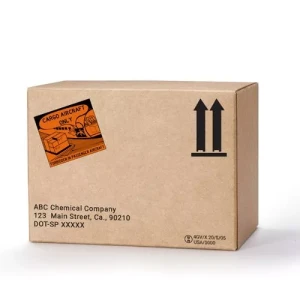
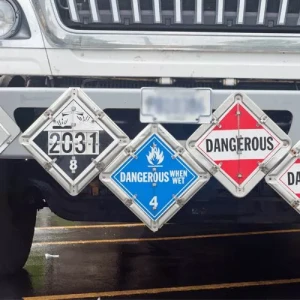
After lithium-ion batteries have been prepared and packaged, employees must ensure the package displays the required hazard communication and that shipping documentation accurately reflects the shipment. Labels, markings, and shipping papers communicate the package contents, associated hazards, and handling requirements to carriers, cargo handlers, inspectors, and emergency responders.
Before releasing a shipment, employees should verify that:
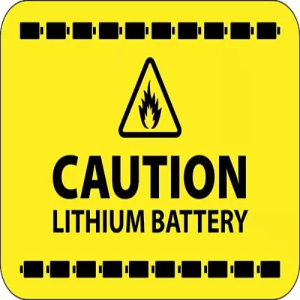
- The package displays the required lithium battery mark, hazard labels, and any other applicable markings based on the battery type, shipment configuration, and transportation mode.
- The UN number (such as UN3480 for lithium-ion batteries shipped alone or UN3481 for batteries packed with or contained in equipment) is correct and matches the package contents.
- Required labels and markings are clearly visible, durable, unobstructed, and applied to the correct package.
- Shipping documentation accurately describes the shipment, including the proper shipping description, the applicable UN number, the battery quantity, and any additional information required by applicable transportation regulations.
- If labels, markings, or shipping documentation are missing, incorrect, or inconsistent with the package contents, the shipment should not be released until the discrepancy has been corrected.
Accurate hazard communication is the final verification step before transportation.
Handle, Store, and Transport Shipments Safely
Rough handling or improper storage can compromise battery integrity even after the package has been prepared correctly.
Employees should follow these safe practices throughout the shipping process:
- Handle packages carefully. Do not drop, throw, drag, or crush packages containing lithium-ion batteries. If a package is damaged during handling, stop the shipment process and inspect it before continuing.
- Store shipments in a cool, dry, and well-ventilated area. Keep battery shipments away from excessive heat, direct sunlight, moisture, and sources of ignition. Elevated temperatures can damage batteries and increase the risk of thermal runaway.
- Separate battery shipments from flammable or combustible materials. Whenever possible, store lithium-ion batteries away from materials that could accelerate or spread a fire in the event of a battery incident.
- Prevent package damage during storage. Do not stack packages in a way that could crush or deform battery shipments. Protect packages from impacts, punctures, vibration, and other conditions that could damage the batteries or packaging.
- Transport shipments securely. Ensure packages remain upright when required, are secured to prevent shifting during transit.
Safe handling, storage, and transportation do not end once a package is sealed. Protecting lithium-ion battery shipments throughout the supply chain helps reduce the risk of fire, damage in transit, transportation delays, and regulatory noncompliance.
Common Mistakes to Avoid When Shipping Li-ion Batteries
Major failures do not cause many lithium-ion battery transportation incidents; rather, they stem from small shortcuts or overlooked details during handling, packaging, and shipping. These seemingly minor mistakes can damage batteries, create fire hazards, delay shipments, or result in regulatory violations.
Avoid these common mistakes:
Mixing Loose Batteries with Metal Objects
Allowing loose batteries to come into contact with keys, coins, screws, tools, or other conductive materials can create a short circuit. Always protect battery terminals and keep batteries separated using approved inner packaging or protective covers.
Reusing Damaged or Worn Packaging
Reusing packaging that is crushed, torn, punctured, or weakened may reduce its ability to protect batteries during transportation. Always inspect packaging before use and replace any materials that no longer provide adequate protection.
Ignoring Heat Exposure During Storage or Transportation
Leaving battery shipments in direct sunlight, inside hot vehicles, or near heaters and other heat sources can increase battery temperatures and contribute to battery failure or thermal runaway. Store and transport shipments in conditions that minimize unnecessary heat exposure.
Continuing to Ship a Package After Warning Signs Appear
Do not ignore warning signs such as smoke, unusual odors, excessive heat, swelling, leakage, or damaged packaging. Continuing to transport a compromised shipment can significantly increase the risk of fire and endanger employees, carriers, and emergency responders. Stop the shipment, isolate the package if it is safe to do so, and follow your organization's emergency procedures.
Assuming One Set of Shipping Rules Applies to Every Shipment
Shipping requirements vary depending on factors such as the battery's Watt-hour rating, quantity, shipment configuration, transportation mode, and condition. Applying the same packaging or documentation procedures to every shipment can result in noncompliance and unsafe transportation practices.
Small oversights can have serious consequences when shipping lithium-ion batteries. Taking a few extra moments to verify the battery condition, packaging, hazard communication, and shipping requirements helps prevent transportation incidents, protect everyone involved in the supply chain, and support compliance with hazardous materials regulations.
Conclusion:
Lithium-ion battery shipping safety depends on more than following a checklist. Proper risk management requires employees to understand battery hazards, recognize unsafe conditions, follow packaging and labeling requirements, and apply the correct procedures for each shipment type. As battery technology continues to expand across industries, organizations must ensure their teams have the knowledge needed to handle, prepare, and transport these shipments safely and compliantly.
Building employee awareness and maintaining up-to-date training can help reduce preventable shipping errors, improve regulatory compliance, and support safer transportation practices. For teams involved in handling or shipping lithium batteries, specialized training can provide a stronger understanding of hazard recognition, classification, packaging requirements, and transportation regulations.
Explore these lithium battery safety courses to strengthen your team’s knowledge and shipping practices:
- Shipping Lithium Batteries: Excepted Cells and Batteries (U.S. DOT, ICAO/IATA, IMO/IMDG): https://hazwoper-osha.com/online-courses/shipping-lithium-batteries-fully-regulated-and-excepted-cells-and-batteries
- Shipping Lithium Batteries: Fully Regulated Cells and Batteries Training (U.S. DOT, ICAO/IATA, IMO/IMDG): https://hazwoper-osha.com/online-courses/shipping-lithium-batteries-fully-regulated-cells-and-batteries
- Shipping Lithium Batteries: Fully Regulated and Excepted Cells and Batteries Training (U.S. DOT, ICAO/IATA, IMO/IMDG): https://hazwoper-osha.com/online-courses/shipping-lithium-batteries-fully-regulated-and-excepted-cells-and-batteries
Frequently Asked Questions
Yes. Lithium-ion batteries are classified as dangerous goods because they contain stored energy and can pose fire risks if damaged, improperly packaged, or handled incorrectly. Shipping requirements depend on the battery type, configuration, quantity, and transportation method.
Yes, but air transportation has stricter requirements due to the potential fire hazards associated with lithium batteries. Shippers must follow applicable dangerous goods regulations, including requirements for packaging, documentation, and shipment classification.
A lithium-ion cell is a single electrochemical unit that stores energy. In contrast, a lithium-ion battery is made up of one or more cells combined into a complete power source. Shipping requirements may differ depending on whether individual cells, assembled batteries, or battery-powered equipment are being transported.
Before shipment, lithium batteries should be stored in a way that prevents physical damage, short circuits, exposure to extreme conditions, and contact with conductive materials. Storage practices should follow manufacturer recommendations and workplace procedures.
Yes, but used and end-of-life batteries may require additional evaluation, packaging controls, and transportation requirements. Batteries intended for recycling or disposal should be handled according to applicable regulations and approved processes.