
 EN
EN ES
ES









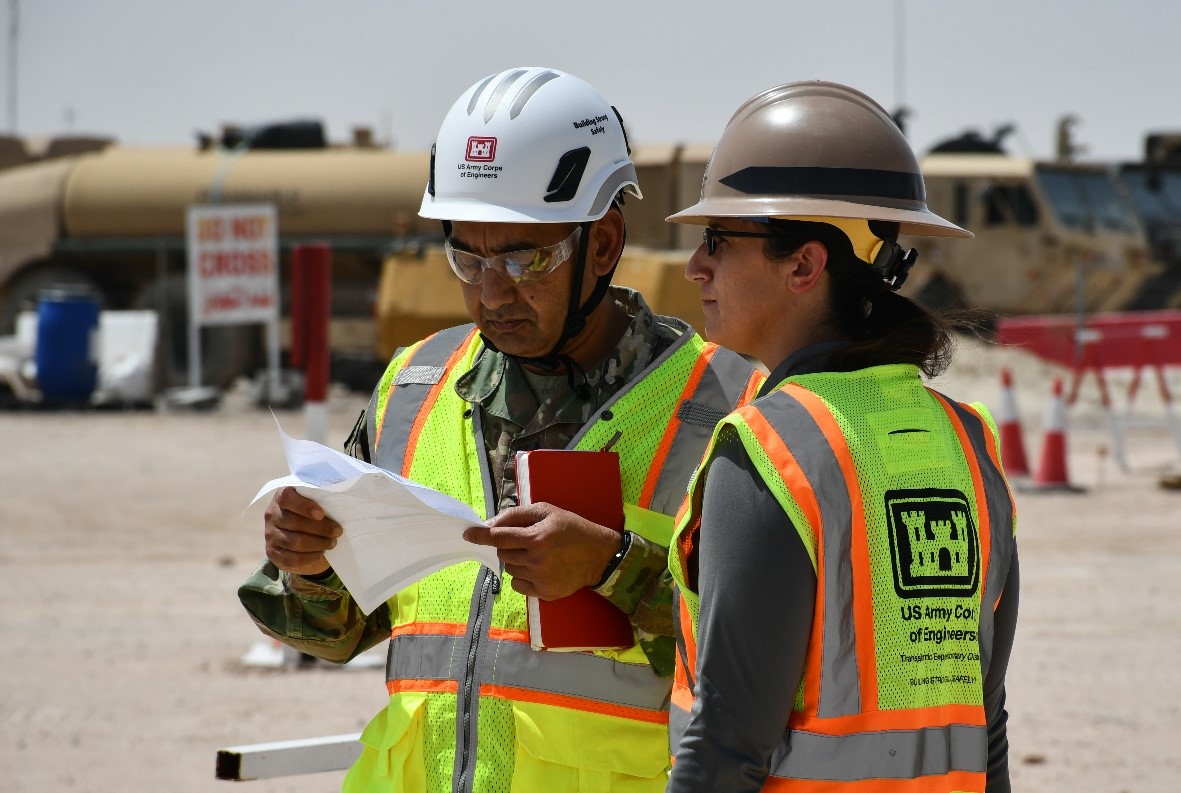




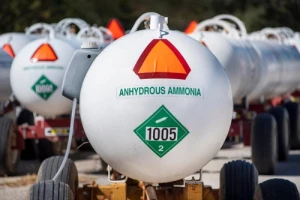






































































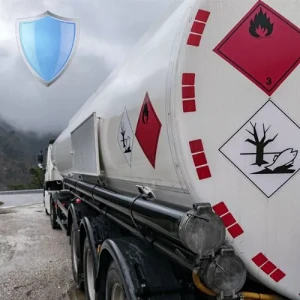












OSHA Process Safety Management Training
- In accordance with Federal OSHA Regulations 29 CFR 1910.119
- Available in:
 English |
  Español
 - Access your learning from any place, at any time, on any device
- Access your completion certificate the moment you finish
- Available as SCORM, on-demand online, virtual instructor-led, or in-person training
0.2
Bulk Buying
| Employee | Per Seat |
|---|---|
| 2-10 | $39.59 |
| 11-20 | $39.19 |
| 21-50 | $38.79 |
| 51-100 | $37.99 |
| 101-250 | $37.19 |
| 251-500 | $36.79 |
| 501-1000 | $35.99 |
Course Facts


Training Duration

Learning Type

Course Access Validity

Device Support


Certificate Validity
OSHA Process Safety Management Training Course Syllabus
This OSHA Process Safety Management Training consists of 6 lessons. Students are required to take each lesson in sequential order as listed below.
Introduction
Lesson 1: Introduction to Process Safety Management
Process safety management (PSM) is a systematic approach to preventing catastrophic accidents involving hazardous chemicals. This lesson introduces the concept, its importance, and its foundational elements. It explores the industries subject to PSM regulations. It also covers the core components of a comprehensive PSM program.
Lesson 2: Process Safety Information
This lesson introduces the concept of process safety information (PSI) and its vital role in ensuring process safety. PSI serves as a detailed blueprint of a chemical process. It outlines potential hazards and provides essential information for managing risks. The lesson covers the key components of PSI, identifies its stakeholders, and explains the significance of chemical information in safeguarding facility operations.
Lesson 3: Process Hazard Analysis
This lesson covers the critical importance of process hazard analysis (PHA) in preventing catastrophic incidents. It explores how PHA systematically identifies, assesses, and controls potential hazards. PHA methodologies covered include What-If Analysis, Checklist Analysis, and Hazard and Operability Study. The lesson also examines Failure Mode and Effect Analysis and Fault Tree Analysis to provide a framework for minimizing risk.
Lesson 4: Operating Procedures
This lesson covers the importance of creating comprehensive operating procedures as required by OSHA’s Process Safety Management standard. It addresses operating phases, limits, and safety and health considerations. Procedures must be consistent with process safety information. They must also be clear, accurate, and regularly reviewed to ensure safe operations.
Lesson 5: Quality Assurance and Inspection
This lesson explains the critical role of inspection in chemical process facilities. It covers contractor screening, pre-startup safety reviews, and mechanical integrity programs. Hot work permits and management of change (MOC) are also addressed. Understanding these elements helps facilities improve safety and operational efficiency when working with contractors.
Lesson 6: Incident Investigation and Emergency Preparedness
This lesson covers incident investigation, emergency planning, and compliance audits within the framework of the OSHA Process Safety Management standard. It explains the critical steps in incident investigation, including team composition, report generation, and corrective actions. The lesson also addresses comprehensive emergency action plans. It examines the role of compliance audits in maintaining a safe operating environment.
Final Examination
Frequently Asked Questions
This OSHA Process Safety Management program is developed to meet the needs of OSHA Standards for preventing catastrophic accidents, protecting human life, and safeguarding the environment when using highly hazardous chemicals in various manufacturing and other processes.
By understanding and implementing PSM principles, facilities can significantly reduce the risk of incidents involving hazardous chemicals. This training equips employees with the knowledge to identify, assess, and control hazards. It also helps build a strong safety culture within the workplace.
- Covers essential OSHA Process Safety Management principles used to identify, control, and prevent hazardous chemical and industrial process risks.
- Uses real-world workplace examples and practical safety scenarios to simplify complex Process Safety Management concepts.
- Supports OSHA compliance efforts while helping employers strengthen workplace safety programs and reduce operational risks.
- Flexible self-paced online training allows employees to complete the course anytime and from any internet-connected device.
- Ideal for supervisors, operators, maintenance personnel, contractors, and safety professionals working in high-risk industries.
- Chemical plant operators, process engineers, and production supervisors.
- Safety managers, EHS coordinators, and environmental specialists.
- Maintenance technicians and mechanical integrity personnel.
- Contractors and subcontractors working at PSM-covered facilities.
- Compliance officers responsible for OSHA audits and regulatory reporting.
There are no prerequisites for this course.
Yes, OSHA requires that employers provide employees with refresher training once every three years.
Certificate of Completion: Immediately after passing the final exam, you can download, save, or print your certificate in PDF format.
Validity: The course certificate is valid for three years.
Renewal: Simply take this course in 36 months to maintain compliance and stay current on regulations
Choose Your Ideal Training Format:



SCORM Package


Virtual Instructor-Led
$199.00/Seat (minimum 10 seats)

Client-Site In-Person
$750.00/Seat (minimum 10 seats)
The incident investigation module was eye-opening. The course highlighted the critical steps involved in conducting a thorough investigation and learning from past mistakes. This knowledge will be instrumental in preventing future accidents.
The course provided a clear and concise overview of PSM requirements. The emphasis on contractor management and mechanical integrity was especially helpful. I'm now better equipped to evaluate and manage contractor safety on our projects.
As a maintenance supervisor, I found the mechanical integrity section invaluable. The course emphasized the importance of regular inspections and maintenance, which will undoubtedly improve the reliability of our equipment and reduce the risk of failures.
As a process engineer, I was looking to enhance my understanding of process safety. This course surely met my expectations. The in-depth exploration of PHA methodologies and incident investigation techniques was particularly insightful. I'm confident that the knowledge gained will help me identify and mitigate risks more effectively.



The ROI of Online Safety Training
Discover the value of our efficient alternative to live training, and calculate your return on investment.

Recommended Courses