English and
 Español. After purchase, use the language toggle in your course Player to switch between English and Spanish at any time.
 EN
EN ES
ES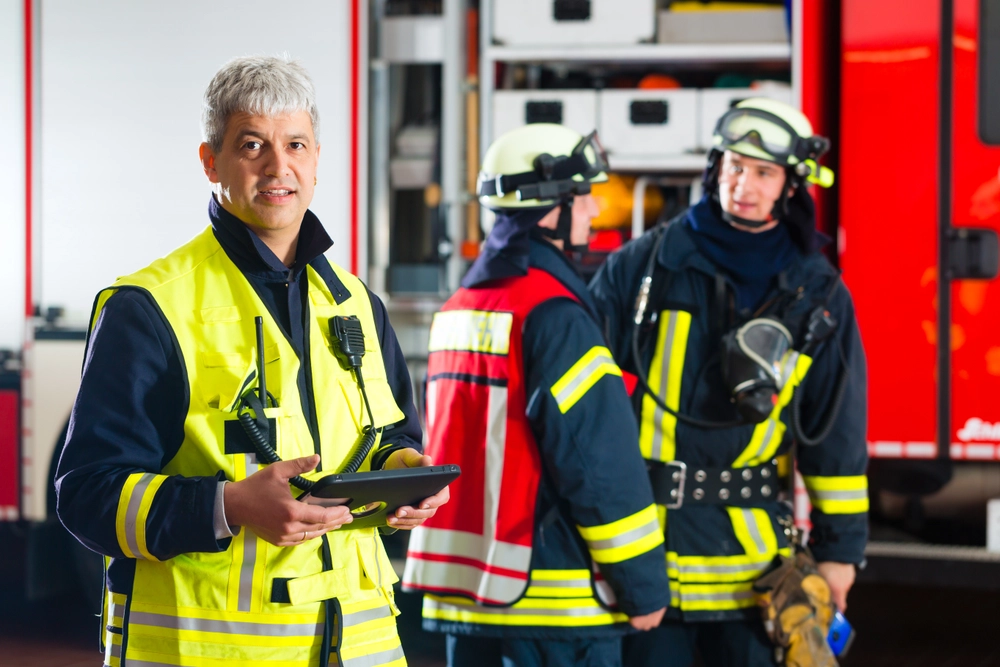



































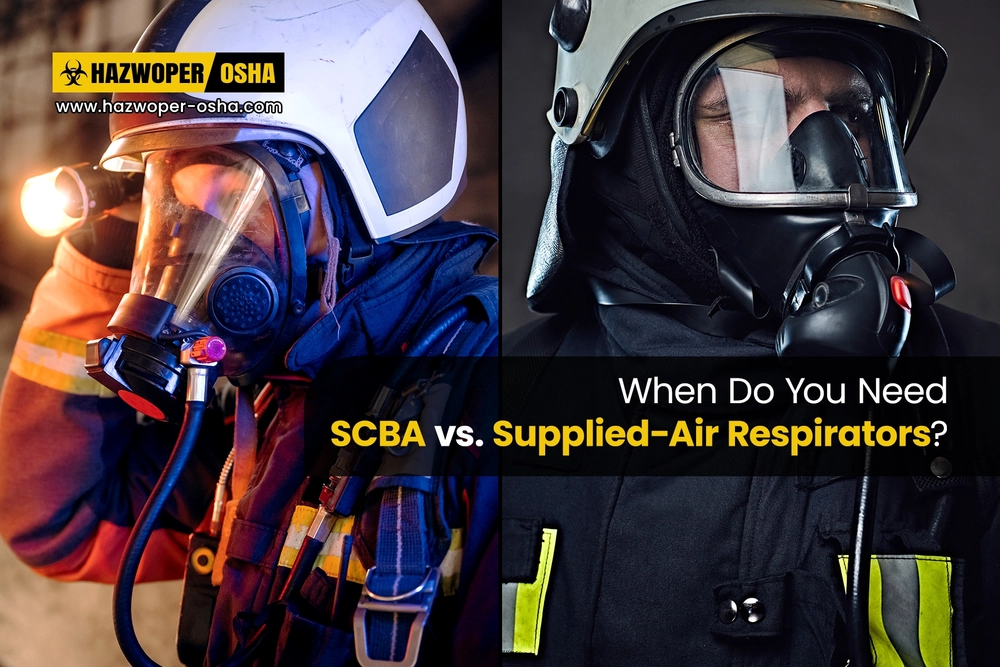
When Do You Need SCBA vs. Supplied-Air Respirators?
Introduction:
Choosing the right respiratory protection is critical for keeping workers safe in hazardous environments. Employers often weigh two main options: Self-Contained Breathing Apparatus (SCBA) and Supplied-Air Respirators (SAR). While both deliver clean air, they operate very differently and suit distinct workplace conditions.
The safety and productivity of your workforce depend on selecting equipment that fits the specific hazards and work scenarios they face. Using the wrong type of respirator can lead to serious health risks, operational delays, or costly compliance issues. For example, relying on supplied air in an environment where the air supply can be compromised puts workers at risk. Conversely, using SCBA for long-duration tasks may cause unnecessary fatigue and limit efficiency.
In this blog, we break down key differences between SCBA and SAR, explore workplace conditions favoring each, and offer practical guidance on evaluating factors like hazard type, mobility needs, and air supply duration. Read on to gain the clarity you need to protect your workforce with the most effective respiratory safety solution.
What Is the Function and Design of SCBA?
A Self-Contained Breathing Apparatus (SCBA) consists of the following components:
- High-pressure air cylinder
- Pressure regulator
- Facepiece or full mask
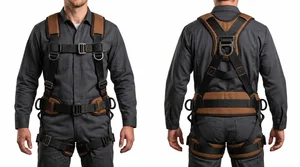
- Harness assembly
- Low-air warning alarm
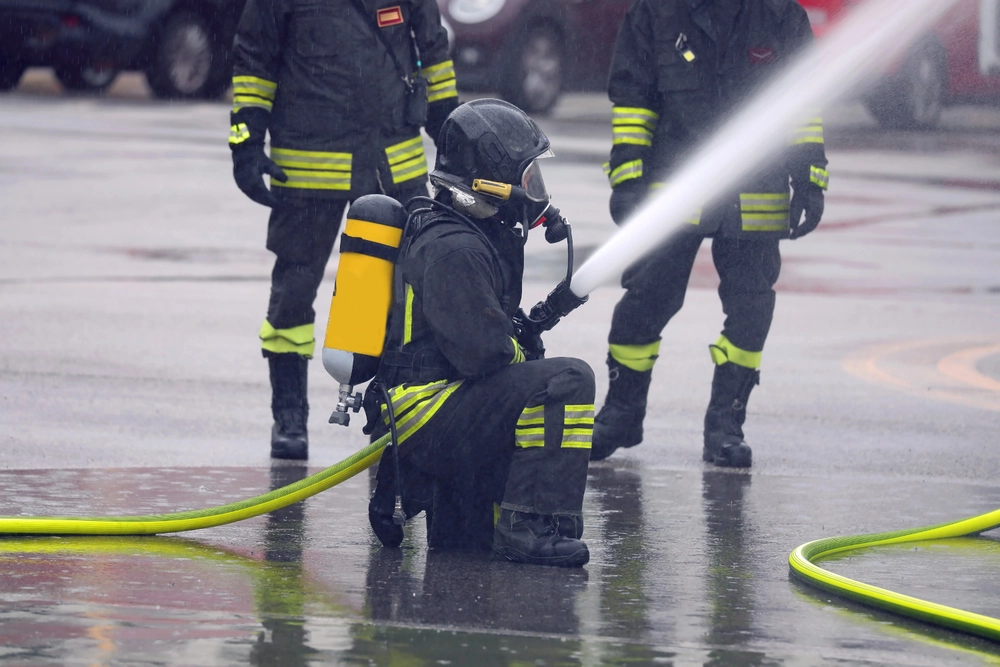
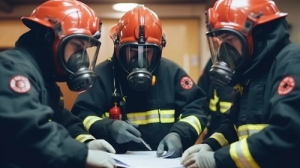
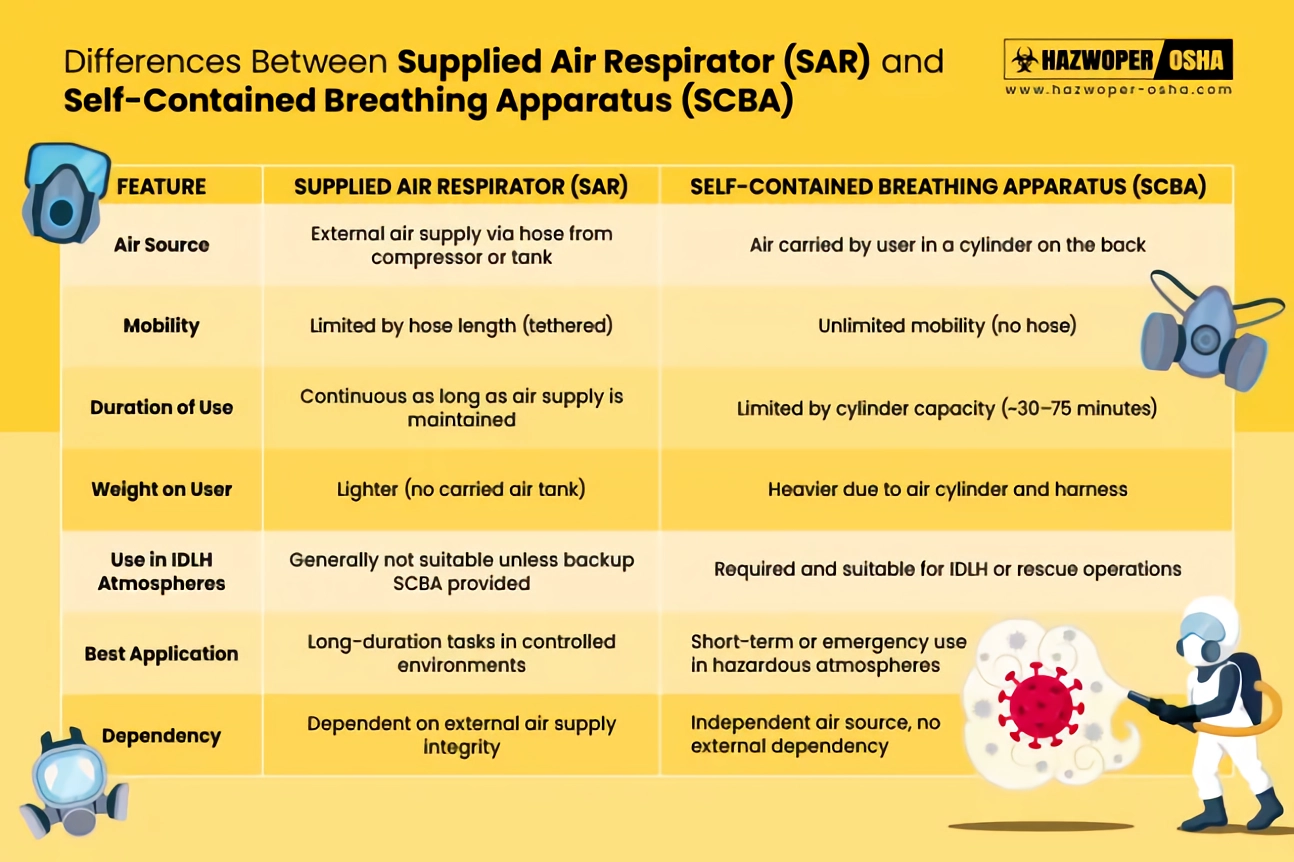
SCBA provides complete independence from the surrounding environment. The user carries a high-pressure air cylinder on their back, which feeds clean air through a regulator to a tight-fitting facepiece. This self-contained design ensures workers remain protected even when ambient air is extremely hazardous or oxygen-deficient.
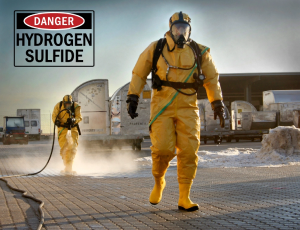
SCBA is specifically engineered for IDLH (Immediately Dangerous to Life or Health) conditions such as toxic gas leaks, confined spaces with low oxygen, or fire-related smoke. In these scenarios, relying on external air would be unsafe or impossible.
SCBA components support emergency readiness, mobility, and immediate hazard protection. The alarm system alerts the user when cylinder pressure drops to a critical level a key safeguard for emergency operations.
How Does a Supplied-Air Respirator System Deliver Clean Air?
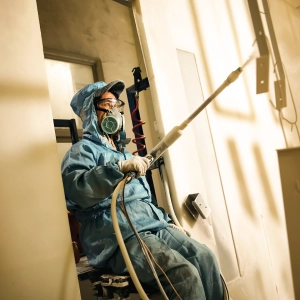
Supplied-Air Respirators (SAR), also called airline respirators, deliver clean air from a remote source, usually a compressor or compressed air cylinders, through a hose connected to the worker’s facepiece. Because users are tethered to the air source, mobility is limited to the hose length. However, SAR provides a major advantage: a continuous, long-duration air supply, making it ideal for extended tasks in controlled environments.
Typical Components of SAR Systems:
- Remote air supply (compressor or cylinders)
- Air delivery hose
- Pressure regulator
- Facepiece or mask
- Optional escape cylinder for emergency egress
Because SAR relies on an external air source, the system requires careful monitoring. The optional escape cylinder provides a crucial safety backup if the hose is damaged or the air supply is interrupted.
Ideal Uses for SAR:
- Long-duration, non-emergency work.
- Tasks in stable environments where contaminants are present but not at immediately dangerous to life or health (IDLH) levels.
- Fixed or semi-fixed workstations such as painting booths, chemical processing lines, and maintenance areas.
What Hazards Require the Use of SCBA?
SCBA is the preferred choice for hazards that pose immediate risks to worker health and survival. These include:
- Toxic or corrosive gases released during leaks, spills, or chemical reactions
- Oxygen-deficiency such as in areas of storage tanks, silos, pits, or sealed rooms
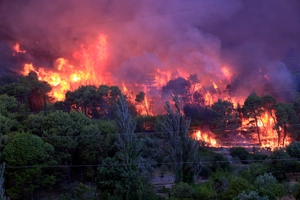
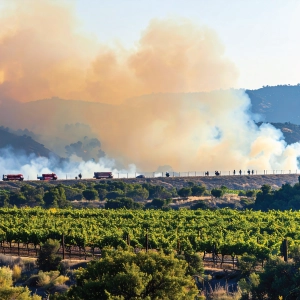
- Fire-related smoke, which contains particulates and gases that are harmful even at low exposure levels
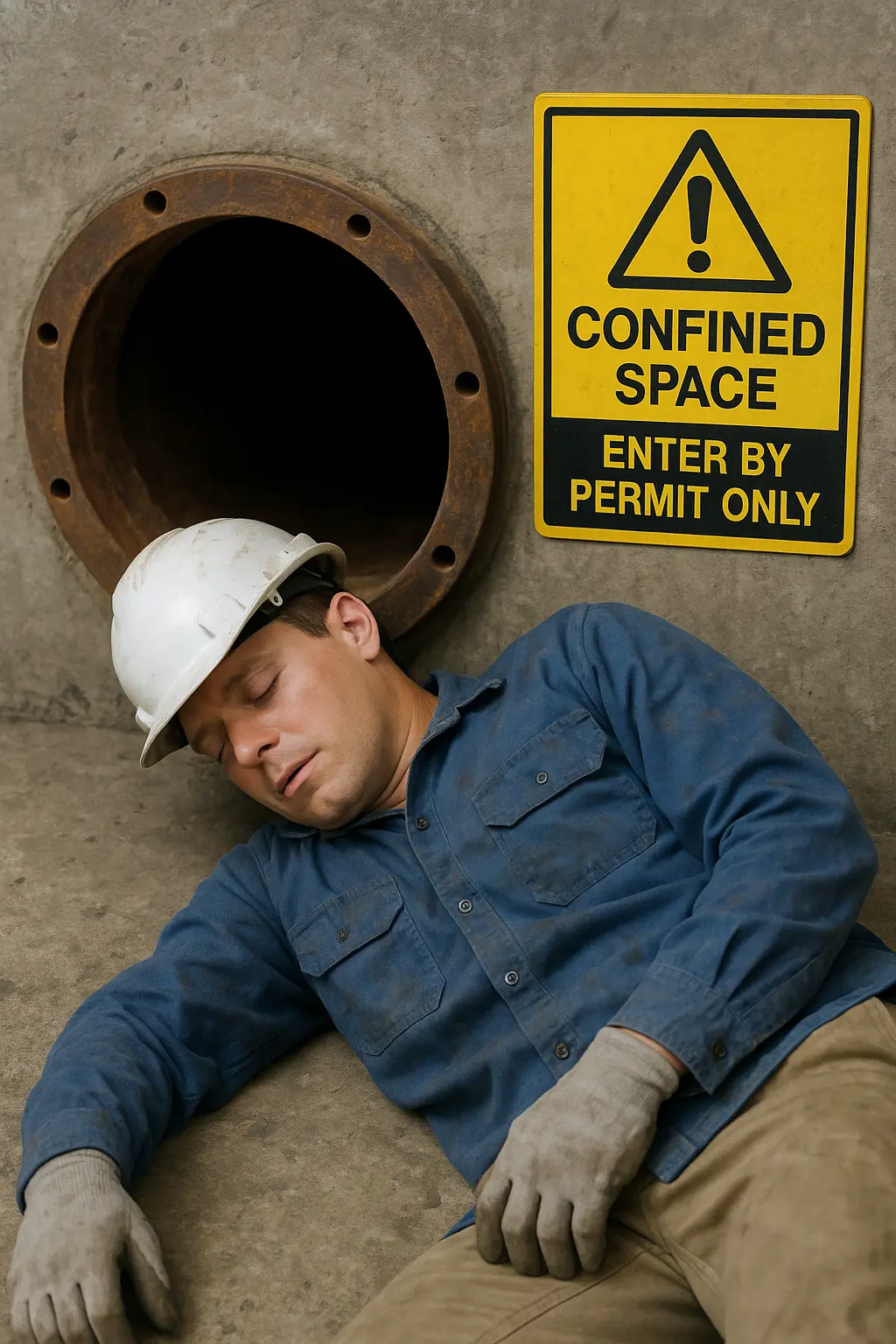
- Unstable atmospheres, such as those found during confined space entry, when materials can release gases unpredictably.
Risks & Limitations of SCBA
- SCBA provides only a limited air supply, typically allowing 30–60 minutes of use depending on workload and cylinder size.
- The equipment is heavy and bulky (roughly 20–30 pounds), which can limit mobility, especially in confined spaces, and contribute to fatigue or heat stress in the wearer.
- Users must achieve a proper face‑piece seal for SCBA to be effective; facial hair, poor fit, or incorrect donning can compromise protection.
- SCBA does not protect against skin or eye hazards. Additional protective clothing or gear may be needed if chemical contact or splashes are possible.
What are the Key Advantages of SCBA in Emergency Situations?
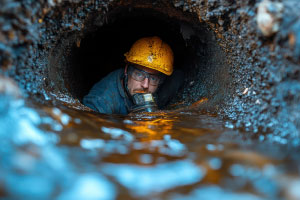
- Mobility: Because SCBA is self‑contained and does not require a hose tethered to a remote air source, workers can move freely even in tight or obstructed spaces. For example, a rescue team entering a manhole during a collapse can maneuver through confined space without hose restrictions.
- Consistent Protection: SCBA provides a reliable, independent air supply that remains unaffected by sudden changes in atmospheric conditions such as unexpected toxic gas release or oxygen depletion. This is crucial when maintenance crews inspect a vessel with unknown air conditions.
- Rapid Response and Emergency Escape: In emergencies, for example, when responders confront smoke‑filled areas in a fire, SCBA allows personnel to enter, evacuate, or rescue victims quickly without needing to disconnect from an external air supply.
These combined benefits make SCBA the safest option for employers when workers must operate in unpredictable or high-hazard environments where air quality cannot be controlled or verified.
When Are Supplied-Air Respirators More Suitable Than SCBA?
SAR is best suited for controlled settings where workers stay within a defined area, and a secure air source can be positioned outside the hazard zone. Ideal environments include:
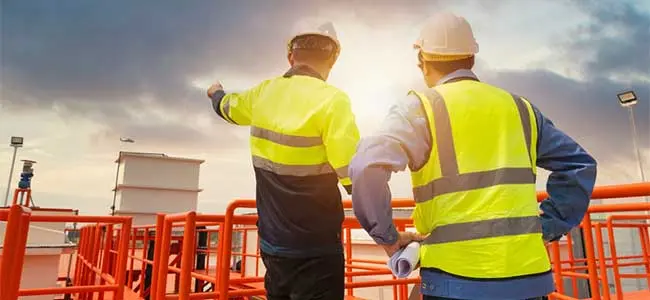
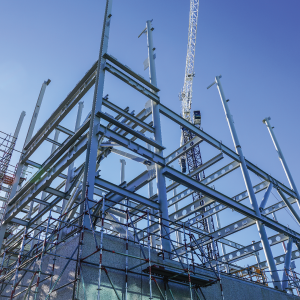
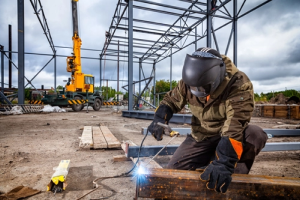
- Large construction or manufacturing sites with stable atmospheric conditions
- Workstations used for painting, coating, or chemical handling
- Tasks requiring prolonged respiratory protection without the need for full mobility
SAR provides reliable protection where contaminants are present, but conditions are not immediately dangerous to life or health.
What Limitations and Risks of SAR?
While SAR offers strong advantages, employers must plan for its limitations:
- Restricted mobility: Air hoses limit movement and may create tripping hazards.
- Dependence on external supply: Any interruption in the remote air source can impact worker safety.
- Emergency escape needs: Workers require an escape respirator in case of air supply failure.
- Air quality control: The external air source must meet OSHA Grade D breathing air requirements.
Evaluating these factors helps employers use SAR safely and choose it appropriately over SCBA when hazards and task duration allow.
What Factors Should Be Evaluated Before Selecting Respiratory Protection?
Employers should begin with a thorough hazard assessment that includes:
- Airborne hazard type and concentration (toxic gases, vapors, particulates, or oxygen-deficient conditions).
- Duration of exposure, including whether the work requires short entry, extended tasks, or continuous shifts.
- Physical and mobility demands of the job.
- Work environment characteristics, such as confined spaces, open-air areas, or fixed workstations.
- Reliability of air supply, especially when considering SAR systems.
This evaluation ensures the selected respirator aligns with both the risk level and practical work needs.
How Can Risk Management Influence Respirator Choice?
Effective risk management goes beyond basic hazard identification. Employers should:
- Conduct air monitoring and identify potential changes in atmospheric conditions.
- Evaluate worst-case scenarios, such as sudden chemical release or system failure.
- Plan for emergencies by having backup respirators, escape cylinders, and alternate air sources available.
- Review the job site regularly to ensure chosen respirators remain appropriate as conditions evolve.
Integrating risk management into respirator selection ensures workers stay protected even when hazards shift unexpectedly.
Conclusion:
In conclusion, selecting the right respiratory protection is essential for worker safety in hazardous environments. Understanding the differences between SCBA and supplied-air respirators helps employers choose equipment that fits specific job needs, whether for immediate dangers or long-duration tasks.
Proper training on use and maintenance is equally important to ensure effectiveness and worker confidence. To support this, OSHA SCBA Awareness and Safe Use Training and OSHA Personal Protective Equipment (PPE) Training offer practical guidance to keep your team prepared.
Investing in the right respirators and training creates a safer workplace and helps prevent costly incidents. Prioritize respiratory safety to protect your most valuable asset your workforce.
Frequently Asked Questions
Choose SCBA when the air environment is unsafe, unpredictable, or immediately dangerous to life or health (IDLH), such as oxygen-deficient atmospheres, unknown chemical exposures, smoke-filled or toxic gas zones. SCBA provides an independent, portable air supply that does not rely on external sources. Additionally, SCBA is preferred when workers need maximum mobility, such as in confined spaces or emergency response, and for short-duration tasks where quick entry, exit, or evacuation is critical. For longer-duration work in stable environments, SAR may be more appropriate.
Yes. Because SARs draw clean air via a hose from a remote air source, they can supply breathable air continuously for extended work periods as long as the external supply remains intact. This makes them suitable for long-duration work in controlled environments where hazards are known and manageable.
Key limitations include restricted mobility due to the air hose, risk of hose damage or disconnection (which would cut off the air supply), and dependence on a stable external air source. Because of these, SAR may not be suitable in dynamic, unpredictable, or highly hazardous environments.
SCBAs generally provide a limited air supply often around 30–60 minutes depending on cylinder size and user activity. Actual usable time can be shorter under high exertion or heavy breathing.
Absolutely. To ensure respirator effectiveness, employers must provide training on proper use, inspection, donning/doffing, and emergency procedures. Maintenance and air‑quality checks are also essential, especially for SAR systems that rely on external air sources. Without these, even the best respirators can fail to protect workers.