English and
 Español. After purchase, use the language toggle in your course Player to switch between English and Spanish at any time.

 EN
EN ES
ES

















































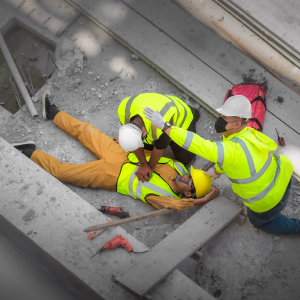
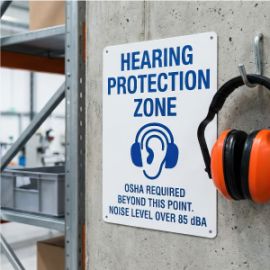














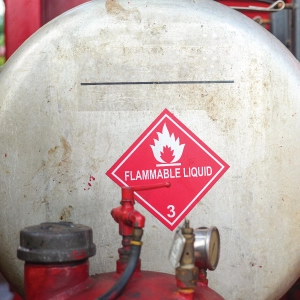















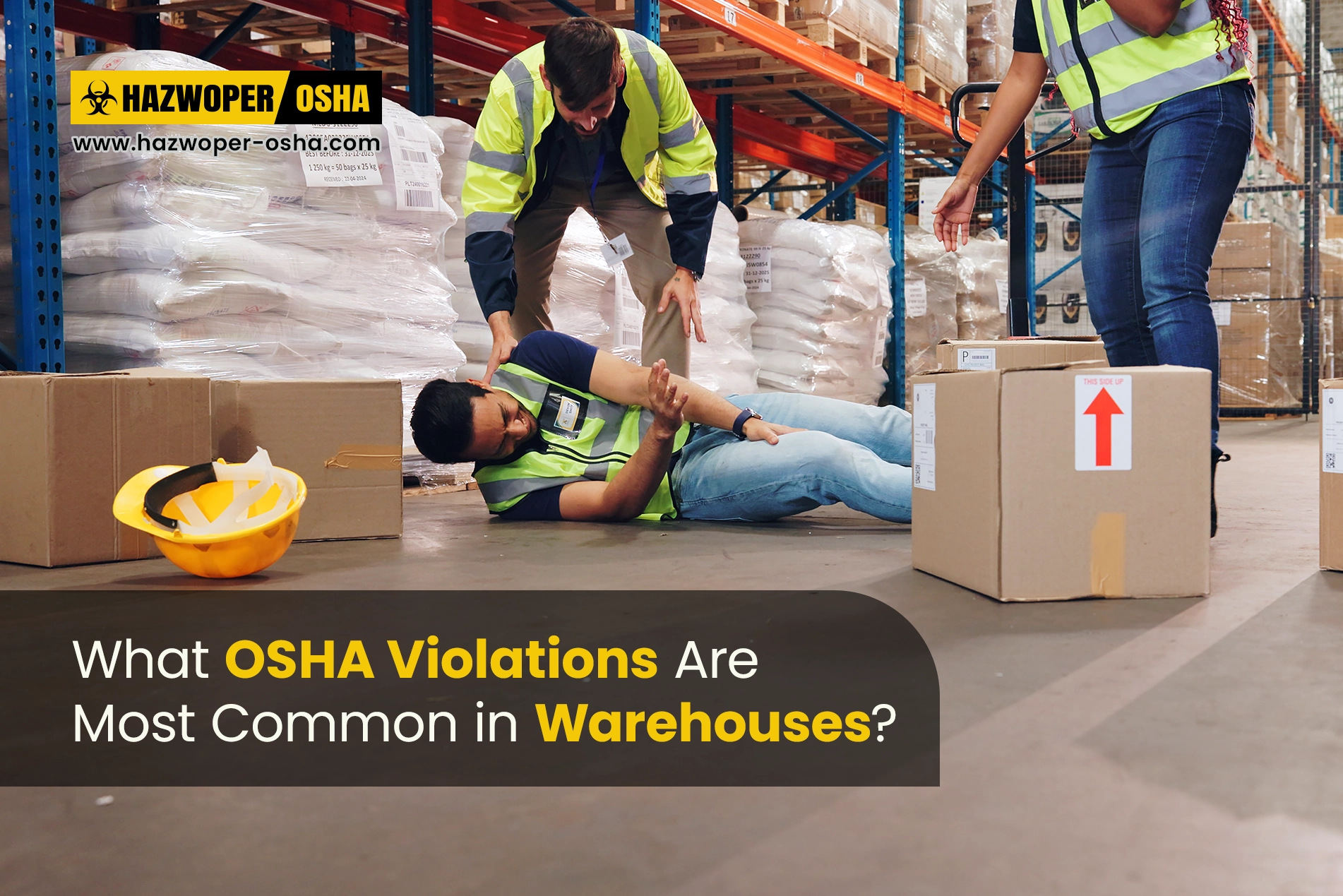
What OSHA Violations Are Most Common in Warehouses?
Introduction:
Warehouse safety is often discussed in a simplified loop, with forklift incidents, housekeeping failures, and labeling errors treated as isolated, standalone events. However, this compliance-checklist approach fails to reflect how hazards actually develop on an active floor. Did you know that Warehousing remains a high-risk industry, with an injury rate of around 4.8 cases per 100 full-time workers in 2024, which is more than double the overall private industry average of about 2.3 per 100 workers?
Driven by this risk, OSHA enforcement trends in FY 2025 continue to target forklift safety, hazard communication, and electrical setups as chronic, systemic failures rather than random accidents.
This blog breaks down common OSHA violations by functional areas of warehouse operations and explains how they typically develop in practice. The goal is to help employers understand where these issues originate within daily operations, so they can be addressed more effectively and consistently.
Most Common OSHA Violations Found in Warehouses
Warehouse OSHA violations typically cluster around a few operational areas where people, equipment, and infrastructure interact continuously. Instead of standalone failures, these chronic citations operate as a chain reaction triggered by identical root causes: workflow bottlenecks, inadequate floor geometry, uneven onboarding, and fractured supervisory control. The following sections outline the most frequent violation areas and their underlying operational drivers.
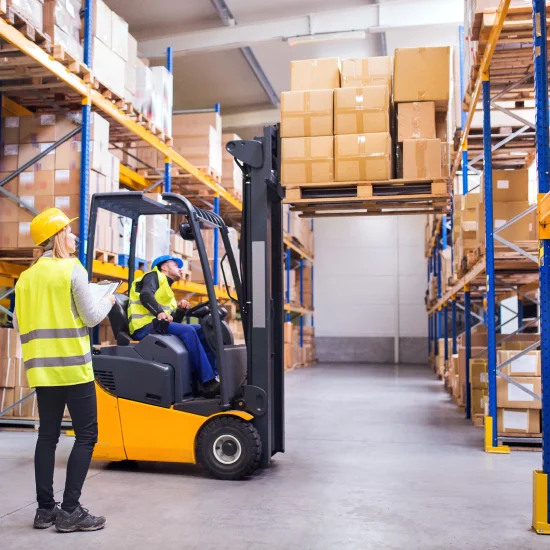
Forklift-Related Safety Violations
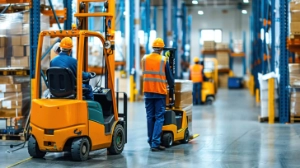
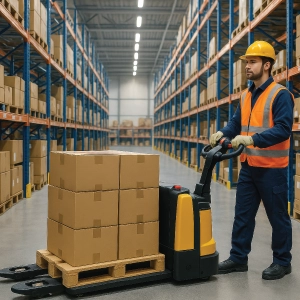
Forklift incidents usually result from a combination of operator behavior, traffic design, and supervision gaps rather than a single cause. Common issues include unsafe driving practices, improper handling of loads, and inconsistent enforcement of operator authorization requirements.
In many warehouses, the root challenge is not only training but also traffic management design. When pedestrian routes are not physically separated or clearly enforced, interaction between forklifts and workers increases significantly, raising the likelihood of incidents.
Improper Material Storage and Racking Issues
Storage violations generally reflect both structural loading issues and operational handling practices. Overloaded racks, unstable stacking, and use of damaged storage systems are common failure points.
A key underlying factor is often inadequate inspection routines. Damaged racking is sometimes identified but not promptly removed from service, creating a progressive risk of structural failure. Storage issues also contribute indirectly to aisle blockages, affecting both movement efficiency and emergency access.
Hazard Communication Gaps
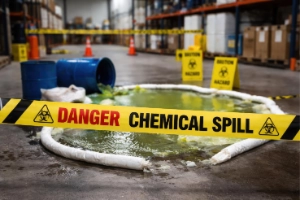
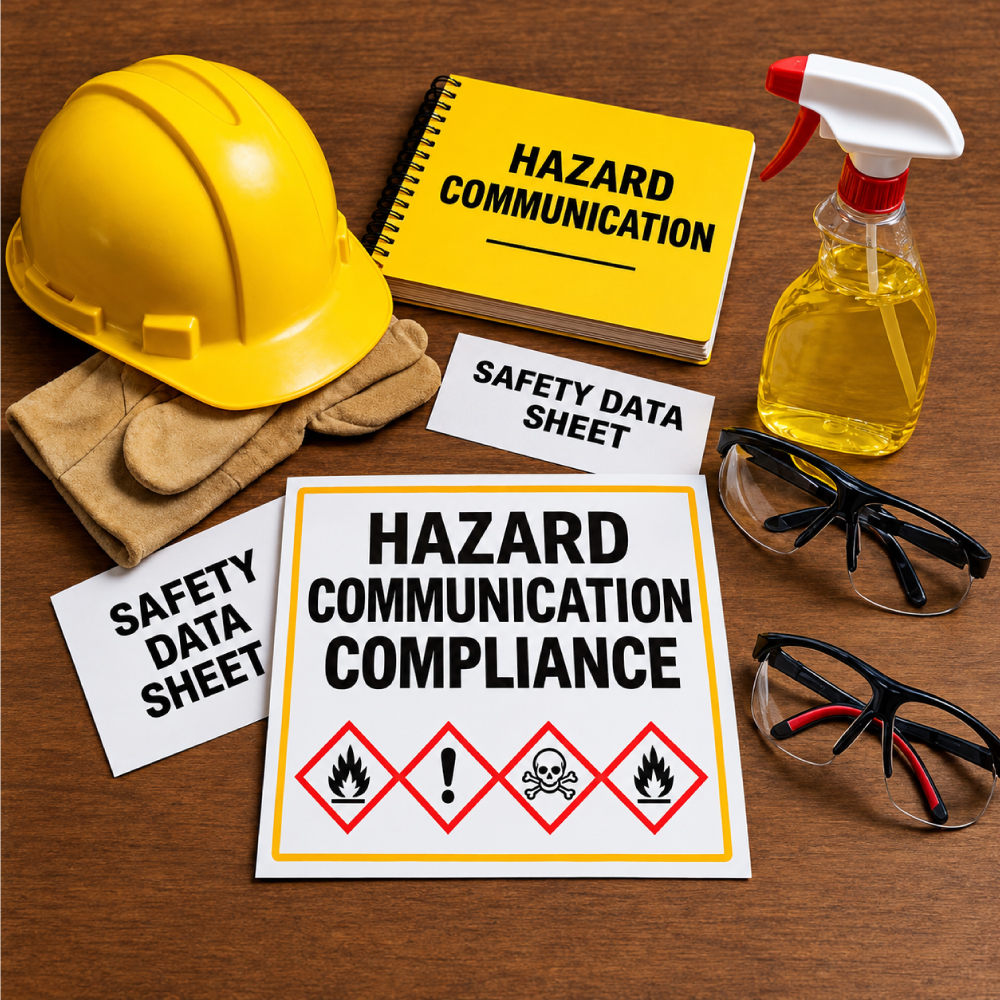
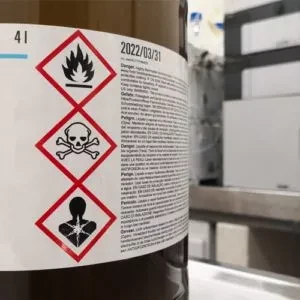
Hazard communication failures typically occur during material transfer, storage, or repackaging activities. Missing labels, unclear chemical identification, and inaccessible Safety Data Sheets are the most frequent issues.
These gaps are usually driven by inconsistent handling procedures across shifts or departments. when workers transfer industrial chemicals into unlabeled secondary containers or spray bottles at the point of use without reproducing the required GHS warnings. When chemical management is not standardized at the point of use, information breaks down, increasing the risk of incorrect handling or exposure.
Walking-Working Surface Hazards
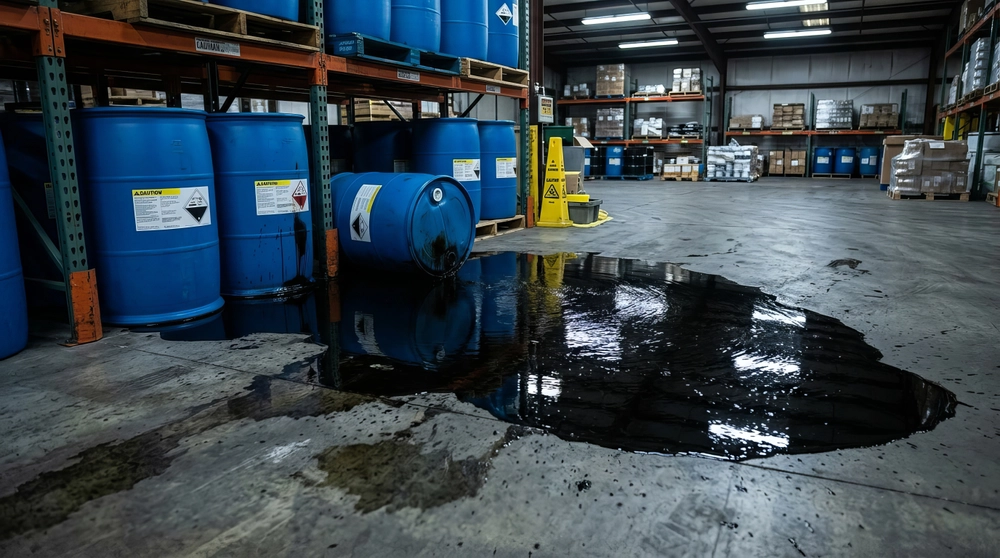
A combination of housekeeping practices, infrastructure condition, and traffic flow design drives walking-working surface violations. Common issues include cluttered aisles, spills, uneven flooring, and blocked pathways.
These hazards are often treated as routine housekeeping problems, but in practice they reflect broader operational control issues, including pressure on space utilization and insufficient zoning between active and storage areas.
Machine Guarding and Conveyor Safety Failures
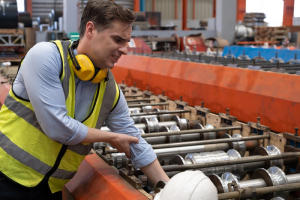
Machine guarding violations occur when physical safeguards on equipment are missing, bypassed, or not maintained. Conveyor systems and other moving machinery present elevated risk due to continuous motion and pinch points.
A recurring issue is maintenance behavior under production pressure, in which safety guards are removed or bypassed to reduce downtime. Older equipment without retrofit safeguards also increases exposure risk in some facilities.
Training, Competency, and Worker Preparedness Gaps in Warehouses
Training-related safety gaps in warehouses are rarely due to the absence of programs. They are usually caused by inconsistent delivery, weak skill verification, and uneven application across shifts and worker types. These issues become more visible in high-turnover and multi-shift environments.
Onboarding and Early Task Assignment Gaps
New workers are sometimes assigned to active duties before completing role-specific safety training. This increases exposure to hazards, such as forklift zones, docks, and material-handling areas. The main issue is not training availability, but timing and completeness before exposure.
Competency Gaps and Lack of Skill Verification
Training completion does not always confirm practical ability. Without on-the-job evaluation or supervised task checks, workers may not consistently apply safe procedures in real operations like forklift handling or picking activities.
Training Documentation and Traceability Gaps
Incomplete or outdated records make it difficult to confirm worker readiness for assigned tasks. This reduces visibility into training completion, refreshers, and role-based qualifications across the workforce. In facilities utilizing fragmented or manual tracking systems, administrative data entry often lags significantly behind fast-moving shift rotations and sudden seasonal onboarding rushes. This lack of centralized visibility creates a dangerous disconnect on the floor, leaving supervisors unable to instantly verify, if a worker assigned to an active loading dock or mechanized conveyor has valid or expired credentials.
Equipment, Electrical, and Maintenance Safety Failures
A combination of poor maintenance practices, overloaded systems, and inconsistent inspection routines typically drives equipment and electrical safety failures in warehouses. These issues often develop gradually, making them less visible until a breakdown or incident occurs.
Unsafe Equipment Condition and Maintenance Gaps
Warehouse equipment is sometimes operated despite visible wear, damage, or delayed repairs. Forklifts, conveyors, and handling equipment may continue in use without timely servicing, increasing the risk of malfunction during operation. The core issues are often delayed maintenance reporting and a lack of follow-through on repair actions.
Electrical Overload and Temporary Wiring Risks
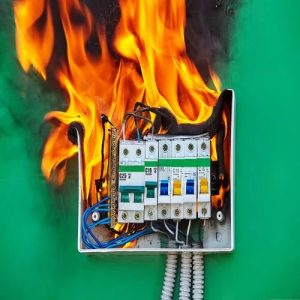
Electrical safety issues commonly arise from overloaded outlets, excessive use of extension cords, and temporary wiring setups that are not properly secured. These conditions increase the risk of overheating and equipment failure, especially in high-demand operational areas.
Loading Dock and Material Handling Safety Risks
Loading dock areas are high-risk operational zones because they combine vehicle movement, heavy loads, and pedestrian activity in a confined space. A single issue rarely causes safety failures in this area. They usually result from a combination of equipment condition, load stability, traffic design, and operational coordination gaps.
Trailer Stability and Dock Interface Failures
Unsafe conditions occur when trailers are not properly secured, aligned, or stabilized during loading and unloading. Gaps between the dock and trailer increase fall risks, while unsecured trailers can shift under load movement.
These risks are typically controlled through dock restraints, wheel securing systems, and inspection of trailer condition before loading begins.
Load Stability and Material Handling Failures
Material handling risks increase when pallets are improperly stacked, unevenly loaded, or inadequately secured for movement. Load instability can lead to collapse during lifting, transport, or placement.
Control measures rely on correct stacking practices, pallet integrity checks, and ensuring loads are stable before forklift engagement.
Communication and Operational Coordination Gaps
Dock safety depends on clear communication among drivers, forklift operators, and supervisors during loading and unloading. Breakdowns in signaling or handoff procedures can lead to premature movement of trailers or unsafe equipment operation.
Standardized communication protocols and supervised loading procedures help reduce these coordination failures.
How to Address and Prevent Common OSHA Violations in Warehouses?
Preventing OSHA violations in warehouses requires a structured, system-based approach. Effective prevention focuses on strengthening these areas together rather than applying isolated fixes.
Strengthen Engineering and Physical Controls
Prioritize physical safety controls that reduce exposure at the source. This includes separating forklift and pedestrian traffic, using dock restraints, maintaining machine guards, and improving warehouse layout to reduce congestion in high-risk zones.
Standardize Safety Procedures and Inspections
Implement consistent inspection routines with clear checklists and defined responsibilities. Facilities must enforce a digitized verification framework that handles hazards in real time. Ensure every identified hazard is tracked through to corrective action closure, with physical supervisor verification that the issue has been fully resolved on the floor before the log entry is closed. Closing this tracking loop ensures that discovered vulnerabilities are structurally corrected rather than normalized across subsequent shifts under peak production pressure.
Improve Hazard Communication Systems
Ensure all hazardous materials are clearly labeled and that Safety Data Sheets are easily accessible at the point of use. Standardize chemical handling and storage procedures across all shifts to prevent inconsistencies. To eliminate down-packing vulnerabilities on the floor, facilities must establish dedicated GHS label replenishment stations at the exact points of material transfer. Standardizing procedures must also include mandating formal chemical handoff checklists during cross-shift rotations, ensuring that any temporary secondary containers or spray bottles are properly accounted for, clearly marked, or safely decommissioned before the incoming shift begins work.
Enforce Preventive Maintenance Programs
Establish scheduled maintenance for forklifts, conveyors, and electrical systems. Track maintenance activities to prevent equipment degradation and reduce the risk of unexpected failures during operation.
Ensure Role-Based Training and Competency Verification
Training should be specific to job roles and completed before workers are assigned to tasks. Competency should be verified through practical assessment, not just training completion records.
Maintain Consistent Supervision Across All Shifts
Safety enforcement should remain consistent across day, night, and contractor shifts. Supervisors must actively reinforce procedures and ensure compliance does not vary under operational pressure.
Conclusion:
Most OSHA violations in warehouses do not occur in isolation. They develop over time through recurring gaps in how safety controls are designed, applied, and verified across daily operations. These gaps may appear in training consistency, equipment upkeep, inspection routines, or supervision practices, but they often point to the same underlying issue; uneven execution of safety systems.
For employers, the focus should not be on isolated corrections, but on how reliably engineering controls, procedures, training, and supervision work together in practice. When these elements are consistently applied and properly maintained, warehouses are better positioned to reduce violations, control operational risk, and maintain safer working conditions across all shifts and roles.
Frequently Asked Questions
An OSHA inspection is typically unannounced and may be triggered by complaints, workplace incidents, referrals, or programmed inspections. The process includes an opening conference, a walkthrough of the facility, employee interviews, and a review of safety records such as training, inspections, and maintenance logs.
OSHA commonly issues violations for unsafe forklift operations, poor material storage practices, inadequate hazard communication, unsafe walking surfaces, missing machine guards, and weak safety management systems. These issues usually occur when safety controls are not consistently applied in daily operations.
After a violation is issued, the employer receives a citation describing the hazard, required corrective action, and a deadline for abatement. The employer must correct the issue and provide documented proof. Penalties vary depending on violation type and severity classification.
Continuous readiness is achieved by maintaining updated safety records, conducting regular inspections, tracking corrective actions, and ensuring equipment and work areas remain compliant. Readiness is not a one-time effort but depends on ongoing safety discipline across all shifts.
OSHA compliance is shared but depends on control over the worksite. The host employer is generally responsible for workplace safety conditions, while staffing agencies may handle worker training. Clear safety expectations, supervision, and communication are required to maintain consistent compliance across all workers.