English and
 Español. After purchase, use the language toggle in your course Player to switch between English and Spanish at any time.

 EN
EN ES
ES

























































































































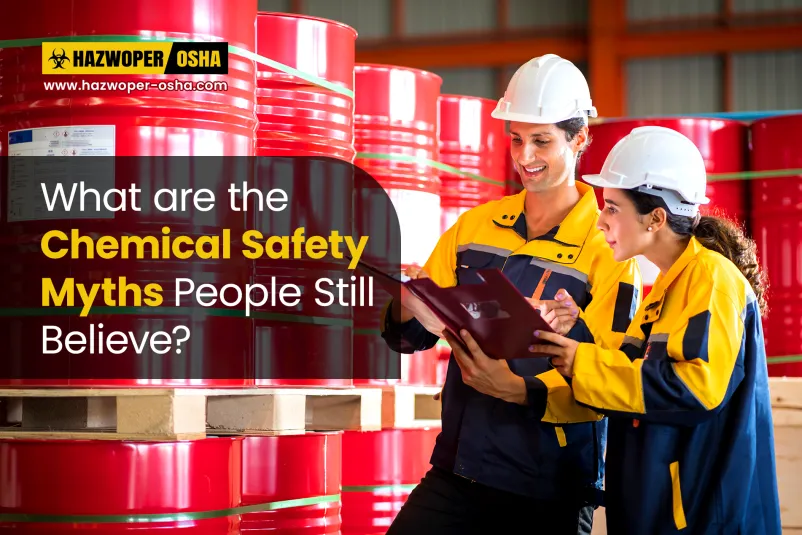
What are the Chemical Safety Myths People Still Believe?
Introduction:
Chemical safety is a core responsibility for every employer whose workplace uses, stores, or handles hazardous substances. Misconceptions about chemicals and their effects on workers can weaken safety practices and increase the likelihood of incidents. Many of these myths stem from an incomplete understanding of hazard communication, misinterpretation of safety documents like Safety Data Sheets (SDS), and oversimplified beliefs about exposure and risk.
In the workplace, risk is not defined solely by the presence of a chemical but by how, where, and under what conditions employees are exposed to it. Misunderstandings about exposure pathways, hazard severity, and protective measures can lead to unsafe decisions, such as relying on sensory cues like smell to judge danger or assuming that familiar substances are harmless.
Employers who overlook these misconceptions often find that training programs fail to improve daily practices because they do not bridge the gap between hazard knowledge and practical application. Workers may have access to SDSs but lack the skills to quickly extract and apply critical information when handling chemicals.
This blog identifies common chemical safety myths that many organizations still believe, explains why they are misleading, and sets the stage for practical, sound steps employers can take to improve their chemical safety culture and protect their workforce.
Why Do Chemical Safety Myths Still Persist?
Chemical safety myths continue to take hold because people often rely on emotions and shortcuts instead of accurate information. Many workers and supervisors associate the word chemical with danger due to negative connotations rooted in past incidents, fear‑based messaging, and everyday language that equates chemical with toxic. This cultural framing makes myths easier to accept and harder to dispel.
People tend to judge risk based on familiarity and immediacy rather than scientific evidence. Familiar substances feel safe despite real hazards, while unfamiliar ones evoke fear regardless of risk. These mental shortcuts, like the natural bias, make myths persist even when clear safety data exists.
In workplaces, incomplete training and communication gaps reinforce misconceptions. Workers may not fully understand hazard information on labels or safety documents, which leads to misperceptions about what is truly dangerous.
Finally, workplace culture influences belief persistence. If leaders and peers repeat inaccurate ideas like, “all chemicals are dangerous” or “familiar equals safe; those notions become part of common practice. Without targeted education that addresses these specific misconceptions, myths remain unchallenged and drive unsafe behavior.
Most Common Chemical Safety Myths People Still Believe
Industrial workplaces host a wide variety of chemicals, including solvents and acids, catalysts, and coatings. Below are the most common misconceptions employers still encounter, why they are misleading, and what they actually mean for workplace safety.
1. Myth — Natural chemicals are always safe
It’s a common belief that natural chemicals pose less risk than man-made ones. In industrial environments, this belief can lead to underestimating hazards. The safety of any chemical, natural, or synthetic, depends on its inherent properties and the conditions of exposure. For example, crystalline silica, a naturally occurring mineral found in construction materials like concrete and stone, can cause silicosis and chronic lung disease when inhaled over time if not effectively controlled. Likewise, beryllium, a natural element used in aerospace and electronics, can cause severe respiratory sensitization.
2. Myth — Acids instantly burn through anything
In industrial settings, strong acids such as sulfuric and hydrochloric acids are commonly used in pickling, cleaning, and processing streams. While these substances are corrosive and can cause chemical burns on contact, they do not “burn through anything” instantaneously, as in a cinematic trope. The severity of damage depends on concentration, contact duration, surface material, and exposure route. Proper engineering controls (ventilation, containment) and PPE significantly reduce risk, even with high-strength acids. This aligns with overarching workplace hazard control practices aimed at reducing exposures.
3. Myth — If a chemical is used every day, it must be safe
Frequent use does not equate to safety. Many chemicals frequently in industrial operations, such as toluene in coatings or acetone in surface cleaning, have health effects at certain exposure levels. The mere fact that a substance is part of standard operating procedures does not eliminate risk; instead, risk is managed through exposure assessments, engineering controls, and PPE. Regular use can breed complacency, unless hazards and controls are actively reinforced.
4. Myth — Chemical exposure and toxicity are the same
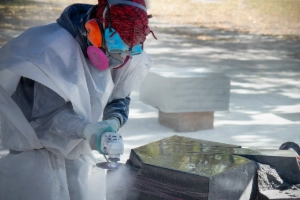
Although related, toxicity and exposure represent different aspects of hazard management. Toxicity refers to a chemical’s inherent ability to cause harm, while exposure describes the degree to which a worker contacts that chemical (how long, how often, and through which routes). For example, hydrochloric acid is highly corrosive and inherently toxic to skin and eyes. However, when it is handled in a closed system with proper ventilation, splash guards, and appropriate PPE, worker exposure can be minimal, significantly reducing the actual risk. On the other hand, silica dust generated during cutting or grinding concrete has moderate toxicity. Still, if workers perform these tasks daily without dust suppression or respiratory protection, prolonged inhalation can lead to serious conditions such as silicosis.
A highly toxic substance poses little risk if exposure is negligible due to effective controls, such as local exhaust ventilation, or by substituting a less hazardous alternative. Conversely, a substance with moderate toxicity can cause harm if exposure levels are high.
Why These Myths Matter for Employers
These misconceptions are not merely academic, they influence how safety decisions are made on the shop floor:
- Underestimating hazards can lead to insufficient control measures or training gaps.
- Misinterpreting risk may result in inappropriate PPE selection or inadequate ventilation systems.
- Overreliance on assumptions (like “safe because it’s familiar”) undermines systematic hazard recognition and risk mitigation practices.
Industrial chemical safety hinges on understanding actual hazards and exposures, and on using tools such as Safety Data Sheets (SDSs), exposure limits, engineering controls, and worker training to make informed decisions. Effective management replaces myths with evidence-based practices that protect employees and maintain operational continuity.
How to Debunk These Myths for Employees?
Chemical safety myths persist because they are rarely challenged in a way that connects directly to day-to-day work. Employers play a critical role in correcting misinformation by reinforcing an accurate, practical understanding, not just compliance. The goal is to replace assumptions with clear reasoning that employees can apply on the job.
1. Provide Effective, Contextual Training (Not Just Generic Videos)
Training should go beyond generic videos and technical definitions. While general chemical safety concepts are important, employees need to understand how those concepts apply directly to the chemicals, processes, and exposure scenarios in their own workplace.
Use real examples from your facility, such as solvents used in maintenance, acids in processing, or dust generated during cutting or grinding, to demonstrate how common misconceptions can lead to unsafe decisions. When workers see how safety information connects to their specific tasks, it becomes more relevant and memorable.
Equally important, training must be delivered in a language employees are fluent in and in formats that support how they learn best. This may include short instructor-led sessions, visual demonstrations, hands-on walkthroughs, or simplified written materials. Avoid unnecessary technical jargon, and clearly explain essential terms like exposure, toxicity, and long-term health effects. Misunderstood terminology is often the root of workplace myths.
When training is both contextual and clearly understood, it becomes far more effective at correcting misinformation and reinforcing safe behaviors.
2. Use Clear Communication Tools
Employees need practical tools to verify information rather than rely on assumptions or word of mouth.
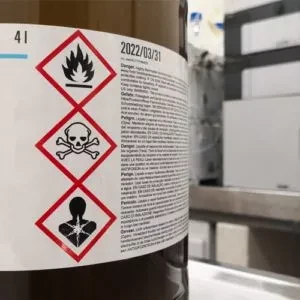
Teach employees how to read and interpret Safety Data Sheets (SDS) and GHS labels, focusing on hazard symbols, exposure routes, and precautionary statements. This directly counters myths like “if it smells mild, it’s safe” or “we’ve always used this without issues.”
Reinforce that odor, color, or surface appearance are unreliable indicators of chemical hazard. Many harmful substances have little to no smell, while others may smell strong but pose less risk when properly controlled.
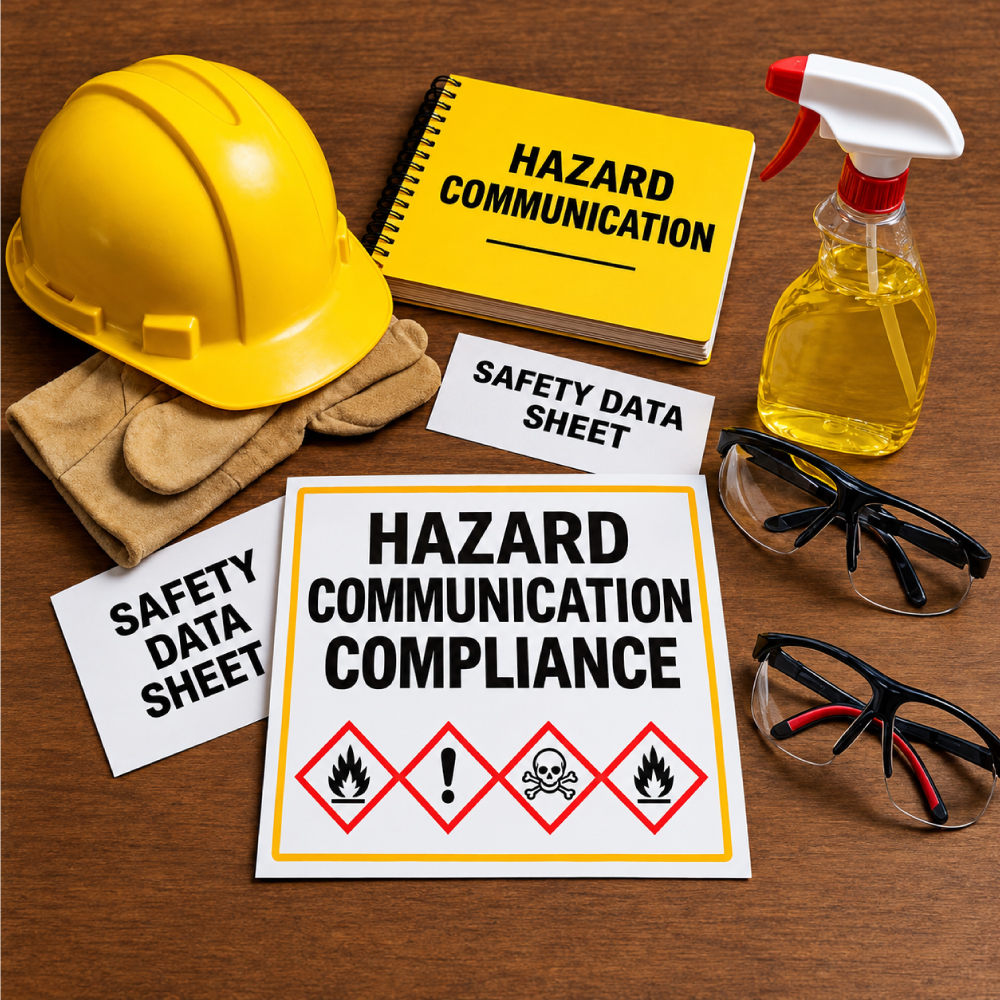
Use visual aids, quick-reference cards, and signage to highlight common chemical hazards and safe handling practices relevant to your operations.
3. Reinforce Through Ongoing Engagement
One-time training is rarely enough to eliminate deeply rooted misconceptions. Ongoing reinforcement ensures accurate information replaces unsafe beliefs and keeps chemical safety top of mind.
Use a mix of visual and interactive reinforcement strategies. Post SDS highlights, visual reminders, and myth-busting materials in high-traffic areas such as break rooms, maintenance shops, and near chemical storage areas. Short micro-training sessions, toolbox talks, and brief “myth vs. fact” refreshers can reinforce key concepts without overwhelming employees.
Periodic quizzes, short assessments, or informal check-ins help confirm understanding and identify lingering myths before they lead to unsafe practices. Encouraging open discussions also creates space for workers to ask questions and share real experiences, allowing misconceptions to surface early.
Consistent reinforcement signals that chemical safety is an ongoing priority, not just a one-time compliance requirement.
4. Encourage a Culture of Safety Awareness
Myths thrive in environments where chemical safety is viewed as someone else’s responsibility. Employers should consistently communicate that safety is a shared responsibility, not limited to supervisors or safety personnel.
When employees understand that their daily choices such as following handling procedures or reporting concerns directly affect their own safety and that of their coworkers, myths like “this isn’t my concern” begin to fade.
Conclusion:
Chemical safety myths often persist because familiarity and assumptions replace careful understanding in the workplace. For employers, the goal isn’t just enforcing rules but helping employees truly grasp how chemicals pose risks and how to control exposures effectively.
Clear, relevant training that connects to real tasks and ongoing reinforcement builds safer habits and stronger safety cultures. Encouraging questions and challenging misconceptions make all the difference in reducing incidents and protecting workers.
For those looking to deepen their team’s knowledge, courses like Hazard Communication (HazCom) with the Globally Harmonized System (GHS) Training, OSHA 40 Hour HAZWOPER Training – 29 CFR 1910.120 (e), and Hazardous Waste Manifest Training offer practical, job-focused learning that supports informed decision-making on the job.
Understanding chemical hazards isn’t optional in industrial workplaces; it’s essential for safety and success.
Frequently Asked Questions