English and
 Español. After purchase, use the language toggle in your course Player to switch between English and Spanish at any time.

 EN
EN ES
ES












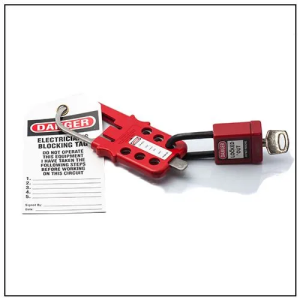
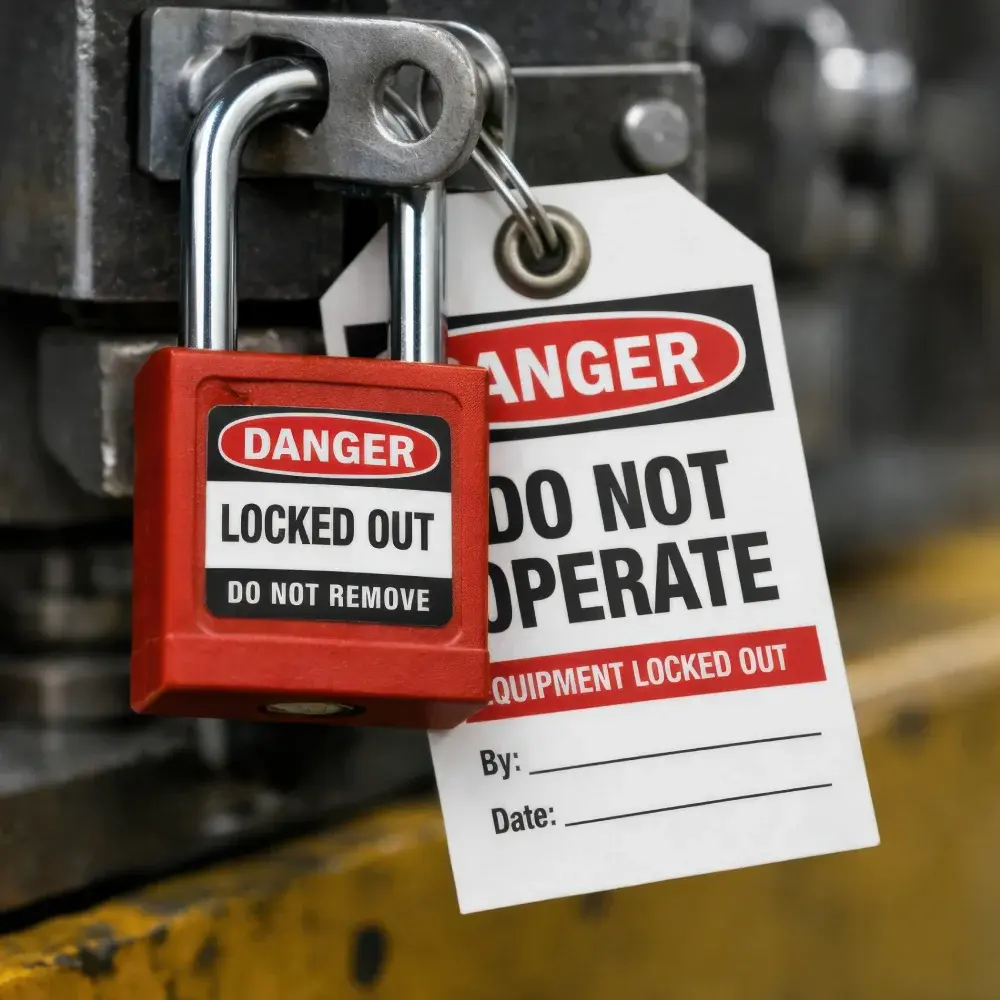
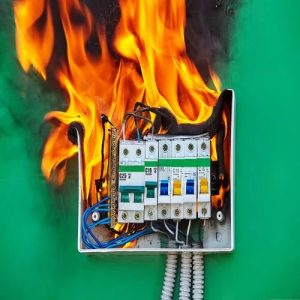











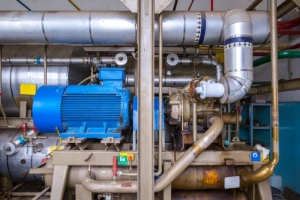





























































































































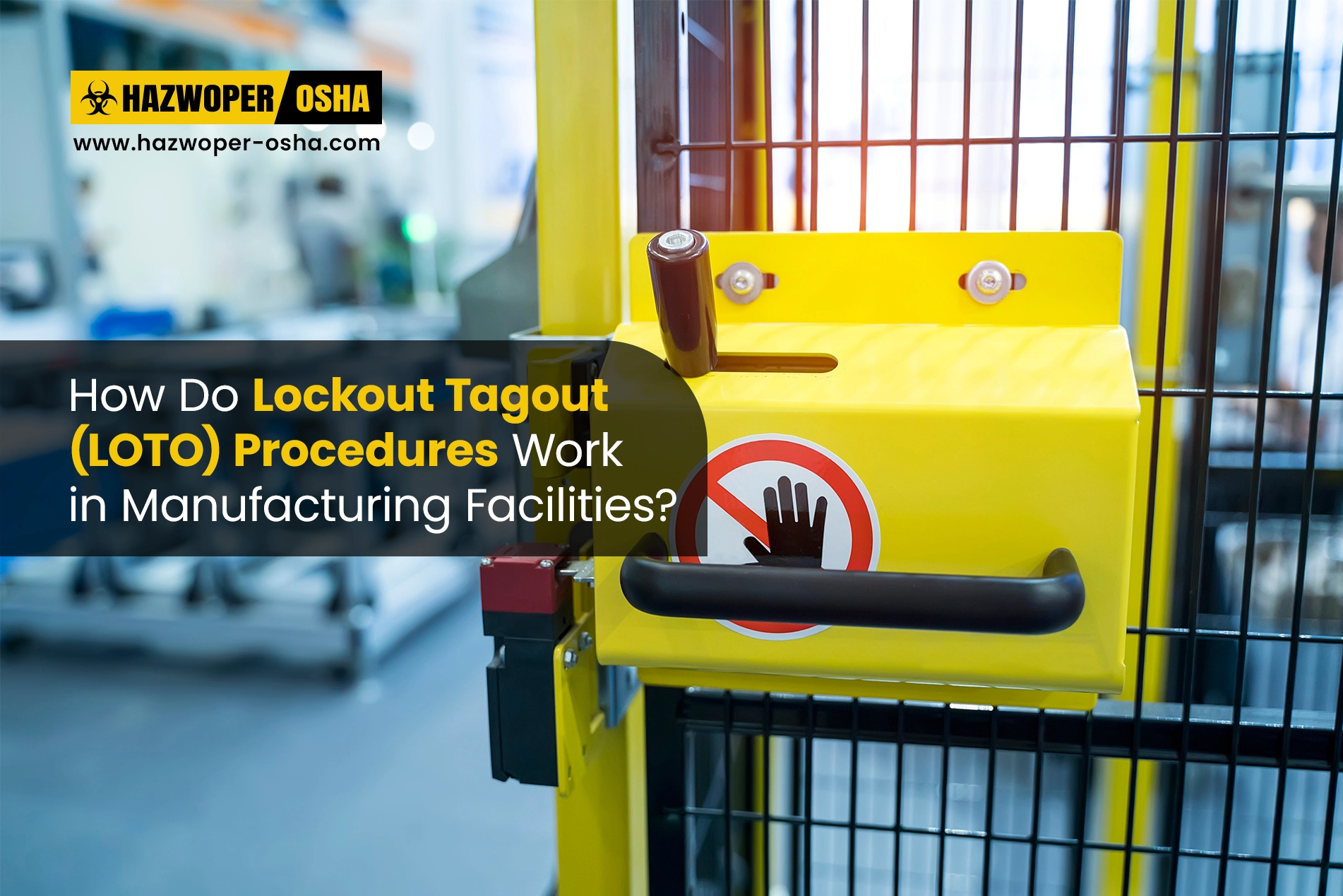
How Do Lockout Tagout (LOTO) Procedures Work in Manufacturing Facilities?
Introduction:
Imagine a maintenance technician standing beside a production machine that appears completely shut down. The motor is silent. The controls are off. The line has stopped.
But is the machine actually safe to service?
A hydraulic system may still be pressurized. A pneumatic cylinder may retain stored energy. An elevated component may fall under gravity. Electrical equipment may contain residual energy. A machine that has stopped operating is not necessarily a machine whose hazardous energy has been isolated.
The consequences of getting that distinction wrong are reflected in OSHA's latest enforcement data. Between October 2024 and September 2025, OSHA recorded 2,540 citations under its hazardous-energy control standard, 29 CFR 1910.147, with more than $15.9 million in penalties. Manufacturing accounted for 1,991 of those citations during the same period.
That is why Lockout/Tagout (LOTO) is more than a lock-and-tag exercise on a manufacturing floor.
From machine-specific energy-control procedures and multiple energy sources to group LOTO, shift changes, verification, and safe return to production, this guide explains how LOTO procedures work in manufacturing facilities and what each stage is designed to accomplish.
How Does a Manufacturing Facility Prepare for LOTO?
LOTO preparation begins before shutting down the equipment. The authorized employee must understand the equipment involved, the servicing task, the type and magnitude of hazardous energy present, the hazards associated with that energy, and the methods available to isolate and control it. OSHA requires these elements to be addressed as part of the energy-control process.
Identify the Machine and Maintenance Task
Start by identifying the exact equipment involved and defining the servicing or maintenance work to be performed. Determine whether the task could expose employees to unexpected energization, startup, or the release of hazardous stored energy. Record or confirm the machine or equipment identification, work location, and task scope. Also determine whether the equipment is interconnected with other machinery or whether recent modifications could have changed its energy sources or isolation points.
Identify Every Hazardous Energy Source
Next, identify every form of hazardous energy that could expose employees during the task. Depending on the equipment, this may include:
- Electrical energy
- Hydraulic pressure
- Pneumatic pressure
- Mechanical energy
- Gravity or elevated loads
- Thermal energy
- Stored or residual energy
The assessment should determine both the type and magnitude of energy and how that energy can reach the employee. It should also identify energy that remains after normal shutdown or that could build up again during the work. OSHA requires authorized employees to be trained to recognize applicable hazardous energy sources, understand their type and magnitude, and know the methods and means necessary for energy isolation and control.
Review the Applicable Energy Control Procedure
Before shutdown, review the energy-control procedure that applies to the equipment. OSHA does not require a separate procedure for every machine when a common procedure can appropriately cover similar equipment. If the procedure does not accurately describe how the equipment can be isolated and verified, stop and resolve the discrepancy through the facility's energy-control program before servicing begins.
Determine Employee Roles
Identify who will perform the LOTO procedure and who may be affected by the shutdown.
- Authorized employees perform the energy-control activities required for covered servicing or maintenance, such as isolating energy sources, applying lockout or tagout devices, controlling stored energy, and verifying effective isolation. They must be trained to recognize hazardous energy, understand its type and magnitude, and use the methods necessary to control it.
- Affected employees operate or use equipment under lockout or tagout or work in the area where the servicing or maintenance is being performed. They must understand the purpose and use of the energy-control procedure and must not attempt to restart or reenergize equipment that has been locked or tagged out.
- Other employees whose work may take them into the area must be informed about the energy-control procedure and specifically instructed not to attempt to restart or reenergize locked or tagged equipment.
Defining these roles before shutdown establishes who is responsible for applying the energy controls, who is protected by them, and who must remain clear of the equipment while servicing is underway.
What Are the Steps in a Manufacturing LOTO Procedure?
Once the equipment, energy sources, applicable energy-control procedure, and employee responsibilities have been established, the LOTO process moves into execution. The sequence below follows the core requirements of OSHA 29 CFR 1910.147 while addressing how those controls are applied during manufacturing maintenance and servicing.
Step 1: Notify Affected Employees
Before shutting down the equipment, notify affected employees that the machine will be removed from service and explain the reason for the shutdown. The notification should identify the equipment involved and communicate when normal operation is expected to stop.
This step prevents employees who normally operate or work around the equipment from attempting to use it after the energy-control process begins.
Step 2: Shut Down the Equipment
Shut down the machine using its established operating controls and follow the equipment-specific shutdown sequence. Allow moving parts to stop and ensure the machine reaches its normal shutdown condition before attempting to isolate its energy sources. Normal shutdown does not constitute energy isolation.
Step 3: Isolate All Energy Sources
After shutdown, operate the machine's energy-isolating devices to prevent the transmission or release of hazardous energy. Depending on the equipment, this may involve disconnecting electrical power, closing and securing hydraulic or pneumatic valves, blocking mechanical movement, or isolating other applicable energy sources.
Isolation must address all identified hazardous energy, not simply the primary electrical supply. The energy-control procedure should specify which energy-isolating devices must be operated and the sequence for securing them. OSHA defines an energy-isolating device as a mechanical device that physically prevents the transmission or release of energy; push buttons, selector switches, and other control-circuit devices are not energy-isolating devices under the standard.
Step 4: Apply Locks and Tags
Once the energy-isolating devices are in the required safe or off position, apply the appropriate lockout or tagout devices in accordance with the facility's procedure.
Where an energy-isolating device can be locked out, OSHA generally requires lockout unless the employer can demonstrate that tagout provides full employee protection under the conditions specified by the standard. Locks and tags must remain under the control required by the facility's energy-control program throughout the servicing operation. They are not simply indicators that a machine is being worked on; they are part of the system used to prevent unauthorized reenergization.
Step 5: Release, Restrain, or Control Stored Energy
Isolating the primary energy sources does not automatically eliminate energy already present in the equipment. Before work begins, authorized employees must render stored or residual energy safe.
Depending on the equipment, this may require:
- Bleeding or venting hydraulic or pneumatic pressure
- Discharging electrical storage
- Releasing mechanical tension
- Lowering or blocking elevated components
- Allowing hot components or fluids to cool
- Securing parts that could move because of gravity or stored mechanical energy
If stored energy could reaccumulate to a hazardous level, the facility must continue to verify or otherwise ensure that it remains controlled throughout the servicing activity.
Step 6: Verify Zero-Energy State
Before employees begin servicing, the authorized employee must verify that the equipment has been effectively isolated and deenergized.
Verification should follow the machine's established energy-control procedure and may include attempting to start or operate the equipment using normal controls after ensuring personnel are safely positioned. Appropriate testing equipment may also be required to confirm the absence of electrical energy.
After testing, return operating controls to the neutral or off position where applicable.
Step 7: Perform the Maintenance or Servicing Work
Only after the required isolation, lockout/tagout, stored-energy controls, and verification are complete should authorized employees begin the servicing or maintenance work.
The LOTO controls must remain in place for the duration of the work. Employees should not bypass, reposition, or remove an energy-control device to make the task easier.
If the work scope changes or creates a new energy hazard, stop the job and reassess the applicable energy-control procedure before continuing. Establish any additional isolation or control measures required by the changed conditions before employees are exposed to the hazard.
How Does LOTO Work When Multiple Workers or Shifts Are Involved?
When multiple employees, shifts, crews, or contractors work on the same equipment, the LOTO procedure must protect each authorized employee throughout the entire servicing operation. OSHA requires group LOTO procedures to provide protection equivalent to individual lockout or tagout and requires specific procedures for shift and personnel changes.
Group Lockout/Tagout in Manufacturing
Group LOTO is used when a crew, craft, department, or other group performs servicing or maintenance. The facility's procedure must provide each authorized employee with protection equivalent to that provided by a personal lockout or tagout device. A common approach is to secure the energy-isolating devices and place the keys in a group lockbox. Each authorized employee participating in the work then applies their personal lock or tag to the group lockbox or comparable mechanism before beginning work. The personal device provides individual control of that employee's protection; a supervisor's lock or an employee list alone does not substitute for the required personal device.
The group procedure must designate an authorized employee with primary responsibility for coordinating the LOTO operation.
LOTO During Shift Changes
A shift change must not create a gap in hazardous-energy protection. The facility must have a procedure for the orderly transfer of LOTO protection from off-going to oncoming employees. The exact transfer method can vary by facility. For example, incoming authorized employees may apply their personal locks to the established group lockbox before outgoing employees remove theirs, provided the facility's procedure maintains continuous protection. OSHA's guidance offers several approaches for maintaining protection during multi-shift operations rather than requiring a single universal transfer method.
Multiple Contractors or Maintenance Teams
When outside contractors perform servicing or maintenance covered by the LOTO standard, the on-site employer and outside employer shall inform each other of their respective lockout/tagout procedures. The on-site employer must also ensure that its employees understand and comply with the applicable restrictions and prohibitions associated with the outside employer's energy-control program. When multiple maintenance teams, departments, or contractors work under the same energy isolation, the facility should establish clear responsibility for coordinating the overall LOTO operation. Each authorized employee must maintain their required personal protection, while the designated coordinator maintains accountability and continuity across the participating work groups.
How Is Equipment Safely Returned to Production After LOTO?
Before removing LOTO devices and restoring energy, the facility must follow its established release procedure.
Inspect the Equipment and Work Area
Inspect the machine and the immediate work area to confirm that servicing is complete, nonessential tools and materials have been removed, and machine or equipment components are operationally intact. Reinstall guards and other protective devices removed during servicing before returning the equipment to normal operation.
If testing or positioning is required before servicing is complete, do not simply remove the LOTO devices and energize the machine. OSHA requires a specific sequence for these situations: clear tools and materials, remove employees from the danger area, remove the LOTO devices, energize for testing or positioning, then deenergize and reapply the energy-control measures before servicing continues.
Confirm Workers Are Clear
Check the work area to ensure all employees have been safely positioned or removed before removing LOTO devices and restoring energy. This check is particularly important when several authorized employees, departments, or contractors have participated in the servicing operation.
Remove LOTO Devices
The authorized employee who applied each lockout or tagout device should normally remove it. OSHA permits removal by another person only under a specific employer procedure that provides equivalent safety. That procedure must verify that the employee who applied the device is not at the facility, require reasonable efforts to contact the employee about the removal, and ensure that the employee knows the device has been removed before resuming work at the facility.
Notify Affected Employees and Restore Energy
After removing the required LOTO devices, notify affected employees that the devices have been removed and the equipment is ready to return to service. This notification must occur before starting the machine or equipment.
Once the release procedure is complete, restore energy using the equipment's established startup procedure. During startup, watch for abnormal movement, sounds, leaks, alarms, or other indications of a maintenance-related problem, and stop the process if you identify an unsafe condition.
The critical distinction is that verifying zero energy before maintenance and verifying that employees are clear before reenergization are two different controls. The first establishes that hazardous energy has been effectively controlled for the servicing task; the second helps prevent employee exposure when that energy is restored.
Conclusion:
LOTO is only effective when it works the same way on the production floor as it does on paper. A written procedure, a lock, or a training record cannot protect workers if an energy source is missed, stored energy is left uncontrolled, verification is skipped, or protection breaks down during a shift or crew change.
For manufacturing facilities, the goal should be more than simply meeting the requirements of 29 CFR 1910.147.
That is where focused training can strengthen an existing energy-control program. OSHA Lockout Tagout (LOTO) Training can help employees build a practical understanding of hazardous-energy control and the LOTO process. For organizations looking to reinforce their program with a broader OSHA/ANSI-focused credential, OSHA-ANSI Lockout/Tagout (LOTO) Certificate Training provides another training option.
Ultimately, effective LOTO comes down to one question: when a worker reaches into a machine, can everyone involved be confident that its hazardous energy is under control? If the answer is not consistently yes, the procedure, training, or both need another look.
Frequently Asked Questions