English and
 Español. After purchase, use the language toggle in your course Player to switch between English and Spanish at any time.

 EN
EN ES
ES




























































































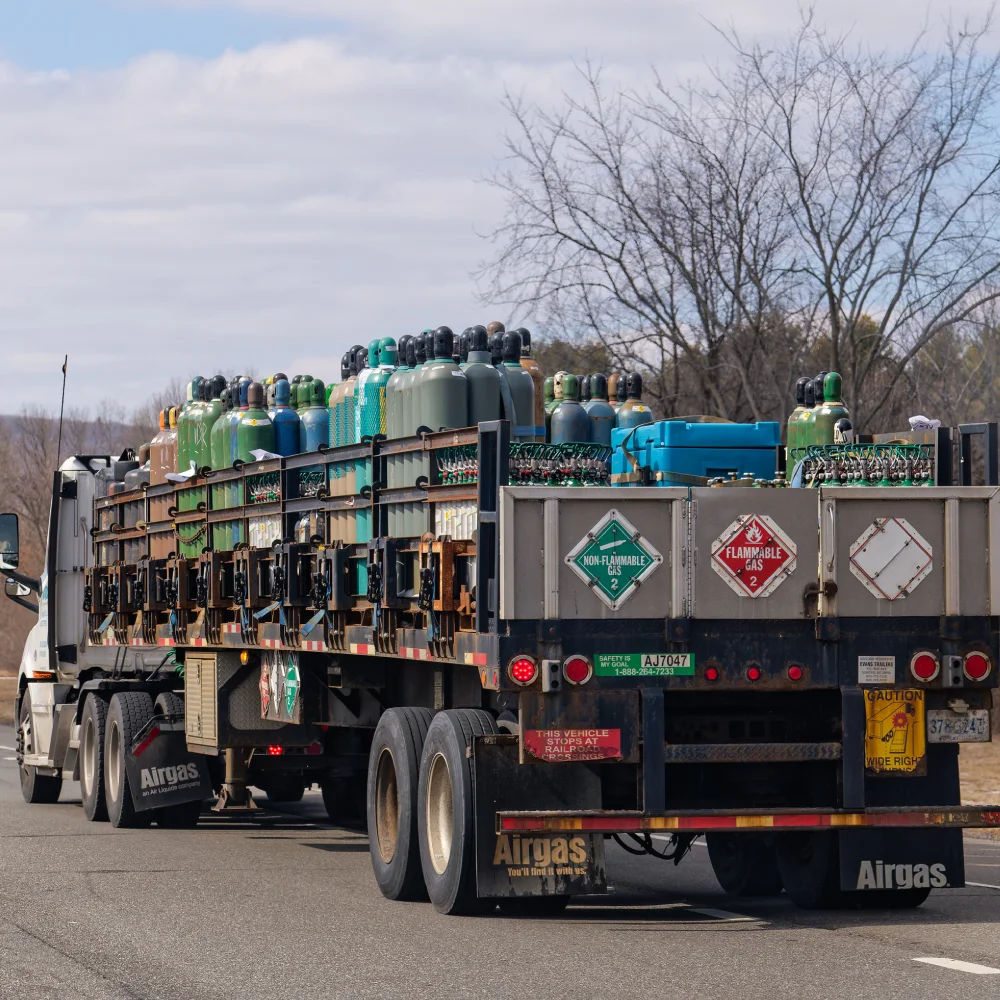






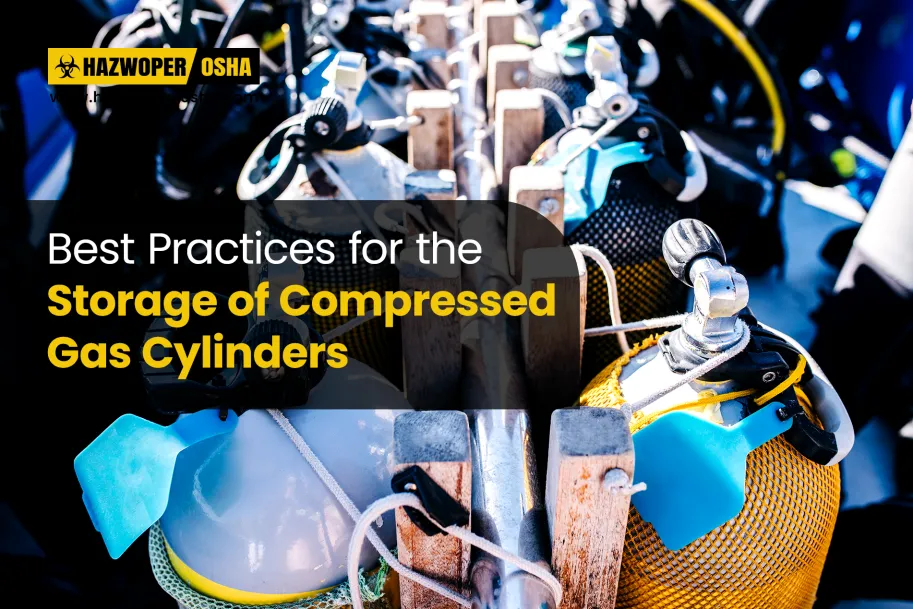
Best Practices for the Storage of Compressed Gas Cylinders
Introduction:
Compressed gas cylinders are essential tools in many workplaces, from manufacturing plants and construction sites to laboratories and maintenance facilities. These cylinders store gases under high pressure, making them effective but potentially dangerous if handled or stored improperly. A dropped cylinder, damaged valve, or exposure to heat can lead to leaks, fires, explosions, or cylinders becoming projectiles.
For employers, safe storage goes beyond simply placing cylinders in a corner. Different types of gases, flammable, oxidizing, and inert, have unique storage needs, and improper grouping can create significant hazards.
By implementing clear, actionable storage practices, employers can significantly reduce the risk of accidents while maintaining better control over compressed gas inventory. The following blog outlines practical steps for safely storing compressed gas cylinders, maintaining cylinder integrity, and creating a safer workplace environment.
Why Proper Compressed Gas Cylinder Storage Matters?
Improper storage of compressed gas cylinders can lead to immediate, high-consequence incidents that directly endanger employees. If a cylinder falls and its valve is damaged, the sudden release of high-pressure gas can turn it into a powerful projectile. Leaking cylinders introduce additional risks depending on the gas type. Flammable gases can ignite, oxidizing gases can accelerate fires, and inert gases like nitrogen can displace oxygen, leading to rapid asphyxiation in confined or poorly ventilated spaces.
These hazards are not theoretical; they often occur during routine storage and handling, not just active use. Storing incompatible gases (such as oxygen near fuel gases) can escalate a small leak into a fire or explosion. At the same time, poor ventilation can allow gases to accumulate unnoticed until conditions become dangerous.
Beyond employee safety, improper storage can disrupt operations. Leaks, damaged cylinders, or safety incidents may require emergency shutdowns, delay projects, and increase maintenance and replacement costs. Even minor issues can cascade into significant downtime if cylinders are not properly tracked, segregated, and maintained.
There are also serious regulatory consequences. Agencies like the Occupational Safety and Health Administration (OSHA) enforce strict requirements for compressed gas storage under workplace safety standards. Non-compliance can result in citations, financial penalties, and heightened inspections impacting both productivity and organizational credibility.
Proper storage is not just a precaution; it is a critical control measure that prevents life-threatening incidents, protects operational continuity, and ensures compliance with safety regulations.
What Employers Must Consider When Storing Gas Cylinders?
Beyond standard safety practices, overlooked factors can quietly increase risk and contribute to serious incidents if left unaddressed.
1. Less Obvious Environmental Risks
Storage conditions that appear compliant can still create hazards over time. For example, cylinders placed near exterior walls may be exposed to direct sunlight, which can increase internal pressure, especially in partially filled cylinders. In enclosed or poorly ventilated areas, slow leaks can accumulate, particularly with gases like propane or CO₂, which tend to settle at lower levels.
Moisture is another hidden risk. Water accumulation or high humidity can lead to corrosion at the cylinder base or valve, weakening the cylinder without obvious early warning signs.
2. Gradual Equipment Degradation
Cylinders and their components degrade with time and use. Valve threads can wear, seals can deteriorate, and protective caps may become ineffective, raising the likelihood of leaks even during storage.
Cylinders left unused for extended periods may develop unnoticed issues, such as internal corrosion or pressure loss, rendering them unreliable upon service return.
3. Workflow Barriers and Human Behavior
Even well-designed storage systems can fail if they are inconvenient to use. When cylinders are difficult to access or located far from work areas, employees may temporarily store them in unsafe locations or leave them unsecured.
These small deviations often become routine over time, increasing the risk of tipping, misidentification, or accidental damage. especially in fast-paced environments.
4. Emergency Response Gaps
Storage setups often overlook how quickly and effectively workers can respond during an incident. Poor labeling, tight spacing, or unclear organization can delay identifying the gas involved, leading to incorrect response actions.
Limited access or obstructed layouts can also make it difficult to isolate or remove cylinders during emergencies, allowing incidents to escalate.
Addressing these less visible factors helps strengthen storage systems beyond basic compliance. By accounting for environmental exposure, equipment wear, human behavior, and emergency readiness, employers can reduce risks that standard checklists often miss.
Best Practices for the Safe Storage of Compressed Gas Cylinders
Effective cylinder safety doesn’t stop at proper setup; it requires active management while cylinders are in storage. The following practices focus on controlling risk in real time, not just on meeting baseline requirements.
1. Controlled Identification and Status Tracking
Misidentification is a common source of storage failure, especially in shared or high-turnover environments. Cylinders should not only be labeled but also actively tracked by status and movement. For example, separating “full,” “in-use,” and “empty” cylinders into clearly defined zones reduces handling errors and prevents accidental use of depleted or incorrect gas.
Relying solely on visual checks is insufficient to maintain a live inventory record that ensures cylinder contents, age, and location are always known, particularly during shift changes or emergencies.
2. Securing Systems and Stability Control
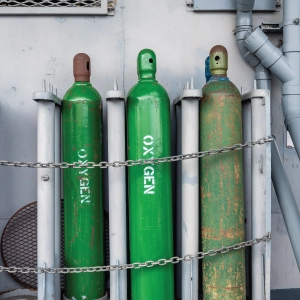
Cylinder restraint should be treated as a dynamic control, not a one-time setup. The “1/3–2/3 securing rule” ensures stability by anchoring cylinders at two points typically around the lower and upper thirds to prevent both tipping and rotational movement.
Additionally, cylinders should follow a “three-point contact” principle with the base plus two secure restraints to maintain consistent stability even when cylinders are added or removed from storage racks. This reduces the risk of imbalance in partially filled storage areas.
3. Inventory Rotation and Idle Cylinder Risk
Cylinders left in storage for too long can develop hidden risks, including seal degradation, pressure loss, or corrosion. Implementing a strict FIFO (First-In, First-Out) rotation system ensures older cylinders are used before newer ones, reducing the likelihood of long-idle inventory.
Storage racks should be organized to physically enforce rotation, not just rely on documentation such as front-loading newer cylinders and pulling from designated “use first” zones.
4. Valve Protection and Cap Integrity Monitoring
Protective caps are often treated as optional once cylinders are placed in storage, but they are a critical safeguard against valve damage the primary cause of high-impact failures.
Cap condition should be routinely checked as part of storage oversight, not just during transport. Loose, missing, or damaged caps increase the risk of valve exposure if a cylinder is bumped or shifted within the storage area.
5. Segregation and Layout Discipline
Separation of incompatible gases must be maintained not only in design but also in day-to-day storage discipline. Cylinders are often temporarily moved and not returned to their correct zones, gradually breaking segregation controls.
To prevent this, storage areas should use clearly defined, enforced zones with enough spacing to avoid overlap during busy operations. Regular walkthroughs help ensure that temporary deviations do not become permanent risks.
Active storage management requires continuous attention to how cylinders are secured, tracked, rotated, and maintained while at rest. By focusing on these operational controls, employers can reduce the likelihood of incidents that occur not during use but while cylinders are sitting in storage.
Creating a Workplace System for Cylinder Storage Management
An effective cylinder storage system is not just about safety it’s about control, traceability, and operational efficiency. Many risks and costs arise not from improper storage itself, but from gaps in tracking, accountability, and coordination.
1. Digital Audit Trails and Compliance Visibility
Paper tags and manual logs are often unreliable as they fade, get damaged, or go missing, Moving to barcode or QR-based tracking systems allows every cylinder to be logged, scanned, and time-stamped throughout its lifecycle.
This creates a verifiable audit trail for inspections, movement, and status changes, making it easier to demonstrate compliance during audits. It also reduces dependency on individual record-keeping and minimizes human error.
2. Demurrage Control and Vendor Tracking
Many organizations lose money due to untracked cylinder rental periods. Gas suppliers often charge demurrage fees when cylinders are held beyond agreed timelines, but without a tracking system, these costs go unnoticed.
An effective inventory system should track:
- Cylinder arrival dates
- Supplier ownership
- Duration on-site
This allows safety or operations teams to identify overdue cylinders, return them on time, and avoid unnecessary charges, while also improving coordination with vendors.
3. Standardized Vendor Handoff Procedures
One of the most overlooked risk points is the moment cylinders arrive on-site. Without a defined process, cylinders may be accepted, stored, or used without proper inspection or documentation.
A standardized handoff protocol should clearly define:
- Who receives the cylinders
- Who inspects for damage, labeling, and cap integrity
- Who logs them into the tracking system
This ensures that no cylinder enters the workplace without being verified, recorded, and properly placed, reducing both safety risks and administrative confusion.
4. Administrative Oversight and Training Accountability
Training is often conducted but not consistently tracked or reinforced. From an administrative perspective, employers should ensure that training completion, refreshers, and competency checks are documented and linked to job roles.
Supervisors should be able to quickly verify:
- Who is authorized to handle or manage cylinders
- When training was last completed
- Whether refresher training is due
This creates accountability and ensures that only qualified personnel interact with stored cylinders, reducing errors tied to knowledge gaps.
A structured workplace system built around traceability, vendor coordination, and administrative control helps eliminate hidden risks and costs. By strengthening these backend processes, employers can turn cylinder storage from a reactive task into a controlled, auditable, and efficient operation.
Conclusion:
Safe storage and management of compressed gas cylinders is more than a checklist; it’s a critical component of workplace safety, operational efficiency, and risk prevention. By implementing structured practices such as proper labeling, secure storage, separation of incompatible gases, regular inspections, and employee training, employers create an environment where hazards are minimized, and productivity is maintained.
A well-designed system not only protects personnel and equipment but also fosters a culture of responsibility and awareness, helping employees understand the importance of careful handling and monitoring of compressed gases. Even small improvements, like clear inventory tracking or routine inspections, can prevent costly accidents and disruptions.
For employers and safety managers seeking a deeper understanding and practical guidance, specialized training can make a measurable difference. The OSHA Compressed Gas Cylinder Safety Training course provides comprehensive instruction on safe storage, handling, and emergency response procedures. By completing the course, teams gain the knowledge and confidence to implement best practices effectively, ensuring cylinders are managed safely and efficiently every day.
Investing in training is an investment in safety, compliance, and peace of mind, helping workplaces stay productive while keeping employees protected.
Frequently Asked Questions