
 EN
EN ES
ES

































































































OSHA Welding, Cutting, and Brazing for Construction Training
- In accordance with Federal OSHA Regulations 29 CFR 1926 Subpart J and Z
- Available in:
 English |
  Español
 - Seamless, self-directed mobile training experience
- Instantly download your certificate upon completion
- Offered in SCORM format, on-demand, virtual live classes, or classroom sessions
0.1
Bulk Buying
| Employee | Per Seat |
|---|---|
| 2-10 | $29.69 |
| 11-20 | $29.39 |
| 21-50 | $29.09 |
| 51-100 | $28.49 |
| 101-250 | $27.89 |
| 251-500 | $27.59 |
| 501-1000 | $26.99 |
Course Facts


Training Duration

Learning Type

Course Access Validity

Device Support


Certificate Validity
OSHA Welding, Cutting, and Brazing for Construction Training Course Syllabus
This OSHA Welding, Cutting, and Brazing for Construction Training course consists of 16 lessons divided into 3 modules. Students are required to take each lesson in sequential order as listed below.
Introduction
Module 1: Methods
This module offers a comprehensive examination of the risks involved and recommended precautions while using oxyacetylene torches. It outlines the proper procedures for handling welding gas cylinders securely, highlights the potential hazards associated with arc welding, and provides guidelines for ensuring safety. Additionally, it emphasizes the significance of using appropriate personal protective equipment (PPE) during hot work operations.
- Lesson 1: Introduction
- Lesson 2: Oxyacetylene Torch Safety
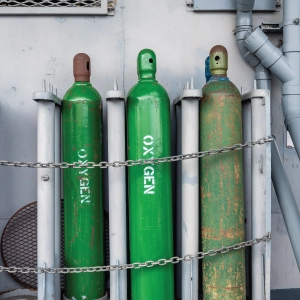
- Lesson 3: Welding Gas Cylinder Safety
- Lesson 4: Arc Welding
- Lesson 5: Positioning and Personal Protective Equipment
- Lesson 6: Conclusion
Module 2: Safety Concerns
This module will focus on the essential safety considerations when utilizing hot work techniques, aiming to educate learners on the proper execution of these tasks to mitigate the risks of explosions and fires. It will cover topics such as inspecting and preparing hot work areas, comprehending the necessary preparations to prevent potential fires, and the safety precautions needed before welding or cutting containers.
- Lesson 7: Introduction
- Lesson 8: Work Area
- Lesson 9: Fire Safety
- Lesson 10: Welding or Cutting Containers
- Lesson 11: Conclusion
Module 3: Health Concerns
This module emphasizes the health considerations associated with welding, cutting, brazing, and other hot work procedures. Upon completion of this module, workers will acquire the ability to recognize the hazards that arise from welding fumes during hot work; grasp the techniques employed to effectively manage these hazards, including ventilation, personal protective equipment (PPE), and body protection; and comprehend the risks associated with radiation and light exposure in relation to hot work operations.
- Lesson 12: Introduction
- Lesson 13: Welding Fume Hazards
- Lesson 14: Welding Fume Hazard Controls
- Lesson 15: Radiation and Light Hazards
- Lesson 16: Conclusion
Final Examination
Frequently Asked Questions
The course meets and exceeds the requirements outlined in:
OSHA 29 CFR 1926 Subpart J – Welding and Cutting
OSHA 29 CFR 1926 Subpart Z – Toxic and Hazardous Substances
Participants learn how these regulations apply to welding, cutting, and brazing activities in construction environments, including fire prevention, ventilation requirements, personal protective equipment (PPE), and exposure control measures.
Our OSHA Welding, Cutting, and Brazing for Construction Training provides comprehensive instruction on safe welding, cutting, and brazing practices in accordance with OSHA construction industry requirements.
The benefits of this training include:
- Understanding OSHA welding safety requirements relevant to construction work
- 100% online and self-paced for flexible learning
- Explains welding, cutting, and brazing hazards in clear, practical terms
- Teaches fire prevention, ventilation, PPE, and hazard control measures
- Helps workers understand safe operating procedures and regulatory compliance
- Suitable for individuals seeking OSHA welding safety knowledge and workplace readiness
- Includes a certificate of completion upon successful course completion
Individuals who may benefit include:
- Welders and welding helpers
- Construction workers and laborers
- Ironworkers and structural steel workers
- Pipefitters and plumbers
- Maintenance and repair personnel
- Contractors and subcontractors
- Site supervisors and foremen
- Safety managers and safety coordinators
- Anyone responsible for OSHA welding safety compliance
The course can be for both new and experienced workers who would like to improve their understanding of safety in welding and construction hazard prevention.
There are no prerequisites for this course.
OSHA does not specify a set frequency for training renewal for welding, cutting and brazing safety, unlike some other OSHA regulations. However, best practices suggest providing training very 3 years.
Retraining is also recommended when OSHA updates their regulations, a job change or an overall periodic performance review is necessary.
Certificate of Completion: Immediately after passing the final exam, you can download, save, or print your certificate in PDF format.
Validity: The course certificate is valid for three years.
Renewal: Simply take this course in 36 months to maintain compliance and stay current on safety regulations in welding, cutting and brazing while working at a construction sites.
Choose Your Ideal Training Format:



SCORM Package


Virtual Instructor-Led
$199.00/Seat (minimum 10 seats)

Client-Site In-Person
$750.00/Seat (minimum 10 seats)
Good course for welders starting in this profession.



The ROI of Online Safety Training
Discover the value of our efficient alternative to live training, and calculate your return on investment.

Recommended Courses