English and
 Español. After purchase, use the language toggle in your course Player to switch between English and Spanish at any time.

 EN
EN ES
ES




















































































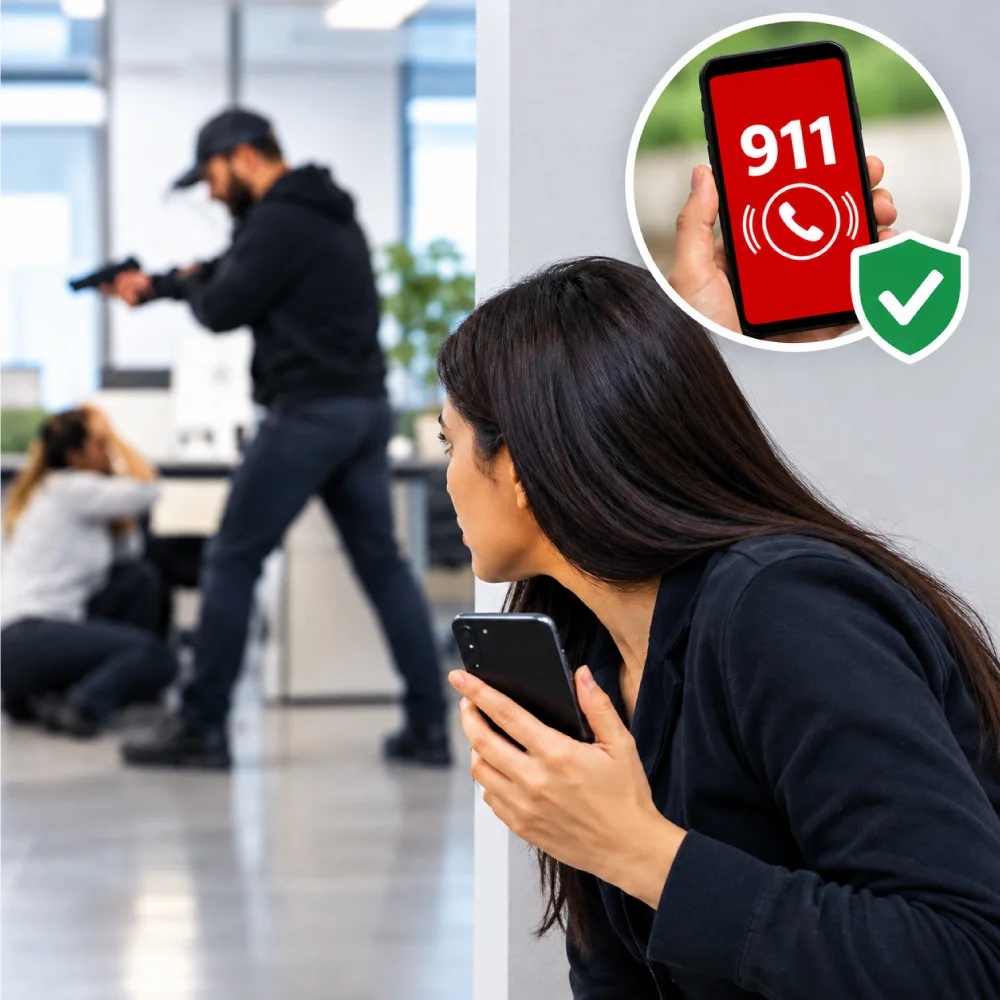






























What to Do During a Workplace Violence Incident?
Introduction:
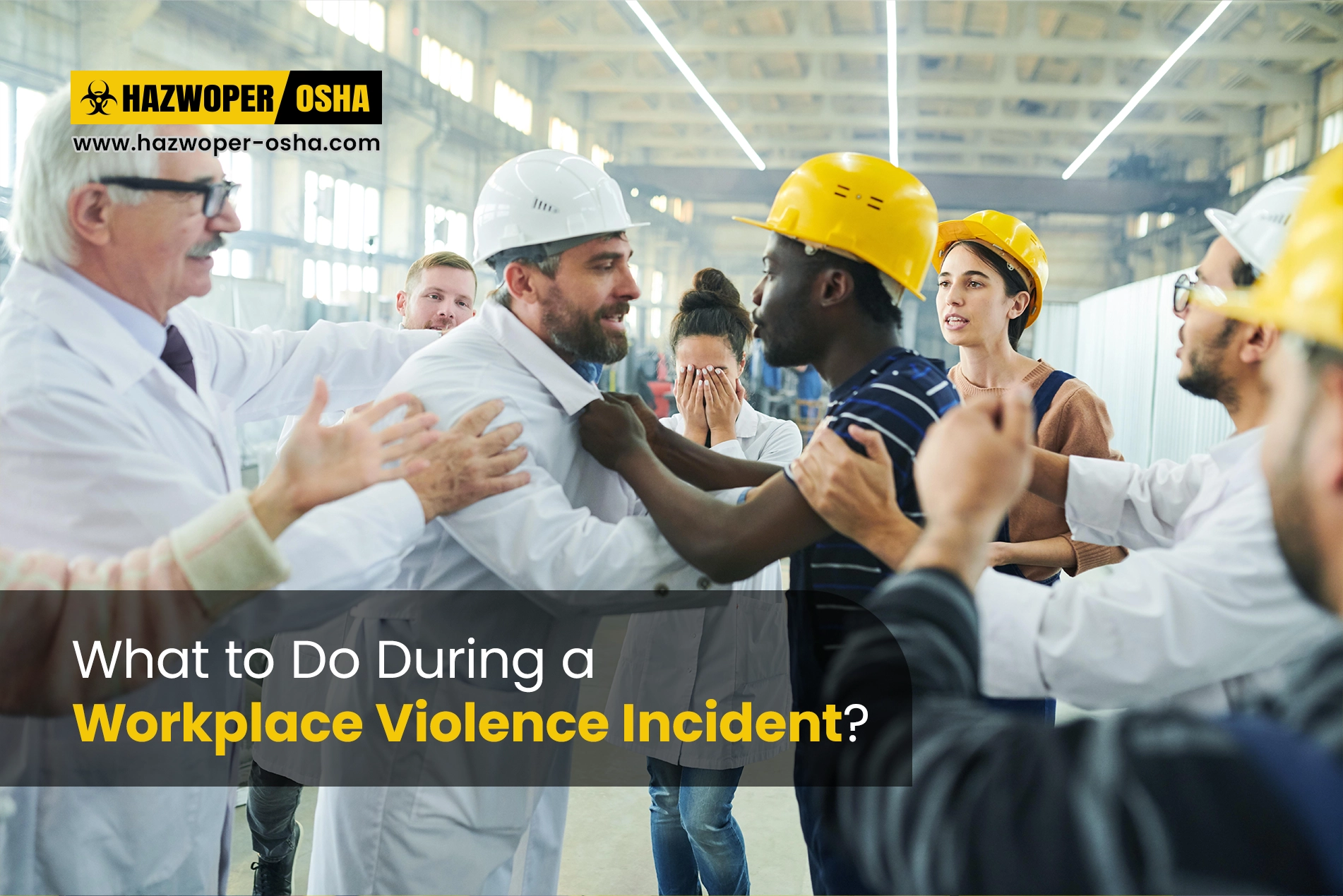
A workplace violence emergency rarely starts with a clear warning that everyone recognizes in time. It can begin as a heated exchange at a reception desk, a refusal to comply with instructions, or an unexpected confrontation involving a customer, employee, or visitor. In high-stress environments, these situations can escalate quickly, and once they move past verbal disruption, the window for controlled response becomes extremely limited.
Real-world incidents highlight this risk across different settings. Retail locations have experienced sudden physical assaults during routine transactions. Healthcare environments regularly report violent or aggressive behavior from patients or accompanying individuals under stress. Office and industrial sites have also faced intrusions or internal conflicts that required immediate lockdown and emergency intervention. These events vary in origin, but they share one critical factor: once escalation begins, delay in response increases exposure and limits control.
Workplace violence is not limited to physical harm alone. It includes threats, aggressive behavior, and situations that place employees in immediate danger or uncertainty. In many cases, severity is determined not by the initial act but by how quickly the organization recognizes the situation and initiates appropriate protective actions.
This is why employer response during an active incident must follow structured, pre-defined actions rather than improvised decision-making. Clear communication, rapid movement control, and immediate protection of employees become the priority within seconds, not minutes.
This article focuses on what employers must do during a workplace violence emergency, emphasizing immediate actions to stabilize the situation, protect personnel, and support a controlled resolution until the threat is contained.
What Qualifies as a Workplace Violence Emergency?
A workplace violence emergency is not defined by discomfort, disagreement, or verbal conflict. It is defined as immediate or credible danger in which normal supervision, de-escalation, or routine intervention is no longer effective. At this point, employers must treat the situation as requiring urgent protective action such as evacuation, lockdown, or external emergency response.
The key distinction is speed and control. If the situation is actively escalating or already violent, and employees cannot be reasonably protected without emergency procedures, it qualifies as an emergency.
Physical Violence That Is Actively Occurring
A situation is an emergency when physical harm is occurring or imminent.
This includes:
- Hitting, pushing, striking, or physical assault
- Fights that cannot be safely separated by staff
- Use of objects as weapons during an altercation
Operational trigger: Immediate risk of injury with no safe opportunity for normal intervention.
Credible Threats of Immediate Harm
Threats become an emergency when they are specific, direct, and indicate imminent action.
This includes:
- Direct statements of intent to harm someone immediately
- Threats combined with aggressive movement or pursuit
- Verbal threats paired with attempts to gain access to individuals or restricted areas
Operational trigger: The threat is paired with behavior suggesting it may be carried out immediately.
Presence or Use of a Weapon or Weapon-Like Object
An emergency exists when there is credible indication of a weapon in a threatening context.
This includes:
- Visible weapons (firearms, knives, improvised weapons)
- Display or brandishing of a weapon
- Attempts to use any object as a weapon in a threatening manner
Operational trigger: Loss of safe control due to potential or actual weapon use.
Uncontrolled Aggression With Escalation Potential
Some situations become emergencies even without confirmed physical violence when behavior becomes uncontrollable and poses immediate risk.
This includes:
- Severe aggression that cannot be de-escalated
- Destruction of property in proximity to employees
- Pursuit, intimidation, or blocking exit routes
Operational trigger: Behavior prevents safe movement, exit, or control of the individual.
Conditions That Require Immediate Emergency Activation
Regardless of incident type, the situation should be treated as an emergency when:
- Employees are unable to safely disengage or leave the area
- Normal supervisory control has failed or is not possible
- The situation requires evacuation, lockdown, or emergency services
- There is immediate uncertainty combined with escalating risk
Key employer principle: When safety cannot be reasonably maintained through routine control measures, the response must shift to emergency protocols without delay.
Critical Interpretation Point for Employers
Not every conflict or aggressive interaction qualifies as a workplace violence emergency. However, once there is imminent harm, loss of safe control, or credible escalation toward violence, employers should default to protective action rather than continued assessment.
Speed of decision-making is essential. Delayed recognition is one of the most common factors that increases harm during workplace violence incidents.
Why Immediate Response Matters During a Workplace Violence Emergency?
A workplace violence emergency requires rapid action, but not unstructured reaction. The goal is not to respond blindly, but to ensure that decisions reduce exposure, prevent escalation, and protect employees at the earliest possible moment when credible danger is recognized. The quality of response is determined by both timing and the ability to correctly interpret the severity of the situation.
Delays in action can increase risk, but unnecessary hesitation to act at a critical threshold can be equally dangerous. Employers must therefore focus on recognizing when a situation has moved beyond normal workplace conflict into an immediate safety concern.
Escalation Can Outpace Human Decision Cycles
Workplace violence incidents can change conditions quickly once aggression becomes uncontrolled.
- Verbal conflict can shift into physical aggression without warning signs that are obvious to all observers
- Movement toward individuals or restricted areas can indicate immediate escalation
- Small delays in response can reduce the ability to safely separate or protect employees
The key issue is not predicting every outcome, but recognizing when behavior is no longer stable or manageable through normal supervision.
Delayed Action Increases Employee Exposure
As time passes during an active incident, more individuals may become unintentionally exposed to danger.
- Employees may remain in affected areas without awareness of the threat
- Visitors and contractors may not receive timely warning or instruction
- Movement inside the facility becomes uncontrolled and harder to manage
In these conditions, risk extends beyond the initial point of conflict and becomes harder to contain.
Early Response Preserves Environmental Control
Once a workplace violence situation escalates, maintaining control of physical space becomes increasingly difficult.
Timely response helps employers:
- Restrict movement through controlled access or evacuation decisions
- Reduce unintended exposure in adjacent or high-traffic areas
- Prevent confusion in employee movement and decision-making
Control is significantly easier to maintain in the early stages of escalation than to re-establish after disorder begins.
Faster Response Improves Coordination and Communication
Effective response depends on how quickly accurate information reaches the right people.
- Emergency services can be notified sooner with clearer situational awareness
- Internal communication remains more consistent and less fragmented
- Supervisors and response teams can act from a shared understanding of conditions
Delayed communication often leads to inconsistent actions across the workplace.
Reduced Delay Limits Secondary Risks
Beyond the immediate threat, delayed response can create additional hazards.
- Panic-driven movement within the workplace
- Blocked or unsafe evacuation routes
- Spread of incomplete or incorrect information among employees
These secondary effects can complicate response efforts even after the initial threat is contained.
Immediate response is not about reacting without thought. It is about recognizing when conditions require urgent protective action and acting before the situation spirals out of control. When employers respond promptly, they reduce exposure, limit escalation, and improve overall incident management.
What Workplace Security Systems Do You Need During Active Incidents?
During a workplace violence emergency, security systems shift from passive protection tools to active incident-control mechanisms. Their purpose is not routine monitoring, but enabling fast detection, controlled movement, and rapid communication so employers can reduce exposure and support safe response actions.
A well-prepared workplace does not rely on a single system. It relies on multiple integrated layers that support decision-making within seconds of an incident unfolding.
Surveillance and Real-Time Monitoring Systems
Surveillance systems provide immediate visibility into what is happening across the facility.
- Live camera feeds help identify the location and movement of the threat
- Multiple camera angles reduce blind spots in critical areas
- Security teams can assess escalation without physically entering danger zones
These systems are most effective when monitoring is actively supervised during incidents rather than reviewed afterward.
Access Control and Entry Restriction Systems
Access control systems help manage movement during high-risk situations.
- Electronic door locks can restrict entry to sensitive areas
- Controlled access prevents unauthorized movement into affected zones
- Entry logs help identify movement patterns during the incident
When properly configured, these systems allow employers to quickly shift from normal access to restricted lockdown mode.
Emergency Alert and Notification Systems
Rapid communication is critical when incidents unfold unexpectedly.
- Mass notification systems send alerts across multiple communication channels
- Audible alarms and visual indicators help guide immediate action
- Targeted alerts can be used for specific zones or departments
The primary goal is to ensure employees receive clear instructions without delay or confusion.
Intrusion Detection and Perimeter Alarm Systems
These systems help identify unauthorized or forced entry attempts.
- Door and window sensors detect breaches in secured areas
- Motion detection can signal unusual movement in restricted zones
- Perimeter alarms provide early warning before escalation spreads inside
They are especially important in facilities with multiple access points or large physical layouts.
Emergency Communication and Coordination Systems
Effective response depends on maintaining communication between teams.
- Internal communication tools link supervisors, security staff, and management
- Two-way communication systems allow real-time updates from different areas
- Dedicated channels prevent emergency communication from being mixed with routine traffic
Clear communication reduces conflicting actions during high-stress situations.
Public Address and Area-Wide Instruction Systems
In fast-moving incidents, centralized instructions help guide employee behavior.
- Public address systems broadcast clear, real-time instructions
- Zoned messaging helps direct specific groups without overcrowding
- Audible instructions reduce reliance on individual interpretation
These systems are most effective when messages are short, direct, and action-oriented.
Integration of Security Systems for Faster Response
Individual systems are useful, but their effectiveness increases significantly when integrated.
- Surveillance informs decision-making
- Access control enforces movement restrictions
- Alerts and communication systems guide employee actions
Integration ensures that, once an incident is detected, multiple protective measures activate together rather than in isolation.
Workplace security systems during active incidents are not standalone tools. They function as a coordinated response layer that supports detection, communication, and movement control. When properly integrated, these systems reduce response time, improve situational awareness, and help employers maintain control during rapidly evolving workplace violence emergencies.
What Should Workplace Violence Emergency Response Plan Contain?
A workplace violence emergency response plan is not just a document. It is an operational system that defines how an organization detects escalation, activates protective actions, and maintains control during a violent or potentially violent incident. To be effective in real conditions, it must clearly define when it activates, who acts, what actions are taken, and what happens if systems fail or conditions change rapidly.
Below is a field-ready structure designed for real-world execution rather than theoretical planning.
Roles and Responsibilities
Purpose: Define a clear command structure and eliminate confusion during high-stress situations.
Activation Trigger:
- Any confirmed or credible workplace violence threat requiring a coordinated response
Responsible Parties:
- Incident lead (on-site authority or designated supervisor)
- Floor supervisors (area control and employee direction)
- Security personnel (access control and threat monitoring)
- Employees (reporting, compliance with instructions, immediate self-protection actions)
Required Actions:
- Assign single-point coordination authority during incidents
- Ensure backup authority if the primary leader is unavailable
- Communicate roles in advance through training
Failure Condition:
- If leadership is unavailable or unclear, the nearest trained supervisor assumes coordination responsibility
Emergency Communication Procedures
Purpose: Ensure rapid, accurate information flow during evolving incidents.
Activation Trigger:
- Verified or suspected violence, weapon threat, or uncontrolled aggression
Responsible Parties:
- Incident lead initiates alerts
- The security or control room manages system-wide notifications
- Supervisors relay localized instructions
Required Actions:
- Activate the mass notification system immediately upon confirmation
- Use predefined short emergency messages (no ambiguity)
- Maintain a single official communication channel during the incident
Fallback Condition:
- If the primary communication system fails, switch to secondary channels (radio, mobile alerts, manual alarms)
Evacuation, Lockdown, and Shelter-in-Place Procedures
Purpose: Protect employees by controlling movement based on threat proximity and direction.
Activation Trigger:
- Evacuation: a safe exit path is available, and the threat is not blocking routes
- Lockdown: threat is inside or near the facility, and movement increases risk
- Shelter-in-place: movement outside safe zones increases exposure
Responsible Parties:
- Incident lead authorizes response type
- Supervisors execute area-level control
- Employees follow the nearest safe instruction immediately
Required Actions:
- Predefine safe zones and evacuation routes
- Secure doors only when they do not trap occupants
- Avoid mixed instructions across departments
Failure Condition:
- If conditions are unclear, prioritize immediate employee separation from the threat rather than delayed classification
Facility Security Measures
Purpose: Restrict access and reduce uncontrolled movement during escalation.
Activation Trigger:
- Any confirmed or escalating violence requiring area containment
Responsible Parties:
- Security team leads access restriction
- Facility management controls system overrides
Required Actions:
- Lock or restrict entry points as appropriate
- Prevent unauthorized access to affected zones
- Use surveillance for situational awareness only (not the sole decision source)
Failure Condition:
- If electronic systems fail, manual access control procedures must be implemented immediately
Employee Training and Drills
Purpose: Ensure predictable behavior under stress conditions.
Activation Trigger:
- Pre-incident requirement (continuous preparedness function)
Responsible Parties:
- Safety managers and supervisors
- Training coordinators
Required Actions:
- Conduct scenario-based drills (evacuation, lockdown, shelter-in-place)
- Train employees on the recognition of escalation indicators
- Reinforce role-specific responsibilities
Failure Condition:
- If drills are not conducted regularly, response reliability is assumed reduced during real incidents
Post-Incident Response and Operational Recovery
Purpose: Stabilize operations after the threat is contained and restore safe functioning.
Activation Trigger:
- Incident declared contained or resolved by authority or responders
Responsible Parties:
- Incident lead transitions control to the recovery team
- HR and operations manage employee support and continuity
- Security documents the incident and secures evidence
Required Actions:
- Account for all employees and visitors
- Provide medical and psychological support pathways
- Document timeline, actions, and system performance
- Gradually restore operations based on safety clearance
Failure Condition:
- If accountability cannot be confirmed, treat the situation as still active until resolved
Core Operational Principle for Employers
A workplace violence emergency response plan is only effective when it operates as a decision-driven system rather than a static checklist. Each component must clearly define:
- When it activates
- Who is responsible
- What action is required
- What happens if conditions change or systems fail
In real incidents, clarity under pressure determines outcomes more than documentation quality alone.
Conclusion:
Workplace violence emergencies do not allow time for hesitation or interpretation. Once a situation escalates, the focus shifts immediately to protecting people, controlling movement, and stabilizing the environment until the threat is contained. In these moments, the effectiveness of a response depends on how clearly roles are defined, how quickly communication flows, and how well employees understand what actions to take without confusion.
What often determines outcomes is not just the severity of the incident, but the level of preparedness before it happens. Employers who establish structured response procedures, reinforce them through training, and ensure employees can recognize and act on early warning signs are better positioned to reduce exposure and maintain control during critical events.
This is also where targeted training becomes important. Programs such as the OSHA Workplace Violence Prevention Training provide a structured understanding of how workplace violence develops, how to identify escalation risks, and how to respond in a coordinated and controlled manner when incidents occur.
For organizations, the priority is simple: reduce uncertainty before it becomes risk, and ensure that when an emergency occurs, people know exactly how to respond without delay.
Frequently Asked Questions