English and
 Español. After purchase, use the language toggle in your course Player to switch between English and Spanish at any time.

 EN
EN ES
ES









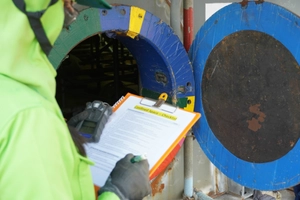

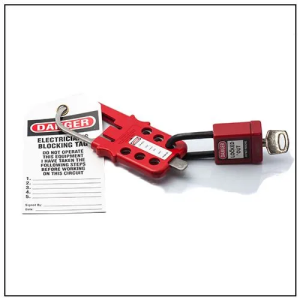
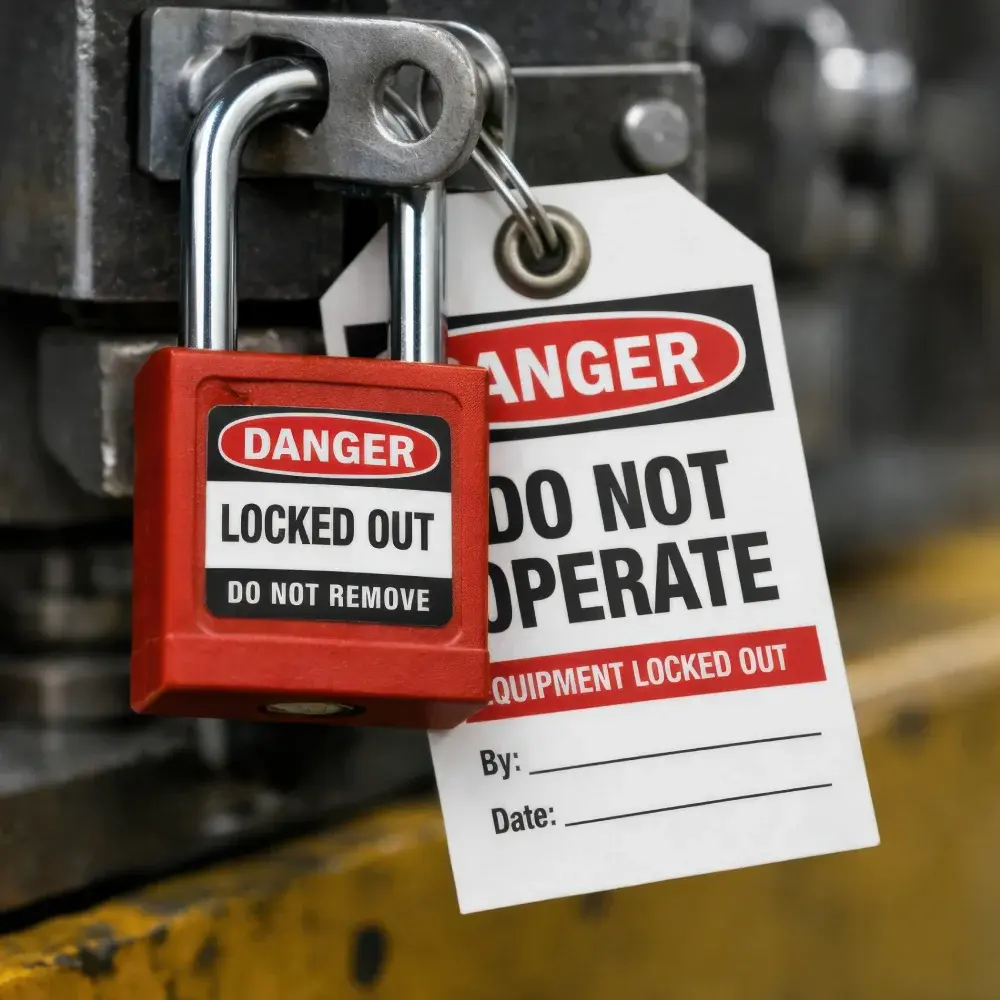



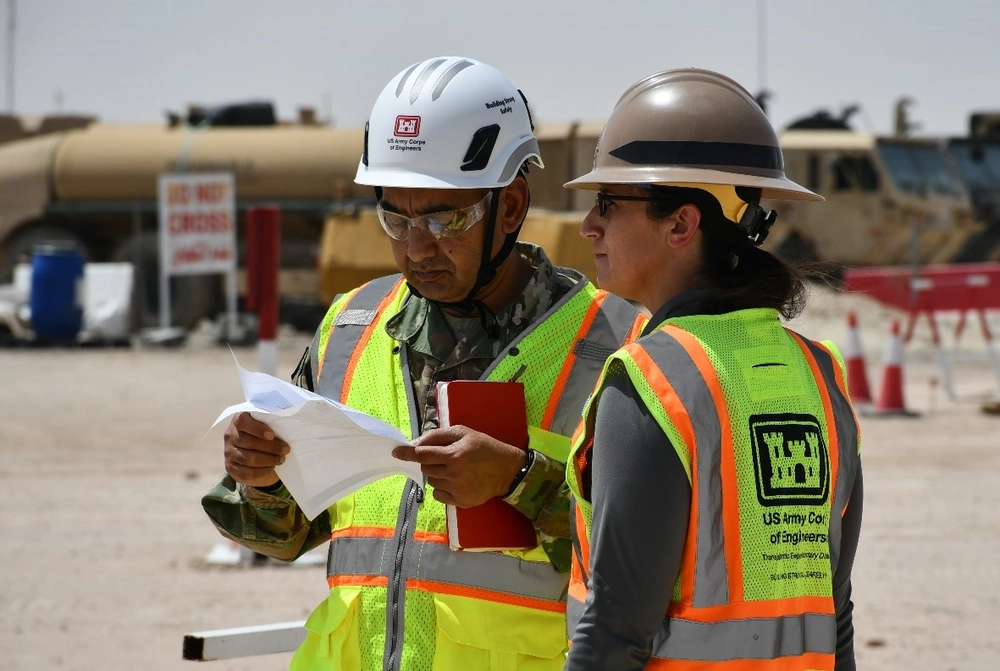























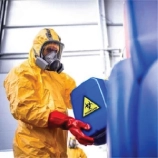
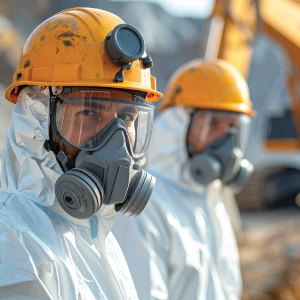


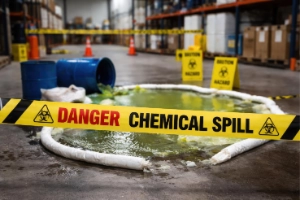
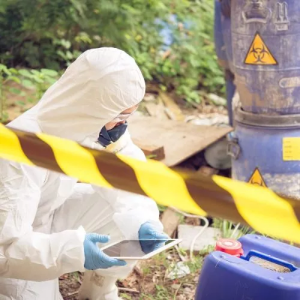




































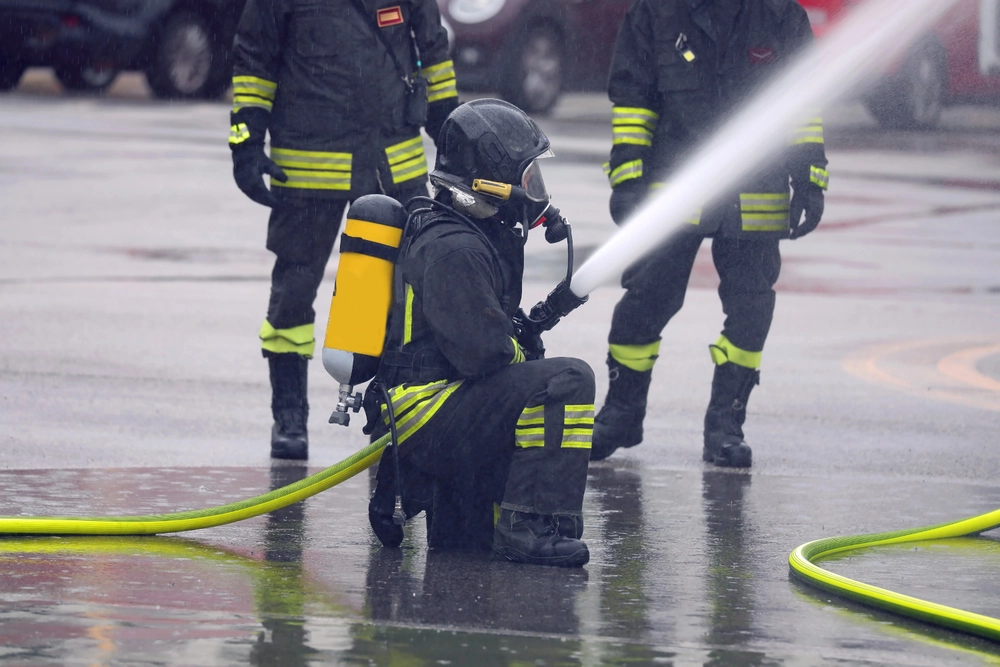


















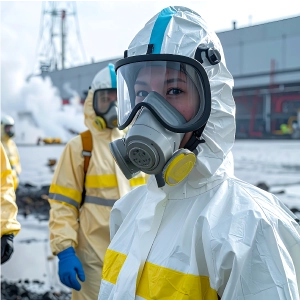










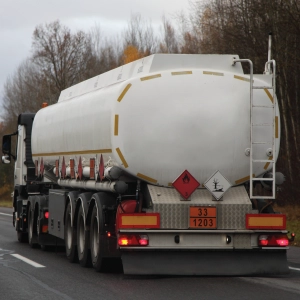
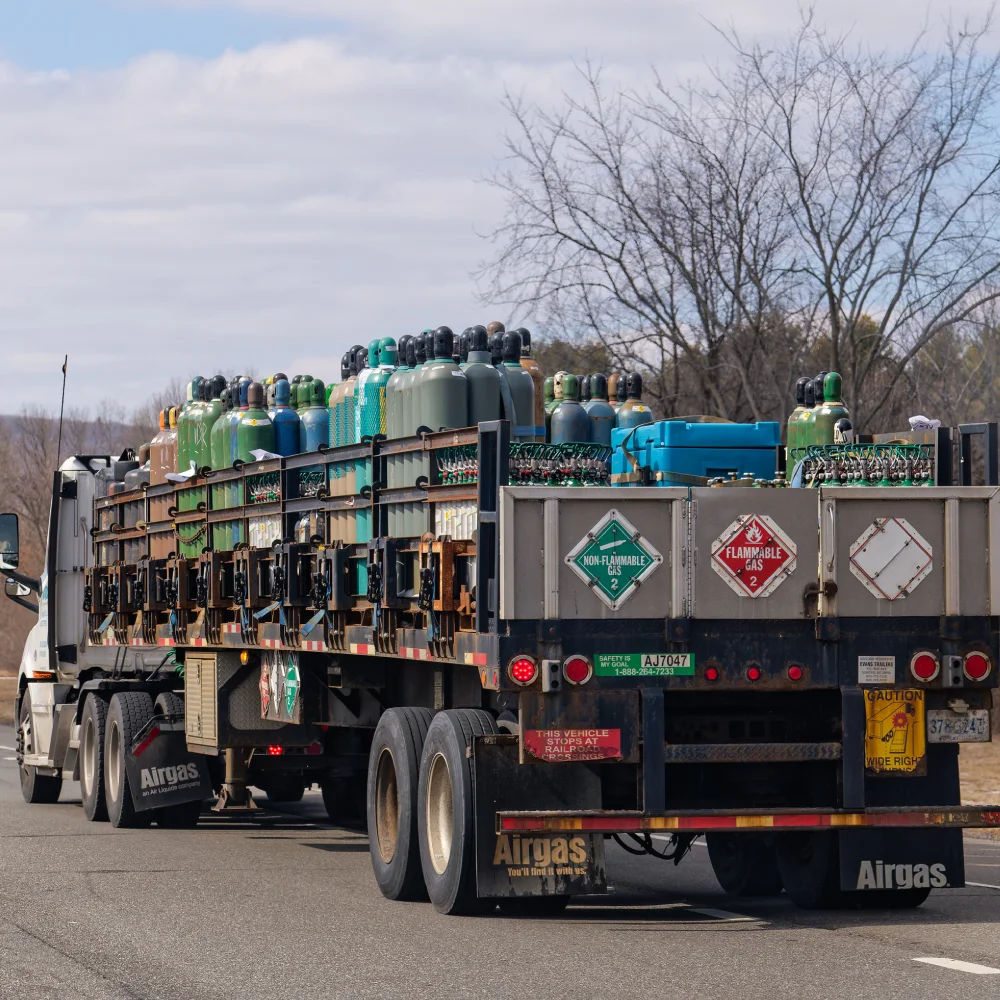



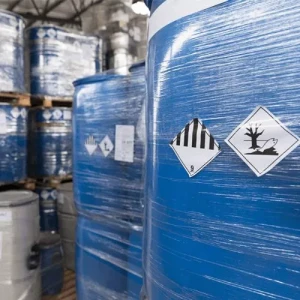
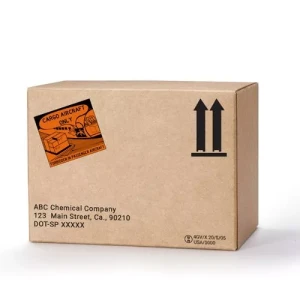
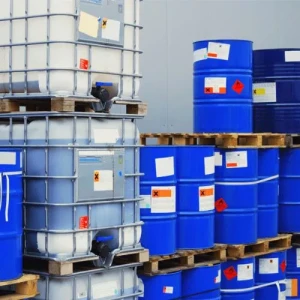
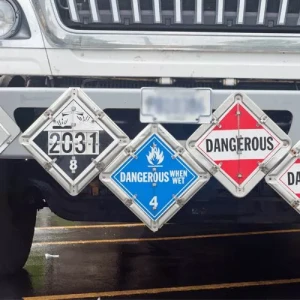
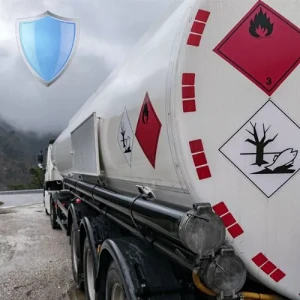
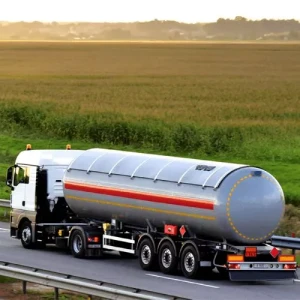









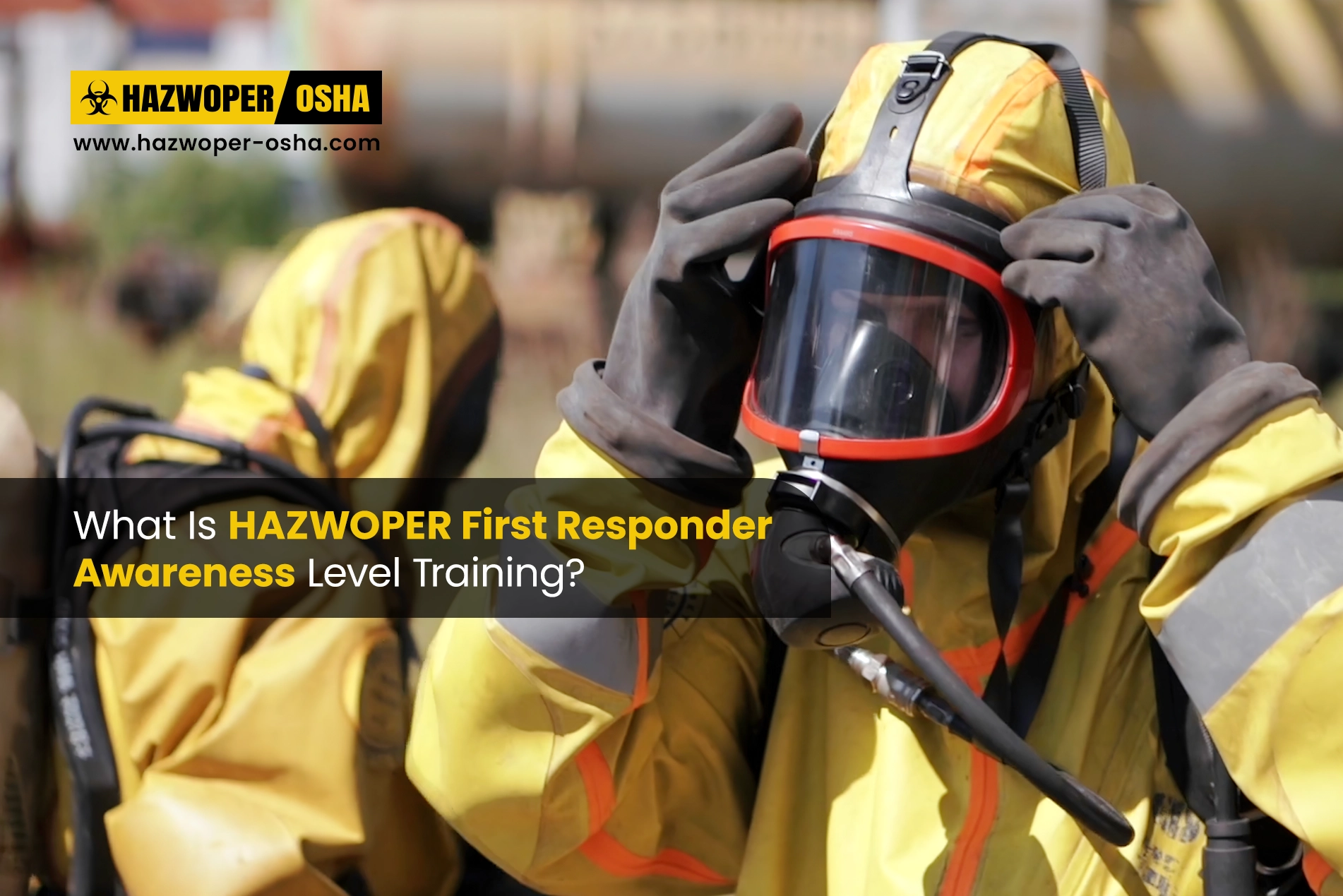
What Is HAZWOPER First Responder Awareness Level Training
Introduction:
A hazardous materials emergency can begin with a leaking container, a damaged chemical drum, or a warning sign that something is wrong. But recognizing a potential hazard is only the first step. The next step is knowing how to respond without putting yourself or others at greater risk.
HAZWOPER First Responder Awareness Level Training prepares personnel to recognize potential hazardous substance releases, understand their associated risks, and notify the appropriate emergency responders. Equally important, it sets a clear boundary: awareness-level personnel must know when to stay away and let trained, properly equipped teams handle the response.
So, who needs this training, what does OSHA require, and how does the awareness level differ from other emergency response roles? Understanding these distinctions helps employers assign the right training and prepares workers to make safer decisions during the critical first moments of a hazardous materials incident.
Who Needs HAZWOPER First Responder Awareness Level Training?
HAZWOPER First Responder Awareness Level Training is for personnel whose emergency response duties include recognizing a hazardous substance release and notifying the appropriate authorities. These individuals must understand the potential hazards and their role in initiating the response, but they are not trained at this level to take further emergency response action.
Depending on their assigned responsibilities, security personnel, facility workers, transportation employees, and others who may discover a hazardous substance release could require awareness-level training. However, job title or exposure to hazardous materials alone does not determine the required training level. Employers must evaluate employees' actual duties and the applicable OSHA requirements.
How Employers Determine the Appropriate Training Level
Employers should select the appropriate HAZWOPER training level by evaluating employees' assigned emergency response duties, potential workplace hazards, and the actions they may be expected to take during a release. OSHA's 29 CFR 1910.120(q)(6) establishes different training requirements for emergency responders according to their responsibilities.
1. Identify employees' assigned emergency response duties
Employers should determine whether employees must recognize and report a release or participate in controlling the incident. For example, a security guard assigned to report a chemical leak and activate the emergency notification procedure may need awareness-level training. An employee assigned to take defensive control measures may require operations-level training or another applicable level, depending on the duties involved.
2. Evaluate workplace hazards and potential release scenarios
Employers should consider the hazardous substances present, the potential consequences of a release, and the types of emergencies that could reasonably occur. This assessment helps establish what employees need to recognize, which notification procedures they must follow, and whether their assigned duties extend beyond awareness-level responsibilities.
The presence of hazardous chemicals does not, by itself, determine the required training level. The employee's assigned response role is a critical factor.
3. Match training to the level of response required
OSHA distinguishes awareness-level responders from personnel trained to take additional emergency response actions:
- Awareness level: Recognizes a hazardous substance release and notifies the appropriate authorities.
- Operations level: Responds defensively to protect people, property, or the environment without attempting to stop the release.
- Hazardous materials technician level: Approaches the point of release to plug, patch, or otherwise stop the release.
Employers should ensure that employees receive the training required for their assigned roles. An awareness-level course does not qualify someone to perform defensive or offensive response activities that require additional training.
4. Verify competency and refresher requirements
Employers must ensure personnel meet the competency requirements for their assigned responder level. Under 29 CFR 1910.120(q)(8), emergency responders must receive annual refresher training of sufficient content and duration to maintain competency, or demonstrate competency at least annually. Employers should also maintain applicable training documentation.
Ultimately, the appropriate training level depends on what employees are expected to do during a hazardous substance emergency. Matching training to those responsibilities establishes clear response boundaries and ensures personnel are prepared for their assigned roles.
What Does HAZWOPER Awareness Level Training Cover?
HAZWOPER First Responder Awareness Level Training prepares personnel to recognize potential hazardous substance releases, understand their risks, and notify the appropriate authorities. Under OSHA's 29 CFR 1910.120(q)(6)(i), awareness-level responders must demonstrate competency in six areas, including hazard recognition, substance identification when possible, emergency response plans, and emergency notifications.
Recognizing Hazardous Substances and Understanding Their Risks
Training introduces hazardous substances workers may encounter and the risks they can pose, including toxic exposure, chemical burns, fire, or explosion.
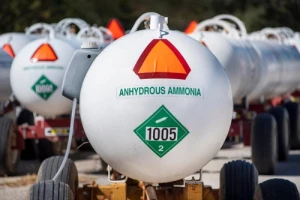
Employees learn that substances cannot always be identified by appearance or odor. Labels, placards, and shipping information may provide useful clues, but workers should never approach an unknown substance or attempt to identify it if doing so could expose them to danger.
Identifying Potential Releases and Understanding Their Consequences
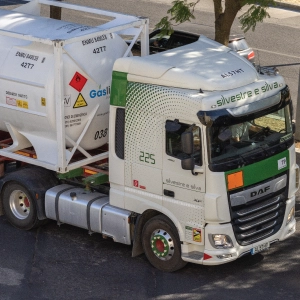
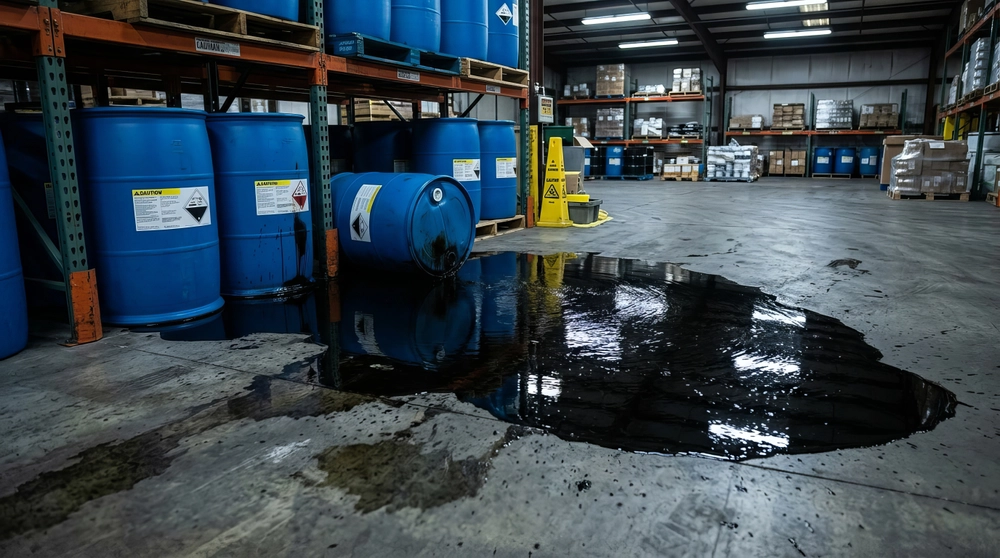
Personnel learn to recognize signs of a potential release, such as a leaking container, damaged drum, overturned tanker, or uncontrolled discharge.
Depending on the substance and circumstances, a release may expose people to hazardous materials, create fire or explosion risks, or threaten the surrounding environment. When possible, employees should identify the substance using safely available information, without attempting to investigate an unknown hazard directly.
Understanding Emergency Response Plans and Site Security
Awareness-level personnel must understand their role in the employer's emergency response plan, including site security and control. This involves knowing how to report a release, whom to contact, and what actions fall within their assigned responsibilities.
Workplace-specific procedures may also cover alarms, evacuation arrangements, and restricting access to affected areas.
Making Emergency Notifications and Recognizing the Need for Additional Resources
A key responsibility is recognizing when a hazardous substance incident requires additional resources and notifying the communication center or designated authorities appropriately.
Reports should include available information such as the incident location, visible signs of a release, and any known substance identity. Employees should not delay notification to gather information they cannot obtain safely.
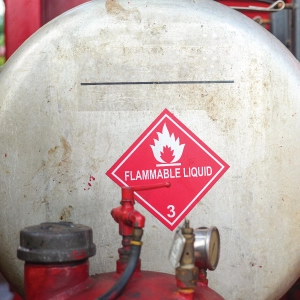
Understanding Hazardous Materials Labels, Placards, and the Emergency Response Guidebook
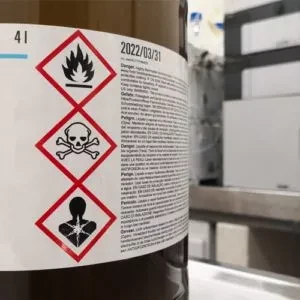
Labels, transportation placards, and shipping papers can help personnel recognize hazardous materials and communicate relevant information.
The U.S. Department of Transportation's Emergency Response Guidebook (ERG) provides initial response guidance for transportation incidents involving hazardous materials. It includes hazard identification information and initial protective action guidance, but it is not a substitute for specialized training or a comprehensive workplace response plan.
If personnel cannot identify a substance, they should report what they know and communicate any uncertainty rather than guess.
These competencies help awareness-level personnel recognize potential hazardous substance emergencies and initiate the appropriate notification process without undertaking response activities beyond their training and assigned role.
What Can and Cannot a First Responder at the Awareness Level Do?
A HAZWOPER awareness-level responder's primary responsibility is to recognize a potential hazardous substance release and notify the appropriate authorities. Under OSHA's 29 CFR 1910.120(q)(6)(i), these responders initiate the emergency response sequence but take no further action beyond notifying the authorities of the release.
What Awareness-Level Responders Can Do
Within their training and assigned responsibilities, awareness-level personnel can:
- Recognize potential releases: Identify warning signs such as leaking containers, damaged drums, unusual discharges, or transportation incidents.
- Report the incident: Notify the designated communication center or emergency authorities and share available information about the location, substance, and apparent hazards.
- Follow the emergency response plan: Carry out applicable reporting, alarm, evacuation, and access-control procedures assigned to their role.
- Recognize the need for additional resources: Understand when the incident requires trained emergency responders with specialized equipment and capabilities.
What Awareness-Level Responders Cannot Do
Awareness-level training does not qualify personnel to intervene directly in a hazardous substance release. Unless separately trained, qualified, and assigned under the applicable response plan, they should not:
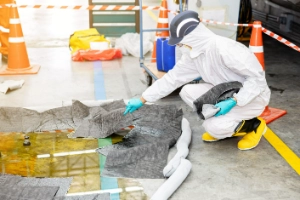
- Contain or stop the release: Avoid plugging leaks, closing damaged containers, or attempting spill cleanup.
- Approach or enter hazardous areas: Do not enter potentially contaminated zones or investigate an unknown substance at close range.
- Attempt offensive response actions: Do not take actions intended to stop the release at its source, which may require hazardous materials technician-level training.
- Handle or identify unknown substances directly: Do not touch, sample, or rely on smell to identify a material.
Why Understanding These Limits Matters
Recognizing the boundary between reporting a release and responding to it is essential to awareness-level training. Attempting actions beyond one's training can increase exposure risks and complicate emergency response.
OSHA distinguishes awareness-level responders from operations-level responders, who respond defensively to protect people, property, or the environment, and hazardous materials technicians, who may take more direct action to stop a release. The appropriate response level depends on the employee's assigned duties and applicable OSHA requirements.
How Does Awareness-Level Training Differ From Other HAZWOPER Responder Levels?
HAZWOPER emergency response training varies according to the responsibilities assigned to each responder. OSHA distinguishes awareness-level responders from operations-level responders and hazardous materials technicians based on their expected actions during a hazardous substance emergency.
Awareness level: Recognizes a potential release, initiates the emergency response sequence, and notifies the appropriate authorities. These responders do not take direct action to control the release.
Operations level: Responds defensively to protect people, property, or the environment from the effects of a release. Actions may include containing the spread from a safe distance, where appropriate to their training and assigned role, without attempting to stop the release at its source.
Hazardous materials technician: Responds more aggressively to control or stop a release at its source, using specialized training, equipment, and procedures.
The key distinction is the level of intervention each role requires. Awareness-level responders recognize and report the incident, operations-level responders take defensive actions, and hazardous materials technicians may undertake offensive control measures. Training requirements and response activities depend on OSHA regulations, the incident, and each employee's assigned duties.
How Awareness-Level Duties Differ From Other Response Levels
OSHA distinguishes awareness-level responders, whose role is to notify the appropriate authorities, from operations-level responders, who take a defensive approach to protect people, property, or the environment. Hazardous materials technicians receive additional training to approach the release point and take action to stop the release.
The required training level depends on the duties and functions assigned to each responder under the applicable OSHA requirements.
Conclusion:
HAZWOPER First Responder Awareness Level Training establishes the first step in responding to hazardous substance emergencies. It teaches personnel to recognize potential releases, understand their consequences, communicate relevant information, and identify when additional emergency resources are needed.
Under OSHA's 29 CFR 1910.120(q)(6)(i), awareness-level responders must understand their role in the employer's emergency response plan and know when to notify the appropriate authorities. At this level, they are not trained to contain spills or stop releases.
Employers should ensure training matches each employee's assigned responsibilities and that employees demonstrate required competencies. Clear reporting procedures and well-defined response roles help personnel recognize hazards early and leave intervention to appropriately trained responders.
Frequently Asked Questions