English and
 Español. After purchase, use the language toggle in your course Player to switch between English and Spanish at any time.

 EN
EN ES
ES












































































































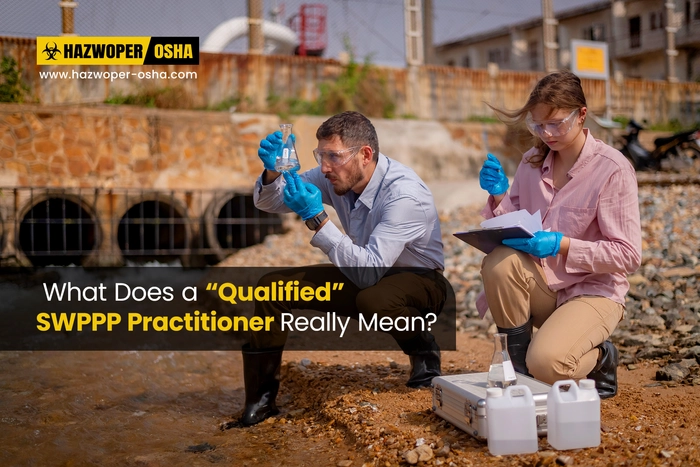
What Does a “Qualified” SWPPP Practitioner Really Mean?
Introduction:
Many employers assume a “qualified” SWPPP practitioner is simply someone familiar with stormwater tasks. But true qualification goes far beyond basic knowledge. It requires a professional who can thoroughly evaluate a site, select appropriate controls, and guide crews, so the stormwater plan works effectively in the real world.
A qualified practitioner understands how grading, soil types, traffic flow, and daily work activities influence runoff and they spot small but critical details that can make or break compliance. In contrast, unqualified practitioners often produce plans that look complete on paper but fall apart during construction. A poorly placed inlet protection, for example, can clog within a day, causing sediment-laden water to back up, trigger inspection failures, and force crews into costly rework. Regulatory expectations (NPDES requirements and state-specific permit language) also mean that “qualified” carries legal as well as practical implications, making expertise non-negotiable for employers.
This article helps employers understand what “qualified” truly means. You’ll learn which skills and experience matter most, how to spot competent practitioners, and why having the right expertise leads to smoother, safer project execution.
Why Hiring an Unqualified Practitioner Costs More Than You Think?
A weak SWPPP can trigger fines, stop-work orders, rework, and schedule loss, not to mention environmental harm.
Regulatory risk emerges quickly when controls fail, or documentation is incomplete. Unqualified practitioners often overlook permit requirements, leading to failed inspections, Notice of Violation letters, or even escalated enforcement under state NPDES programs. Once regulators flag a site, oversight intensifies and so does the penalties.
Operational and financial risks follow close behind. Crews may be forced to redo installations, halt work while controls are corrected, or address preventable tracking and runoff problems. These interruptions drive up labour costs, extend equipment rentals, and create fertile ground for contractor claims and schedule delays.
Reputational and environmental risks can be just as damaging. Offsite sediment releases can impact nearby waterways or storm drains, drawing community complaints and tarnishing the project’s standing with local agencies.
Real-world examples highlight how quickly things can go wrong. In one widely cited construction case, runoff from an unprotected soil stockpile during a rain event sent sediment into a nearby creek, prompting regulators to issue fines and require immediate corrective actions costing the contractor time, money, and credibility.
Hiring a truly qualified practitioner is the first step in avoiding these risks and ensuring your stormwater strategy supports the next stage of successful project execution.
What “Qualified” Means in SWPPP Development?
A qualified SWPPP practitioner brings the technical skill and on-the-ground awareness needed to manage stormwater risks before they disrupt work.
What Is the Purpose of SWPPP Expertise?
A qualified SWPPP practitioner gives employers confidence that stormwater controls will function effectively under real site conditions. Their role goes beyond drafting a plan. They provide clear, actionable instructions that crews can follow.
Their insight also strengthens stormwater risk management. They tailor controls to fit the site’s layout, anticipate how work activities influence runoff, and help employers avoid wasted time and costs caused by ineffective or generic measures.
What Knowledge Must a Qualified Practitioner Demonstrate?
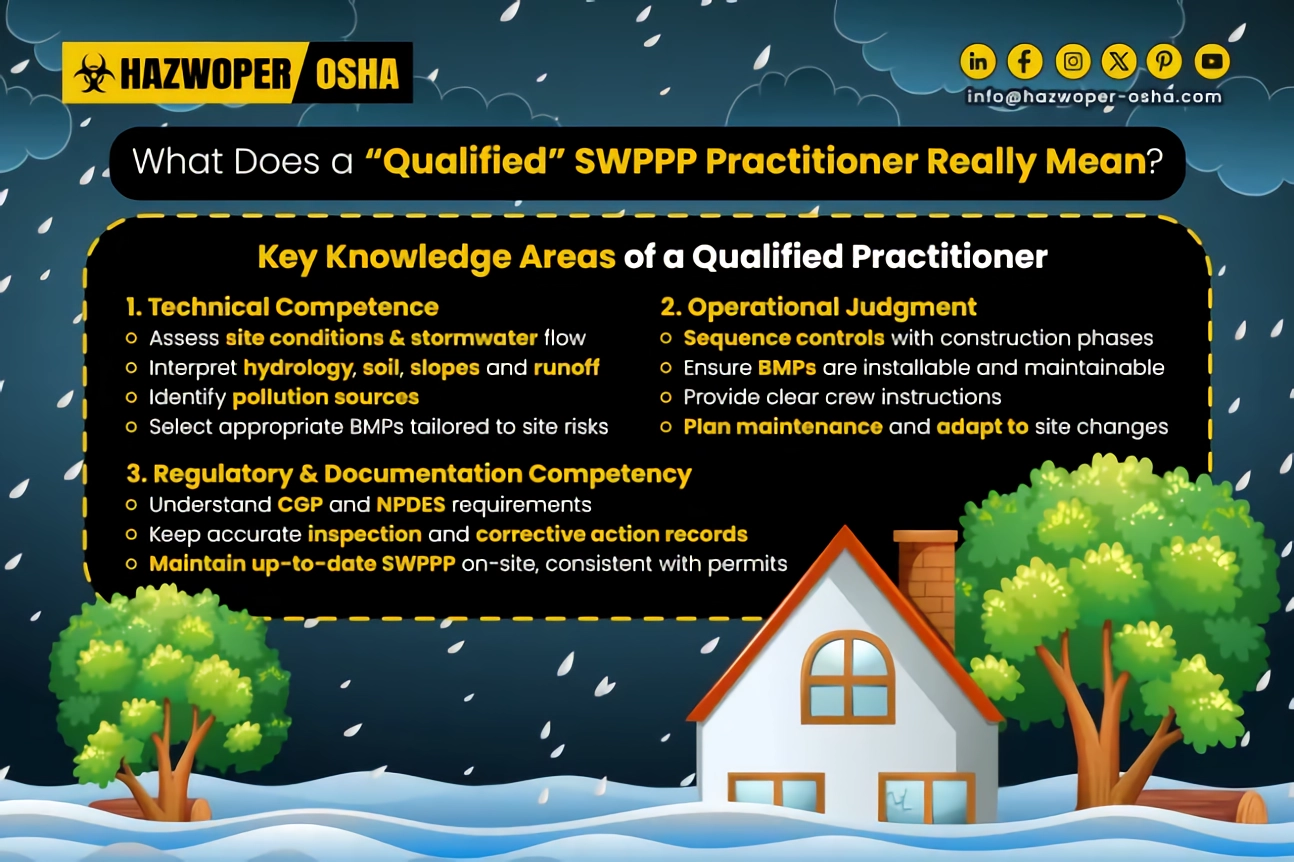
A qualified SWPPP practitioner must demonstrate competence across three core areas: technical skill, operational judgment, and regulatory/documentation proficiency.
Technical Competence
Practitioners must be able to accurately assess site conditions and understand how stormwater will move across the terrain. This includes:
- Interpreting hydrology and drainage patterns
- Evaluating soil types, slopes, and runoff pathways
- Identifying pollution sources such as stockpiles, equipment routes, and staging areas
- Selecting appropriate BMPs across all categories, including erosion control, sediment control, inlet protection, and site stabilization
This technical foundation ensures BMPs are not generic but tailored to the project’s specific risks and conditions.
Operational Judgment
A qualified practitioner must make practical field decisions that keep the project compliant and efficient. This involves:
- Sequencing controls in a way that aligns with construction phases
- Evaluating constructability so crews can realistically install and maintain BMPs
- Providing clear, crew-level instructions that translate technical requirements into actionable steps
- Planning for maintenance and anticipating how site changes affect BMP performance
Strong operational judgment helps prevent compliance issues before they occur.
Regulatory & Documentation Competency
Practitioners also need a working understanding of regulatory requirements and recordkeeping expectations, including:
- Familiarity with applicable Construction General Permit (CGP) and NPDES requirements
- Maintaining accurate inspection logs and corrective-action documentation
- Ensuring the SWPPP is up-to-date, accessible on-site, and consistent with permit conditions
This competency ensures the project remains compliant and prepared for inspections at any time.
What Are the Core Responsibilities of a Qualified SWPPP Practitioner?
Qualified practitioners carry three main responsibilities:
Conducting a thorough site evaluation
They evaluate the site and observe layout, slopes, soil types, and drainage. They identify natural water flow paths and pollution sources that generic plans might overlook.
Designing a customized SWPPP
Using their site evaluation, they create a tailored plan with BMPs matched to terrain, timeline, and weather. Clear instructions show where controls go and how crews install and maintain them. This clarity reduces errors and increases compliance.
Managing documentation and reporting
They prepare written plans, create detailed maps, and track inspections and maintenance. Accurate records support accountability, ease plan review, and help update controls as conditions change.
How Does a Qualified Practitioner Conduct a Complete Site Evaluation?
Before selecting any controls, a qualified practitioner performs a detailed site evaluation to ensure the stormwater plan matches actual field conditions, saving employers time, rework, and compliance headaches.
- Walks the entire site to understand the overall layout, work zones, and construction sequencing.
- Assesses slopes and grading to determine how water will flow, pond, or disperse during storms.
- Evaluates soil types to predict erosion potential and choose appropriate stabilization and sediment controls.
- Maps natural drainage patterns and identifies low spots, flow paths, and potential discharge points.
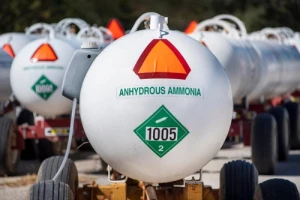
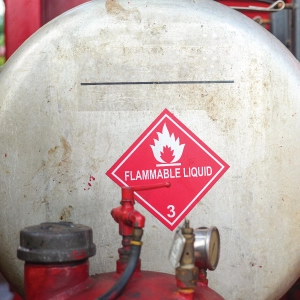
- Locates pollution sources such as stockpiles, on-site fuel storage tanks, washout Stations, or heavy equipment routes.
- Identifies site-specific risks that generic plans typically miss, such as access-road tracking, unprotected slopes, or conflicting work activities.
This comprehensive evaluation ensures the resulting SWPPP is tailored to real-world conditions, helping employers avoid costly rework, failed inspections, and operational disruptions.
What Does Designing the SWPPP Involve?
Using site evaluation, the practitioner designs a SWPPP tailored to the project’s unique needs. This includes selecting best management practices (BMPs) that suit the terrain, construction timeline, and expected weather.
A well-designed SWPPP clearly shows where controls will be placed and explains how crews should install and maintain them. The goal is to produce a plan that workers can easily understand and follow, reducing errors and confusion.
Employers benefit from this clarity, as it increases the likelihood of smooth implementation and fewer stormwater-related site problems.
What Are the Practitioner’s Documentation and Reporting Responsibilities?
A qualified practitioner manages all necessary documentation and record-keeping. This includes preparing the written SWPPP, creating detailed maps, and tracking inspections and maintenance activities.
Accurate documentation gives employers a clear record of stormwater controls and actions taken to prevent pollution. It supports accountability and simplifies plan review and updates as site conditions change.
How to Become a Qualified SWPPP Practitioner
A qualified SWPPP practitioner plays a critical role in keeping construction sites compliant, protected, and well-managed. Understanding the pathway to qualification helps both new practitioners and employers ensure the right skills and standards are in place from day one.
Quick Roadmap (for Practitioners)
Becoming a capable SWPPP practitioner follows a straightforward progression: build foundational knowledge, complete formal training, gain supervised field experience, assemble proof of competency, and stay current with permit requirements.
Basic Education
Begin with relevant civil, environmental, or construction-related education or equivalent on-the-job training to understand soils, runoff behavior, and jobsite operations.
Formal Courses/Certifications
Advance your skills by completing recognized programs such as Construction General Permit (CGP) SWPPP training, Certified Inspector of Sediment and Erosion Control (CISEC), Certified Professional in Stormwater Quality (CPSWQ), or state-specific credentials like California’s Qualified SWPPP Practitioner (QSP) and Qualified SWPPP Developer (QSD).
12–24 Months of Mentored Site Experience
Work under an experienced professional to conduct site evaluations, select BMPs, complete inspections, update SWPPPs, and document corrective actions.
Assemble a Professional Portfolio
Include a redacted SWPPP, inspection logs, BMP installation photos, and at least one corrective-action example to demonstrate competency to potential employers.
Ongoing CE & Permit Familiarization
Maintain your qualification through continuous learning, reviewing updated permits, and staying current with BMP standards and local regulatory changes.
Employer Verification Checklist (for Hiring)
- Request a redacted SWPPP + site map
- Ask for an inspection log and one corrective-action example
- Check references for similar project types
- Confirm state/local permit training, such as CA QSP/QSD, if required
- Require a brief practical deliverable, like a short site evaluation with photos
Becoming a qualified SWPPP practitioner is about documented capability, not a universal license. Meeting project-owner and permit standards through proven knowledge, field experience, and strong communication is what truly defines a qualified professional in stormwater compliance.
Conclusion:
A truly qualified SWPPP practitioner makes all the difference in managing stormwater risks effectively. Employers benefit when these professionals combine thorough site evaluation, tailored plan design, and clear documentation. This expertise helps prevent costly delays, protects the site from pollution, and keeps working smoothly.
Choosing the right practitioner means looking beyond basic familiarity. It means finding someone with proven training, real project experience, and strong communication skills. These qualities ensure the stormwater plan works in practice, not just on paper.
Understanding what “qualified” really means empowers employers to make smarter hiring decisions. This leads to safer, more efficient projects and reduces the risk of costly problems.
For those seeking to build this expertise, the Qualified SWPPP Practitioner (QSP) Training offer practical knowledge and skills needed to develop and manage effective stormwater programs. It’s a solid step toward protecting your site and your investment.
Frequently Asked Questions
A SWPPP is typically required when a construction project involves land disturbance, especially when one acre or more of soil is disturbed. Even if the project area is under one acre, a SWPPP may still be required if the site is part of a larger “common plan of development or sale.” That means multiple small projects collectively disturb a larger area. Therefore, employers should evaluate not only the immediate project but also the broader development plan to determine whether a SWPPP is needed.
A qualified practitioner should possess a technical understanding of stormwater behavior, soil and site conditions, and BMP (Best Management Practices) selection tailored to project risks. Credentials may include recognized certifications (e.g., those for erosion and sediment control specialists) or equivalent documented training.
Practical experience with past projects, preferably ones similar in scope and conditions, is also critical. This ensures the practitioner has dealt with real-world challenges, and not just theoretical knowledge. Additionally, the ability to produce clear documentation and site-specific plans (not generic templates) is an important mark of a truly qualified professional.
Generic SWPPPs often rely on template language or standard controls without adjusting for the actual site terrain, soil type, drainage patterns, or work-flow. Such plans may look compliant on paper but fail under real site conditions.
In contrast, a well-designed SWPPP begins with a thorough site evaluation: walking the site, analyzing slopes and soil, identifying drainage patterns, access roads, material-storage zones, and potential pollution sources (stockpiles, fuel storage, heavy-equipment pathways, etc.). Based on this evaluation, the practitioner selects and locates BMPs that realistically match the site’s risks, for example, silt fences or sediment basins where runoff is likely, or protective measures around stockpiles and high-traffic zones. Moreover, a high-quality SWPPP includes inspection, maintenance, and documentation protocols, ensuring the plan remains effective over time, not just at the start. Thus, the main difference lies in site-specific design, practical implementation, and ongoing management, not just regulatory checkboxes.
Employers should start by requesting the practitioner’s training credentials or certifications related to stormwater, erosion, sediment control, or SWPPP development. This helps verify formal knowledge.
Next, ask for past project portfolios or references ideally projects similar in size, terrain, or environmental conditions. Real-world results show whether the practitioner’s SWPPPs actually worked on site.
During interviews, employers can pose specific, scenario-based questions. For example: “How would you assess runoff risk for a sloped site with heavy equipment traffic?” or “Describe how you would adjust BMPs if site conditions change mid-project (e.g., after heavy rainfall).” These questions test practical judgment and flexibility. Also, request to see sample SWPPP documents : site maps, BMP placement plans, inspection/maintenance schedules, documentation format. A plan that is clear, detailed, and tailored, not generic, is a good indicator of competence. Finally, check whether the practitioner plans for updates, ongoing monitoring, and inspections since stormwater plans must adapt as site conditions and work progress.