English and
 Español. After purchase, use the language toggle in your course Player to switch between English and Spanish at any time.

 EN
 ES





.webp)




























.webp)
















.webp)





























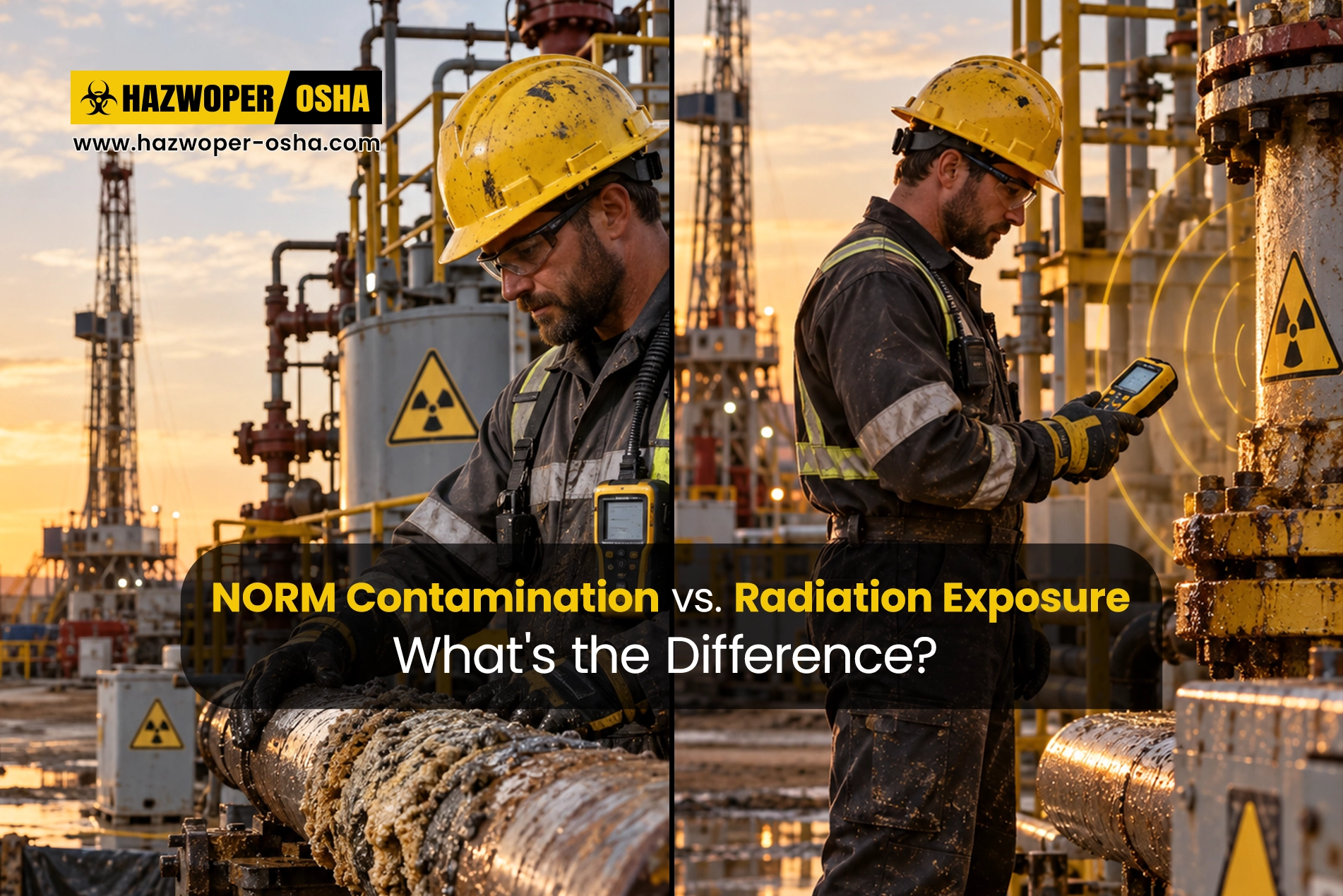
NORM Contamination vs. Radiation Exposure: What's the Difference?
Introduction:
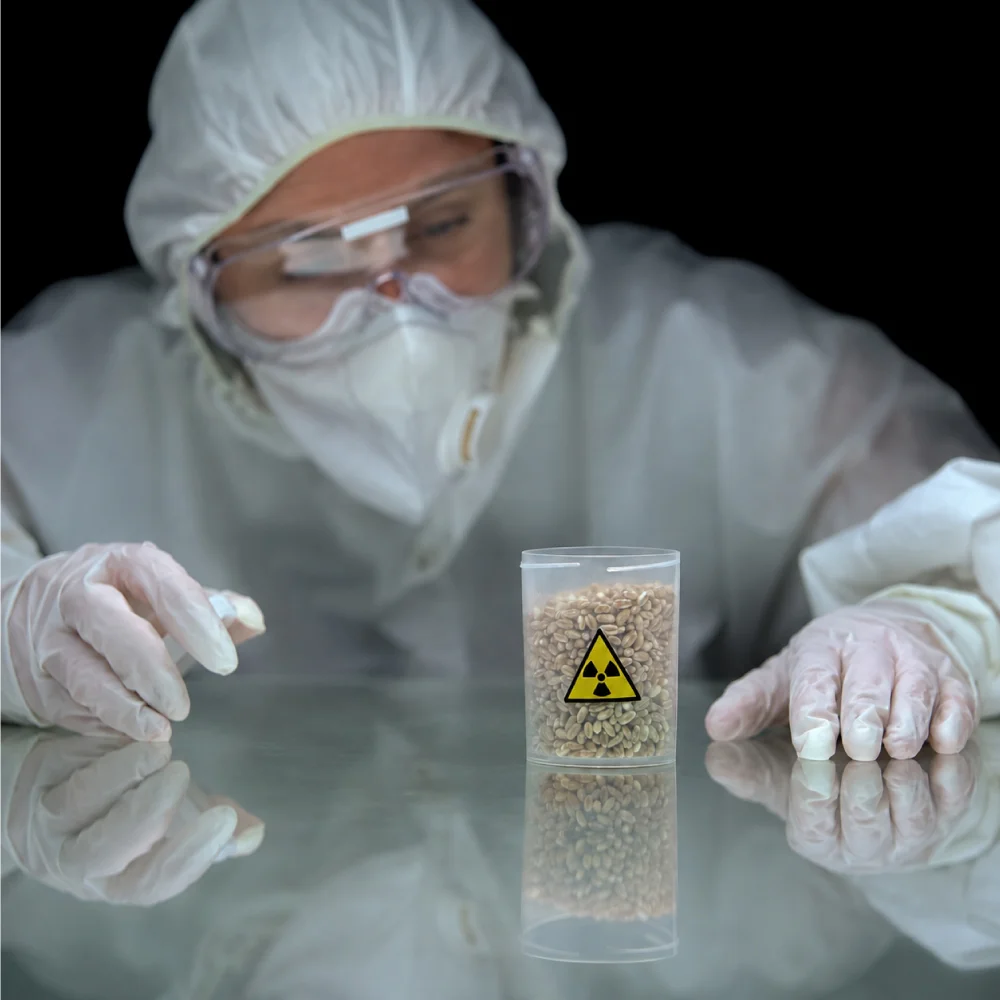
In industries such as oil and gas, mining, and mineral processing, workers can encounter radioactive materials during routine maintenance, equipment cleaning, and waste handling. Two hazards often arise in these situations: radioactive contamination and radiation exposure. They are related, but they are not the same, and confusing them can lead to ineffective safety controls.
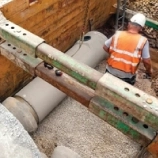
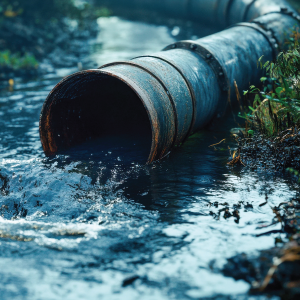
Naturally Occurring Radioactive Material (NORM) contains radionuclides such as radium, uranium, and thorium. In oil and gas operations, for example, radium can travel to the surface with produced water and accumulate in mineral scale inside pipes or sludge in tanks. These deposits can become a source of radiation around equipment.
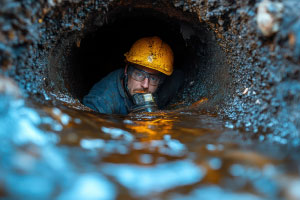
The risk can change significantly when equipment is opened. While a pipe remains closed, gamma radiation from radium-bearing scale may pass through its walls and expose nearby workers, even if they never touch the material. When the pipe is opened for cleaning or maintenance, scale and sludge may be released. Radioactive particles can then contaminate tools, clothing, skin, and work surfaces. If the material becomes airborne, workers may also inhale it.
This is why identifying NORM is only the starting point. Workers need to understand whether they are dealing with an external radiation field, radioactive material that could spread, or both. Each situation requires different monitoring methods and protective measures.
Where NORM Accumulates in Industrial Operations
NORM does not remain confined to underground geological formations. During extraction and processing, naturally occurring radionuclides can move with water, oil, gas, and other materials to the surface. In oil and gas operations, for example, formation water brought up with hydrocarbons can contain dissolved radium. As this water moves through production equipment, changes in pressure, temperature, and water chemistry can cause radium to precipitate with other minerals. Over time, these deposits can accumulate as scale inside pipes, valves, separators, and other equipment. Radium-bearing residues may also collect as sludge in storage tanks and processing vessels.
The same principle applies across other industries: extraction, processing, and treatment can concentrate naturally occurring radionuclides in materials that workers later handle.
- Oil and gas production: Radium and its decay products may accumulate in pipe scale, tank sludge, filters, and residues associated with produced water. Maintenance, pipe cleaning, vessel entry, and waste removal can disturb these deposits.
- Mining and mineral processing: Radionuclides may be present in extracted ores, waste rock, mine tailings, and processing residues. Their concentrations depend on the geological deposit and the processes used to extract and refine the material.
- Water and wastewater treatment: Radionuclides in source water may become concentrated in treatment sludge, filter media, sediment, and mineral scale as water is processed.
- Industrial processing and combustion: Phosphate production, coal combustion, and certain mineral-processing operations can concentrate naturally occurring radionuclides in by-products, ash, dust, and other process residues.
When industrial activities increase the concentration or availability of naturally occurring radionuclides, the resulting material may be classified as Technologically Enhanced Naturally Occurring Radioactive Material (TENORM), depending on the applicable regulatory definition.
Workers who handle NORM-containing scale, sludge, equipment, or waste need to recognize how these materials can create exposure and contamination hazards. Our Norm Safety training can help workers build practical knowledge of NORM hazards, safe handling, and protective practices.
How Alpha, Beta, and Gamma Radiation Create Different Exposure Risks
To understand why NORM-containing equipment can expose workers in different ways, it is important to understand the radiation emitted by radioactive materials. The main types relevant to NORM operations are alpha particles, beta particles, and gamma rays. They differ in how far they travel, how deeply they penetrate materials, and how they can affect the body.
Alpha Radiation
Alpha particles are relatively large, positively charged particles. They have very limited penetrating power and can be stopped by paper, ordinary clothing, or the outer dead layer of human skin.
However, alpha-emitting material can present a serious hazard if radioactive particles enter the body through inhalation, ingestion, or an open wound. For example, dust released while removing radium-bearing scale or sludge may create an internal exposure concern if it contains alpha-emitting radionuclides.
Beta Radiation
Beta particles are smaller and more penetrating than alpha particles. They can travel farther through air and may penetrate the outer layers of skin, potentially causing skin damage at sufficient exposure levels.
Beta-emitting material can also create an internal exposure hazard if contaminated dust or particles are inhaled or swallowed. The level of risk depends on the radionuclide, its activity, and the amount and form of material involved.
Gamma Radiation
Gamma rays are high-energy electromagnetic radiation. Unlike alpha and beta particles, they can penetrate equipment walls, clothing, and human tissue. Dense materials such as lead or concrete can reduce gamma radiation, although the shielding required depends on the source and radiation level.
In oil and gas operations, radium-bearing scale inside a closed pipe can emit gamma radiation that passes through the pipe wall. A worker performing maintenance nearby may therefore receive external radiation exposure without touching or becoming contaminated by the scale.
External and Internal Exposure
These differences in penetrating power help explain the two main pathways through which workers may receive radiation doses.
External exposure occurs when radiation reaches the body from a source outside it. Gamma radiation from radium-bearing scale inside a closed pipe is one example. Certain beta emitters can also cause external exposure, particularly to the skin.
Internal exposure occurs when radioactive material enters the body through inhalation, ingestion, or an open wound. This is a concern when workers disturb NORM-containing scale, sludge, or dust and radioactive particles become airborne or transfer to the hands, food, or other surfaces.
The distinction matters because a worker can receive external exposure without radioactive material entering the body. Conversely, inhaling or swallowing radioactive particles can result in an internal dose even when external radiation levels are relatively low. Both pathways may occur during the same maintenance or cleaning task.
Key Differences Between Norm Contamination and Radiation Exposure
|
Comparison factor |
NORM contamination |
Radiation exposure |
|
What it involves |
Radioactive material deposited on surfaces, equipment, clothing, skin, or inside the body. |
Ionizing radiation reaching the body from a radioactive source. |
|
How it occurs |
Contact with contaminated scale, sludge, dust, tools, or surfaces; radioactive particles may also enter the body. |
Radiation emitted by radioactive material reaches the body, even without direct contact with the source. |
|
Industrial example |
Radium-bearing sludge released when a worker opens and cleans a storage tank. |
Gamma radiation passing through a pipe wall from radium-bearing scale inside the pipe. |
|
Main concern |
Radioactive material spreading to other surfaces or entering the body through inhalation, ingestion, or wounds. |
The radiation dose received by the body or specific tissues. |
Note: These hazards can occur together. For example, opening a pipe containing radium-bearing scale can expose workers to gamma radiation while also creating a risk of surface contamination and inhalation.
How NORM Contamination and Radiation Exposure Are Measured
Radiological monitoring should follow the work as conditions change. Before approaching suspected NORM-containing equipment, workers need to understand the external radiation field. Once equipment is opened, the assessment must also consider radioactive material on surfaces, tools, clothing, and potentially in the air. Before equipment or personnel leave a controlled work area, contamination checks help determine whether radioactive material has spread beyond the work zone.
The instruments used depend on what needs to be measured. A dose-rate meter cannot establish surface contamination, and a contamination monitor cannot determine a worker's cumulative radiation dose. These methods provide different information and should be used together when the hazard assessment calls for them.
1. Before approaching equipment: Radiation dose-rate surveys
Radiation survey meters measure radiation levels around pipes, tanks, vessels, and other equipment. They help identify elevated radiation fields and assess potential external exposure before maintenance or cleaning begins.
Readings may be reported in microsieverts per hour (µSv/h) or other units, depending on the instrument. The meter must be suitable for the radiation type and energy being assessed, properly calibrated, and used by trained personnel.
2. When equipment is opened: Surface and airborne contamination monitoring
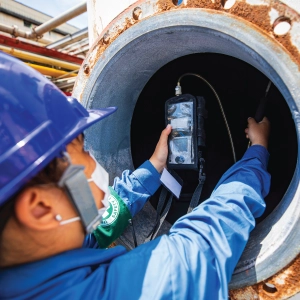
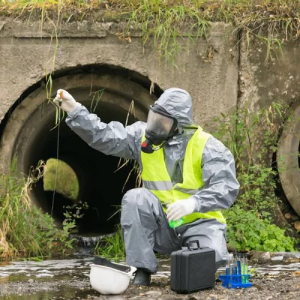
Opening pipes, tanks, or vessels can expose scale and sludge that were previously contained. Workers may need suitable contamination monitors to check equipment surfaces, tools, protective clothing, and work areas.
Wipe tests, also called smear tests, help identify removable radioactive material. A sample is collected by wiping a defined surface and then measuring the wipe with an appropriate instrument. Where airborne dust or radioactive gas is a concern, suitable air sampling or gas-monitoring methods may also be required.
3. During the job: Personal dosimetry and exposure assessment
Personal dosimeters monitor an individual's accumulated external radiation dose over a specified period. Depending on the radiation protection assessment and applicable requirements, workers may need to wear dosimeters while performing tasks near NORM-containing equipment.
If radioactive material may have been inhaled or swallowed, a personal dosimeter alone cannot determine the resulting internal dose. A qualified radiation protection professional may recommend additional assessments, such as bioassay or other radionuclide-specific testing.
4. Before leaving the work area: Contamination checks
After cleaning or maintenance, tools, equipment, protective clothing, and workers may need to be checked for radioactive contamination before leaving the controlled area. Direct contamination monitoring and wipe tests can help identify removable material that could otherwise be transferred to vehicles, storage areas, or other workplaces.
The results help determine whether further decontamination is needed and whether items can be released from the controlled area under the applicable site procedures and regulatory criteria.
Important: No single handheld instrument identifies every radionuclide or measures every type of radiological hazard. Dose-rate meters, contamination monitors, personal dosimeters, and airborne monitoring equipment serve different purposes. Instrument selection and interpretation should be handled by trained personnel using methods appropriate for the radionuclides and work conditions involved.
How Workers Can Reduce NORM Contamination and Radiation Exposure
Working around NORM-containing equipment requires more than identifying radioactive material. Workers need to follow a controlled sequence that addresses radiation exposure before equipment is opened, prevents contamination during maintenance, and controls radioactive material during decontamination and waste handling.
The following workflow follows the typical progression of a maintenance or cleaning task.
Phase 1: Before the Job: Assess the Radiation Hazard
Before approaching or opening suspected NORM-containing equipment, review the available radiological information and follow the site's radiation protection procedures.
- Review previous survey results: Check available radiation survey records, contamination results, and equipment history to identify known NORM accumulation.
- Conduct a pre-job radiation survey: Use an appropriate survey meter to assess radiation levels around pipes, tanks, vessels, and other equipment.
- Identify potential exposure pathways: Consider whether the task could expose workers to external gamma radiation, contaminated surfaces, airborne particles, or radioactive material entering the body.
- Establish work controls: Follow the site's radiation work permit (RWP), where applicable. Confirm the work boundaries, access restrictions, monitoring requirements, and protective measures before starting.
- Check other workplace hazards: Equipment opening and vessel work may also involve pressure, hazardous gases, oxygen deficiency, and chemical exposure. Complete the required isolation and atmospheric testing procedures.
If the radiation survey or task assessment identifies conditions beyond the approved work controls, stop and seek guidance from the radiation protection team before proceeding.
Phase 2: Before Breaking Containment: Establish Contamination Controls
Opening a pipe, tank, or vessel can release radioactive scale, sludge, and other residues. Prepare the work area before disturbing the material.
- Establish controlled and clean areas: Separate the work zone from clean areas to limit the movement of contaminated materials.
- Prepare decontamination facilities: Position step-off pads, designated waste containers, and suitable contamination-monitoring equipment at the controlled-area boundary.
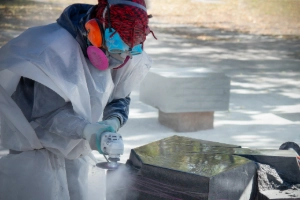
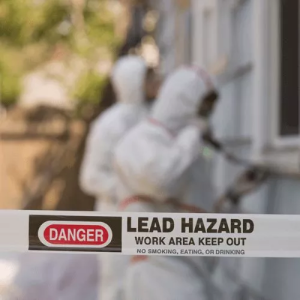
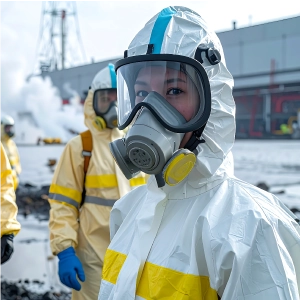
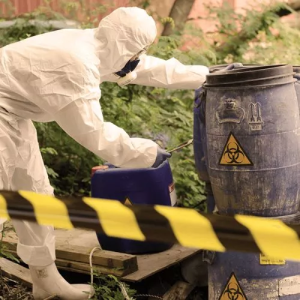
- Select appropriate PPE: Depending on the material and task, workers may need protective gloves, eye protection, and disposable coveralls such as Tyvek-style garments. These help prevent radioactive material from contacting skin or personal clothing, but they do not provide meaningful shielding against penetrating gamma radiation.
- Use appropriate respiratory protection: If airborne radioactive particles may be generated, respiratory protection should be selected through the site's respiratory protection program. A suitable powered air-purifying respirator (PAPR) may be appropriate for certain tasks, depending on the hazard assessment and equipment approval.
- Prepare containment and dust-control equipment: Use suitable barriers, wet methods, or local exhaust ventilation with appropriate HEPA filtration where the task requires them.
The objective is to prevent radioactive material from spreading when the equipment is opened, rather than trying to control contamination after it has already reached surrounding surfaces.
Phase 3: During Maintenance: Control Radioactive Material and External Exposure
Once containment is broken, workers may encounter both radiation fields and loose radioactive material. The work method should address both hazards.
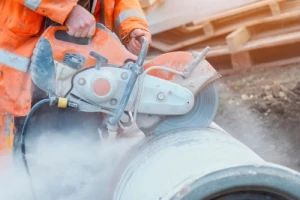
- Avoid dry cleaning methods: Dry sweeping, compressed air, and other practices that generate dust can disperse radioactive particles into the breathing zone and surrounding work area.
- Use suitable wet methods: Wet descaling and controlled cleaning can help suppress dust and limit the spread of radioactive residues.
- Use HEPA-filtered equipment where appropriate: Suitable HEPA vacuum systems can collect contaminated dust without releasing it back into the work environment. Ordinary shop vacuums should not be substituted.
- Limit time near radiation sources: Where external dose rates are elevated, organize work to reduce unnecessary time near the source.
- Maintain distance and use suitable shielding: Increase distance where practical and use shielding selected for the radiation type and source. Protective coveralls and ordinary PPE should not be treated as gamma shielding.
- Follow monitoring instructions: Wear assigned personal dosimeters and follow any additional monitoring requirements established for the task.
If conditions change, unexpected contamination is found, or monitoring results exceed established action levels, stop work and follow the site's radiation protection procedures.
Phase 4: After the Job: Decontaminate and Check Before Leaving
Removing contaminated equipment and PPE incorrectly can spread radioactive material beyond the work area. Decontamination should therefore take place at the designated boundary, following the site's established procedures.
- Check tools and equipment: Monitor reusable tools, hoses, containers, and other equipment for contamination before removing them from the controlled area.
- Remove PPE carefully: Follow the designated doffing sequence to avoid transferring radioactive material from protective clothing to skin or personal garments.
- Use step-off pads and monitoring stations: Check footwear, clothing, and exposed skin using suitable contamination-monitoring equipment.
- Decontaminate when necessary: Follow approved procedures if removable contamination is detected. Do not leave the controlled area in contaminated clothing or footwear.
- Prevent cross-contamination: Keep contaminated boots, tools, and protective equipment out of vehicles, offices, breakrooms, and other clean spaces.
Personal dosimeters should also be handled and submitted according to the site's monitoring procedures. If contamination or possible internal intake is suspected, report it promptly so that the appropriate assessment can be arranged.
Phase 5: Waste Handling: Package and Transfer NORM Residues Safely
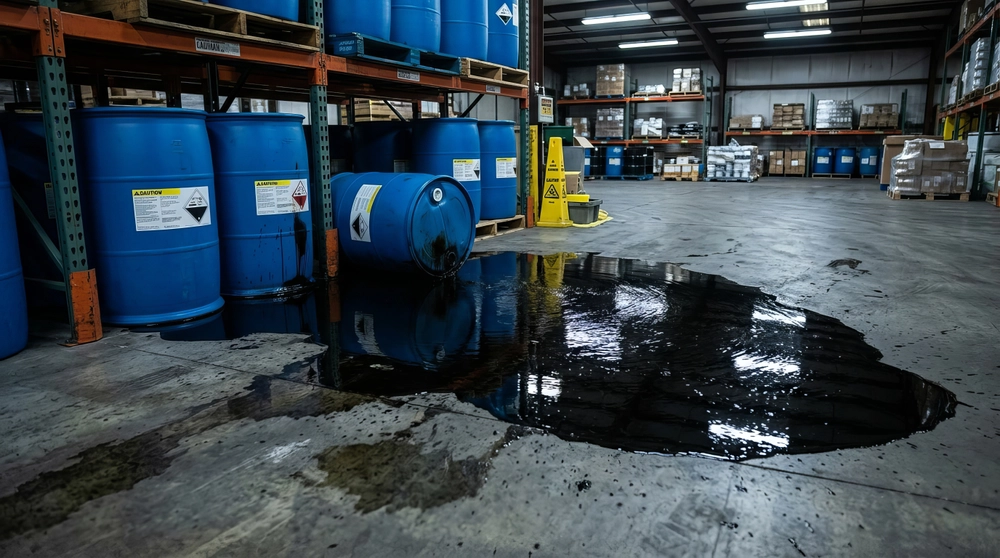
Scale, sludge, used PPE, cleaning materials, and disposable filters may contain radioactive material after maintenance. They should not be treated as ordinary industrial waste without an appropriate assessment.
- Characterize the waste: Determine the radionuclides and activity concentrations using suitable sampling, measurement, and laboratory methods where necessary.
- Use suitable packaging: Select containers that prevent leakage, dust release, and contamination during storage and handling.
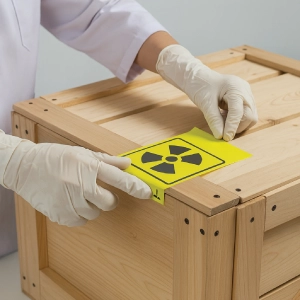
- Label and segregate materials: Identify radioactive waste and keep it separate from ordinary waste according to site procedures and applicable requirements.
- Determine transport classification: Before shipment, qualified personnel should assess whether the material meets applicable U.S. Department of Transportation (DOT) radioactive-material transport criteria or qualifies for an exemption.
- Maintain waste records: Document waste characterization, packaging, transfer, and disposal information as required by the applicable regulatory framework and facility procedures.
A waste manifest or other shipment documentation may be required depending on the waste classification and applicable federal or state rules. Not every NORM-containing residue automatically falls under the same transport or disposal requirements.
Conclusion
NORM contamination and radiation exposure are related but distinct hazards. Contamination means unwanted radioactive material is present; exposure means ionizing radiation reaches the body. A worker can be exposed without being contaminated, and radioactive material can create both exposure and contamination risks.
Safe work depends on matching the assessment to the hazard: radiation surveys and dosimetry help characterize external exposure and dose, while suitable contamination monitoring identifies radioactive material on surfaces. Follow site-specific procedures, use controls appropriate to the exposure pathway, and involve qualified radiation-protection personnel when required.
Frequently Asked Questions