English and
 Español. After purchase, use the language toggle in your course Player to switch between English and Spanish at any time.

 EN
EN ES
ES































































































Is ICS 100 Certification Mandatory? Who Needs It and Why?
Introduction:
When emergencies happen, the difference between an effective response and a chaotic one rarely comes down to individual skill alone. It comes down to coordination. Every responder needs to understand their role, who they report to, and how information moves through the team. Without a common system, even experienced personnel can struggle to work together effectively.
That's where the Incident Command System (ICS) comes in. It provides a standardized framework for managing incidents, helping personnel from different departments and organizations coordinate their efforts. ICS 100 introduces the fundamentals of this system, making it an essential starting point for employees whose responsibilities include emergency response or incident support.
However, a common misconception is that every employee must complete the ICS-100 certification. In reality, it depends on your responsibilities and whether you're expected to operate within an Incident Command System.
In this blog, you'll learn who typically needs ICS 100 certification, why it's valuable for certain job roles, and how employees can earn the certification if it's relevant to their responsibilities.
Which Employees Are Expected to Complete ICS 100 Certification?
ICS 100 certification is commonly required for employees whose responsibilities include responding to incidents or supporting incident management using the Incident Command System (ICS). The following employee groups commonly complete ICS 100.
Emergency Response Personnel
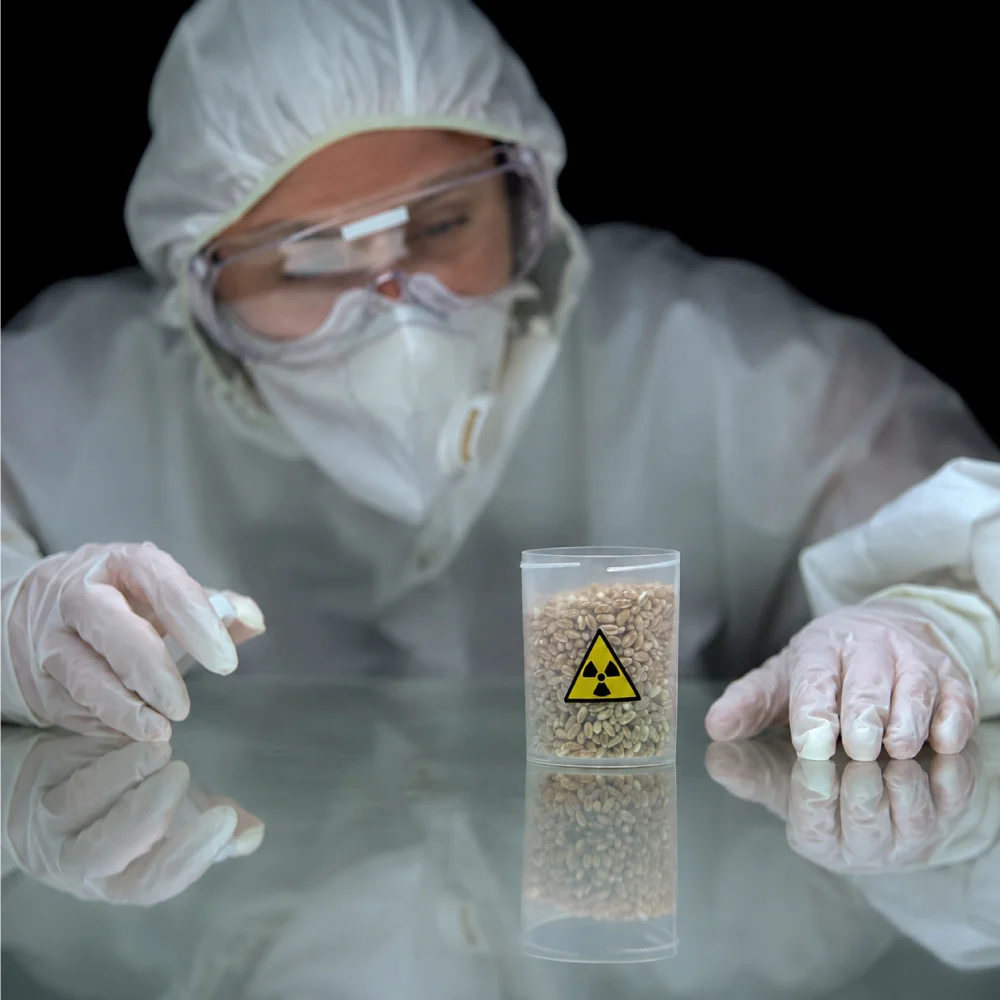
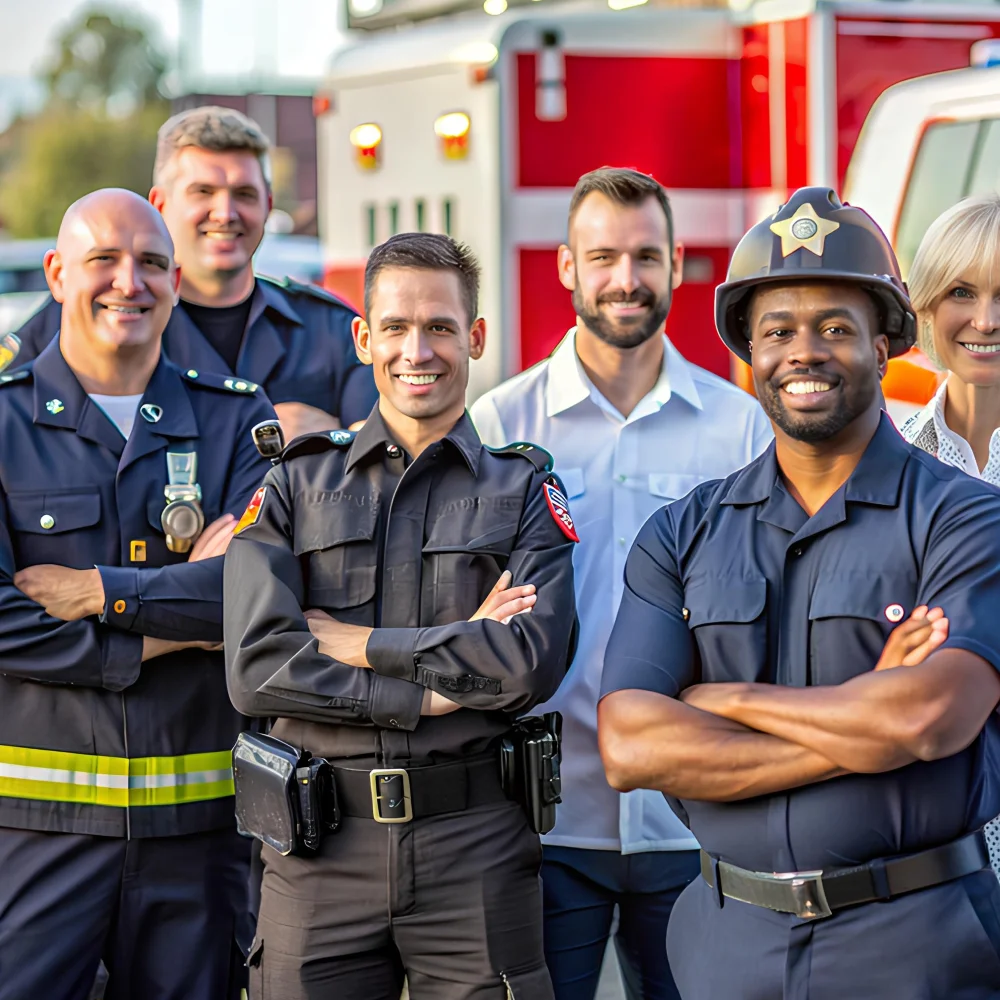
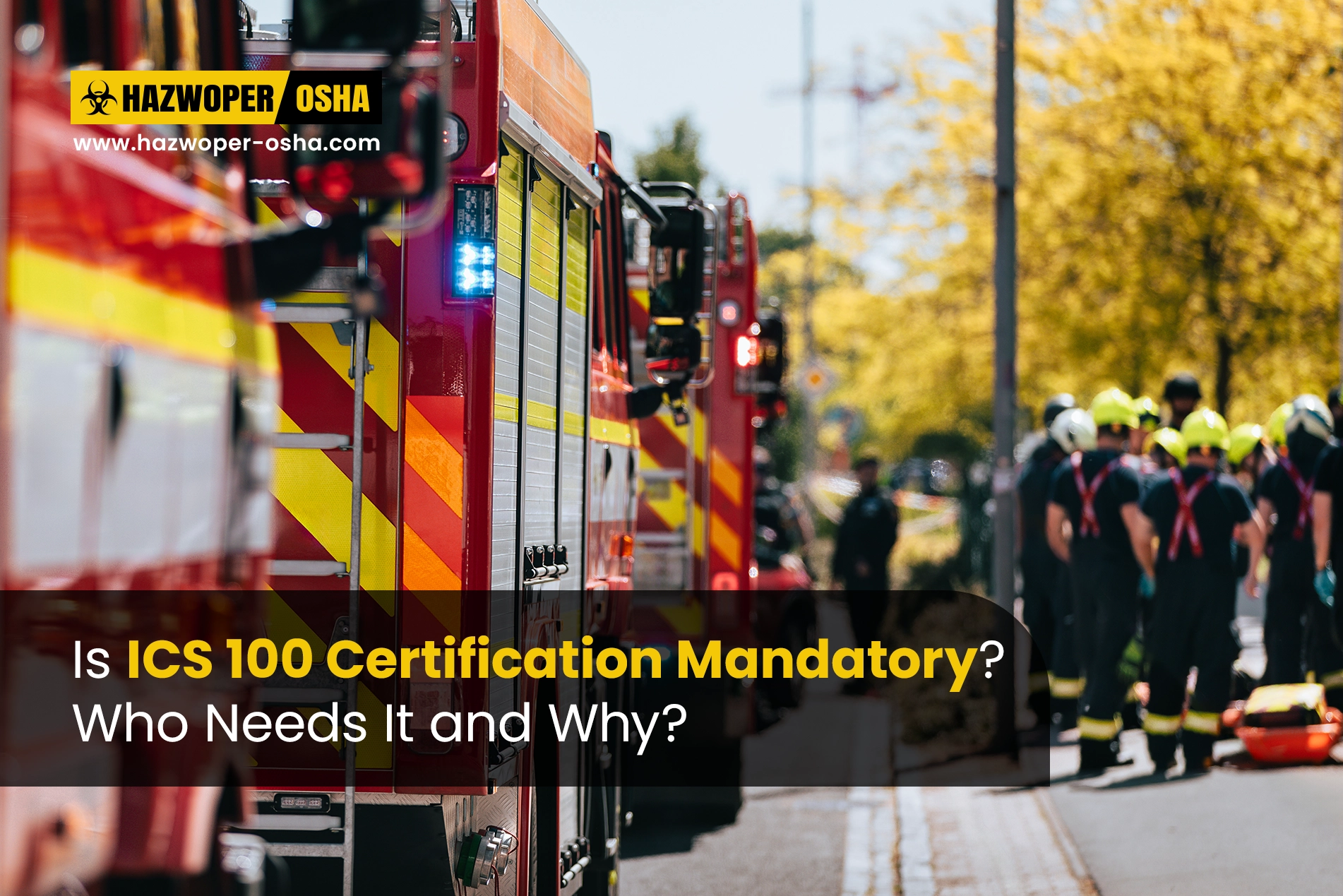
Firefighters, emergency medical personnel, law enforcement officers, and emergency management personnel often work within the Incident Command System (ICS) during emergencies. ICS 100 provides them with a foundational understanding of the organizational structure, chain of command, and common terminology used to coordinate response operations.
Additionally, because state, local, tribal, and territorial emergency response agencies must adopt the National Incident Management System (NIMS) to remain eligible for federal preparedness funding, ICS 100 serves as a baseline requirement for personnel working within these organizations. As a result, completing ICS 100 is often a contractual or employment prerequisite for emergency responders.
Hazardous Materials and Environmental Response Employees
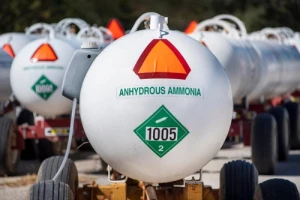
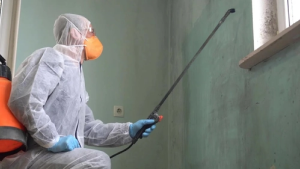
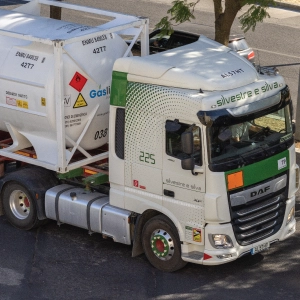
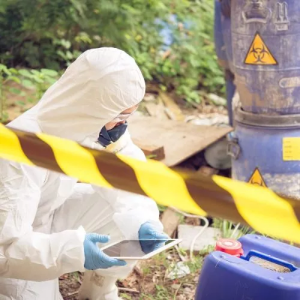
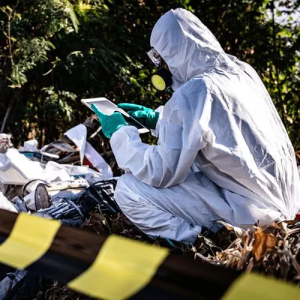
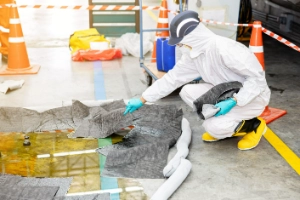
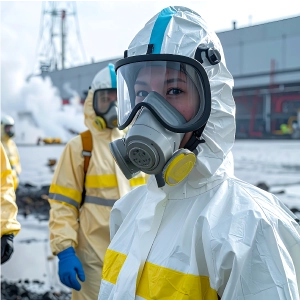
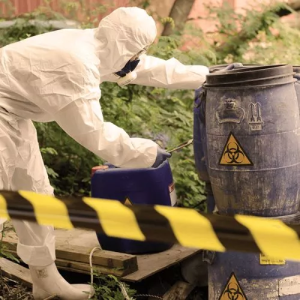
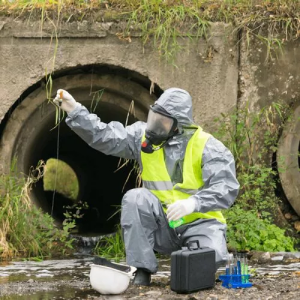
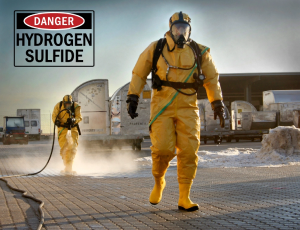
Employees involved in hazardous materials emergency response, hazardous waste operations, spill response, or environmental emergency operations may need ICS 100 if they are expected to operate within an Incident Command System (ICS). Under OSHA's Hazardous Waste Operations and Emergency Response (HAZWOPER) standard, 29 CFR 1910.120(q), hazardous materials emergency response operations must be managed using an Incident Command System. Understanding the ICS framework helps responders coordinate effectively with other agencies and personnel during emergency incidents.
Public Works and Utility Employees
Public works and utility employees may support emergency operations during natural disasters, infrastructure failures, or other large-scale incidents. Because these events often involve multiple responding organizations, ICS 100 helps employees understand how their responsibilities fit within a coordinated incident management structure.
Healthcare and Public Health Personnel
Healthcare employees assigned to emergency preparedness, disaster response, hospital incident management, or public health emergency operations may complete ICS 100. The course introduces the common organizational framework for coordinating personnel and resources during healthcare emergencies involving multiple departments or external response agencies.
Employees Assigned to Incident Support Roles
Not every employee involved in an incident performs frontline response duties. Personnel assigned to planning, logistics, communications, resource support, documentation, or other incident support functions may also need ICS 100 if they are expected to work within the Incident Command System. If you are unsure whether this training applies to your role, consult your supervisor or safety manager to determine your organization's training requirements.
How Can Employees Get ICS 100 Certification?
If your job requires understanding of the Incident Command System (ICS), there are two valid ways to get certified, and which one you need depends on what your employer or compliance program requires. Most personnel complete ICS 100 either through an authorized training provider or directly through FEMA's Emergency Management Institute (EMI), depending on which certificate they ultimately need.
Path 1: Training Provider Certificate (General Workplace Requirements)
If your employer or compliance requirement only calls for general training completion, not an official FEMA credential, this path is the simpler option.
- Enroll in ICS 100 through an authorized training provider.
- Complete the coursework as outlined by the provider.
- Receive a certificate of completion directly from the provider, no FEMA account or registration required.
Path 2: Official FEMA-Issued Certificate (When Required by Employer, Grant, or Compliance Program)
If your role specifically requires the federally recognized FEMA certificate, for example, for NIMS compliance or federally funded positions, follow these steps instead.
- Register for a FEMA Student Identification (SID) number and link it to a Login.gov account for secure access.
- Complete the ICS 100 coursework through FEMA's Independent Study (EMI) portal.
- Pass the final exam through the same portal to receive your official FEMA-issued certificate.
- Once you pass, your certificate and transcript become available in the NDEMU (National Disaster & Emergency Management University) Student Portal. You can download these records yourself and share them with your employer, since FEMA does not release student records directly to employers or third parties.
After ICS 100: Additional Training
ICS 100 is an introductory course that lays the foundation for working within the Incident Command System. Depending on your job responsibilities, your employer may require additional courses, such as ICS 200 or other incident management training, to prepare you for more advanced responsibilities. This requirement applies regardless of which certification path you took for ICS 100.
Why Is ICS 100 Important for Employees?
ICS 100 helps employees work safely and effectively within a standardized emergency management system. The course introduces the Incident Command System (ICS), which is the nationwide framework used to organize personnel, resources, and communications during emergency incidents. Because the National Incident Management System (NIMS) requires the use of ICS for incident management, FEMA requires jurisdictions receiving federal preparedness assistance to adopt NIMS, making ICS training a common requirement across many public-sector emergency response organizations.
Reduces Confusion During Multi-Agency Emergencies
ICS 100 helps prevent confusion when multiple organizations respond to the same incident. During large-scale emergencies such as wildfires, hurricanes, hazardous materials releases, or mass casualty incidents, firefighters, law enforcement officers, emergency medical personnel, public works departments, and other agencies may all respond simultaneously. Without a common management framework, responders may duplicate tasks, report to different supervisors, or experience communication breakdowns that delay critical operations. ICS establishes a standardized chain of command and common terminology, allowing responding organizations to coordinate their efforts more efficiently.
Improves Operational Efficiency and Resource Management
ICS 100 supports faster, more organized emergency operations. By understanding how responsibilities, resources, and information are managed within the Incident Command System, employees can integrate into incident operations more quickly, reducing delays and improving coordination. Better organization helps emergency teams deploy personnel and equipment more effectively while minimizing operational inefficiencies during rapidly changing incidents.
Supports Regulatory Compliance and Organizational Preparedness
ICS 100 is often required to meet NIMS compliance expectations. Many state, local, tribal, and territorial emergency response agencies require employees to complete ICS 100 because their organizations operate under the National Incident Management System. In addition, OSHA's 29 CFR 1910.120(q) requires hazardous materials emergency response operations to be managed using an Incident Command System, making ICS knowledge an important component of regulatory compliance for many emergency response personnel.
Strengthens Career Opportunities
ICS 100 is frequently listed as a job requirement for emergency response and public safety positions. Many employers in emergency management, healthcare, fire services, law enforcement, hazardous materials response, and public works require or strongly prefer applicants who have completed ICS 100. It is also commonly required for personnel working in federally funded emergency preparedness programs and serves as the foundation for higher-level ICS training required for many operational roles.
Why This Matters to You
Whether you are beginning a career in emergency services or already work in an organization that supports incident response, ICS 100 provides knowledge that directly affects safety, coordination, compliance, and employability. Understanding how incidents are managed helps you work more effectively with other responders, reduces the risk of costly operational mistakes during emergencies, and prepares you for job opportunities where ICS training is an expected qualification.
Conclusion:
ICS 100 certification is not a universal requirement for every employee, but it plays an important role for those who respond to incidents or support incident management. The course introduces the fundamental principles of the Incident Command System (ICS), providing a common framework for communication, coordination, and clearly defined responsibilities during emergencies and planned events. It also serves as the foundation for more advanced ICS training, making it an important first step for employees whose roles require working within an incident management structure.
If you've determined that ICS 100 is relevant to your responsibilities, choosing a training program that aligns with the FEMA IS-100 curriculum is essential. HAZWOPER OSHA Training LLC's Introduction to the Incident Command System (ICS 100) Training is designed to provide that foundation through flexible online, instructor-led, SCORM, and onsite training options. The course covers the core ICS concepts, organizational structure, terminology, and management principles employees need to confidently work within an Incident Command System while earning a certificate of completion upon successfully finishing the course.
Ultimately, the goal of ICS 100 isn't simply to earn another certificate; it's to ensure that when an incident occurs, everyone involved understands how to work together as part of a coordinated response. That shared understanding can make emergency operations safer, more organized, and more effective for everyone involved.
Frequently Asked Questions