English and
 Español. After purchase, use the language toggle in your course Player to switch between English and Spanish at any time.

 EN
EN ES
ES





















































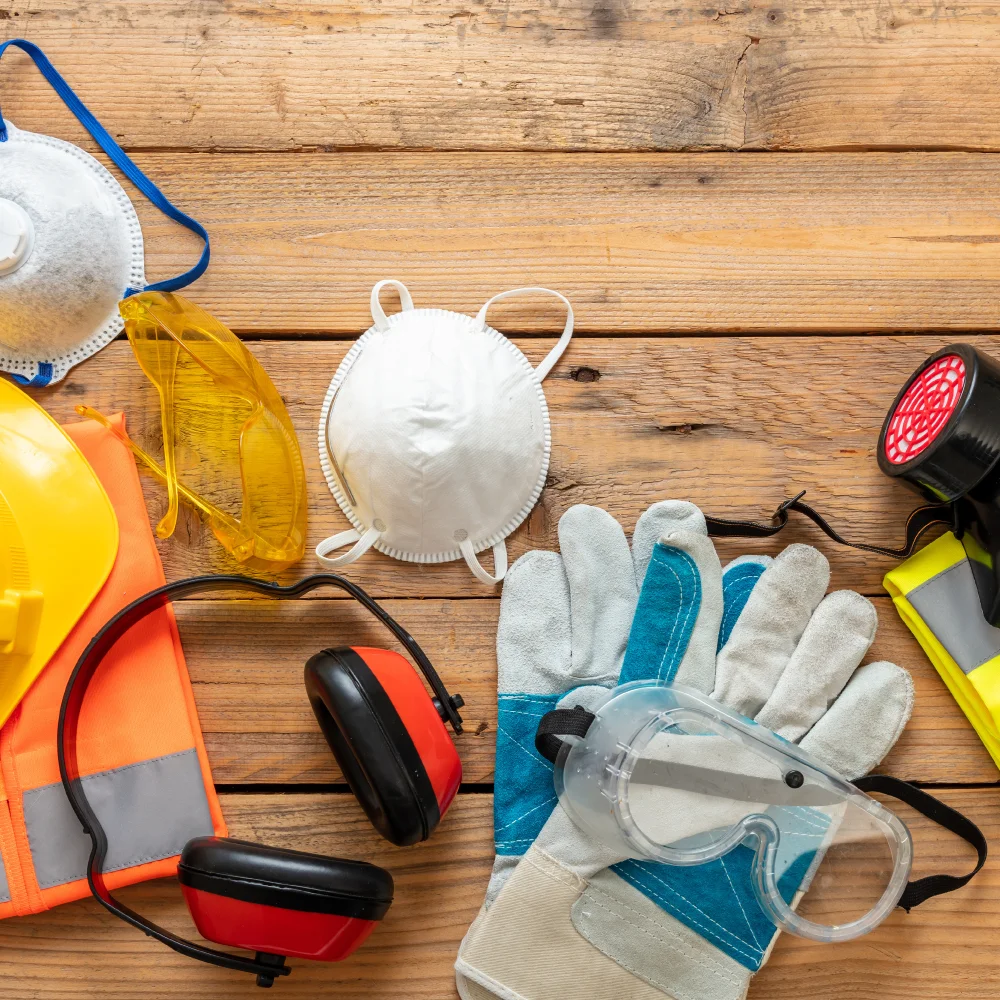


























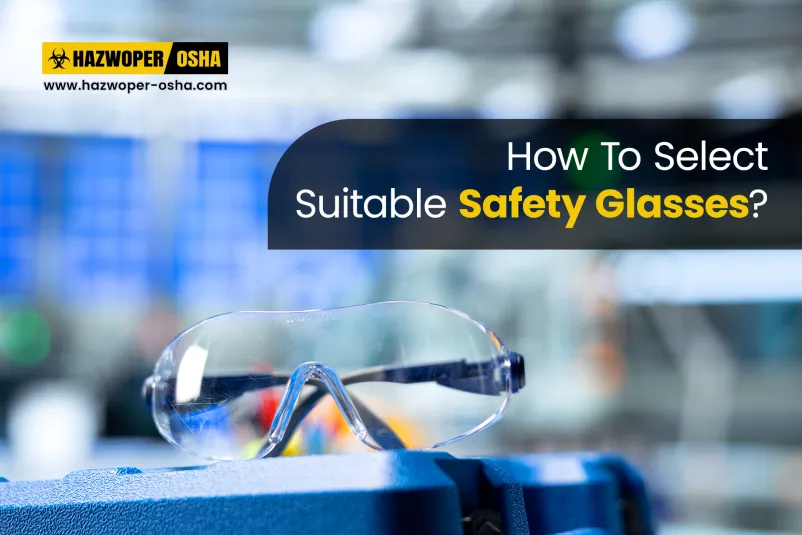
How To Select Suitable Safety Glasses?
Introduction:
Selecting the right safety glasses is one of the most effective ways employers can protect workers from eye injuries. Eye hazards in the workplace include flying particles, chemical splashes, dust, and harmful light sources, all of which can cause serious harm if eyes are unprotected.
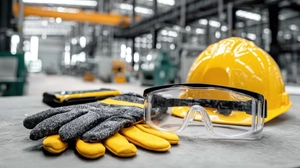
Safety glasses are stronger and more protective than regular eyeglasses. They are designed with impact-resistant lenses and side coverage to prevent objects by passing the frame.
Choosing the correct safety glasses begins with understanding the specific risks in your work environment. A hazard assessment helps you match eyewear to the hazards your workers face.
In this article, you will learn the step-by-step process to select suitable safety glasses for your workplace. You will see how hazard identification, material choice, fit, environment, and compatibility with other protective gear work together to keep your team safe and productive.
Why Choosing the Right Safety Glasses Matters?
Choosing the right safety glasses is not just about meeting regulatory requirements; it plays a critical role in protecting workers and maintaining efficient operations. Proper eye protection reduces risk, supports productivity, and helps organizations avoid preventable losses.
Compliance and Regulatory Responsibility
Workplace safety regulations require employers to provide appropriate eye protection when hazards are present. Using safety glasses that meet OSHA and ANSI standards helps organizations stay compliant and avoid penalties, inspection issues, or legal liability. More importantly, compliance ensures that workers are protected in accordance with recognized safety standards rather than relying on inadequate or generic eyewear.
Prevention of Workplace Eye Injuries
Eye injuries are among the most common and preventable workplace incidents. Flying debris, dust, sparks, or chemical splashes can cause anything from minor irritation to permanent vision loss. Selecting safety glasses designed for specific hazards significantly reduces the risk of these injuries and provides reliable protection during daily tasks.
Cost Control and Operational Continuity
A single eye injury can result in medical expenses, treatment time, workers’ compensation claims, and lost workdays. These incidents disrupt workflows and increase operational costs. Preventing eye injuries through proper eyewear helps maintain consistent productivity and protects the organization’s bottom line.
Hazard-Specific Protection
Not all safety glasses offer the same level of defense. Different work environments require different features, such as impact resistance, chemical splash protection, or UV filtering. Choosing eyewear that aligns with specific workplace hazards ensures full coverage and minimizes gaps that could expose workers to injury.
Worker Comfort, Focus, and Morale
Comfortable, well-fitting safety glasses support employee focus throughout the workday. Clear vision, proper coverage, and lightweight designs reduce the need for frequent adjustments or removal. When workers feel protected and comfortable, they are more confident in performing their tasks and remain productive for longer.
In addition to safety boots, if you want to learn about hand protection, check out our article on Types of Safety Gloves and How to Choose the Right One.
How to Select Suitable Safety Glasses?
Selecting suitable safety glasses requires a detailed understanding of workplace hazards and the technical features of protective eyewear. This guide outlines the essential steps, including hazard assessment, product selection, fit, and compatibility, as well as practical considerations such as maintenance and training.
Step 1 – Identify Workplace Eye Hazards
Before selecting any protective eyewear, it is essential to understand the types of eye hazards present in the workplace. Different tasks expose workers to different risks, and identifying these hazards is the foundation of effective eye protection.
Assess Impact, Particle, and Debris Risks
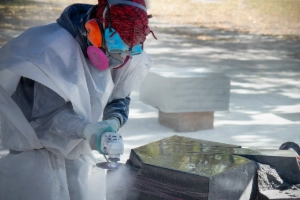
Many work environments expose employees to flying objects such as metal fragments, wood chips, or airborne dust. These hazards can result from cutting, grinding, drilling, or material handling activities. Identifying where and when impact risks occur helps determine the level of eye protection needed to prevent injuries from high-speed or falling particles.
Identify Chemical Splash and Liquid Exposure Risks
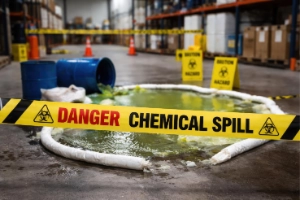
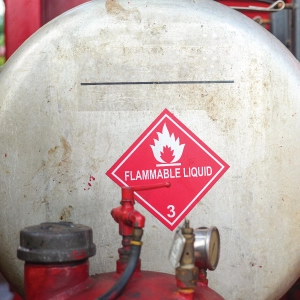
Workplaces that involve chemicals, solvents, or liquid handling present a risk of splashes or spills reaching the eyes. These hazards are common in laboratories, manufacturing, cleaning, and maintenance. Evaluating the likelihood and severity of liquid exposure is critical, as even brief contact can cause serious eye damage.
Evaluate Light-Related Hazards Such as Glare or Radiation
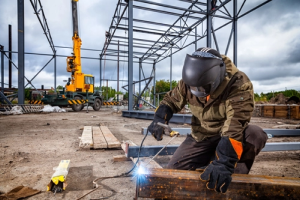
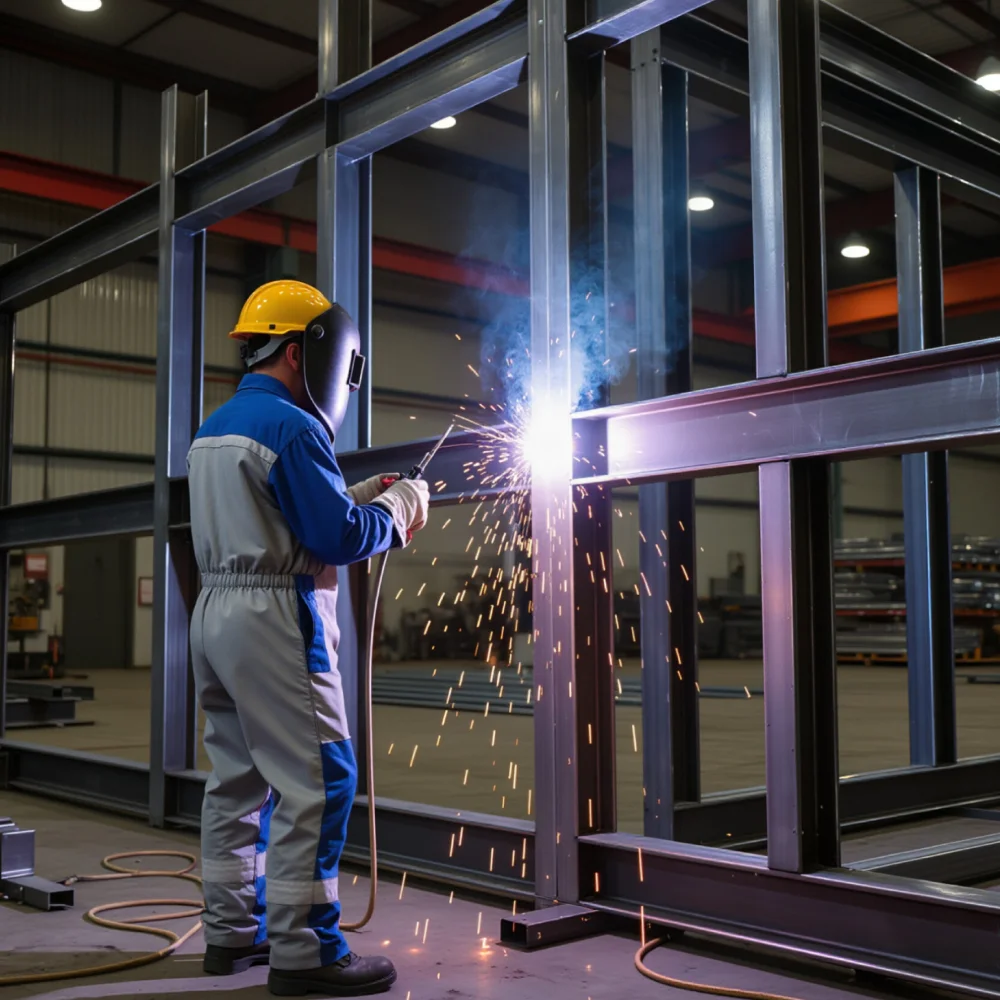
Some tasks expose workers to harmful light sources, including ultraviolet (UV), infrared (IR), or intense visible light. Welding, cutting, and work performed in high-glare environments can strain or damage the eyes. Identifying light-related hazards ensures appropriate protection is considered for tasks involving radiation or excessive brightness.
Step 2 – Define Job Tasks and Exposure Levels
Matching Safety Glasses to Specific Tasks
Different tasks require different protective features. For example, grinding or cutting metal needs high-impact lenses and robust frames, while chemical handling demands sealed or gasketed designs. Electrical work may require non-conductive frame materials to reduce shock risk.
Differentiating Between Occasional and Continuous Exposure
Workers exposed to hazards only occasionally may benefit from lightweight, easily removable glasses. For continuous exposure during long shifts, prioritize ergonomic designs with breathable frames and durable coatings to enhance comfort and protection throughout the day.
Step 3 – Choose the Right Lens Type and Material
Selecting Lenses Based on Durability and Clarity
Polycarbonate lenses offer excellent impact resistance and UV protection but scratch more easily unless coated. Glass lenses resist scratching but are heavier and can shatter on impact, limiting their use in many industrial settings. Acrylic lenses provide good optical clarity but generally have lower impact resistance. Choose lens materials that balance durability with task requirements.
Considering Visibility Needs for Precision Tasks
Tasks requiring fine visual detail demand lenses with low optical distortion, which relates to high Abbe values (a measure of chromatic aberration). Anti-reflective coatings reduce glare and improve contrast, enhancing worker accuracy. Photochromic lenses, which adjust to changing light, may be useful but often react too slowly for indoor work environments.
Step 4 – Select Appropriate Frame Design and Coverage
Determining the Need for Side Protection
Side shields, fixed or removable, offer protection from lateral hazards. Wraparound frames reduce gaps and improve peripheral coverage, which is crucial in dynamic or fast-moving workplaces.
Choosing Between Standard, Wraparound, or Sealed Designs
Standard frames are suitable for low-risk environments with minimal flying debris. Wraparound frames are recommended for moderate risks and provide better coverage without sacrificing comfort. Sealed goggles or glasses with ventilation barriers are essential in environments with chemical splashes, fine dust, or biohazards to prevent entry of harmful substances.
Step 5 – Ensure Proper Fit and Comfort
Importance of Adjustability for Different Face Shapes
Adjustable nose pads, temple arms, and flexible hinges help achieve a secure, comfortable fit across diverse face shapes. Proper fit reduces slippage and minimizes gaps, enhancing protection.
Reducing Discomfort During Long Work Shifts
Choose lightweight materials like nylon or TR90 polymers, and designs that promote airflow to reduce heat and sweat buildup. Hypoallergenic components reduce skin irritation, which improves user compliance.
Step 6 – Confirm Compatibility with Other PPE
Using Safety Glasses Alongside Helmets and Respirators
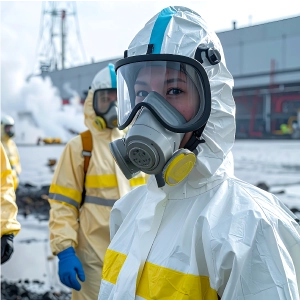
Ensure safety glasses do not interfere with helmets, face shields, or respirators. Check for sufficient clearance and secure fit when combined with other equipment.
Avoiding Gaps or Interference Between PPE Items
Test PPE combinations to prevent gaps that could allow contaminants in. Address issues like fogging caused by poor airflow or pressure points from overlapping gear. Consider modular PPE designed for multi-equipment compatibility. If you’re also interested in protecting your head on the job, don’t miss our guide on Which Hard Hat is Right for You? Discover the Top 5 Types for Industrial Workers.
Additional Considerations
Prescription Safety Glasses
Many workers need vision corrections. Prescription safety glasses are available with all protective features. Ensure they meet impact standards and fit properly with other PPE.
Maintenance, Cleaning, and Replacement
Establish clear protocols for cleaning safety glasses to maintain visibility and hygiene, especially in chemical or dusty settings. Inspect eyewear regularly for scratches, cracks, or degraded coatings, and replace them as necessary to maintain protection.
Training and Fit Testing
Providing workers with proper training on the correct use, adjustment, and care of safety glasses is essential for effective eye protection. Employees should understand when eye protection is required, how to wear it correctly, and how to recognize signs of damage or wear that could compromise protection. Training also reinforces the importance of consistent use, helping prevent unsafe shortcuts during routine tasks.
Selecting the right safety glasses requires a structured approach that begins with understanding workplace hazards and is supported by proper employee training. When workers know how and why to use eye protection correctly, organizations reduce the risk of eye injuries, strengthen safety compliance, and promote a safer, more productive work environment.
Conclusion:
Choosing the right safety glasses is essential to protect workers from eye injuries and maintain productivity. A careful assessment of workplace hazards, environmental conditions, and worker comfort ensures effective protection. Proper fit and compatibility with other PPE encourage consistent use, while ongoing maintenance preserves performance.
Employers who take a thoughtful, comprehensive approach reduce risks and support a safer work environment. For those looking to deepen their understanding of protective equipment, the OSHA Personal Protective Equipment (PPE) Training course offers practical guidance on selecting and using PPE effectively.
Invest in safety glasses that truly fit your workplace needs and protect your team’s vision every day.
Frequently Asked Questions
No. Regular eyeglasses are not designed for impact protection or workplace hazards. Prescription glasses may improve vision, but they lack the strength and coverage required for industrial protection. There are prescription safety glasses specifically manufactured to combine corrective lenses with impact-resistant protection.
Safety glasses should be replaced whenever they show signs of damage, such as scratches, cracks, loose hinges, or worn coatings, because even minor wear weakens impact resistance and visibility. Daily inspection and prompt replacement help ensure continuous protection.
Safety eyewear today comes in many specialized forms, including:
- Tinted lenses for glare or outdoor use
- Polarized lenses for bright environments
- Anti-fog glasses for humid conditions
- Bifocal or reading safety glasses for workers who need vision correction and protection at the same time
Safety glasses protect against impact and some particles but do not fully seal around the eyes. Goggles provide a tighter seal and better protection against fine dust, liquids, and chemical mists. Understanding when goggles are needed, such as in heavy dust or splash environments, improves overall eye safety.
Yes. Photochromic or transition lenses darken in sunlight and lighten indoors, supporting workers who move between bright outdoor and indoor settings. While helpful for comfort, they may not respond quickly enough in all work environments unless specifically designed for rapid light changes.