English and
 Español. After purchase, use the language toggle in your course Player to switch between English and Spanish at any time.

 EN
EN ES
ES



























































































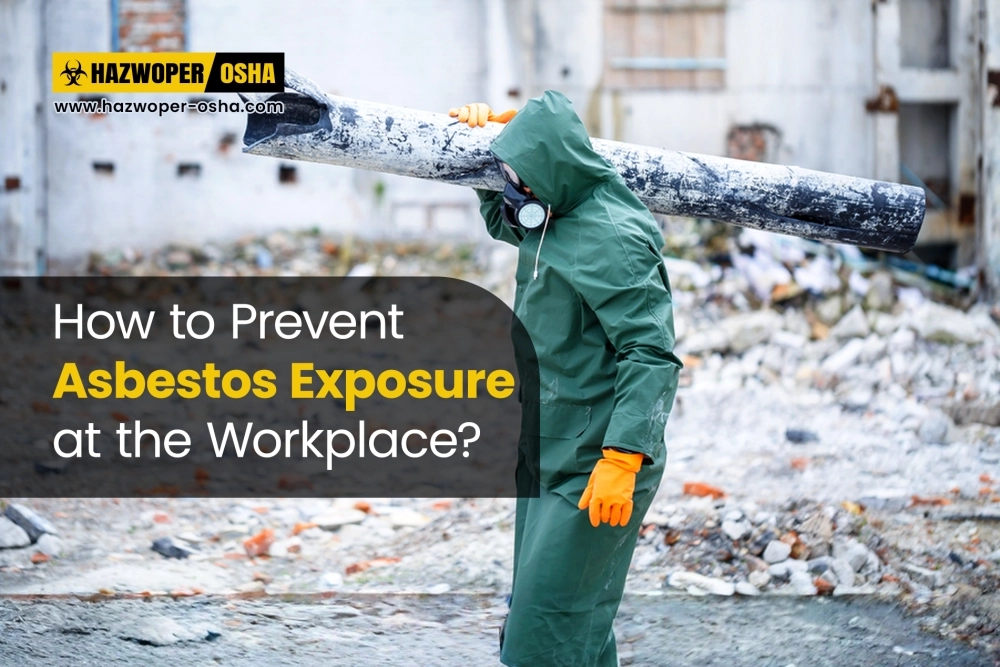
How to Prevent Asbestos Exposure at Workplace?
Introduction:
Asbestos exposure remains a workplace risk, not because it is new, but because it is often hidden in plain sight. Many buildings, systems, and materials still in use today were installed, when asbestos was widely used for insulation, fire resistance, and durability. For employers, the risk does not come from asbestos existing on-site alone, but from routine work activities that unknowingly disturb it.
Preventing asbestos exposure requires more than general awareness or reactive measures. It depends on understanding where asbestos may be present, how exposure can occur, and which decisions are made during maintenance, repair, or renovation that increase risk. Assuming materials are “safe unless damaged” or that exposure only affects specialized trades can create a false sense of security and delay the implementation of necessary controls.
This article focuses on prevention from an employer’s perspective. It does not treat asbestos as a single, uniform hazard or imply that all situations carry the same level of risk. Instead, it breaks prevention into practical steps: identification, assessment, work planning, control, and ongoing management, so exposure risks are addressed before workers come into contact with airborne fibers.
Why Asbestos Exposure Is Still a Workplace Risk?
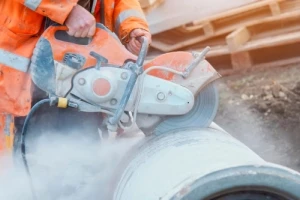
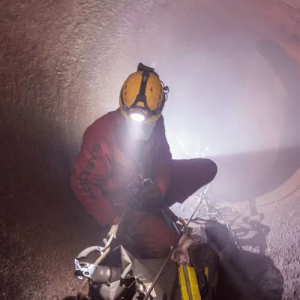
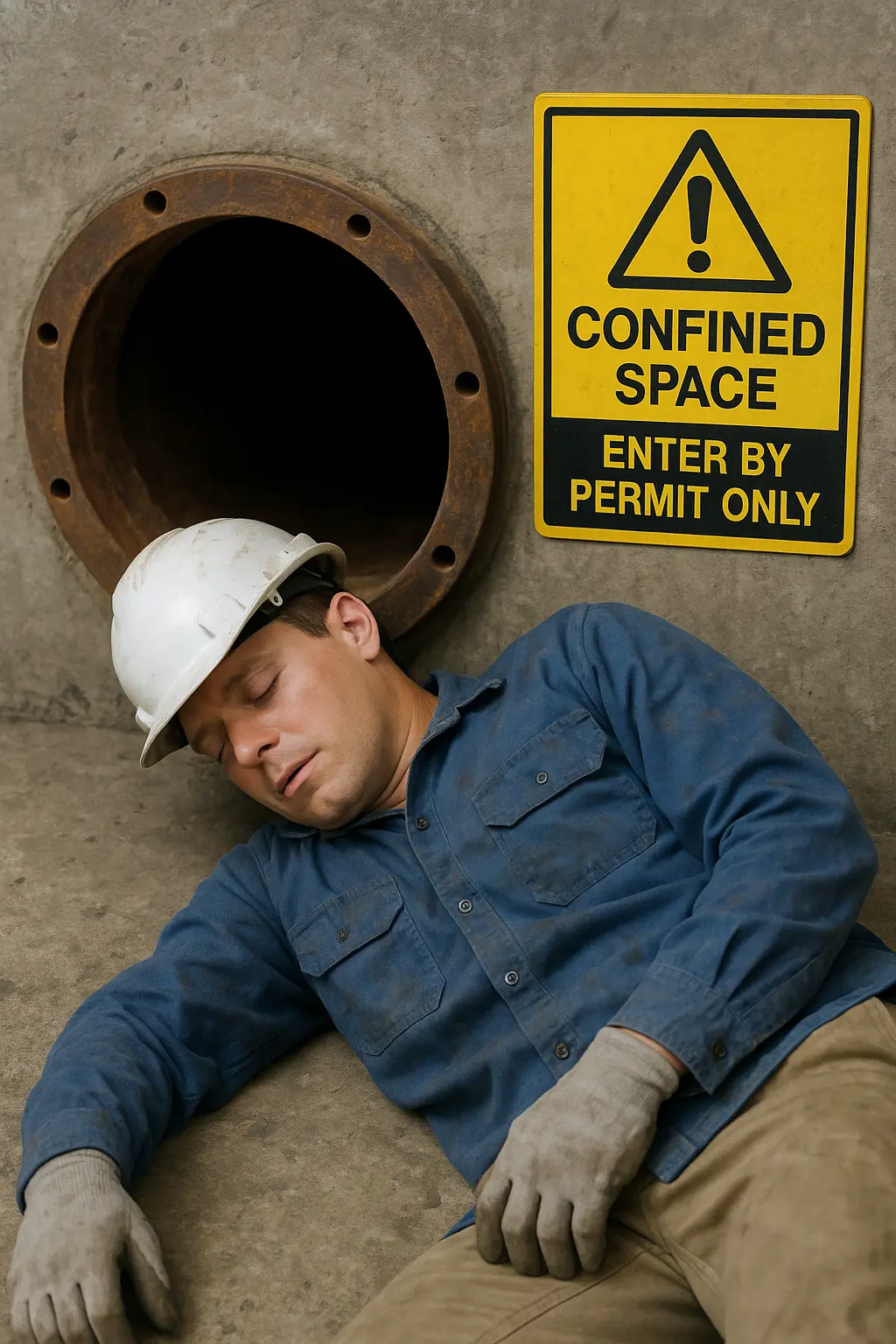
Asbestos exposure remains a workplace risk primarily because asbestos-containing materials (ACMs) are still embedded in many older buildings, structures, and pieces of equipment. These materials were widely used for insulation, fireproofing, flooring, roofing, and mechanical systems, and many remain in place decades after their installation. The risk is not tied to the mere presence of asbestos, but to how easily fibers can be released. As ACMs age, deteriorate, or become damaged, they are more likely to shed fibers into the air especially when materials become friable, meaning they can be crumbled by hand pressure. Environmental factors such as vibration, moisture, heat, and general wear can accelerate this degradation over time. Routine workplace activities significantly contribute to exposure risk. Tasks like drilling, cutting, sanding, demolition, equipment servicing, or accessing confined or hidden spaces can disturb ACMs and release microscopic asbestos fibers. These fibers are lightweight, remain airborne for long periods, and are easily inhaled without immediate detection. Another major risk factor is the hidden or unknown nature of asbestos. ACMs are often concealed behind walls, above ceilings, inside pipe insulation, or within mechanical systems. When asbestos is assumed absent rather than confirmed, routine work may unintentionally disturb materials that workers did not know contained asbestos. Because asbestos fibers are invisible and exposure does not cause immediate symptoms, risk is often underestimated. This combination of aging materials, routine disturbances, concealed locations, and delayed health effects is what makes asbestos exposure an ongoing and persistent workplace hazard even in modern work environments.
Understand How Dangerous Asbestos Exposure Is to Human Health
Asbestos poses serious health risks because microscopic fibers released into the air during disturbance can be inhaled and remain in the body for years. All major health agencies classify asbestos as a known human carcinogen capable of causing cancer and chronic lung disease.
When inhaled, asbestos fibers can embed deep in lung tissue and the membranes lining the chest and abdomen. Over many years, this can lead to inflammation, scarring, and cellular damage that may evolve into disease.
Major health outcomes associated with asbestos exposure include:
- Asbestosis: A chronic lung scarring disease that reduces lung elasticity and breathing capacity. Symptoms typically appear decades after repeated high‑level exposure.
- Mesothelioma: A rare but aggressive cancer of the lining of the lungs, abdomen, or heart. This disease often develops 20–40+ years after exposure.
- Lung and other cancers: Asbestos increases the risk of lung cancer and cancers of the larynx and ovaries; risks are higher for workers who smoke.
- Pleural disorders: Non‑cancerous conditions affecting the lung linings, such as plaques and effusions, which indicate exposure and may affect lung function.
These diseases do not develop immediately after exposure. They typically have long latency periods, meaning symptoms may not appear for many years or decades.
Risk increases with higher intensity and duration of exposure, but no level of exposure can be assumed completely risk‑free when fibers are airborne.
For employers, understanding these health risks underscores the importance of identifying, controlling, and preventing asbestos exposure before work begins. Monitoring, proper work planning, and protective measures are critical to minimizing long‑term health impact.
How to Prevent Asbestos Exposure at the Workplace?
Preventing asbestos exposure is about proactive management rather than luck. Asbestos‑containing materials (ACMs) are hard to recognize by sight alone and can release harmful fibers when disturbed. A structured approach, identifying where asbestos may exist, assessing risks, planning work, controlling fiber release, training employees, and maintaining ongoing management, is essential for minimizing danger during workplace activities.
Step 1: Identify Where Asbestos May Be Present
Start by reviewing the building’s history, materials, and documentation to find where asbestos might exist. Older facilities, particularly those built before widespread asbestos bans, are more likely to contain ACMs.
- Review building age, materials, and past renovation records. Historical construction and renovation logs often reveal asbestos use in insulation, flooring, roofing, and pipe systems. If documentation is missing or incomplete, assume suspect materials may contain asbestos until proven otherwise.
- Focus on insulation, flooring, roofing, and pipe systems. These areas frequently use asbestos for heat resistance and durability, especially in older buildings. Typical ACMs include pipe insulation, ceiling tiles, floor tiles, and spray‑on fireproofing.
- Treat unknown materials as potential asbestos until confirmed. Because asbestos cannot be identified visually, materials with unclear composition should be managed cautiously until analyzed by qualified professionals.
Step 2: Assess Asbestos Risks Before Work Begins
Once potential ACMs are identified, determine how likely they are to release fibers during work tasks.
- Hire an asbestos surveys in areas where work is planned. Engage a competent asbestos surveyor to assess areas where work is planned. The surveyor should be qualified to inspect the workplace and identify asbestos-containing materials present in the area.
- Distinguish between intact materials and those likely to be disturbed. Include material condition scoring and priority ranking as part of the survey results. These scores indicate the likelihood of fiber release and help prioritize which materials require attention based on condition and planned work.
- Decide appropriate work actions based on assessment findings. The survey and risk assessment guide, decision‑making on whether work can proceed as planned, requires specialized methods, or needs licensed remediation.
Step 3: Plan Work Based on Asbestos Risk and Work Permit Authorization
When planning work that may affect known or suspected ACMs, the focus must be on how the work will be done and authorized, not just when it is completed.
- Use non‑invasive methods to avoid disturbing ACMs. Where possible, choose fixing or installation techniques that do not require drilling, cutting, sanding, or breaking into building fabric. For example, use clamps, adhesive fittings, or surface‑mount systems instead of invasive drilling that could release asbestos fibers.
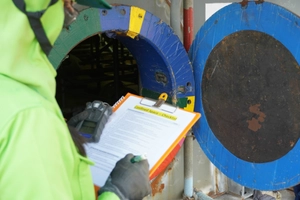
- Establish and enforce a formal work permit system. In professional settings, work that could encounter ACMs should only begin once a Permit to Work has been issued. The permit authorizes the task, confirms that asbestos information and assessment data have been reviewed, and documents any required control measures and conditions for carrying out the job. A structured permit process reduces the risk of accidental disturbance and ensures accountability.
- Plan to minimize disturbance, not merely schedule around busy periods. Asbestos fibers can remain airborne or settle into dust for long periods; timing work “outside peak hours” does not eliminate the risk of fiber release. Effective planning involves sequencing tasks and methods to avoid ACM disturbance altogether when feasible, recognizing that fiber suspension persists beyond the work period.
Step 4: Control Fiber Release During Necessary Work
When work must involve areas with asbestos, apply proven control methods to prevent fibers from becoming airborne.
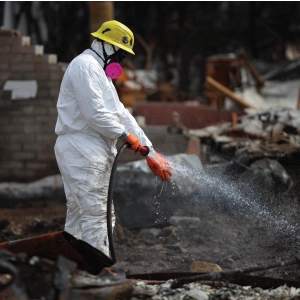
- Use wet methods and targeted ventilation systems. Applying water or a wetting agent to asbestos‑containing materials suppresses dust and keeps fibers from becoming airborne, because moisture causes fibers to clump and settle rather than float. In addition, local exhaust ventilation equipped with HEPA‑filtered dust collection can be used at the point of disturbance to capture airborne fibers before they spread. These systems draw contaminated air away from the worker’s breathing zone and filter it through high‑efficiency particulate air (HEPA) filters before exhausting it safely or passing it through a capture device.
- Isolate work areas using barriers, containment, and negative pressure systems. Establish physical barriers around the regulated work zone to prevent asbestos fibers from spreading to other spaces. For more intensive disturbance or removal work, use negative‑pressure enclosures in which air is continuously drawn into the containment and exhausted through HEPA filtration, keeping airborne fibers from escaping the zone. Within and at the perimeter of the work area, conduct air monitoring to verify that contaminants remain contained and that fiber levels outside the containment stay at or near background levels. This combination of containment and monitoring helps ensure that fibers do not migrate beyond the work area.
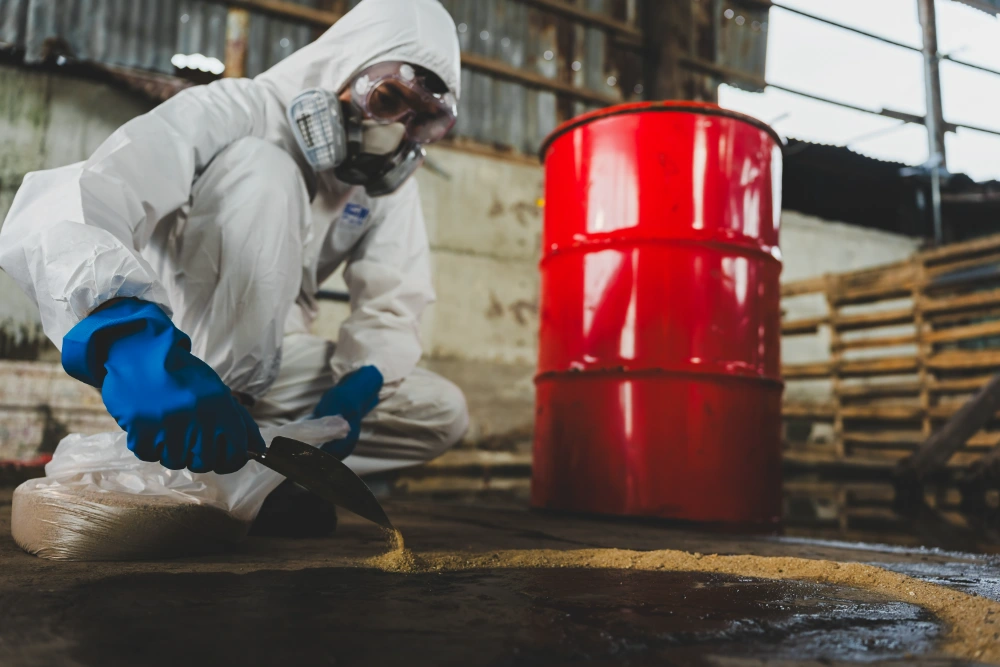
- Handle asbestos waste to prevent secondary contamination. Seal and label waste containers clearly as asbestos. Keep documented records tracking waste from collection to final disposal. Always use licensed haulers and disposal facilities to avoid regulatory violations and penalties.
Step 5: Equip and Train Employees Appropriately
People are the last line of defense; they must understand both the risk and how to protect themselves.
- Provide asbestos awareness training for affected roles. Workers should know where ACMs may be found, how disturbance can occur, and what controls are in place.
- Ensure workers understand exposure routes and warning signs. Training should cover how fibers travel, how exposure happens, and when to stop work if ACMs are encountered unexpectedly.
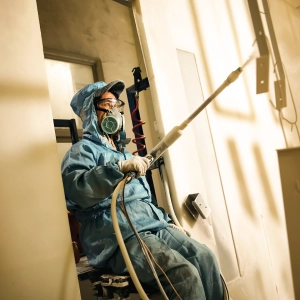
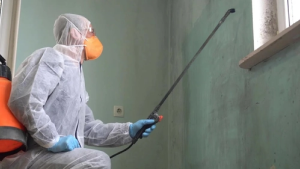
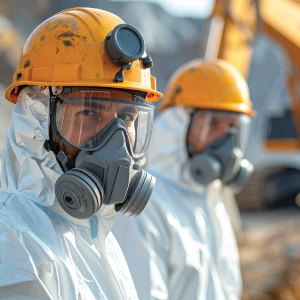
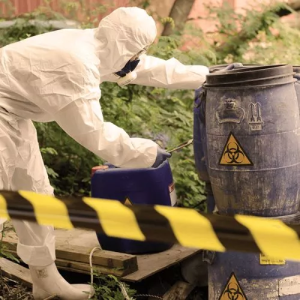
- Supply suitable personal protective equipment when required. PPE, such as respirators with appropriate filters and disposable coveralls, helps reduce individual exposure when controls alone cannot eliminate risk.
Step 6: Maintain Ongoing Asbestos Management Practices
Asbestos risk is not a one‑time task; it must be managed over time.
- Keep asbestos records updated and accessible. An asbestos register detailing where ACMs are located, their condition, and any changes over time should be maintained and accessible to relevant workers.
- Inform contractors and maintenance teams before work starts. All external personnel must be aware of ACM locations and applicable precautions before beginning work that could disturb materials.
- Review control measures after repairs, incidents, or site changes. Regularly revisit risk assessments and management plans whenever conditions change or planned work could affect ACMs.
Conclusion:
Workplace asbestos exposure remains a serious and preventable health hazard. Inhaling microscopic asbestos fibers can lead to debilitating diseases. These risks persist because many older buildings and systems still contain asbestos‑containing materials that can release fibers when disturbed during routine work.
For employers, education and preparedness are essential. Providing workers with appropriate awareness and safety skills helps ensure they recognize hazards and take correct protective actions. Courses such as OSHA Personal Protective Equipment (PPE) Training build the knowledge foundation needed to minimize exposure risks and protect worker health over the long term.
Asbestos hazard management should not be treated as a one‑time task. Employers must keep records up‑to‑date, communicate risks clearly to all workers and contractors, and revisit control measures when work scope changes. In practice, integrating these actions into daily safety planning creates a workplace culture where asbestos hazards are identified, controlled, and communicated proactively, not left to chance.
Frequently Asked Questions
A one‑time, brief exposure is very unlikely to cause disease on its own, because asbestos‑related illnesses typically develop after repeated or prolonged exposures over years. However, any disturbance of asbestos without controls should still be taken seriously, documented, and discussed with medical professionals.
Workers in maintenance, construction, refurbishment, demolition, and industrial trades are most likely to encounter asbestos, especially in buildings constructed before widespread asbestos bans. Risk increases when work disturbs ACMs.
No. Asbestos itself is not harmful when it is intact and undisturbed. It only becomes a health hazard when fibers are released into the air and inhaled.
Yes, asbestos fibers can travel home on contaminated clothing or equipment, posing a risk to family members unless proper decontamination procedures are followed.
Immediately stop work, notify supervision, and avoid disturbing the material further. A professional assessment should confirm whether asbestos is present and what protective actions are necessary.