English and
 Español. After purchase, use the language toggle in your course Player to switch between English and Spanish at any time.

 EN
EN ES
ES






































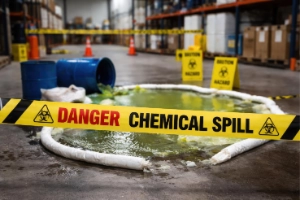
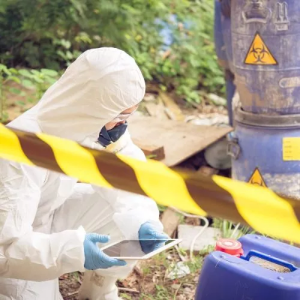
































































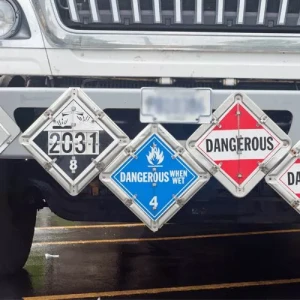
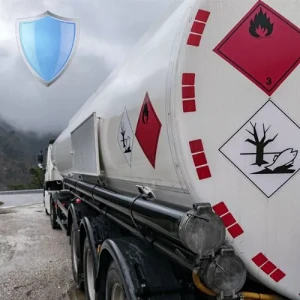
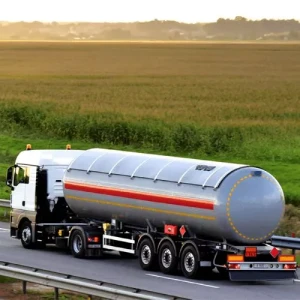








How to Prepare Your Team for a HAZMAT Emergency on the Road?
Introduction:
Transporting hazardous materials always carries risk, but the real danger emerges when an incident happens on the road, and your team is not ready to respond. A single collision, leaking container, or equipment failure can quickly escalate into injuries, property damage, shipment loss, and environmental contamination. For employers, these incidents are not just operational disruptions. They are direct tests of preparedness.
Many HAZMAT emergencies worsen not because of the material itself, but because roles are unclear, response steps are delayed, or drivers lack practical guidance in high-pressure situations. When teams hesitate or act inconsistently, exposure increases, and control is lost. Preparation, in this context, is not about reacting faster. It is about removing uncertainty before an incident occurs.
Employers play a critical role in shaping, how their teams respond on the road. Clear responsibilities, practical response training, and the right equipment can significantly reduce escalation during a roadside emergency. This article breaks down how employers can prepare their HAZMAT transport teams with actionable steps that support confident decision-making, effective communication, and safer outcomes when incidents occur.
Why Roadside HAZMAT Emergencies Demand Preparation
Roadside hazardous materials (HAZMAT) emergencies are uniquely challenging and require deliberate preparation from employers. Unlike incidents inside controlled facilities, emergencies on the road occur in unpredictable, dynamic environments. This makes a quick, coordinated response essential to prevent escalation and protect people, property, and the environment.
Several factors briefly explained below, make roadside HAZMAT incidents specially demanding:
- Uncontrolled Environment: Roads expose incidents to variable weather, heavy traffic, and nearby civilians. These conditions complicate containment efforts and increase the risk of secondary accidents or exposure to hazardous substances.
- Limited Resources: Unlike fixed sites, roadside teams often lack immediate access to specialized emergency equipment, backup personnel, or hazmat response units. For example, drivers may not have containment kits or protective gear readily available, placing greater responsibility on employers to prepare and equip their teams effectively.
- High Stakes of Delay or Confusion: When an incident occurs, hesitation or unclear roles can cause delays in critical response actions. Such delays increase the likelihood of spills spreading, fires igniting, or harmful exposure to the public and first responders. For instance, a driver unsure whether to isolate the scene or wait for instructions can inadvertently worsen the situation.
- Public & Environmental Safety: Roadside incidents often occur in close proximity to moving traffic, pedestrians, and the surrounding environment. This increases the risk of secondary accidents, injuries to bystanders, and environmental contamination if hazards are not quickly and properly controlled.
- Legal, Financial & Reputational Liability: Ineffective or inconsistent incident response can expose employers to significant legal liability, regulatory penalties, financial losses, and reputational damage if injuries, fatalities, or environmental harm occur as a result of poor safety management.
- Operational Disruption and Business Impact: For employers, the impact of a roadside HAZMAT emergency extends far beyond the immediate incident. Injuries to drivers or the public, damage to vehicles and cargo, and delivery schedule disruptions can quickly strain operations. Even seemingly minor leaks or collisions can escalate into extended downtime when teams are unsure how to assess the situation, communicate internally, or secure the area effectively. As uncertainty persists, exposure increases, amplifying operational disruption, recovery costs, and overall business risk.
What are the Most Common HAZMAT Road Emergencies?
Recognizing the most frequent roadside HAZMAT emergencies helps employers tailor training and response plans that save lives and limit damage. These incidents often overlap, making preparation for combined risks essential.
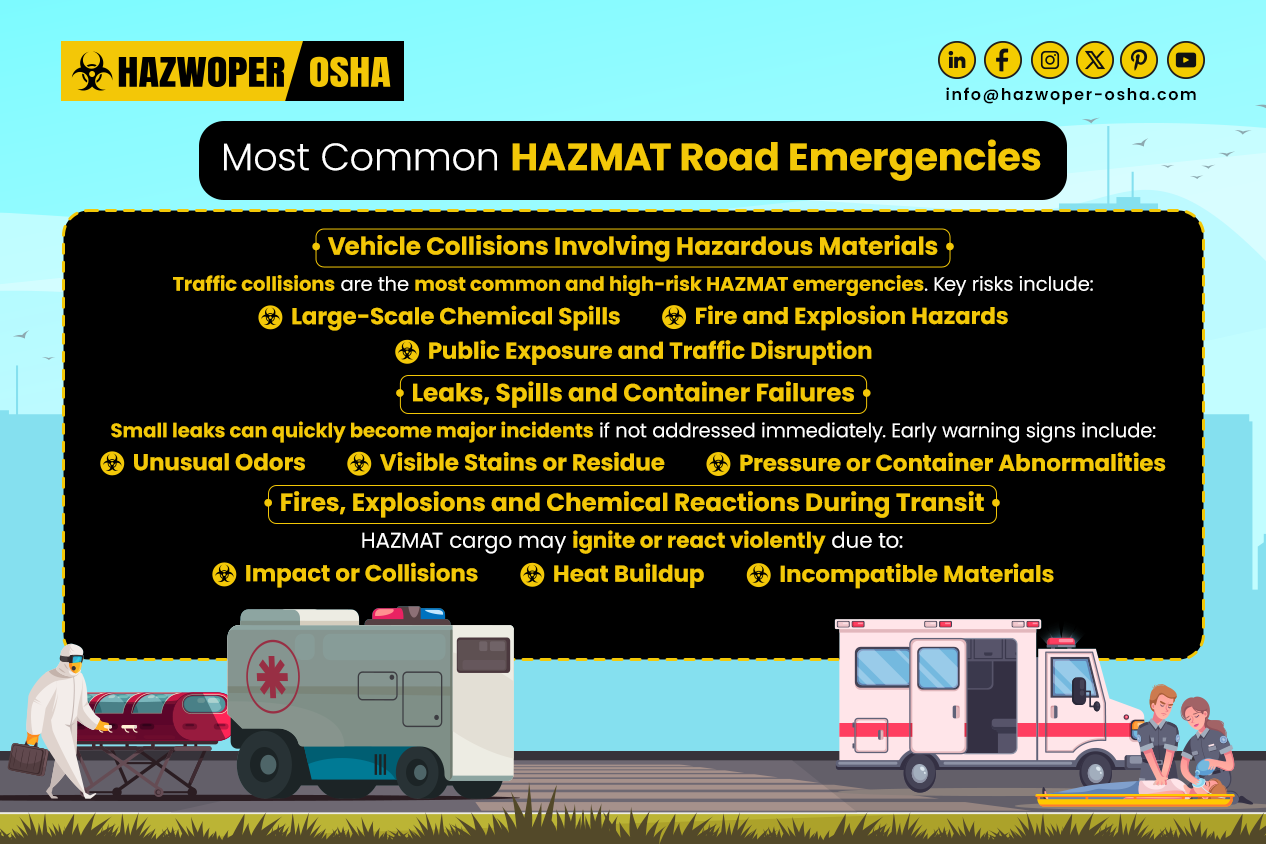
Vehicle Collisions Involving Hazardous Materials
Collisions are the most common and dangerous incidents. For example, in Medina County, Ohio, a tanker truck carrying thousands of gallons of ethanol jack-knifed and crashed on Interstate 271, spilling an estimated 4,000 gallons of ethanol onto the roadway and median. The spill required a significant emergency response to contain the hazardous material and manage traffic disruption. In such situations, a driver might need to quickly decide whether to evacuate the area, secure the scene, or initiate containment efforts. Employers should train drivers on emergency scene management, hazard assessment, and the thresholds for when to call specialized responders to help ensure public safety and minimize escalation risk. Employers should train drivers on emergency scene management, hazard assessment, and when to call specialized responders.
Leaks, Spills, and Container Failures
Small leaks or container failures may start unnoticed but can rapidly cause toxic exposure or environmental damage. Drivers must know how to spot early signs, such as unusual odors or stains, and use proper containment kits if available. Employers should ensure teams follow clear reporting and containment protocols to reduce harm and operational delays. A stark example occurred inDecember 2024, when a tanker transporting concentrated sodium hydroxide (caustic soda) began leaking while traveling along the Purwakarta–Padalarang road in West Bandung Regency, Indonesia. The driver continued driving for several kilometers, allowing approximately 20 tonnes of hazardous chemicals to spill over an 8-kilometer stretch of roadway. The delay resulted in injuries to more than 100 people, including severe chemical burns, and damaged over 1,000 vehiclesdue to corrosion and vapor exposure.
This incident highlights how delayed recognition and response can dramatically amplify harm. Employers should ensure drivers are trained to stop immediately at the first sign of a leak, follow reporting protocols, and use containment measures when available to reduce exposure, environmental damage, and operational downtime.
Fires, Explosions, and Chemical Reactions During Transit
Hazmat materials can ignite or react violently due to impact, heat, or incompatible substances. Warning signs like smoke, unusual sounds, or heat build-up require immediate action. Drivers must be trained to evacuate safely and communicate clearly. Employers should emphasize strict adherence to emergency procedures and coordination with emergency services.
How to Clarify Roles and Responsibilities for Effective HAZMAT Response
Clear definition of roles and responsibilities before a HAZMAT emergency is critical for a swift and organized response. Employers must designate decision-making authority often assigning drivers to manage immediate on-site actions while safety officers or management handle broader strategic decisions. This clarity prevents hesitation and conflicting orders during high-pressure situations.
Drivers should be trained as first responders to assess hazards, secure the scene if safe, initiate emergency notifications, and use available containment tools like spill kits. Meanwhile, support teams, including dispatch, safety personnel, and management, coordinate resource deployment, communicate with external responders, and oversee regulatory compliance and post-incident reviews. Establishing clear communication protocols, designated contacts, and escalation paths in advance ensures seamless coordination and accountability throughout the response.
What Your Team Should Know for Practical Emergency Response
Effective training prepares your team to respond confidently and correctly during roadside HAZMAT emergencies. Practical instruction focused on early hazard recognition and immediate response steps can significantly reduce risks and damage.
Recognizing Warning Signs and Early Hazard Indicators
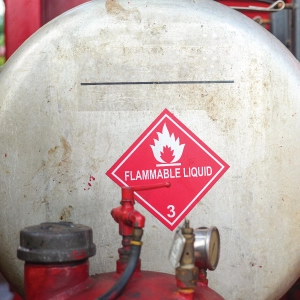
Training should help drivers and support staff identify specific warning signs, such as unusual chemical odors, visible leaks or stains on containers, damaged packaging, smoke or vapor clouds, and discoloration of surrounding materials. Early recognition allows teams to quickly assess risks and take necessary precautions before situations escalate.
Immediate Actions to Reduce Exposure and Escalation
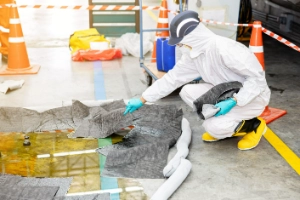
Once hazards are identified, teams must respond swiftly to contain risks and protect themselves and others. Immediate actions include evacuating the area if necessary, setting up warning devices like cones or flares to secure the scene, and using available spill containment materials such as absorbent pads or booms. Promptly communicating with dispatch and emergency responders following established protocols ensures coordinated assistance and faster resolution.
Regular drills and refresher training help maintain readiness and ensure these response steps become second nature during high-pressure situations.
Proper training turns uncertainty into confidence, enabling your team to respond effectively when every second counts. Investing in practical, scenario-based instruction not only safeguards your people and assets but also strengthens overall operational resilience.
Equip Vehicles and Teams for Emergency Readiness
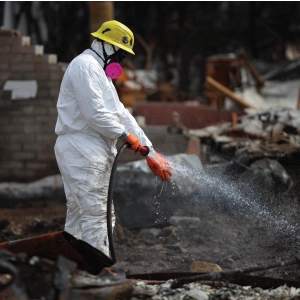
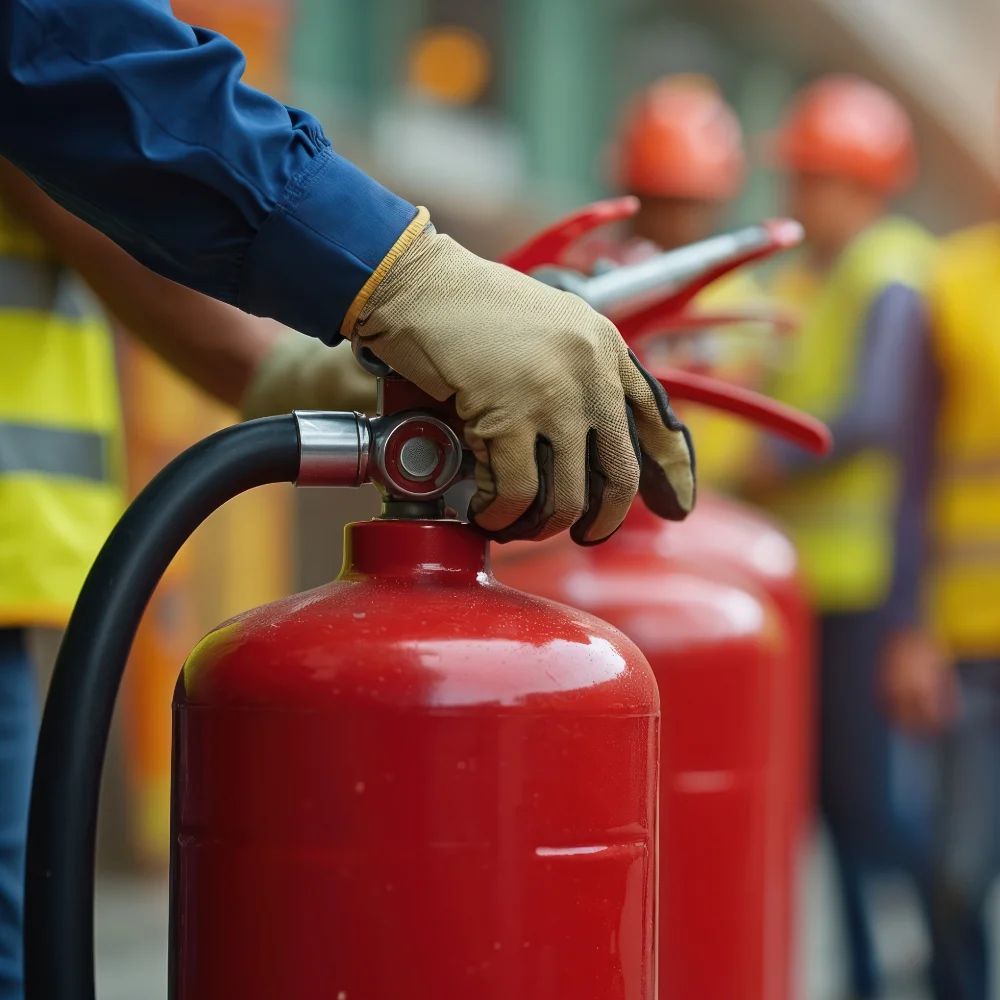
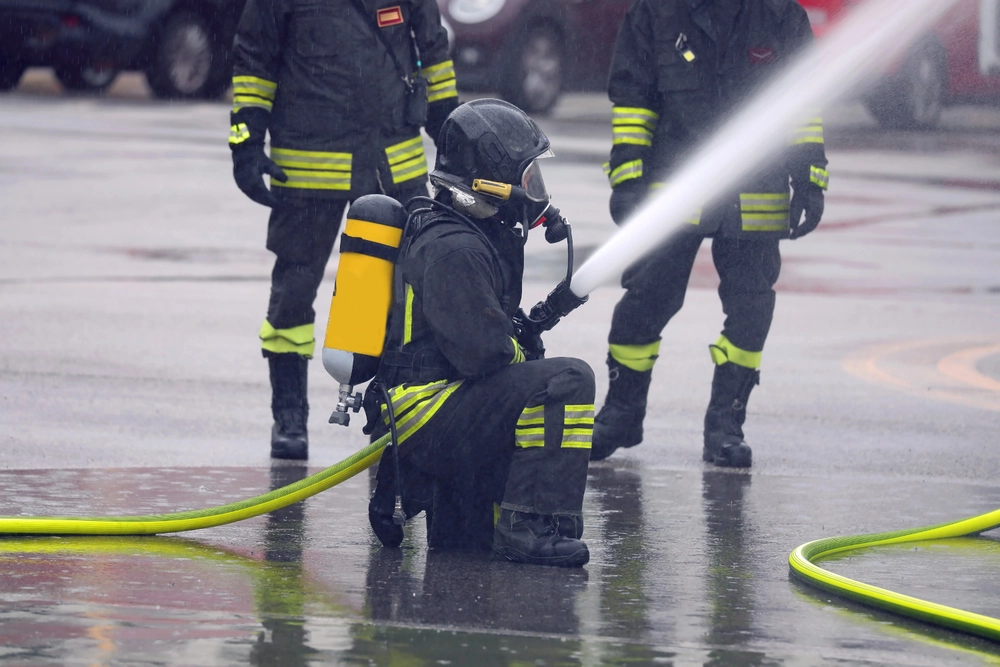
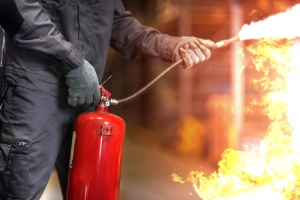
Hazmat transport vehicles must be fully outfitted with essential emergency response equipment designed to handle a variety of hazardous incident scenarios safely and effectively. This equipment includes spill containment kits, absorbent materials, chemical-resistant gloves and suits, fire extinguishers rated for chemical fires, breathing apparatuses, and reliable communication devices such as radios or emergency alert systems. Each item must comply with regulatory standards and undergo regular inspections to ensure readiness and functionality.
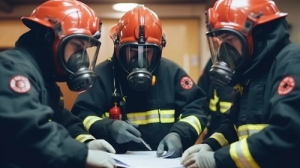
Equally important is comprehensive training for all personnel. Teams need instruction on proper use of personal protective equipment (PPE), safe handling of emergency tools and equipment, and conducting thorough vehicle inspections before and during transport. This combined approach ensures that both vehicles and responders are prepared to act swiftly and safely, minimizing risks to themselves, the environment, and the public in case of spills, leaks, or accidents.
Documentation and Reference Materials Drivers Must Carry
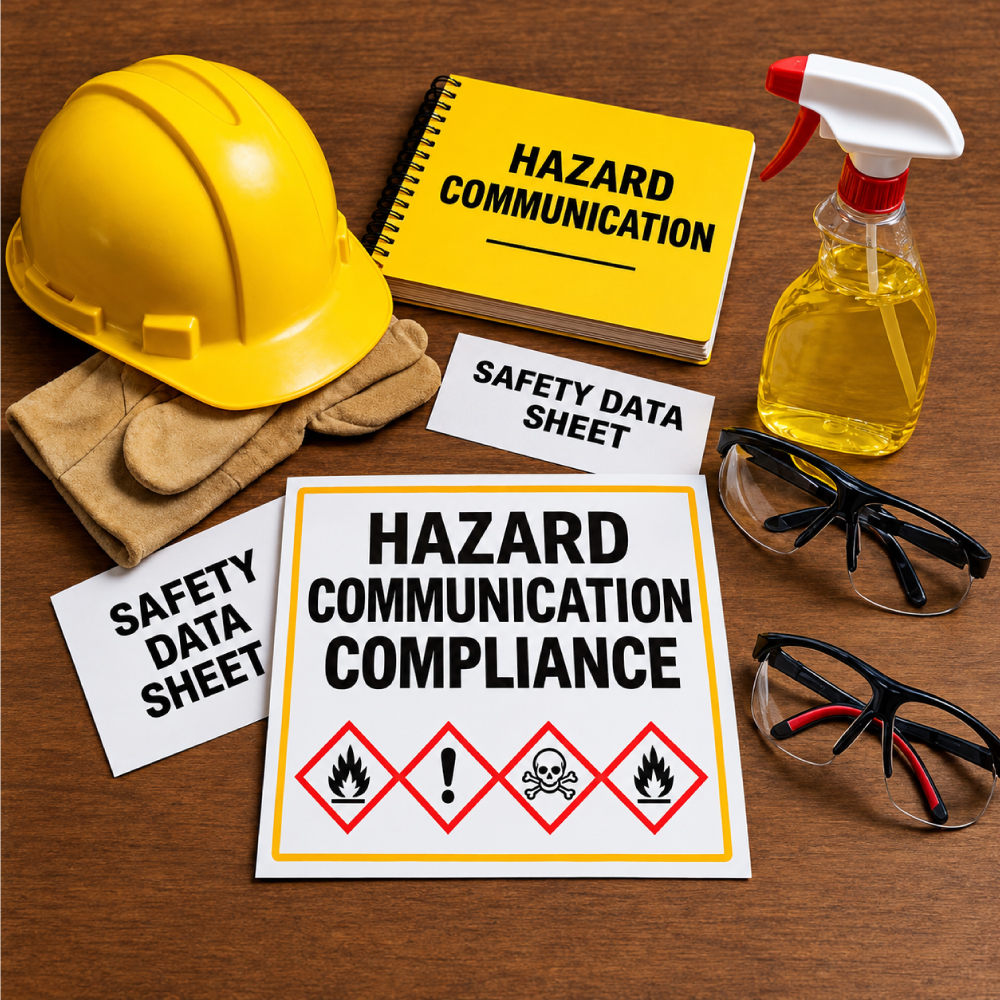
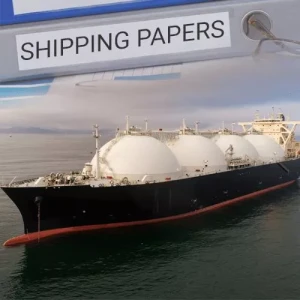
Compliance with hazardous materials regulations mandates that drivers carry essential documentation at all times during transport. This includes shipping papers detailing the contents and hazards of the materials being transported, emergency response guides (ERG), and safety data sheets (SDS) for chemicals on board.
Driver Responsibility:
It is the driver’s responsibility to ensure these documents are accurate, up-to-date, and readily accessible throughout the transport. Drivers must be trained to understand the significance of each document, how to interpret the information, and the proper procedures for presenting these materials to emergency responders when needed.
Recommended Training:
HAZMAT and hazardous materials safety training programs provide drivers with the knowledge required to manage these documents effectively. Such training typically covers documentation protocols, emergency response procedures, and regulatory compliance requirements. This ensures drivers can confidently handle documentation under normal conditions and in emergency situations, supporting safe and compliant transport of hazardous materials.
Conclusion:
Preparing your team for roadside HAZMAT emergencies isn’t just about compliance it’s about protecting lives, preserving your company’s reputation, and minimizing costly disruptions. When employers invest in clear roles, practical training, and the right equipment, they build a culture of confidence and readiness that turns potential disasters into manageable incidents. The difference between chaos and control often comes down to how well your team is prepared before the first warning sign appears. Take action today because safety is the strongest asset your business can have on the road.
Frequently Asked Questions
Drivers should first identify warning signs of danger (such as leaks, unusual odors, or smoke) and then secure the area by stopping safely away from traffic and placing warning devices (cones or flares) if it is safe to do so. They must notify dispatch and emergency responders right away, following established communication protocols. Prompt action reduces exposure risk and supports faster, coordinated response efforts.
Drivers must carry shipping papers that detail the hazardous materials being transported and emergency response information that describes the material’s hazards, immediate precautions, and how to handle small spills or fires. This information helps first responders assess risks quickly and take appropriate action.
Employers should provide drivers with comprehensive HAZMAT training that focuses on identifying early indicators of hazardous material issues. This training covers recognizing visible leaks, stains, unusual odors, smoke or vapor clouds, and damaged or compromised packaging. By understanding these warning signs, drivers can take immediate precautionary actions to prevent escalation.
In addition to classroom instruction, employers should conduct regular, scenario-based drills and hands-on exercises. These practical sessions simulate real-world situations, helping drivers develop quick decision-making skills and build confidence in identifying and responding to hazards promptly. Such ongoing training ensures drivers remain vigilant and prepared to maintain safety during transport.