English and
 Español. After purchase, use the language toggle in your course Player to switch between English and Spanish at any time.

 EN
EN ES
ES



















































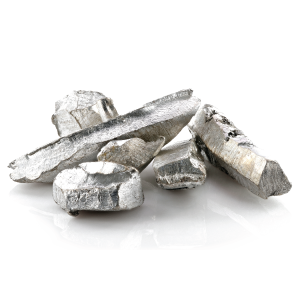
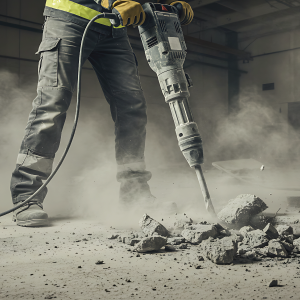





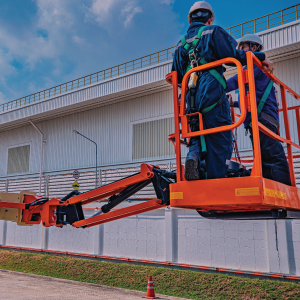


































































How to Minimize Cadmium Risks on Your Worksite?

Introduction:
Cadmium is a toxic metal used in batteries, coatings, electroplating, plastics, and other industrial processes. In occupational settings, workers are primarily exposed when they inhale cadmium dust or fumes generated during machining, welding, grinding, or handling of cadmium-containing materials. Long-term exposure can lead to serious health effects, including lung and kidney disease and cancer. For employers, the real challenge isn’t just recognizing that cadmium is hazardous, it’s evaluating whether your processes generate airborne cadmium at levels that could harm workers and then systematically preventing those exposures. Most effective control strategies begin by identifying where cadmium may be present, assessing exposure potential for specific tasks, and applying a hierarchy of controls: elimination and substitution first, followed by engineering and administrative controls, and using personal protective equipment (PPE) only when other measures aren’t sufficient. This blog will take you through practical steps to prevent cadmium exposure on your worksite, from hazard identification to exposure monitoring and workforce protection, with an emphasis on solutions that lower risk rather than relying on compliance-based assertions.
Why Cadmium is a Major Threat at Workplaces?
Cadmium becomes a workplace hazard when industrial processes generate airborne dust or fumes that workers can inhale. While cadmium is used in batteries, electroplating, coatings, pigments, plastics, and metal alloys, the risk does not come from the material sitting in storage. The risk arises when work activities such as welding cadmium-coated parts, grinding, smelting, machining, or recycling release respirable particles into the air.
1. Inhalation Is the Primary Occupational Risk
In workplace settings, inhalation of cadmium dust or fumes is the dominant exposure route. Fine airborne particles can enter the lungs during routine tasks when engineering controls are inadequate. Ingestion is possible through contaminated hands or surfaces, but it is typically secondary to airborne exposure in industrial environments.
This distinction matters because prevention strategies must focus first on controlling airborne contaminants at the source.
2. Health Effects Are Serious — and Often Irreversible
Cadmium exposure is associated with:
- Kidney damage (especially with long-term exposure)
- Chronic lung disease
- Lung cancer (cadmium is classified as a human carcinogen)
- Acute respiratory effects at high airborne concentrations
Cadmium accumulates in the body over time, particularly in the kidneys. This means repeated exposure, even at moderate levels, can increase long-term health risk if not properly controlled.
A key concern is that cadmium is both odorless and colorless, making it difficult to detect without proper monitoring. Workers may be exposed without realizing it, which is why regular air sampling, biological monitoring, and adherence to occupational exposure limits are critical.
Workplace risk is measured using thresholds defined by OSHA’s cadmium standard:
- Action Level: 2.5 µg/m³ (8-hour time-weighted average) — triggers monitoring and protective measures
- Permissible Exposure Limit (PEL): 5 µg/m³ (8-hour TWA) — requires engineering controls and additional interventions
Not every workplace that uses cadmium automatically creates harmful exposure levels. The hazard becomes significant when airborne concentrations approach or exceed these limits. This framework makes cadmium risk measurable rather than theoretical, underscoring the importance of monitoring.
How to Effectively Control Cadmium Exposure?
Reducing cadmium exposure requires a systematic program that removes or controls sources of cadmium dust and fumes and verifies that controls remain effective over time.
Identify All Sources and Tasks with Cadmium
The first step is to know where cadmium exists on your site and how it can become airborne. Cadmium may be present in raw materials, coatings, plating baths, pigments, batteries, or alloys. Tasks such as grinding, welding, torch cutting, sanding, or machining cadmium-containing materials have high potential to generate respirable dust or fumes.
To identify sources:
- Review Safety Data Sheets (SDS) for all materials and identify cadmium-containing chemicals.
- Talk to process engineers about parts or coatings that may include cadmium.
- Walk the worksite during routine operations and observe where dust or smoke is generated.
Documenting these sources allows targeted controls later in the process.
Eliminate or Substitute Cadmium Where Possible
The most effective way to prevent exposure is to remove the hazard entirely or to replace cadmium with a less toxic alternative. Substitution should be the first choice in the control hierarchy because it reduces risk at the source.
Examples of substitution strategies include:
- Switching to alternative plating materials (zinc or aluminum) instead of cadmium for corrosion resistance.
- Using nickel-metal hydride batteries in place of nickel-cadmium batteries.
- Choosing pigments stabilized with safer compounds in coatings or plastics.
When a viable substitute exists that meets process requirements, eliminating cadmium can greatly simplify exposure control.
Design Engineering Controls for Source Elimination
If cadmium cannot be eliminated, the next priority is to design and install engineering controls that prevent airborne release or capture it at the source. Well-designed controls keep workers out of contaminated air streams.
Key engineering controls include:
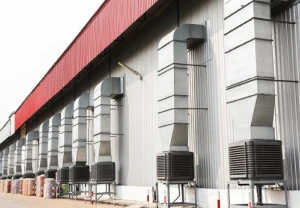
- Source capture systems, such as local exhaust ventilation (hoods, enclosures), are used directly at points of dust/fume generation.
- General ventilation with high-efficiency filtration to reduce background airborne cadmium.
- Task Isolation: High-dust operations, like robotic processes or enclosed booths, should be separated from general work areas. When airborne cadmium levels exceed the Permissible Exposure Limit (PEL), these zones become Regulated Areas, a strict OSHA designation requiring:
- Clear signage indicating the hazard
- Access logs to track who enters
- Mandatory use of appropriate respirators
These measures ensure that workers are protected even in areas with elevated cadmium exposure.
These systems must be designed based on the specific task and periodically maintained to ensure ongoing effectiveness.
Implement Work Practices That Prevent Dust from spreading
Engineering controls work best when paired with disciplined work practice controls that reduce how dust is created and spread.
Effective work practices include:
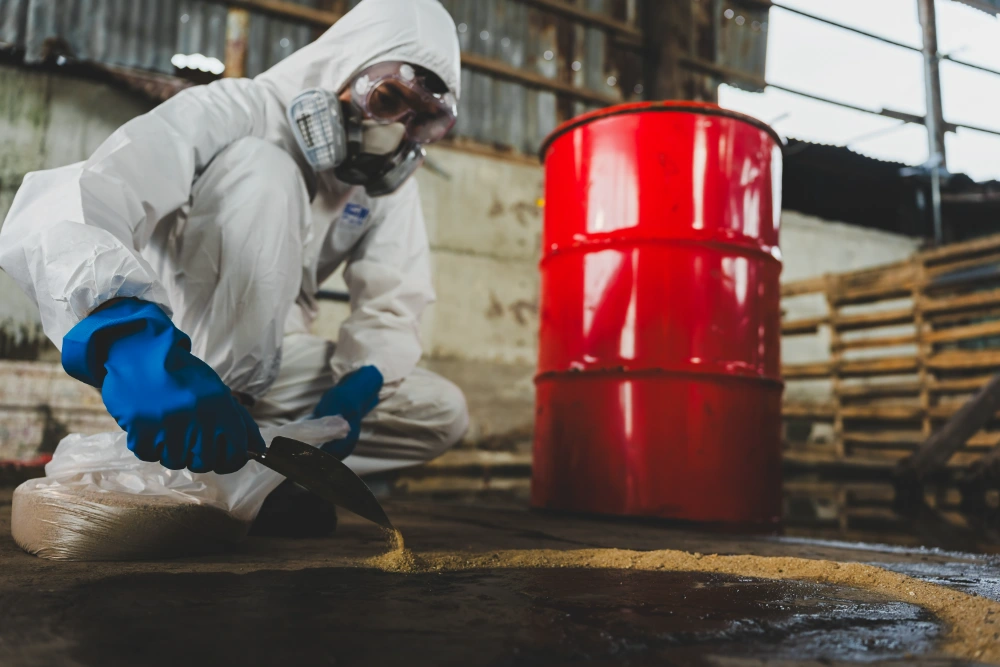
- Cleaning Methods: Use HEPA-filtered vacuums instead of dry sweeping or compressed air to prevent the spread of cadmium dust.
- Hygiene & Eating Restrictions: Restrict eating, drinking, and smoking to designated clean areas, physically separated from cadmium work zones.
- Clothing & Contamination Control: Provide separate storage for street clothes vs. work clothes to prevent cadmium from being carried home.
- Scheduling: Plan high-dust tasks during times when fewer workers are present to minimize exposure.
- Handwashing & Changing Facilities: Ensure workers have access to sinks, showers, and changing rooms so they can remove contaminated clothing and wash thoroughly before leaving the workplace.
- These practices help prevent both direct on-the-job exposure and the unintentional transport of cadmium to workers’ homes.
Attention to these practices prevents secondary exposure and supports engineering controls.
Monitor Exposure Continuously
Ongoing exposure monitoring verifies whether controls are working and helps employers adapt as conditions change. Regular air sampling of breathing zones, typically as 8-hour time-weighted average exposures, determines whether cadmium levels exceed action levels or permissible exposure limits.
Key monitoring steps:
- Conduct initial baseline air monitoring to determine exposure levels for different tasks.
- Perform periodic monitoring at least semi-annually when exposures are at or above action levels.
- Monitor again after changes in raw materials, equipment, procedures, or controls.
- Record results and ensure they represent typical conditions.
Continuous monitoring allows data-driven decision making rather than assumption-based safety.
Health Surveillance and Worker Monitoring
When workers are exposed to cadmium at or above action levels (e.g., 2.5 µg/m³ air), employers should implement a health surveillance program to track potential effects.
A thorough program may include:
- Medical history and physical examinations relevant to the respiratory and renal systems.
- Biological monitoring (e.g., urine or blood cadmium levels) where indicated.
- Periodic evaluations to detect early signs of overexposure and to adjust controls or tasks.
Health surveillance helps verify that exposure controls are effective in protecting worker health and can identify trends that suggest adjustments are needed.
How Do You Equip and Protect Workers With Training and PPE?
Equipping and protecting workers around cadmium means giving them relevant hazard training and the right protective gear when other controls don’t fully eliminate exposure. Both elements help workers understand the risks and how to stay safe on the job.
1. Provide Cadmium-Specific Training
Train workers before they are first assigned to tasks where cadmium exposure is possible and repeat this at least annually. Training makes sure employees know where cadmium is present, how it can expose them, and how controls work.
Your training should cover:
- Health hazards linked to cadmium exposure.
- Where cadmium is used or released at your site.
- Engineering controls and work practices that reduce exposure.
- Steps employees can take to protect themselves (e.g., hygiene, smoking restrictions, safe work practices).
- How and when PPE should be used.
- The purpose of any medical surveillance program.
Make sure the content is easy to understand and relevant to the job tasks workers perform.
2. Use PPE as Last Line of Defense
Personal protective equipment (PPE) should supplement not replace elimination, substitution, and engineering controls.
Typical PPE for cadmium tasks may include:
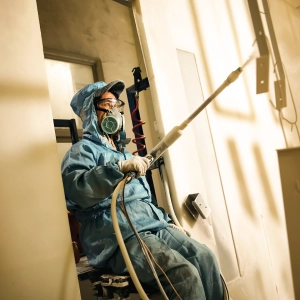
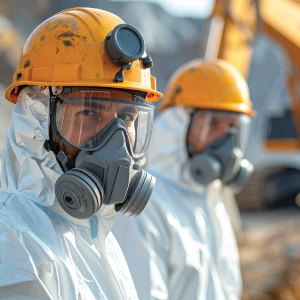
- Respirators: Selected based on exposure assessment, with mandatory fit testing to ensure proper protection.
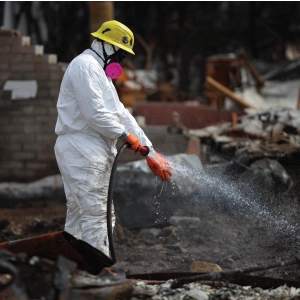
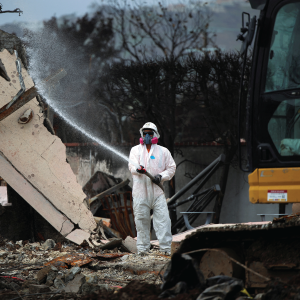
- Protective Clothing: Coveralls, gloves, and head covers to minimize skin contamination. Employers should provide laundry services for contaminated clothing to prevent cross-contamination and taking cadmium home.
- Eye Protection: Required when splashes or airborne particulates are present.
Provide PPE at no cost to employees, ensure it fits properly, and train workers on correct use, limitations, and care.
Conclusion:
Cadmium exposure becomes a real threat only when dust or fumes are released into the air and are not effectively controlled or monitored. By identifying where cadmium exists, eliminating or substituting it where possible, designing effective controls, and verifying those controls with exposure monitoring, you move from guesswork to measurable risk reduction. Training workers on hazards and safe practices, and using appropriate & relevant PPE, keeps people safe and supports the controls you put in place. When employers use a structured approach from hazard identification to ongoing evaluation, they not only reduce the potential for harm but also create a safer, more resilient worksite.
Frequently Asked Questions
Yes, while workplace inhalation exposures are the main concern, the general public can be exposed to cadmium through cigarette smoke, diet (especially grains, vegetables, and shellfish), and air or water near industrial areas. Smoking roughly doubles body cadmium levels compared with non-smokers.
Cadmium accumulates primarily in the kidneys and liver and is eliminated very slowly. Most inhaled or ingested cadmium accumulates in tissues over time rather than being quickly excreted, so even low exposures can lead to buildup.
Cadmium is not easily absorbed through intact skin, so touching cadmium metal or dust is generally not enough alone to cause systemic toxicity. The main harmful routes are inhalation and incidental ingestion via contaminated hands or surfaces.
Acute inhalation of high cadmium levels can cause flu-like symptoms, cough, shortness of breath, or lung irritation, and long-term exposure is linked to lung damage, kidney disease, and bone weakening.
Cadmium and its compounds are classified as human carcinogens. Inhalation of cadmium in air (especially at high occupational exposures) is associated with increased lung cancer risk.