English and
 Español. After purchase, use the language toggle in your course Player to switch between English and Spanish at any time.

 EN
 ES

























































































































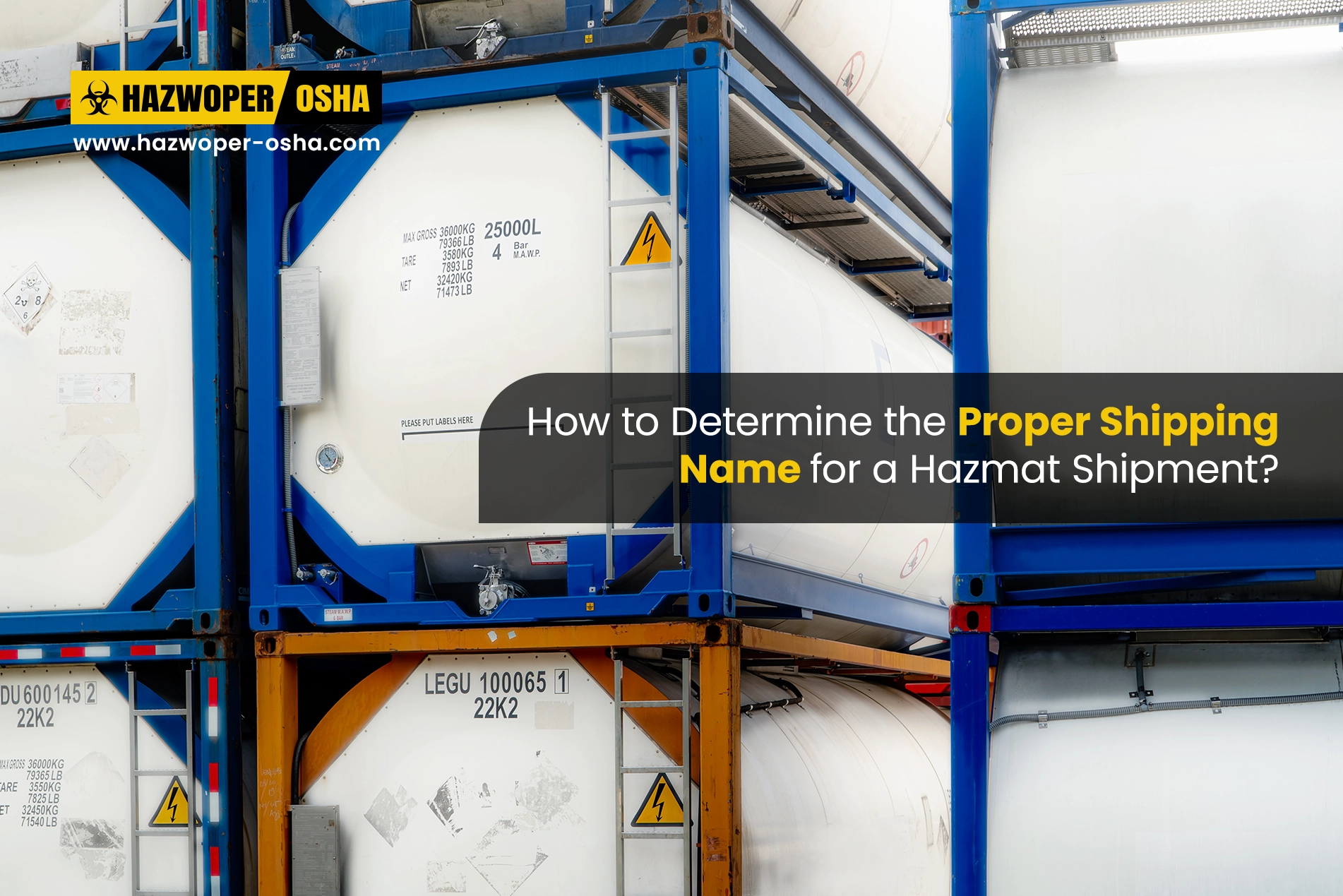
How to Determine the Proper Shipping Name for a Hazmat Shipment?
Introduction:
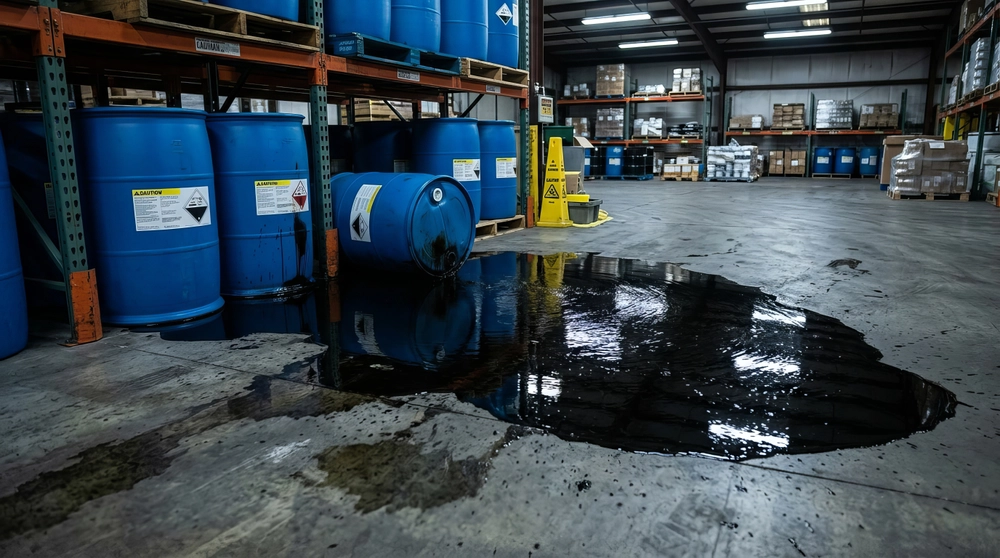
Imagine a hazardous chemical shipment arriving at a facility. The paperwork says one thing, but the container holds something far more dangerous. Would the people handling it know what they were dealing with before it was too late?
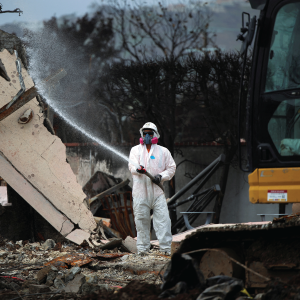
In August 2025, a shipment of suspected picric acid discovered in Calgary, Canada, triggered a hazardous-materials response*. Authorities evacuated the surrounding area and carried out controlled detonations after determining that the material was unstable. The incident underscored a critical lesson in hazmat transportation: when hazardous materials are mislabeled, or their contents aren't properly disclosed, handlers may not understand the risks they face.
The stakes extend far beyond a single shipment. The U.S. Pipeline and Hazardous Materials Safety Administration reports about 2.3 million hazardous materials shipments every day nationwide*. Each shipment depends on accurate hazard identification and communication to support safe handling, transportation, and emergency response.
That is where the Proper Shipping Name (PSN) matters. Under U.S. Department of Transportation regulations, the PSN identifies a hazardous material for transportation and forms part of the required shipping description. Choosing it is not as simple as copying a product name from its label or Safety Data Sheet (SDS). So, how do you determine the correct Proper Shipping Name for a hazmat shipment without overlooking critical regulatory detail? Let's walk through the process.
Why Is the Proper Shipping Name Important in Hazmat Shipping?
An incorrect Proper Shipping Name (PSN) can do more than create a paperwork error. It can misrepresent a shipment's hazards, complicate emergency response, delay transportation, and expose shippers to regulatory penalties.
1. Emergency responders may receive misleading hazard information.
During a leak, fire, or transportation accident, responders rely on shipping documents and other hazard information to assess risks and select appropriate protective measures. An incorrect shipping description can complicate that assessment and delay appropriate action.
A real-world example occurred in Calgary, Canada, in August 2025. A package containing picric acid had been mislabeled before transport. The material remained unidentified for approximately 10 days and became too unstable to move safely. Authorities evacuated the surrounding area and carried out controlled detonations to dispose of the material. Although investigators did not establish this as a specific Proper Shipping Name violation, the incident demonstrates the potential consequences of inaccurate hazardous-material identification. (Calgary Police Service incident report).
2. Incorrect shipping descriptions can lead to regulatory penalties.
Under 49 CFR § 172.202, hazardous-materials for shipping papers must include the prescribed basic shipping description. An incorrect PSN can make that description noncompliant and trigger enforcement action. For example, PHMSA's enforcement notice involving Performance Foodservice documented alleged shipping-paper violations, including an incorrect proper shipping name.
3. Shipments may be delayed while errors are corrected.
If a carrier identifies incorrect shipping information, it may need to hold the shipment until the information is corrected. This can disrupt delivery schedules, require additional documentation, and create avoidable administrative costs. Under 49 CFR § 171.2(f), carriers may not transport hazardous materials in commerce when they know the information provided is incorrect.
4. Errors can affect other safety and compliance requirements.
The selected shipping name must correspond to the material's classification. If the classification is wrong, related requirements for packaging, markings, labels, and shipping papers may also be affected. Shippers are responsible for properly identifying, classifying, and describing hazardous materials under the applicable regulations, as explained in PHMSA's hazardous materials shipping guidance.
Choosing the correct PSN is therefore essential to accurately communicating hazards, meeting transportation requirements, and avoiding preventable disruptions. Shippers who need additional guidance can review DOT Hazmat Ground Shipper Certification Training.
4 Steps to Identify the Correct Proper Shipping Name.
Follow these four steps to determine the correct shipping name and confirm the associated requirements.
Step 1: Identify the Material and Review Its Safety Data Sheet
Identify the material's chemical composition, concentration, and physical state. Review the product label, supplier documentation, and Safety Data Sheet (SDS), particularly Section 1 (Identification), Section 3 (Composition), and Section 14 (Transport Information).
Section 14 may list a recommended shipping name, identification number, hazard class, and packing group. Use this information as a starting point, then verify it against the applicable regulations. SDS information may be outdated or based on a different transport mode or jurisdiction.
For mixtures and solutions, establish the composition and relevant concentrations before proceeding.
Step 2: Search the Hazardous Materials Table Under 49 CFR § 172.101
Consult the Hazardous Materials Table under 49 CFR § 172.101 to identify applicable shipping names and transportation requirements.
Search by chemical name, recognized synonym, or another reliable identifier. Then review these columns:
- Column 1 — Symbols: Check designations such as +, which fixes the specified shipping name, hazard class, and packing group subject to applicable exceptions, and G, which indicates technical-name requirements.
- Column 2 — Proper Shipping Name: Identify the applicable entry and use the authorized wording.
- Columns 3–5: Verify the hazard class or division, identification number, and packing group, where applicable.
- Columns 6–7: Check required labels and special provisions.
- Columns 8–10: Review applicable packaging authorizations, quantity limitations, and vessel stowage requirements.
Confirm that the entry applies to the material's actual composition and classification.
Step 3: Select the Most Appropriate Shipping Name
Select the entry that accurately describes the material under the applicable classification rules. Do not rely solely on a trade name or keyword match.
Use a specific entry when it applies. If no specific entry covers the material, an appropriate generic or Not Otherwise Specified (N.O.S.) entry may be required.
For mixtures and solutions, check whether the applicable rules require a qualifying term such as "mixture" or "solution." Entries marked with G may also require one or more technical names in parentheses under 49 CFR § 172.203(k), subject to applicable exceptions.
Step 4: Verify Special Conditions and Transport Requirements
Check concentration limits, physical-state restrictions, subsidiary hazards, and applicable special provisions. Confirm the selected entry's identification number, hazard class, and packing group, where applicable.
Verify requirements for the intended mode of transport. Certain entries distinguish domestic from international transportation or impose specific air or vessel requirements. International shipments may also be subject to additional transport regulations.
Finally, consult 49 CFR § 172.202 to verify the required shipping-description sequence. Check the shipping papers, package markings, and labels against their respective requirements before offering the shipment for transportation.
If the material's identity or classification remains uncertain, consult the manufacturer or a qualified hazmat compliance professional rather than guessing.
How Do You Choose a Proper Shipping Name for Mixtures, Solutions, and Hazardous Waste?
Mixtures, solutions, and hazardous waste can complicate proper shipping name selection because their transport classification may not match the name or hazards of a single ingredient. Their composition, concentration, hazardous constituents, and specific regulatory provisions can determine whether a specific entry applies or a generic or N.O.S. entry is needed. These cases require additional checks beyond the standard selection process to ensure the chosen shipping name accurately describes the material under the DOT Hazardous Materials Regulations (HMR).
Mixtures and Solutions
Consider a manufacturer shipping a cleaning product made from several ingredients. Even if one ingredient is hazardous on its own, the finished product’s proper shipping name cannot be selected from that ingredient alone. The shipper must determine how the mixture is classified for transport and whether the HMT contains a specific entry that applies.
For example, an ethanol-based product may qualify for a specific entry such as “Ethanol solutions” (UN1170). At the same time, a mixture of multiple hazardous substances may require a more general entry if no specific name applies. The concentration of a hazardous ingredient can affect the applicable classification, packing group, or eligibility for a particular entry. Some entries also specify concentration ranges, while special provisions can modify the requirements or conditions for using an entry. Exceptions may allow different treatment only when the shipment meets the precise conditions set out in the regulations.
These distinctions matter because choosing a familiar name without checking the finished product’s composition and applicable requirements can result in the wrong identification number, hazard class, packing group, or packaging authorization. Before preparing shipping papers, shippers should verify the product’s transport classification against the current HMT and the relevant provisions in 49 CFR Parts 172 and 173.
Generic and N.O.S. Shipping Names
Use a generic or N.O.S. shipping name when the material meets the entry's requirements, and no more specific applicable entry governs its description. Select the entry based on the material's hazard classification, packing group, and any subsidiary hazards.
When required by the applicable regulations, include the technical name of the hazardous constituent or constituents in parentheses after the N.O.S. shipping name on shipping papers and package markings. Verify the relevant requirements under 49 CFR §§ 172.203 and 172.301 before preparing the shipment.
Hazardous Waste and Concentration-Dependent Entries
For hazardous waste subject to the DOT HMR, 49 CFR § 172.101(c)(9) generally requires the word Waste to precede the proper shipping name when the material's listed shipping name does not already include that word. Apply this rule alongside the relevant classification and shipping requirements.
Some HMT entries specify concentration limits that affect the applicable shipping description or classification. Compare the material's actual concentration with the limits stated in the relevant entry, using reliable composition data or appropriate test results. Do not assume that dilution or contamination automatically removes a material from hazardous materials regulation.
Before shipping, verify the selected entry, identification number, hazard class, packing group where applicable, and any relevant packaging, marking, labeling, and documentation requirements.
What Are the Most Common Mistakes When Selecting a Hazmat Shipping Name?
Selecting the correct hazmat shipping name can be challenging when product formulations change, Safety Data Sheets are outdated, or shippers misinterpret the Hazardous Materials Table. Limited familiarity with classification rules and pressure to prepare shipments quickly can also lead to errors. Understanding why these mistakes occur helps shippers make more accurate, compliant decisions.
Using the wrong entry can result in an incorrect UN number, hazard class, packing group, packaging requirement, or special provision. Before using an “n.o.s.” entry, search the HMT using the chemical name and common synonyms.
Ignoring HMT Symbols, Special Provisions, or Technical-Name Requirements
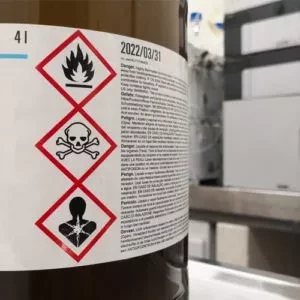
The HMT entry includes more than the shipping name. Column 1 symbols, special provisions, and related HMR requirements can affect whether the entry is authorized and what additional shipping requirements apply.
The letter “G” identifies PSNs for which one or more technical names must be entered in parentheses in association with the basic description. The technical name may appear between the PSN and hazard class or after the basic description.phmsa.dot+2
Copying Outdated SDS Information or Reusing an Old Shipping Description
An SDS can help identify a product’s hazards, but it is not a shipping paper and may not reflect the current transportation classification. The shipper remains responsible for verifying the material’s classification and selecting the correct PSN under the current HMR.
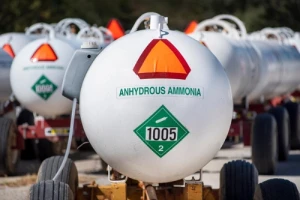
Do not reuse an earlier shipping description unless you confirm that the product formulation, supplier data, packaging, and applicable regulations remain unchanged. A current basic description must show the identification number, PSN, hazard class or division, and packing group when assigned in that sequence, such as “UN1090, Acetone, 3, PG II.”
Conclusion:
Selecting the correct proper shipping name is essential for accurate hazmat classification, compliant shipping papers, and safe transportation. By verifying the material against the Hazardous Materials Table in 49 CFR § 172.101, checking applicable special provisions, and confirming all required shipping description details, shippers can reduce classification errors and prevent avoidable compliance issues.
Before each shipment, verify the current regulatory requirements rather than relying solely on outdated SDS information or previous shipping records. When classification remains uncertain, consult a qualified hazmat professional before preparing the shipment.
References:
* https://newsroom.calgary.ca/charge-laid-following-hazardous-material-incident/
* https://www.phmsa.dot.gov/node/32431
Frequently Asked Questions