English and
 Español. After purchase, use the language toggle in your course Player to switch between English and Spanish at any time.

 EN
EN ES
ES















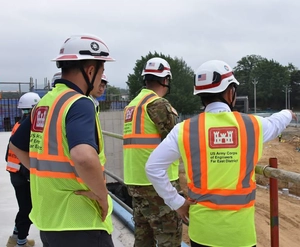
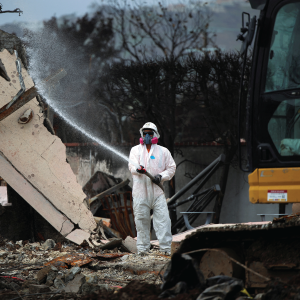



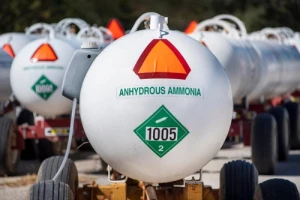














































































































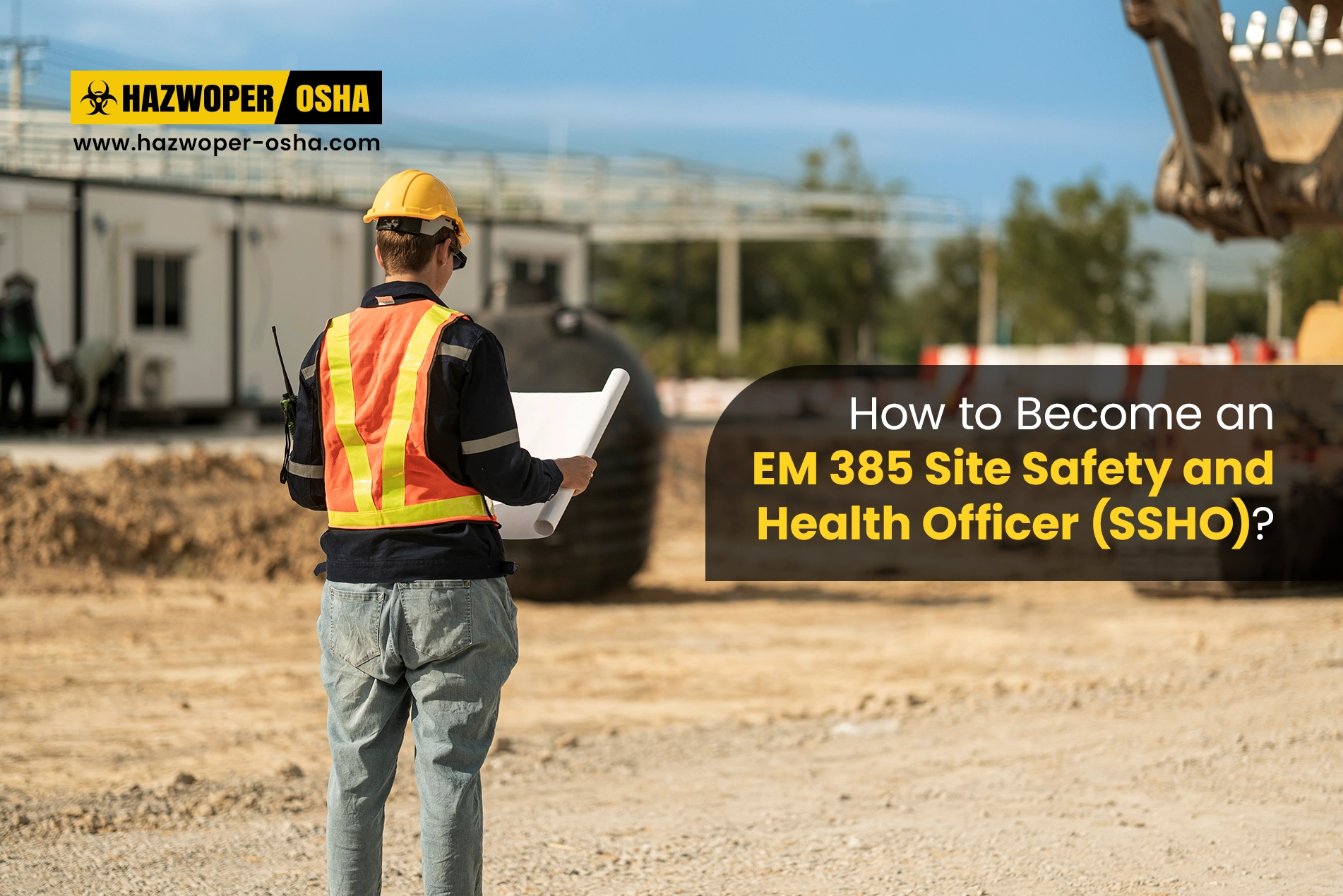
How to Become an EM 385 Site Safety and Health Officer (SSHO)?
Introduction:
If you're interested in pursuing a career as a Site Safety and Health Officer (SSHO) on U.S. Army Corps of Engineers (USACE) and other federal construction projects, understanding the EM 385-1-1 Safety and Health Requirements Manual is an important first step. However, qualifying for an SSHO role involves more than completing an EM 385 training course. While specific requirements vary by project and contract, employers typically look for a combination of relevant construction experience, OSHA training, knowledge of EM 385-1-1 requirements, and the ability to oversee site safety and health programs.
This blog explains what it takes to become an EM 385 SSHO, including the qualifications employers commonly seek, the training you'll need, the skills that can strengthen your candidacy, and the career opportunities available in this field.
What Is an EM 385 Site Safety and Health Officer?
An EM 385 Site Safety and Health Officer (SSHO) is the contractor's designated on-site safety representative for construction projects that require compliance with the EM 385-1-1 Safety and Health Requirements Manual.
The SSHO plays a central role in implementing and maintaining the project-specific Site Safety and Health Plan (SSHP). This document outlines the safety policies, hazard controls, emergency procedures, and work practices for a particular project. Typical responsibilities include conducting routine site inspections, documenting hazards, verifying that appropriate control measures are in place, maintaining required safety documentation, investigating incidents, and coordinating corrective actions with project management before work continues.
Beyond compliance, the SSHO helps foster a proactive safety culture by communicating safety expectations, supporting toolbox talks and safety meetings, monitoring safe work practices, and encouraging workers to report hazards before they lead to incidents. Rather than simply reacting to accidents, the role focuses on identifying and addressing risks early to help prevent injuries, property damage, and work disruptions.
Although the SSHO serves as the project's primary on-site safety representative, maintaining a safe workplace is a shared responsibility among the employer, supervisors, subcontractors, and workers. The SSHO provides oversight, guidance, and coordination, but effective safety performance depends on every member of the project team following established safety requirements and procedures.
Who Can Become an EM 385 SSHO?
There is no single career path to becoming an EM 385 Site Safety and Health Officer (SSHO). Professionals enter the role from a variety of construction and safety backgrounds, provided they meet the qualification requirements specified in the project contract and by the employer. Rather than focusing on a specific degree or job title, employers typically evaluate whether a candidate has the knowledge, experience, and practical judgment needed to oversee safety on active construction sites.
Individuals who commonly transition into SSHO roles include:
- Construction safety professionals looking to work on federal or military construction projects.
- Site supervisors, foremen, and superintendents with extensive field experience and a strong understanding of construction operations.
- Environmental, Health, and Safety (EHS) professionals seeking to specialize in construction safety compliance.
- Former military personnel and veterans with relevant engineering, construction, or occupational safety experience.
- Construction professionals who have developed expertise in hazard identification, regulatory compliance, and site safety management.
While educational requirements vary, many employers prefer candidates with a background in occupational safety, construction management, engineering, or a related field. However, practical construction experience often carries significant weight, particularly on projects involving complex or high-risk activities.
Step-by-Step Guide to Becoming an EM 385 SSHO
The following steps represent the typical path many safety professionals follow when preparing for an SSHO role.
Step 1: Build Relevant Construction Experience
Practical construction experience forms the foundation of an SSHO career. Employers typically seek candidates who understand how construction projects operate, can recognize job-site hazards, and are familiar with the risks associated with different trades and work activities.
Experience in commercial construction, heavy civil, industrial, environmental remediation, or infrastructure projects can help you develop this practical knowledge. Depending on the project, contracts may also specify a minimum number of years of construction or construction-safety experience that candidates must have.
Step 2: Complete the Safety Training Commonly Required by Employers
While requirements vary by employer and project, frequently requested qualifications include the OSHA 30-Hour Outreach Training for the Construction Industry with DOL Card, First Aid, CPR, and AED Safety Awareness Training, and the EM 385-1-1 40-Hour Training. These courses provide foundational knowledge in construction safety, emergency response, and the EM 385-1-1 requirements commonly referenced on federal construction projects.
These credentials demonstrate your commitment to workplace safety, but they are only one part of the hiring process. Employers also evaluate your construction background, problem-solving ability, and experience applying safety requirements in real-world job-site conditions.
Step 3: Develop a Working Knowledge of EM 385-1-1 Requirements
If you're preparing for an SSHO role on USACE or other federal construction projects, the EM 385-1-1 40-Hour Training provides a comprehensive introduction to the requirements of the EM 385-1-1 Safety and Health Requirements Manual. However, completing the course is only the beginning. You should also develop a practical understanding of how concepts such as Activity Hazard Analyses (AHAs), the Site Safety and Health Plan (SSHP), inspections, documentation, and hazard controls are applied throughout a project's lifecycle.
Rather than memorizing the manual, focus on learning how these requirements are implemented during project planning, daily operations, inspections, and hazard control activities.
Step 4: Gain Experience on Federal Construction Projects
Whenever possible, seek opportunities to work on federal construction projects or projects that require compliance with EM 385-1-1. These projects often include contract-specific safety requirements that supplement applicable OSHA standards and can provide valuable experience with project documentation, Activity Hazard Analyses (AHAs), site inspections, safety meetings, and compliance processes.
Although prior federal project experience is preferred for many SSHO positions, it is not always mandatory. A strong background in construction safety can also help professionals transition from private-sector projects into federal construction roles.
Step 5: Apply for EM 385 SSHO Positions
Once you meet the qualifications outlined in a job posting, begin applying for SSHO positions with general contractors, subcontractors, engineering firms, or organizations performing federal construction work. Tailor your resume to emphasize relevant construction experience, safety training, project accomplishments, and familiarity with EM 385-1-1 requirements.
Because individual project contracts establish SSHO qualification criteria, review each job description carefully before applying. Ensuring your experience, certifications, and skills align with the employer's stated requirements can significantly improve your chances of securing an SSHO position.
What Skills Employers Look for in an SSHO?
Meeting the minimum qualifications for an SSHO position may help you become eligible for a role, but it doesn't guarantee you'll be selected. When multiple candidates satisfy the contract requirements, employers often look beyond certifications and years of experience to identify professionals who can lead safety efforts effectively in fast-paced construction environments.
Leadership and Professional Presence
Strong SSHO candidates demonstrate confidence, professionalism, and the ability to influence safe work practices without relying solely on authority. Employers value individuals who can earn the trust of workers, supervisors, and subcontractors while maintaining a consistent commitment to safety, even in high-pressure situations.
Sound Judgment and Risk-Based Decision Making
Construction projects present new challenges every day, and employers want SSHOs who can evaluate changing site conditions, recognize emerging hazards, and recommend practical corrective actions. Rather than simply following checklists, successful candidates use critical thinking and professional judgment to make informed safety decisions that align with project requirements.
Effective Communication with Diverse Stakeholders
An SSHO communicates with people at every level of a project, from craft workers and foremen to project managers and client representatives. Employers look for candidates who can clearly explain technical safety requirements, resolve disagreements professionally, and present inspection findings or safety concerns in a way that encourages timely corrective action.
Attention to Detail in Documentation and Compliance
Accurate documentation is essential on projects governed by contract-specific safety requirements. Employers appreciate candidates who can produce clear, organized, and well-supported records, including inspection reports, corrective action documentation, and other project safety records that may be reviewed during audits, inspections, or incident investigations.
Commitment to Continuous Professional Development
Construction safety standards, work methods, and industry best practices continue to evolve. Candidates who actively expand their knowledge through professional development, stay informed about updates to applicable safety requirements, and learn from project experience are often better prepared to take on greater responsibilities and advance their careers.
Career Opportunities and Advancement as an EM 385 SSHO
Working as a Site Safety and Health Officer (SSHO) can provide access to a wide range of opportunities within the federal construction sector. As organizations continue to perform projects that require compliance with the EM 385-1-1 Safety and Health Requirements Manual, experienced SSHOs are frequently sought for different projects. However, employment opportunities vary based on factors such as contract awards, government funding, geographic location, and employer needs.
Industries That Hire EM 385 SSHOs
Professionals with EM 385-1-1 experience may find opportunities with organizations involved in a variety of federal construction projects, including:
- General contractors and subcontractors performing federal construction work
- Engineering and construction management firms
- Environmental remediation contractors
- Heavy civil and infrastructure construction companies
- Contractors supporting defense agencies and military installations
- Industrial, energy, and utility construction companies
Depending on the employer and project location, some SSHO positions may also require travel, temporary assignments, or the ability to work on secure or restricted job sites.
Career Advancement Opportunities
As you gain experience managing increasingly complex construction projects, you may become eligible for positions with broader responsibilities. While career paths vary between organizations, common progression opportunities include:
- Senior Site Safety and Health Officer
- Project Safety Manager
- Construction Safety Manager
- Regional Safety Manager
- Environmental, Health, and Safety (EHS) Manager
- Corporate Safety Manager
- Safety Director
- Independent Safety Consultant
Advancement is typically influenced by your project experience, leadership capabilities, ability to manage safety across multiple projects, and the qualifications required for higher-level positions. Professionals with experience on federal construction projects may also find opportunities to transition into other government contracting environments where knowledge of EM 385-1-1 is valued.
Factors That Influence Compensation
There is no standard salary for an EM 385 SSHO. Compensation varies based on several factors, including:
- Years of construction and safety experience
- Project size and complexity
- Geographic location
- Employer and contract type
- Security clearance requirements (where applicable)
- Additional professional certifications and specialized expertise
Rather than focusing solely on compensation, aspiring SSHOs should build a strong portfolio of project experience, leadership accomplishments, and technical expertise. Developing these competencies can improve competitiveness for higher-level roles with greater responsibility and long-term earning potential.
Conclusion:
Becoming an EM 385 Site Safety and Health Officer (SSHO) requires more than completing a training course; it involves developing the practical experience, technical knowledge, and professional judgment needed to manage safety on federal construction projects. Because qualification requirements vary by employer and project contract, aspiring SSHOs should focus on building a strong foundation in construction safety and gaining experience aligned with the types of projects they want to pursue.
As demand for qualified safety professionals continues to grow across many government-funded construction projects, investing in the right training and expanding your field experience can strengthen your qualifications and open the door to long-term career opportunities. Whether you're transitioning from construction, occupational safety, or another related field, preparing strategically today can help position you for success as an EM 385 SSHO in the future.
Frequently Asked Questions