English and
 Español. After purchase, use the language toggle in your course Player to switch between English and Spanish at any time.
 EN
EN ES
ES




















































































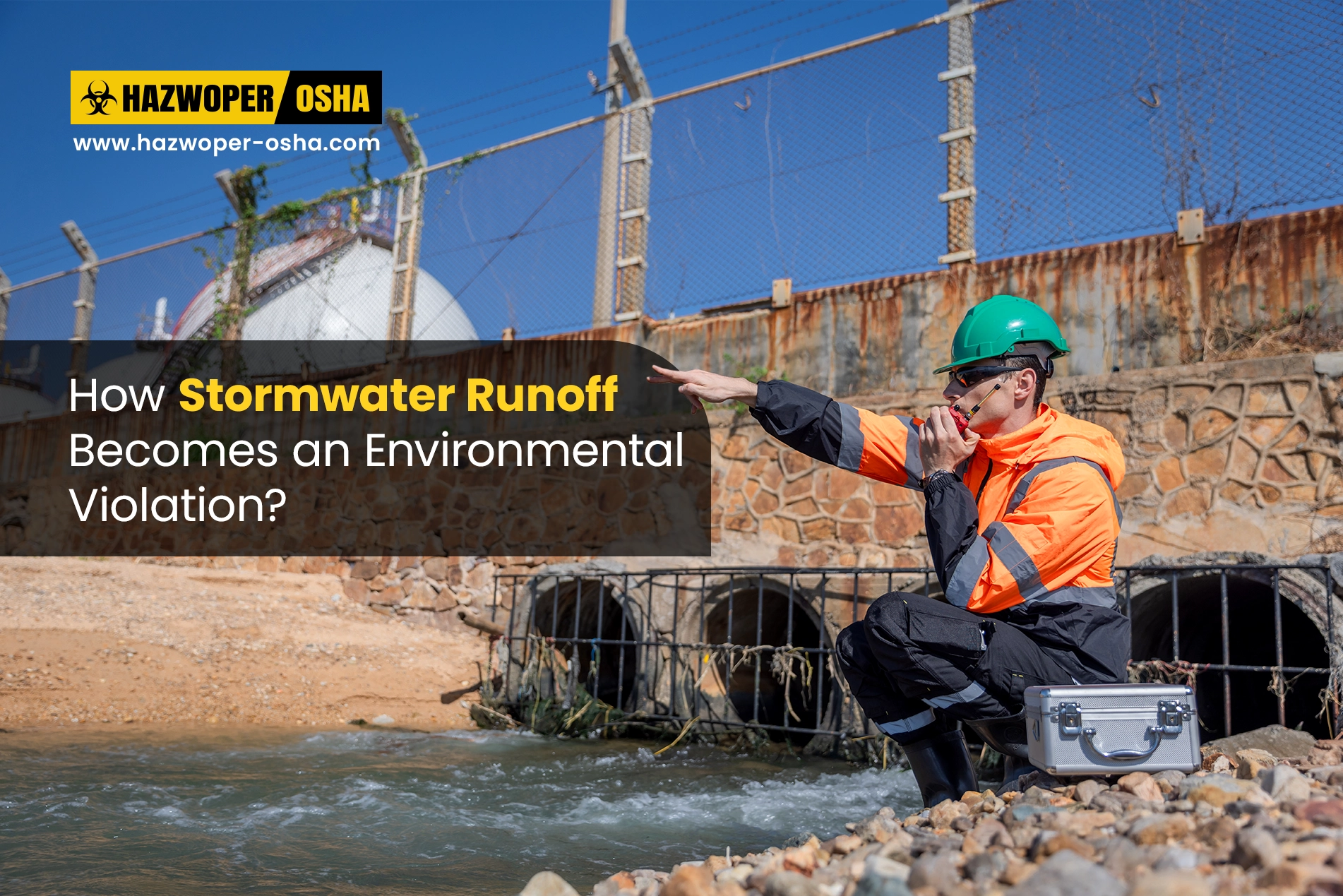
How Stormwater Runoff Becomes an Environmental Violation?
Introduction:
Stormwater runoff begins as rainfall or snowmelt that flows across a construction site, but it can quickly become a source of water pollution and regulatory noncompliance. As runoff moves over exposed soil, stockpiled materials, fueling and equipment maintenance areas, concrete washout locations, and chemical storage zones, it can transport sediment and other pollutants into nearby storm drains and surface waters. Sediment remains the primary pollutant associated with construction stormwater runoff, making effective erosion and sediment controls essential for protecting receiving waters.
The financial consequences of environmental noncompliance remain significant. During Fiscal Year 2025, the EPA concluded 2,127 civil enforcement cases, the highest number in nine years. These cases secured more than $6.4 billion in commitments to return facilities to compliance, and assessed over $650 million in civil penalties. These figures underscore why proactive stormwater management is not only an environmental responsibility but also a critical component of construction risk management.
This blog explains how stormwater runoff can constitute an environmental violation, the regulatory conditions that trigger noncompliance, and the best practices that construction operators can implement to protect water resources while maintaining compliance with applicable stormwater regulations.
How Stormwater Runoff Becomes Polluted on Construction Sites?
Construction activities significantly increase the risk of stormwater pollution by disturbing natural ground conditions and introducing materials that can be mobilized during rainfall. Land clearing, grading, excavation, material stockpiling, equipment operation, and concrete work remove protective vegetation, expose soil, and create pathways for runoff to flow more rapidly across the site. Compacted soils, temporary haul roads, and other hardened surfaces also reduce the ground's ability to absorb water, increasing the volume and velocity of stormwater runoff.
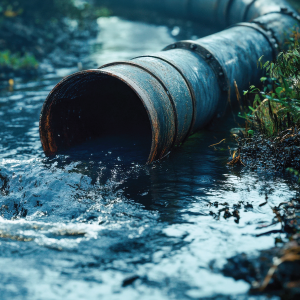
Stormwater runoff becomes polluted when rainfall or snowmelt washes sediment, chemicals, fuels, waste materials, and other contaminants from active work areas into drainage systems or nearby water bodies. This process occurs through pollutant mobilization, where flowing water detaches and transports contaminants from multiple locations across the site. Although pollutants originate diffusely from different construction activities, stormwater discharges from permitted construction sites are regulated under the National Pollutant Discharge Elimination System (NPDES) because they are conveyed through identifiable drainage systems or discharge points.
Common pollutants found in construction stormwater runoff include:
- Sediment from exposed or disturbed soil, which increases water turbidity, reduces sunlight penetration, smothers aquatic habitats, and can transport nutrients, metals, and other pollutants attached to soil particles.
- Concrete washout, containing highly alkaline wastewater that can alter the pH of receiving waters and harm aquatic organisms.
- Paints, solvents, adhesives, curing compounds, and other construction chemicals that may introduce toxic substances into surface waters.
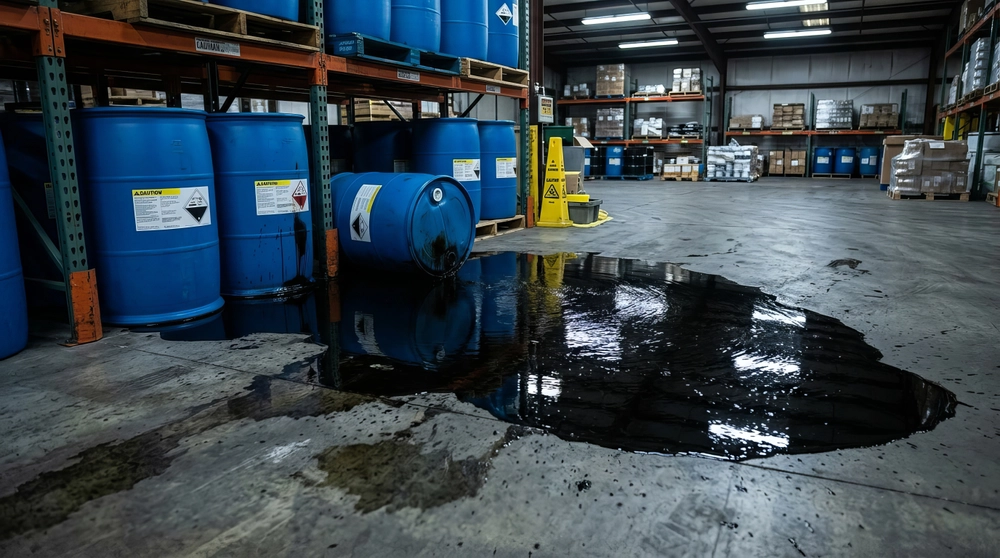
- Fuel, oil, grease, and hydraulic fluids leaking or spilling from construction vehicles, generators, and heavy equipment.
- Construction debris and waste materials, including wood, plastics, packaging, insulation, and metal fragments that can obstruct drainage systems and contribute to pollution.
- Litter and loose materials that are easily carried off-site during storm events.
Depending on site drainage conditions, polluted runoff may flow into municipal separate storm sewer systems (MS4s), roadside ditches, swales, retention ponds, or directly into streams, rivers, lakes, wetlands, and other receiving waters. Because these systems often provide little or no treatment before discharge, contaminants can spread beyond the construction site, degrading water quality, disrupting aquatic ecosystems, and increasing sediment accumulation in downstream channels and water bodies.
When Does Stormwater Runoff Become an Environmental Violation?
Stormwater runoff becomes an environmental violation when construction operators fail to comply with applicable stormwater permit requirements, resulting in unauthorized pollutant discharges or other forms of regulatory non-compliance. Administrative failures such as an outdated Stormwater Pollution Prevention Plan (SWPPP), missing inspections, or poorly maintained control measures may also constitute permit violations.
Construction operators disturbing one acre or more of land or as part of a larger common plan of development must generally obtain coverage under the National Pollutant Discharge Elimination System (NPDES) Construction General Permit (CGP) or an authorized state-issued equivalent. These permits establish requirements for erosion and sediment control, pollution prevention, inspections, recordkeeping, and corrective actions.
Common stormwater violations include:
Unauthorized Pollutant Discharges
- Sediment or other pollutants leaving the site because erosion and sediment controls are missing, damaged, or ineffective.
- Unauthorized non-stormwater discharges, such as concrete washout, vehicle wash water, fuel spills, sanitary waste, or process wastewater.
- Poor material storage or housekeeping that allows chemicals, debris, or waste materials to be carried off-site during storm events.
Permit Compliance Failures
- Failure to develop, implement, or maintain an accurate SWPPP.
- Improper installation, maintenance, or inspection of Best Management Practices (BMPs).
- Failure to complete or document required inspections, corrective actions, or permit records.
- Failure to update stormwater controls after significant site changes that affect drainage or runoff.
Regulatory agencies assess both on-site conditions and compliance records during inspections. Confirmed violations may result in notices of violation, corrective actions, civil penalties, project delays, or work stoppages until deficiencies are addressed.
Recognizing these common compliance failures helps construction operators strengthen stormwater controls, maintain regulatory compliance, and reduce the risk of enforcement actions.
Environmental and Business Consequences of Stormwater Violations
The consequences of stormwater violations extend beyond permit non-compliance, affecting water quality, project performance, and long-term business outcomes.
Environmental Consequences
When sediment, concrete washout, fuels, chemicals, and other pollutants enter nearby waterways, they can significantly degrade aquatic ecosystems. Sediment, the primary pollutant associated with construction stormwater runoff, reduces water clarity, blocks sunlight needed by aquatic vegetation, buries fish spawning grounds and benthic habitats, and transports attached nutrients, metals, and other contaminants downstream. Concrete washout can increase water pH, while fuels, oils, and construction chemicals may be toxic to aquatic organisms even at low concentrations.
Over time, polluted runoff can accelerate sediment accumulation in rivers, lakes, and drainage channels, reducing water storage capacity, increasing maintenance and dredging requirements, and diminishing the ability of natural ecosystems to filter pollutants and manage floodwaters.
Business Consequences
Construction work stoppages can create an immediate operational hit. When regulators require work to stop until stormwater deficiencies are corrected, crews may sit idle while equipment, subcontractors, and site resources continue generating daily costs. Even a short interruption can quickly consume overhead budgets, particularly on projects operating with tight schedules and high equipment or labor costs. Corrective work, additional inspections, and environmental consulting can add further expenses before normal operations resume.
The financial impact can continue after work restarts. A stoppage can push the project beyond contractual milestones, potentially triggering liquidated damages or other contractual penalties where applicable. The contractor may then face two separate financial pressures: regulatory penalties or enforcement costs associated with the stormwater violation and additional costs owed to the project owner for schedule delays. For large or time-sensitive projects, these combined costs can substantially exceed the expense of maintaining effective stormwater controls from the outset.
The long-term impact can extend beyond a single project. Documented environmental violations may increase regulatory scrutiny and affect a contractor's standing with clients or public agencies. Depending on applicable procurement and prequalification requirements, a history of serious or repeated environmental non-compliance may limit eligibility for certain public-sector or municipal contracts, reduce competitiveness during bidding, or require additional disclosures. For contractors that depend on government and infrastructure work, protecting their compliance record is therefore an important part of protecting future business opportunities.
Effective stormwater management is therefore more than a regulatory obligation; it is a practical risk management strategy that protects water resources, minimizes project disruptions, and helps maintain long-term operational and business resilience.
Best Practices to Prevent Stormwater Runoff Violations
Preventing stormwater runoff violations requires a proactive approach that integrates planning, routine inspections, effective pollution controls, and continuous site management. Rather than reacting to deficiencies after a storm event or regulatory inspection, construction operators should implement preventive measures throughout every phase of the project.
The following best practices can help minimize stormwater pollution and maintain compliance with applicable permit requirements:
- Develop and maintain an accurate Stormwater Pollution Prevention Plan (SWPPP). Develop and maintain a site-specific Stormwater Pollution Prevention Plan (SWPPP). The SWPPP should function as a living operational roadmap, not a static compliance binder. Update it as the project moves through major construction phases such as clearing and grubbing, rough grading, utility installation, vertical construction, and final stabilization to reflect changes in site conditions, drainage patterns, exposed areas, pollutant sources, and stormwater controls. For example, transitioning from rough grading to vertical construction may change drainage pathways, material storage areas, and the types of pollutants present on-site. Updating the SWPPP alongside these phase changes ensures that stormwater controls remain relevant to the work actually being performed and that field crews have a current plan to follow.
- Implement appropriate Best Management Practices (BMPs).
Implement and maintain appropriate Best Management Practices (BMPs). Install erosion and sediment controls such as silt fences, sediment basins, inlet protection, and stabilized construction entrances before land-disturbing activities begin, but recognize that installation is only the starting point. The effectiveness of these controls depends on active inspection and maintenance throughout the project. For example, sediment that accumulates behind a silt fence or within a sediment basin must be removed when required by the applicable permit, design specifications, or site conditions. Waiting until the next major storm can allow accumulated sediment to overtop, bypass, or damage the control, turning a functioning BMP into a failure point. Inspect controls routinely and after qualifying storm events, remove accumulated sediment, repair damaged sections, and replace ineffective controls before the next significant rainfall.
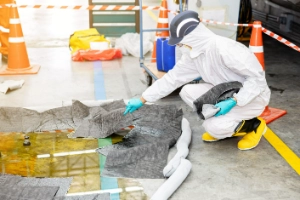
- Control pollutant sources at the site. Store fuels, chemicals, and construction materials in designated, protected areas. Contain concrete washout, clean up spills promptly, and keep waste containers covered to prevent contaminants from being mobilized during rainfall.
- Conduct routine inspections and corrective actions. Inspect stormwater controls before, during, and after qualifying storm events, as required by the applicable permit. Document deficiencies, complete corrective actions within the required timeframes, and maintain accurate inspection records.
- Train personnel on stormwater responsibilities. Ensure supervisors, equipment operators, and subcontractors understand site-specific stormwater procedures, pollution prevention measures, and their responsibilities under the SWPPP. For projects where the role and jurisdictional requirements call for a Qualified SWPPP Practitioner (QSP), credentialing site superintendents or other responsible field personnel as QSPs can strengthen on-site oversight by giving qualified personnel the knowledge to recognize deteriorating or ineffective stormwater controls and initiate corrective action before deficiencies escalate into compliance problems. This field-level expertise helps teams address failing controls proactively rather than waiting for a regulatory inspection to identify them.
Stormwater compliance is an ongoing process rather than a one-time task. By integrating planning, inspection, maintenance, and workforce training into daily construction operations, organizations can reduce the risk of pollutant discharges, avoid costly enforcement actions, and better protect surrounding water resources.
Conclusion
Stormwater runoff may begin as ordinary rainfall, but it becomes an environmental violation when construction activities allow pollutants to enter nearby waterways or when operators fail to meet applicable stormwater permit requirements. Beyond degrading water quality and aquatic ecosystems, stormwater violations can lead to enforcement actions, project delays, increased costs, and long-term reputational risks.
Maintaining compliance requires more than installing erosion and sediment controls. It depends on proactive planning, an up-to-date Stormwater Pollution Prevention Plan (SWPPP), routine inspections, effective Best Management Practices (BMPs), and personnel who understand their stormwater responsibilities.
By combining effective stormwater management practices with role-specific training, construction teams can reduce the risk of environmental violations, protect water resources, and keep projects compliant, efficient, and on schedule.
Frequently Asked Questions
A stormwater runoff violation occurs when construction operators fail to comply with applicable stormwater permit requirements or allow pollutants such as sediment, fuels, chemicals, or concrete washout to be discharged into storm drains or nearby waterways. Violations may also result from administrative non-compliance, including inadequate SWPPPs, missed inspections, or poorly maintained Best Management Practices (BMPs).