English and
 Español. After purchase, use the language toggle in your course Player to switch between English and Spanish at any time.

 EN
EN ES
ES





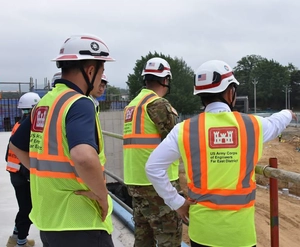
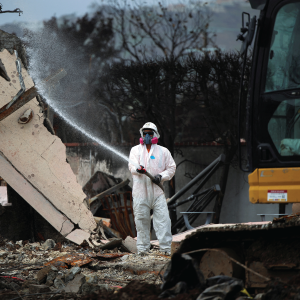
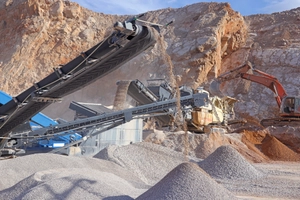

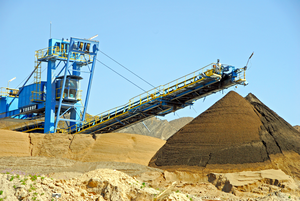
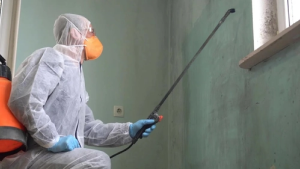
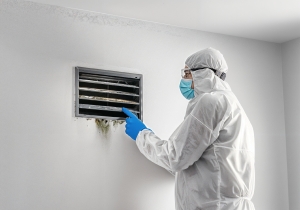



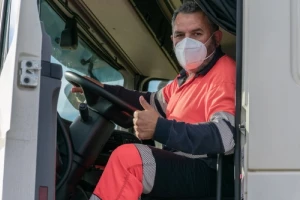








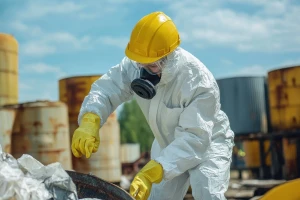


















































How Can the Right PPE Protect Workers from Silica Dust and OSHA Violations?
Silica dust exposure remains one of the most serious occupational hazards in construction, mining, and manufacturing. Inhalation of respirable crystalline silica causes silicosis, an irreversible, incurable lung disease, along with increased risk of cancer, kidney disease, and autoimmune disorders.
Understanding OSHA’s silica standards and implementing proper PPE is critical to regulatory compliance and workers health protection. Organizations that establish clear exposure control plans and source PPE solutions can significantly reduce occupational disease risk while strengthening their compliance posture.
Organizations must ensure they are sourcing compliant safety equipment that aligns with site-specific exposure levels and regulatory obligations. OTEPLACE support this process by matching buyer requirements with compliant PPE options from multiple manufacturers, helping safety teams maintain consistency across projects while supporting audit and inspection readiness.
The Health Impact of Silica Dust Exposure
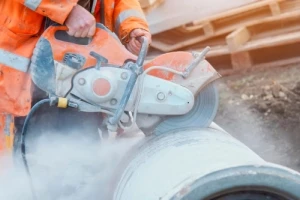
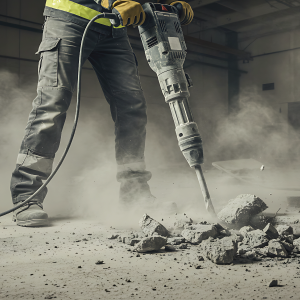
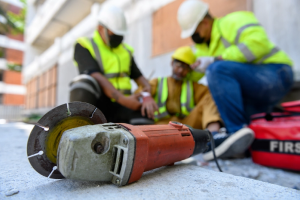
Silica dust consists of fine particles released when cutting, grinding, drilling, or crushing materials that contain crystalline silica. These particles are small enough to be inhaled deep into the lungs, where they cause scarring and inflammation over time.
Health Risks Associated with Silica Exposure
Documented health effects include:
- Silicosis (acute, accelerated, or chronic)
- Lung cancer
- Chronic obstructive pulmonary disease (COPD)
- Kidney disease
- Autoimmune disorders
These outcomes are well-established by OSHA and NIOSH and may develop even when symptoms are not immediately apparent.
Where Silica Hazards Exist in the Workplace
Silica dust is generated across multiple industries wherever crystalline silica-containing materials are processed:
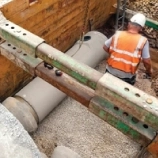
1. Construction: Cutting bricks, sanding drywall, demolishing concrete structures, grinding mortar, and abrasive blasting all generate significant silica dust. Trenching and excavation in silica-rich soil also poses exposure risk.
2. Mining: Drilling into rock formations, crushing ore, and transporting mined materials release respirable silica particles. Underground mining operations face particularly high concentrations due to poor ventilation.
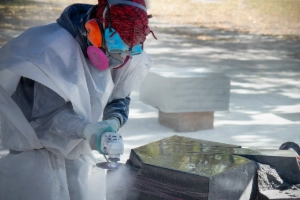
3. Manufacturing: Glass production, ceramic manufacturing, engineered stone countertop fabrication, and foundry operations all involve silica dust generation.
Other Industries: Sandblasting operations, stone masonry, tile cutting, and hydraulic fracturing in oil and gas operations present significant exposure hazards.
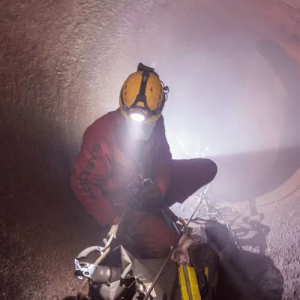
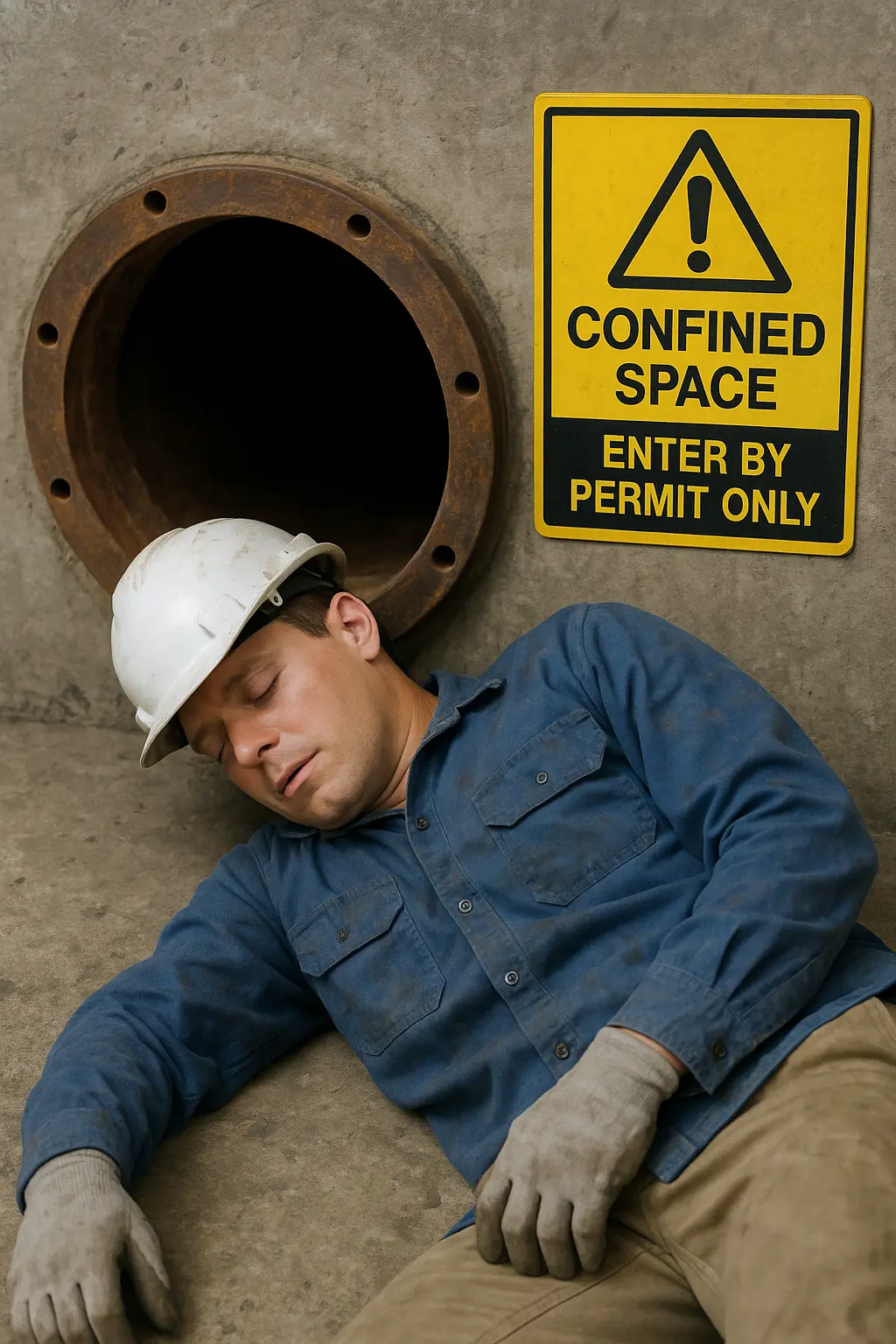
Enclosed or poorly ventilated spaces amplify exposure concentrations. Without engineering controls and proper worker training, employees can inhale dangerously high levels of silica without recognizing the hazard.
Understanding OSHA Silica Exposure Standards
OSHA regulates crystalline silica exposure through two key metrics:
Permissible Exposure Limit (PEL)
OSHA limits silica dust exposure to 50 µg/m³ over an eight-hour shift. Employers must reduce dust levels through engineering controls, administrative measures, or PPE when exposure exceeds this threshold.
Action Level
If silica dust levels reach 25 µg/m³, OSHA requires exposure monitoring. Employers must assess risks, implement dust control methods, and provide PPE for silica dust to affected workers.
If exposure remains at or above this level, employers must develop a written exposure control plan. This includes dust suppression methods, PPE requirements, and medical monitoring for workers.
To ensure your team truly understands OSHA requirements like the Permissible Exposure Limit (PEL) and Action Level, consider OSHA’s Competent Person for Silica Training for in-depth instruction.
Regulated Areas
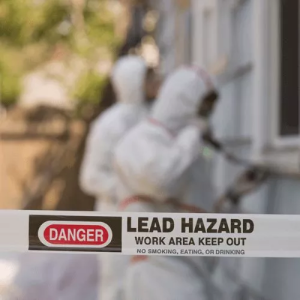
Areas exceeding the PEL must be designated as regulated areas. Access must be restricted to trained personnel wearing appropriate PPE. Clear signage and decontamination procedures are required to prevent cross-contamination.
Assessing Silica Dust Exposure in Your Workplace
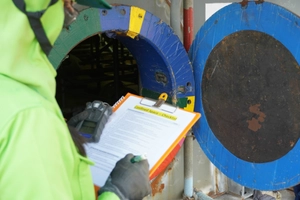
Before selecting PPE, conduct a thorough exposure assessment. Part of an effective assessment includes training workers to recognize hazards, OSHA’s Silica Awareness Online Training builds essential knowledge on exposure risks and protective measures. Silica dust is generated during cutting, grinding, drilling, or crushing operations involving concrete, stone, sand, brick, glass, or engineered stone. Enclosed or poorly ventilated spaces significantly increase exposure risk.
Develop baseline air sampling data and monitor exposure levels regularly. This assessment informs your PPE selection strategy and helps determine if engineering controls, such as local exhaust ventilation, wet dust suppression, or process substitution, can reduce exposure below the action level.
PPE for Silica Dust Exposure
1. Respiratory Protection
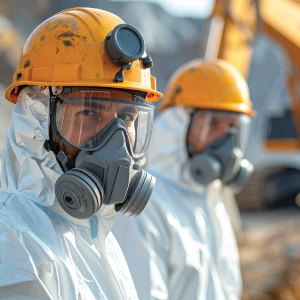
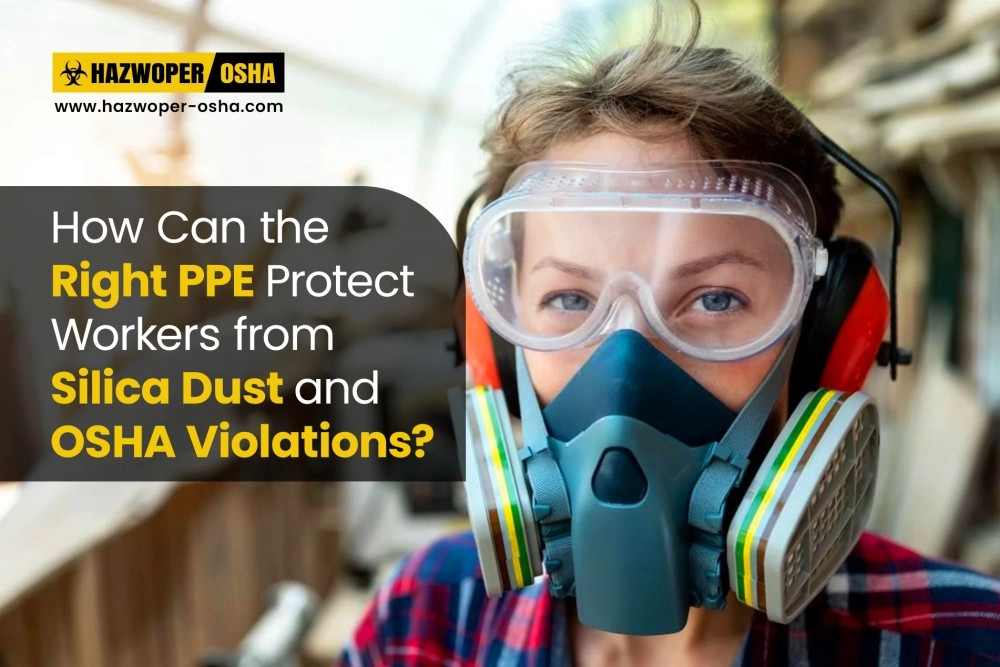
Respiratory protection is the most critical form of PPE for controlling silica exposure when engineering controls are insufficient. OSHA requires respirators to be selected based on exposure levels, task duration, and workplace conditions.
N95 and P100 Respirators
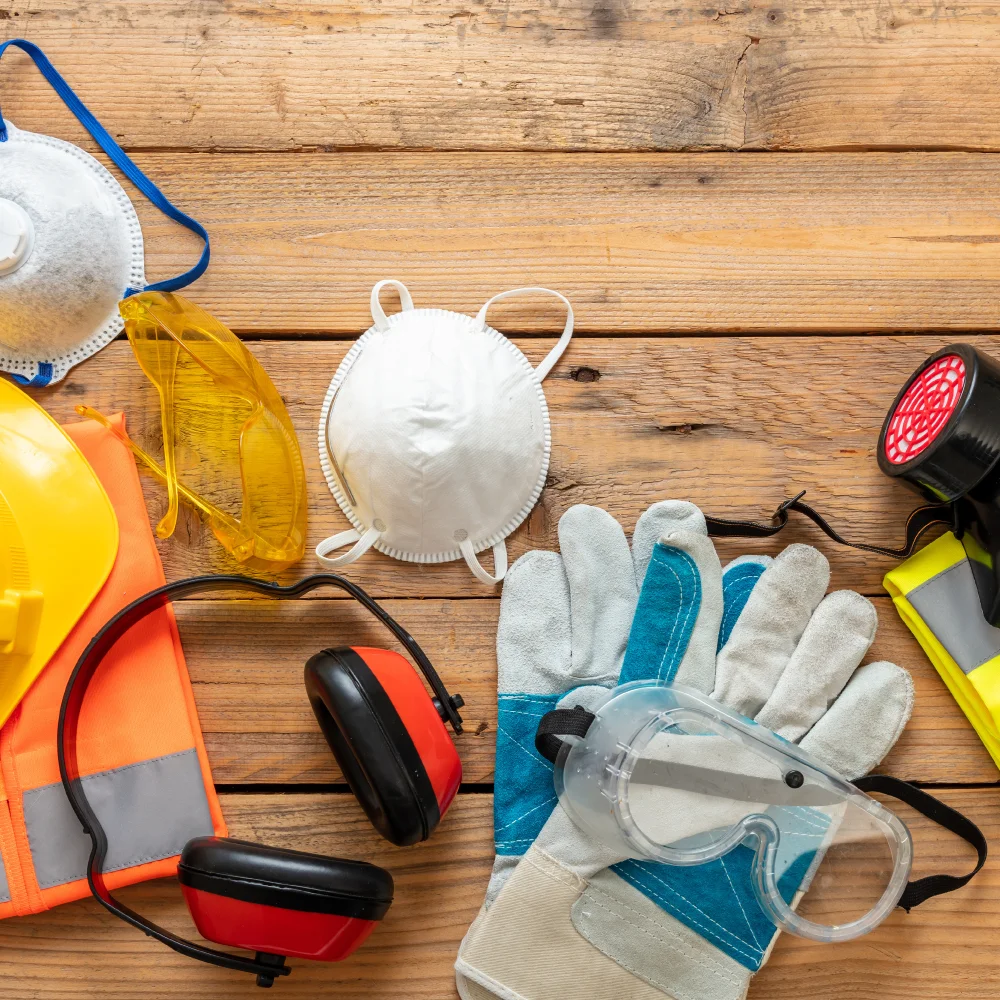
- N95 Respirators filter at least 95% of airborne particles and provide basic protection in low-exposure environments. They are suitable for short-term tasks but not for prolonged or high-dust activities.
- P100 Respirators capture at least 99.97% of airborne particles and are required in environments where silica dust exceeds OSHA limits.
Half-Mask and Full-Face Respirators
- Half-Mask Respirators with replaceable filters rated for fine particulates work well for high-exposure scenarios with moderate duration.
- Full-Face Respirators provide complete facial sealing and eye protection for workers with extended exposure to high silica concentrations.
Powered Air-Purifying Respirators (PAPRs)
PAPRs deliver filtered air using a battery-powered blower, reducing breathing resistance and improving comfort during long shifts. They are commonly used in high-dust or physically demanding environments.
When sourcing respiratory protection, EHS teams must ensure products meet applicable OSHA and NIOSH requirements. OTEPLACE helps procurement and safety teams compare compliant respiratory solutions from multiple manufacturers while maintaining traceability for audits and inspections.
Respirator Fit and Maintenance
OSHA’s Respiratory Protection Standard (29 CFR 1910.134) requires:
- Annual fit testing for tight-fitting respirators
- Clean-shaven contact areas to ensure proper seal
- Regular cleaning, inspection, and proper storage of reusable respirators
Improper fit or maintenance significantly reduces respirator effectiveness.
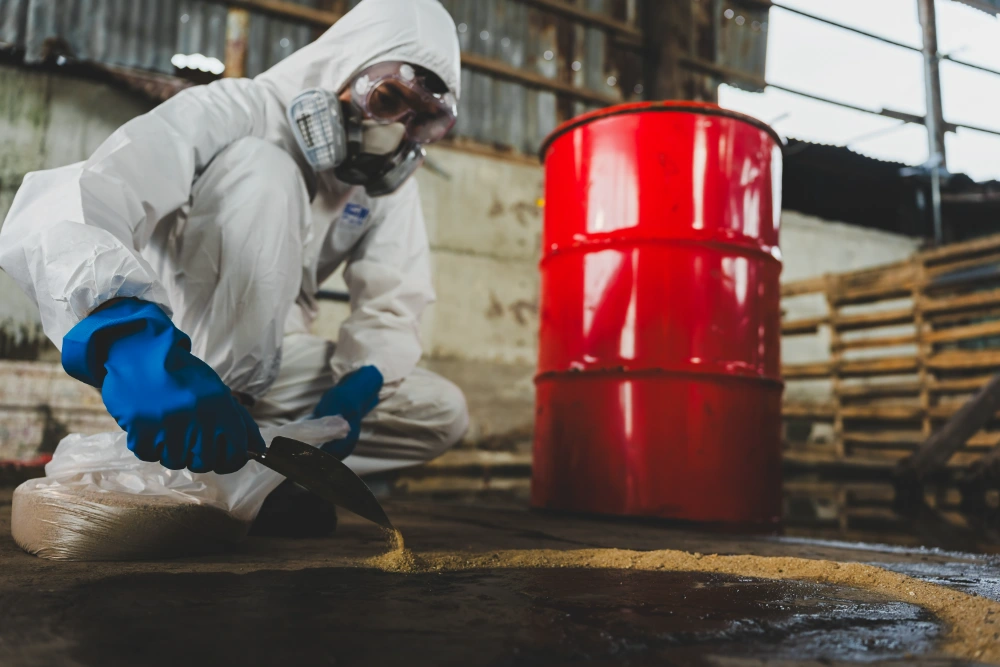
2. Protective Clothing
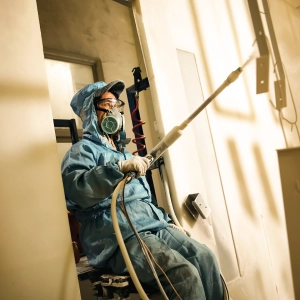
Protective clothing prevents silica dust from settling on the skin or being transported outside regulated areas.
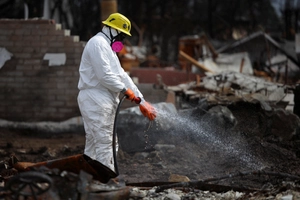
- Disposable coveralls are recommended for high-exposure tasks and should be removed before entering clean areas.
- Reusable work clothing made from tightly woven fabrics may be suitable for lower exposure environments, provided proper laundering controls are in place.
- Barrier creams may reduce skin irritation but should only be used as a supplemental measure.
Employers should establish procedures to prevent contaminated clothing from leaving the worksite.
3. Gloves & Hand Protection
Gloves reduce direct contact with dust-covered surfaces and help prevent hand-to-mouth exposure.
- Leather gloves are suitable for handling abrasive materials.
- Coated gloves improve dust resistance and ease of cleaning.
Workers should remove gloves carefully and wash hands before eating, drinking, or smoking.
4. Eye and Face Protection
Silica dust can cause eye irritation and injury.
- Safety glasses with side shields provide basic protection.
- Goggles offer a tighter seal for high-dust environments.
- Face shields protect against larger particles but must be worn with primary eye protection.
Eye protection should meet ANSI Z87.1 requirements.
5. Foot Protection
Dust accumulation on footwear can lead to contamination beyond regulated areas.
- Disposable boot covers are recommended for high-exposure zones.
- Foot-cleaning stations or mats help reduce dust transfer.
- Wet cleaning methods are preferred over compressed air, which can re-aerosolize silica.
6. Hearing Protection
Silica exposure often coincides with high-noise operations.
- Disposable or reusable earplugs protect against moderate noise levels.
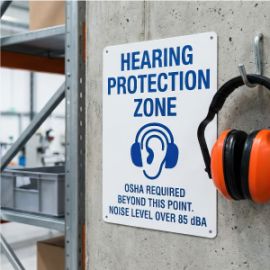
- Earmuffs provide higher noise reduction and may be combined with earplugs when necessary.
Hearing protection should be selected based on site-specific noise assessments.
Regulatory Training and Workforce Competency Requirements
Silica exposure management is not limited to equipment selection. OSHA requires employers to ensure workers understand silica hazards, exposure risks, and protective measures.
Under OSHA’s Respirable Crystalline Silica Standard (29 CFR 1910.1053) and Construction Standard (29 CFR 1926.1153), employers must provide training that covers:
- Health effects of silica exposure
- Tasks that could result in exposure
- Control measures and PPE use
- Medical surveillance requirements
For operations involving hazardous substance exposure, emergency response, or cleanup activities, HAZWOPER (29 CFR 1910.120) training may also apply. Many organizations incorporate OSHA Silica Awareness Training into their broader HAZWOPER or safety training programs to ensure workers can recognize exposure risks and follow proper protective procedures.
Effective silica control programs align training, PPE selection, and exposure monitoring to reduce incidents and maintain compliance.
Creating a Compliance-Ready Safety Program
Organizations that integrate OSHA-compliant training programs, including silica awareness, with carefully selected PPE are better positioned to reduce incidents and maintain regulatory readiness. Coordinated sourcing approaches, such as those supported by OTEPLACE, help align safety requirements with compliant equipment options from multiple manufacturers, supporting consistency across worksites.
A well-managed silica control program strengthens workforce protection, improves compliance outcomes, and reinforces long-term safety performance.