English and
 Español. After purchase, use the language toggle in your course Player to switch between English and Spanish at any time.

 EN
EN ES
ES

























































































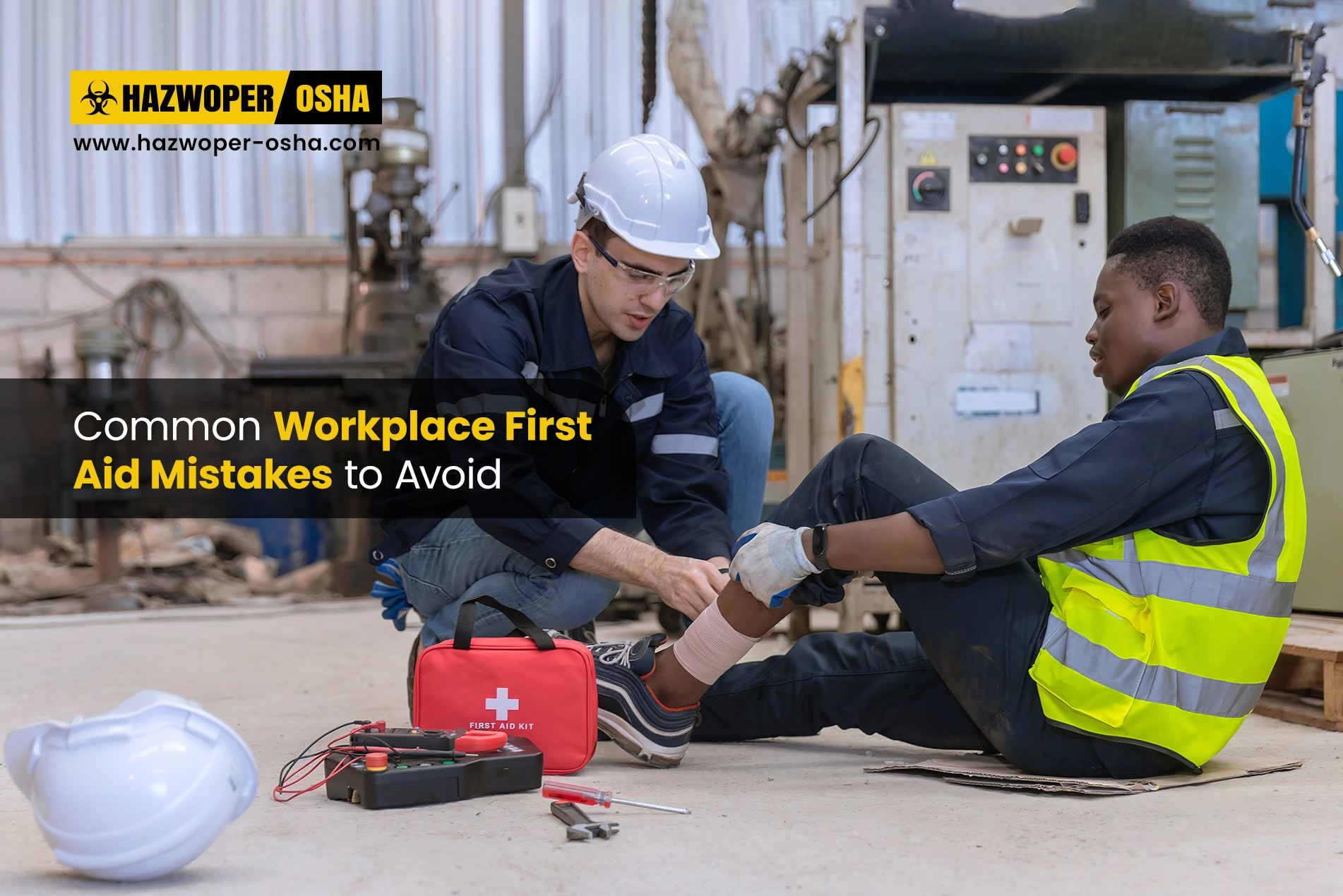
Common Workplace First Aid Mistakes to Avoid
Introduction:
A first-aid kit is stocked, emergency numbers are posted, and someone on the team may be trained in first aid. But when a workplace injury actually happens, will everyone know how to respond correctly?
In 2024, private-industry employers in the U.S. reported nearly 2.5 million recordable workplace injuries and illnesses, including more than 888,000 cases involving days away from work. While not every workplace injury requires more than first aid, these numbers show how often workers encounter situations that require an appropriate response.
In the first few minutes after an incident, even small mistakes can delay appropriate care or cause further harm. Responding without assessing the scene, using an inappropriate treatment method, overlooking serious symptoms, or relying on inaccessible or inadequate supplies can undermine an otherwise well-planned workplace first-aid program.
Effective workplace first aid is not simply about knowing what to do. It also means understanding what not to do, recognizing when professional medical assistance is needed, and responding without exposing yourself or others to additional hazards.
This blog examines common workplace first-aid mistakes and the practical steps employers and employees can take to avoid them.
Common Workplace First Aid Mistakes to Avoid
The following are some of the most common mistakes that can interfere with an effective first-aid response.
Delaying First Aid or Failing to Assess the Situation
A workplace injury can trigger very different responses. Some workers may rush in without checking for hazards, while others may hesitate or underestimate the seriousness of an injury. Recognizing these gaps in response is essential to providing timely, safe first aid.
Rushing In Blindly: Failing to Assess the Scene
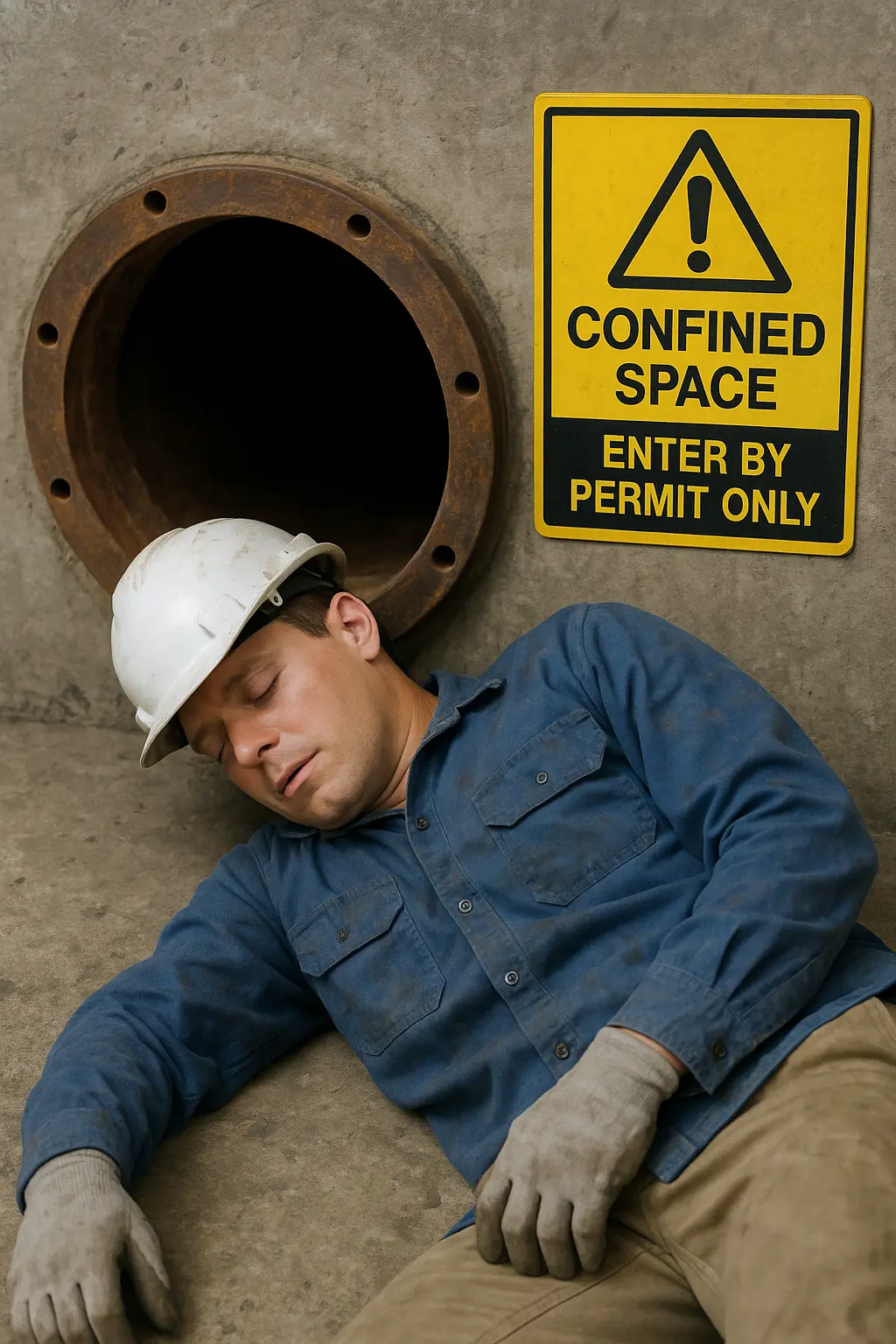
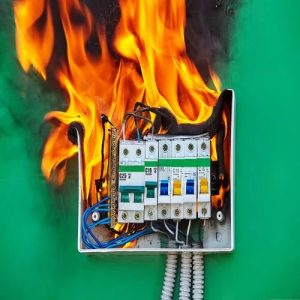
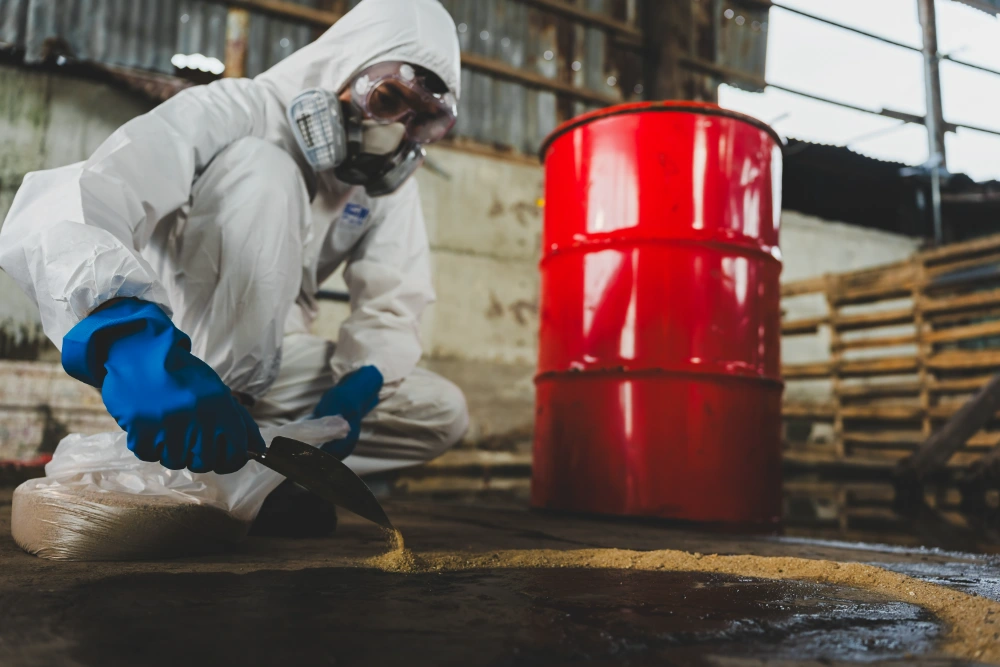
When an incident occurs, the instinct to help immediately can lead responders to overlook hazards that remain present. Entering an area affected by an electrical fault, chemical release, fire, unstable structure, or moving machinery can expose the responder to the same hazard.
Before providing first aid, responders should assess scene safety, identify ongoing hazards, and determine whether additional assistance is needed. Helping an injured worker should never create another injured worker.
Downplaying “Invisible” Injuries
Not every serious injury produces obvious external signs. A worker involved in a significant fall, collision, or blow to the head may have a concussion or internal injury without visible wounds. Shock or other complications may also develop over time.
Responders should consider the circumstances of the incident as well as visible symptoms. Do not dismiss concerning changes in responsiveness, breathing, behavior, or other symptoms simply because an injury looks minor. When serious injury is suspected, follow first-aid training and seek professional medical assistance when necessary.
Delaying First Aid Because No One Takes Charge
The opposite problem occurs when everyone assumes someone else will respond. Employees may hesitate because they are unsure who is responsible for first aid or believe someone else has already called for help.
Clear emergency procedures can reduce this uncertainty. Employees should know how to activate the workplace emergency response, who the designated first-aid responders are when applicable, and how to contact emergency medical services.
A workplace should not rely on someone eventually stepping forward. Employees should know in advance what action to take and how to get help.
Using the Wrong First Aid Technique
Good intentions can still lead to poor first-aid decisions when workers rely on common myths or improvised treatments. In an emergency, familiar advice may seem harmless but can interfere with appropriate care or create additional problems.
Consider a worker who suffers a thermal burn and someone immediately reaches for butter, oil, or ice. These familiar home remedies can be inappropriate for burns and may cause additional tissue damage or complicate the injury.
Bleeding can lead to another common misconception. A worker with a relatively minor laceration may be given a tourniquet simply because someone remembers that tourniquets can stop severe bleeding. Using one indiscriminately for a minor wound can create unnecessary risks and demonstrates the danger of applying an emergency technique without understanding when it is appropriate.
Falls present another example. If a worker falls in a busy aisle, coworkers may instinctively grab the person's arms and pull them upright to clear the walkway. If the worker has suffered a serious injury, particularly to the head, neck, or spine, moving them unnecessarily can create additional risk.
Similar problems can occur when workers improvise responses to chemical exposures, eye injuries, inhalation incidents, or other workplace-specific emergencies. What seems intuitive in the moment may not fit the actual injury or exposure.
Relying on an Inadequate or Poorly Maintained First Aid Kit
A first-aid kit can appear well stocked and still fail when an emergency occurs. The problem is often not simply that supplies are missing, but that the kit was never designed around how the workplace actually operates.
For example, a construction crew may keep its main first-aid kit in a site office while employees spend most of their shift working across a large jobsite. During an injury, workers may waste valuable time leaving the work area to retrieve supplies. Similarly, a manufacturing facility may have a general first-aid kit available, but employees may regularly encounter hazards that require additional emergency equipment.
Operational changes can create similar gaps. A workplace may add new machinery, chemicals, work areas, shifts, or remote operations without reassessing whether its existing first-aid arrangements still match those conditions. A kit that was adequate when the workplace was smaller or less hazardous may no longer be sufficient.
Another common failure occurs when supplies are used during an incident but the kit is not restored afterward. The next emergency may then occur with critical items missing. In workplaces operating across multiple shifts or locations, employees may also assume someone else has checked or replenished the supplies.
The kit's location can create another practical problem. If employees are unfamiliar with where supplies are kept, or access depends on finding a supervisor or obtaining a key, the equipment may not be immediately available when needed.
The issue is therefore not simply having a first-aid kit. It is ensuring that the equipment, quantity, location, and maintenance of first-aid supplies continue to match the way the workplace actually operates.
Neglecting Practical First Aid Training
Designated first-aid personnel are not automatically prepared just because they completed a theoretical course. First aid is skill-based, and workers may need to perform techniques under pressure rather than recall information from a presentation or manual.
Training that relies heavily on lectures or written material without practical skill development may leave responders unprepared for an actual emergency. Workers should have opportunities to practice relevant first-aid skills and apply them to realistic workplace scenarios.
Training can also become outdated when workplace hazards, equipment, procedures, or job duties change. A responder who has never practiced a particular skill or encountered a relevant workplace scenario may hesitate when that situation occurs.
The mistake is therefore not simply having too little training. It is assuming that completing training automatically means a worker is prepared to perform first aid effectively.
Failing to Differentiate First Aid From Medical Treatment
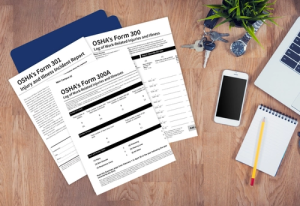
Another important workplace mistake is treating every injury that receives care as the same for OSHA recordkeeping purposes. First aid and medical treatment are not interchangeable categories under OSHA's recordkeeping rules.
OSHA provides specific criteria for distinguishing first-aid treatment from medical treatment beyond first aid. For example, certain common treatments, such as nonprescription medication at nonprescription strength, wound coverings, or cleaning and flushing wounds, may qualify as first aid when they meet OSHA's criteria. Treatment that goes beyond those provisions may make an injury recordable if the other recordkeeping requirements are met.
This distinction matters because employers may incorrectly assume that an injury is automatically recordable simply because a worker received first aid, or conversely, classify treatment as first aid when it actually meets OSHA's definition of medical treatment.
Employers should therefore evaluate the actual treatment provided, rather than relying on labels such as “minor injury” or “first-aid case,” when determining OSHA recordkeeping status. Consult OSHA's recordkeeping guidance when the classification is unclear.
This creates two clear pain points: being trained without practical preparation and misclassifying treatment for OSHA recordkeeping purposes.
How to Prevent Common Workplace First Aid Mistakes
Preventing first-aid mistakes requires more than keeping a stocked kit available. Employers should build a first-aid program around the workplace's actual hazards, establish clear response responsibilities, and regularly test whether employees can access help and equipment when an incident occurs.
Develop a Workplace-Specific First Aid Plan
- Identify foreseeable injuries and exposures: Review the tasks, equipment, chemicals, work areas, and environmental conditions that could result in injuries or medical emergencies.
- Account for emergency response times: Consider the workplace's size, location, work schedules, and the time required for emergency medical services to reach different work areas.
- Assign first-aid responsibilities: Designate trained first-aid responders where appropriate and define who is responsible for contacting emergency medical services when an incident occurs.
- Post emergency instructions where workers need them: Place clear emergency flowcharts at high-risk workstations and near first-aid equipment, including instructions for contacting emergency medical services and providing the workplace location.
Provide Appropriate First Aid Training
- Match training to workplace hazards: Select first-aid training that addresses the injuries and exposures workers could realistically encounter on the job.
- Include hands-on practice: Use practical exercises for relevant skills such as bleeding control, CPR, AED use, and other first-aid procedures rather than relying entirely on lectures or written materials.
- Practice emergency decision-making: Use realistic workplace scenarios to help responders assess the scene, decide when to provide first aid, and recognize when additional medical assistance is needed.
- Review training when conditions change: Reassess training needs when new equipment, chemicals, work processes, work locations, or significant hazards are introduced.
Inspect First Aid Supplies and Emergency Equipment
- Implement a scheduled kit audit: Assign a responsible person to inspect first-aid kits at set intervals and after any reported use, checking for missing, damaged, or expired supplies.
- Use visible inspection controls: Apply tamper-evident seals or inspection labels where appropriate so employees can quickly identify whether a kit has been opened since its last inspection.
- Keep equipment immediately accessible: Position first-aid kits and other required emergency equipment where workers can reach them without needing to locate a supervisor, obtain a key, or leave a distant work area.
- Match supplies to workplace hazards: Add specialized emergency equipment where specific workplace exposures require it, rather than relying solely on a generic first-aid kit.
- Document inspections and replenishment: Record inspection dates, missing supplies, corrective actions, and replenishment to identify recurring equipment gaps.
Practice Emergency Response Procedures
- Conduct practical emergency exercises: Periodically simulate realistic workplace incidents to test whether employees can identify hazards, summon assistance, locate first-aid equipment, and carry out assigned responsibilities.
- Test communication procedures: Confirm that emergency contact information, radios, phones, alarms, or other communication methods work from the areas where incidents could occur.
- Check equipment access during exercises: Verify that responders can reach first-aid kits, AEDs, emergency showers, eyewash stations, or other required equipment without unnecessary delays.
- Document gaps identified during exercises: Record problems involving communication, response times, equipment access, or unclear responsibilities and assign corrective actions.
- Update procedures based on findings: Revise emergency procedures, training, or equipment when exercises or actual incidents reveal weaknesses.
Review Incidents and Correct Underlying Hazards
- Review what happened after an incident: Examine the circumstances surrounding the injury, including the task being performed, equipment involved, response provided, and any barriers to obtaining first aid.
- Identify contributing hazards: Determine whether unsafe conditions, inadequate procedures, equipment problems, or communication gaps contributed to the incident.
- Assign corrective actions: Assign specific corrective measures to responsible personnel and set deadlines for completion.
- Verify that corrections were implemented: Follow up on identified hazards rather than treating the incident review as complete when corrective action is recommended.
- Use recurring incidents to identify broader gaps: Look for repeated injuries, repeated equipment shortages, or recurring response problems that may indicate a weakness in the workplace's overall first-aid or safety program.
Effective first-aid preparedness is built before an injury occurs. When response responsibilities are clear, employees have practical training, emergency equipment is accessible and maintained, and response procedures are regularly tested, workplaces are better prepared to provide timely and appropriate first aid when needed.
Workplace First Aid Readiness Checklist
Before an incident occurs, confirm that your workplace can answer “yes” to these five questions:
- Do employees know who to contact and how to summon emergency medical assistance?
- Can workers quickly locate and access first-aid supplies and emergency equipment?
- Are designated first-aid responders trained and able to perform relevant hands-on skills?
- Have emergency response procedures been practiced under realistic workplace conditions?
- Have previous incidents, equipment gaps, and identified hazards been reviewed and corrected?
Conclusion:
When a workplace injury occurs, an effective response starts before the incident happens. Employees need to recognize when a situation requires first aid, respond without exposing themselves to additional hazards, and know when professional medical assistance is necessary.
Workplace first aid is not about turning employees into medical professionals. It is about ensuring they can provide appropriate immediate care while waiting for further medical assistance when needed.
So, ask yourself: If an injury occurred at your workplace today, would your employees know how to respond safely, access the right resources, and get additional help when necessary?
Preparedness is what turns first aid from a basic workplace requirement into a practical emergency response capability.
Frequently Asked Questions