English and
 Español. After purchase, use the language toggle in your course Player to switch between English and Spanish at any time.

 EN
 ES











.webp)





















































.webp)





















.webp)

















.webp)








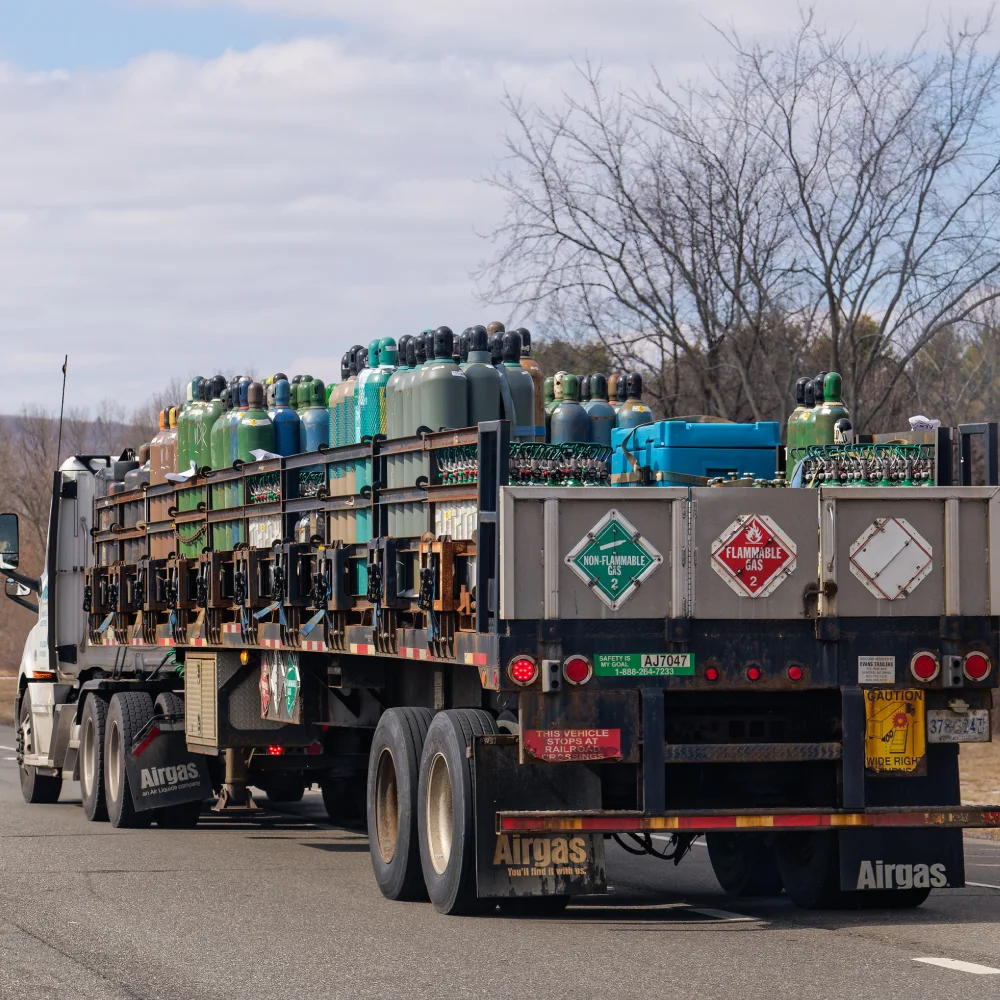



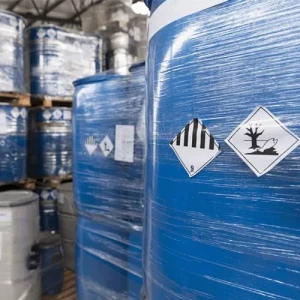
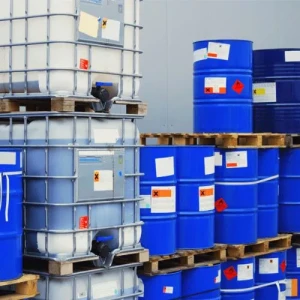







Common GHS Labeling Mistakes That Put Workers at Risk
Introduction:
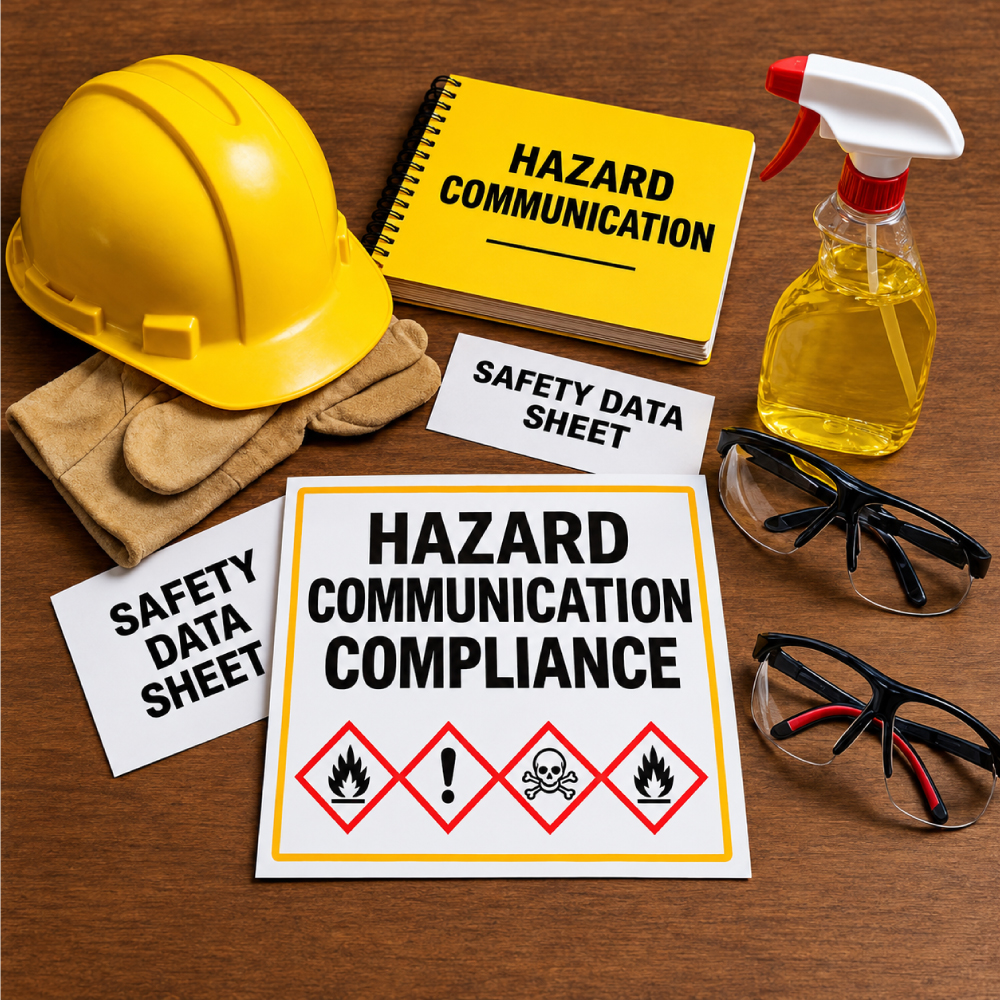
A chemical label is more than an identification tag. It communicates a substance's hazards, helping workers determine how to handle it, what precautions to take, and where to find additional safety information. When label information is incorrect, incomplete, or no longer matches the chemical inside the container, workers may make decisions based on hazards they cannot accurately identify.
Under OSHA's Hazard Communication Standard (29 CFR 1910.1200), employers must maintain effective hazard communication throughout chemical handling operations, not just when products arrive from suppliers. This requires employees to recognize chemical hazards, interpret label information correctly, and apply appropriate precautions during routine work. Understanding common GHS labeling mistakes and the controls needed to prevent them helps employers maintain accurate hazard information and protect workers from avoidable exposure risks.
Common GHS Labeling Mistakes and Their Workplace Risks
The following are common labeling failures employers should identify and address within their Hazard Communication Programs.
Incorrect GHS Label Information and Hazard Classification
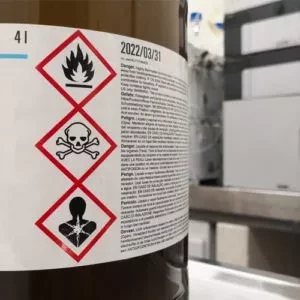
A chemical's hazard classification determines which information must appear on its GHS label. Manufacturers and importers evaluate available hazard data to identify applicable physical and health hazards, then use that classification to determine the required pictograms, signal words, hazard statements, and precautionary statements. Incorrect or incomplete information can leave workers unaware of the risks associated with a substance.
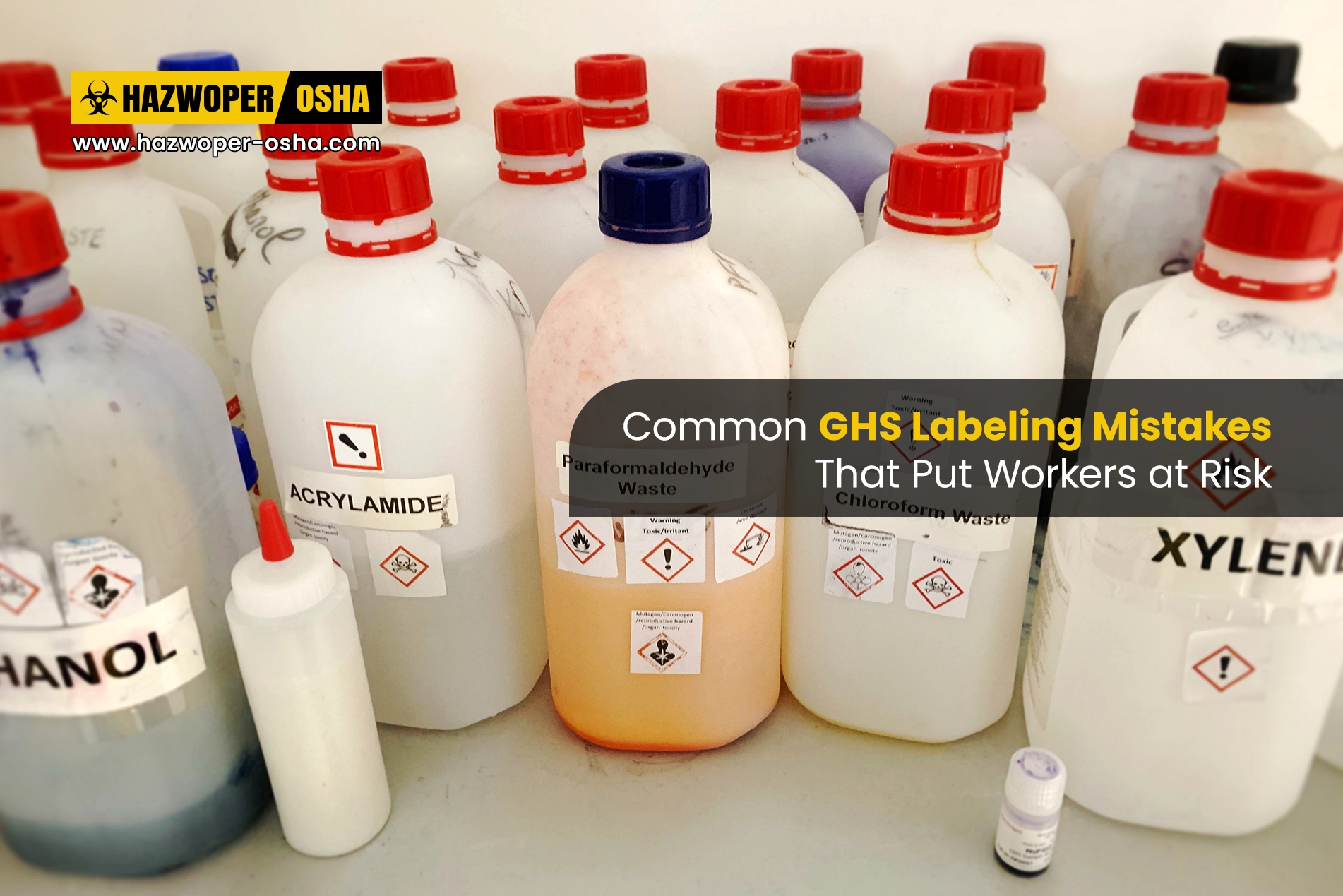
Common errors include using an incorrect product identifier, omitting required hazard statements, displaying the wrong pictogram, or assigning an inappropriate signal word. For example, a corrosive chemical without the applicable skin corrosion or serious eye damage information may lead workers to underestimate the potential for chemical burns and select unsuitable protective gloves or eye protection.
Secondary Container Labeling Mistakes
Chemical identification can become unreliable when substances are transferred from original packaging into spray bottles, dispensing containers, portable tanks, or smaller storage vessels. These transfers frequently occur during equipment cleaning, maintenance, chemical preparation, and production activities. Without appropriate workplace labeling, employees may be unable to identify the contents or understand the associated hazards.
Common mistakes include leaving transferred chemicals in unmarked containers, reusing bottles without removing outdated labels, and using vague identifiers such as "cleaner," "solvent," or "acid." Another failure occurs when workers transfer diluted chemicals but continue using labels that do not accurately reflect the resulting mixture's hazard classification. Dilution does not automatically eliminate a chemical hazard or make the resulting product nonhazardous.
Damaged, Illegible, and Improperly Displayed Chemical Labels
Chemical labels can lose their effectiveness even when their original information is accurate. Industrial environments expose containers to conditions that gradually damage printed hazard information. Solvent contact can smear printing, chemical splashes can obscure hazard statements, and repeated handling can cause labels to peel or detach. Outdoor storage, sunlight, moisture, and temperature fluctuations can further deteriorate label materials unsuitable for the operating environment.
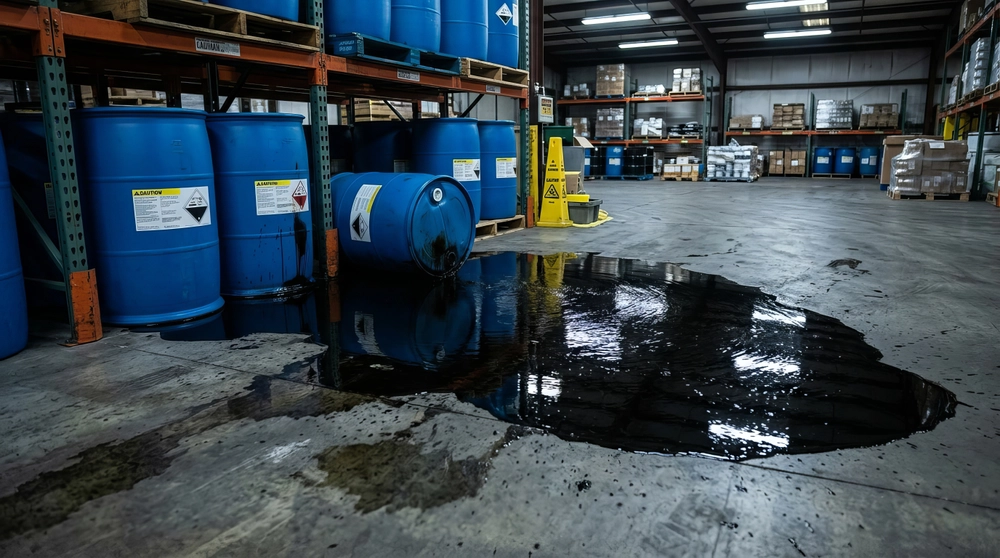
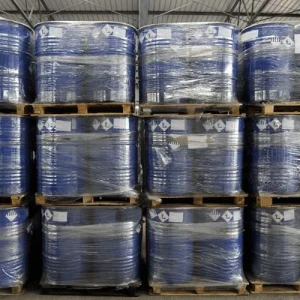
Improper container positioning creates another problem. Chemical drums stored with labels facing walls, obstructed by adjacent containers, or covered by equipment can prevent workers from readily viewing their contents and associated hazards. During dispensing or maintenance activities, employees may struggle to distinguish between similar containers or verify the correct product before beginning work.
Outdated GHS Labels and Failure to Maintain Compliance
Chemical labels can become outdated when manufacturers identify new hazards, revise product classifications, or issue corrected safety information. A revised formulation may also affect a product's hazard classification, although a formulation change does not automatically require a label change. The key concern is whether existing labeling continues to communicate the chemical's hazards accurately.
A common failure occurs when updated Safety Data Sheets (SDSs) reach the purchasing or receiving department but the revised information is not communicated to departments using the chemical. For example, a manufacturer may revise a solvent's hazard classification to identify an additional health hazard. If containers in a maintenance area continue displaying outdated information, workers may handle the product without understanding the newly identified risk.
How to Prevent GHS Labeling Mistakes Through Consistent Hazard Communication
Preventing GHS labeling mistakes requires coordinated controls across chemical receiving, workplace transfers, inventory management, and employee training.
Establish a Consistent Labeling and Verification Process
Establish a documented procedure that defines who verifies incoming chemical information, approves workplace labels, and authorizes products for routine use. Designated receiving personnel should check product identifiers and hazard information against accompanying SDSs before updating inventory records. Products with unresolved discrepancies should remain on hold until the information is verified.
For workplace transfers, provide designated labeling stations with approved labels and marking materials. Require employees to identify and label containers before they leave dispensing areas or enter shared workspaces. Supervisors should include secondary container identification in routine walkthroughs, particularly in areas where chemicals are frequently transferred between shifts. Alternative workplace labeling systems may identify products and communicate their general hazards without reproducing all six elements required on shipped-container labels, as permitted under OSHA 29 CFR 1910.1200(f)(6).
Keep Chemical Inventories, Labels, and SDSs Updated
Maintain a centralized chemical inventory that connects product identifiers with corresponding SDSs and workplace storage or use locations. This allows responsible personnel to identify affected products and locate containers when suppliers issue revised hazard information or chemicals move between departments.
Assign responsibility for reviewing supplier SDS revisions and determining whether changes to hazard classifications require updates to workplace labels, hazard communication materials, or employee training. Document the review, affected products, required corrective actions, and completion status. The process should account for original containers, secondary containers, and chemicals held in maintenance and dispensing areas. SDSs must also remain readily accessible to employees during each work shift.
Train Employees to Recognize and Report Labeling Errors
Employee training should enable workers to interpret GHS pictograms, signal words, hazard statements, and precautionary statements, as well as locate relevant information in SDSs. Employees must understand the facility's labeling procedures, recognize unidentified or damaged containers, and know how to report missing, incorrect, or inconsistent hazard information.
Supervisors should reinforce these procedures during workplace inspections and task-specific briefings. Under OSHA 29 CFR 1910.1200(h), employers must provide additional training when a new chemical hazard is introduced into an employee's work area and the employee has not previously been trained on that hazard.
10-Point GHS Label Verification Checklist for Safety Managers
Use this checklist during chemical receiving inspections, routine workplace walkthroughs, and periodic Hazard Communication Program audits. It helps safety managers verify that shipped-container labels, workplace labels, chemical inventories, and Safety Data Sheets (SDSs) communicate consistent hazard information.
- Product Identifier: Confirm that the product name or identifier on the container matches the corresponding SDS and chemical inventory. Investigate discrepancies before the product is released for routine use.
- Hazard Statements: Verify that the label includes the applicable hazard statements and that they accurately reflect the product's classification.
- GHS Pictograms: Check that the required pictograms are present, clearly visible, and consistent with the hazards identified in the SDS.
- Signal Word: Confirm that the correct signal word, Danger or Warning, appears where required by the product's hazard classification.
- Precautionary Statements: Verify that the label communicates the applicable precautions for prevention, response, storage, and disposal.
- Supplier Identification: Check that shipped-container labels include the required supplier, manufacturer, or importer name, address, and telephone number.
- Workplace and Secondary Container Labels: Inspect transferred and secondary containers to confirm that they are identified and communicate the required general hazard information. Verify that any alternative labeling system meets OSHA's applicable requirements and that exceptions, such as the immediate-use provision, are applied only when their conditions are met.
- Label Condition and Visibility: Check for labels that are damaged, faded, obstructed, illegible, or improperly displayed. Confirm that employees can readily identify the container and access its hazard information during the work shift.
- SDS and Inventory Consistency: Compare container identifiers and hazard information with the corresponding SDS and inventory records. Check that revised SDS information has been reviewed and that affected workplace labels and records have been updated when necessary.
- Employee Understanding and Reporting: Confirm that employees know how to interpret label information, locate the relevant SDS, and report missing, damaged, or inconsistent labels. Verify that supervisors understand the facility's escalation and corrective-action procedures.
Conclusion:
GHS labeling mistakes can create gaps between a chemical's actual hazards and the information workers rely on before handling it. Incorrect supplier labels, unidentified secondary containers, and outdated hazard information can lead to inadequate precautions, unsafe handling decisions, and delayed responses to chemical incidents.
For employers and Safety Managers, maintaining accurate hazard communication requires an ongoing system of verification, record management, employee training, and corrective action. These controls help ensure that reliable hazard information follows each chemical from receiving through storage, transfer, and use.
A chemical label is only effective when it accurately identifies the contents and communicates their hazards at the point of use. Maintaining that accuracy is essential to a reliable workplace Hazard Communication Program.
Frequently Asked Questions