 English and
 Español. After purchase, use the language toggle in your course Player to switch between English and Spanish at any time.

 EN
EN ES
ES























































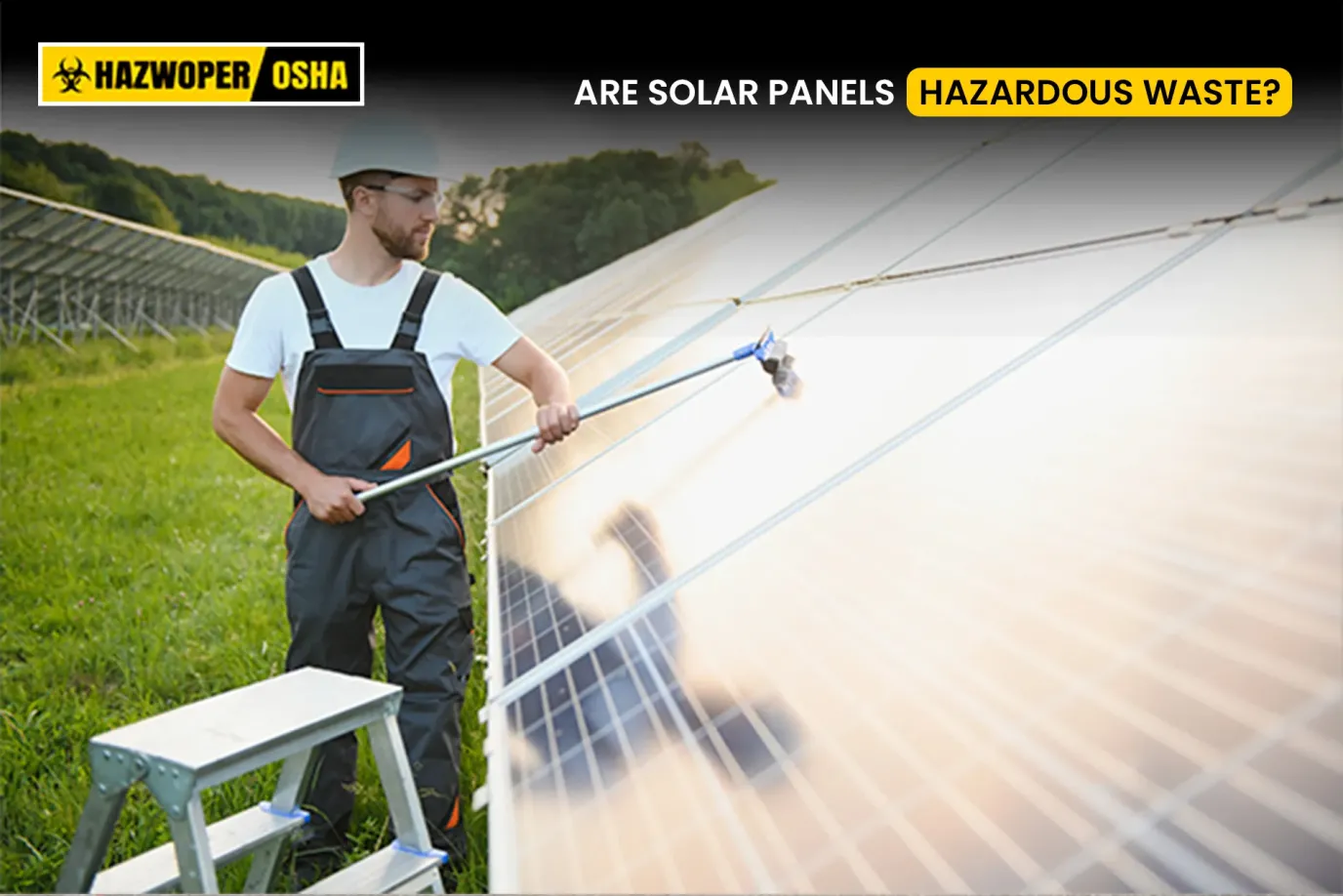
Are Solar Panels Hazardous Waste?
Introduction:
Solar panels are the cornerstone of the future transformation of clean energy globally, as they power millions of homes and businesses. However, this green revolution has a challenge: the safe disposal of solar panels as they reach the end of their lifespan. U.S. is predicted to generate up to 1 million tons of solar panel waste, a serious concern about environmental safety and waste management. Some panels contain hazardous materials like lead and cadmium, raising the question: should these be classified as hazardous waste? Companies like Solar Cycle are stepping up with large-scale recycling efforts for solar panels, as they have recycled almost half a million panels in 2024 alone. Yet there is still a considerable risk of improper disposal, and existing regulatory frameworks remain fragmented and insufficient. Are you curious whether solar panels qualify as hazardous wastes and how this growing issue is being addressed? Read our blog post to know if whether solar panels are classified as hazardous waste and what the future holds for their disposal and recycling.
What Makes Waste "Hazardous" Under Federal Regulations?
The U.S. Environmental Protection Agency (EPA) under the Resource Conservation and Recovery Act (RCRA) defines hazardous waste as any material that threatens human health and the environment because of its chemical properties and origin.
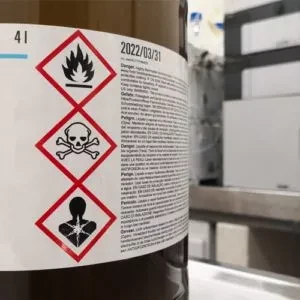
The EPA classifies hazardous wastes on four characteristics: corrosivity, reactivity, ignitability, and toxicity.
What are Hazardous Waste Classification Criteria?
Key Characteristics That Define Hazardous Waste (RCRA Criteria)
Under the U.S. Resource Conservation and Recovery Act (RCRA), a material is classified as hazardous waste if it exhibits certain physical or chemical properties that can harm human health or the environment. These properties are grouped into four main characteristics: ignitability, corrosivity, reactivity, and toxicity..
1. Ignitability:
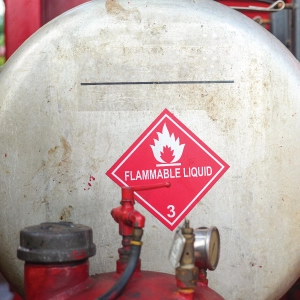
Waste is considered ignitable if it can easily catch fire or has a low flashpoint (typically below 60°C). In solar panels, this risk is mainly associated with polymer-based backsheet materials such as polyvinyl fluoride or polyethylene terephthalate.
When exposed to high temperatures, these materials may burn, posing a fire hazard. Ignitability is commonly measured using standardized laboratory methods such as the Pensky-Martens Closed-Cup Test and the Setaflash Test.
2. Corrosivity:
Corrosive waste is defined as material that has extremely high or low pH levels (≤2 or ≥12.5) or can corrode steel. In solar panel systems, corrosion risks are usually linked to chemical residues from manufacturing or associated energy storage components, such as batteries.
If these substances leak during disposal or recycling, they may damage equipment and pose environmental risks. Corrosivity is typically tested using pH analysis methods and standardized steel corrosion tests.
3. Reactivity:
Reactive waste is unstable under normal conditions and may cause explosions, violent reactions, or release toxic gases. This includes materials that can degrade or react when exposed to heat, water, or pressure.
In solar panels, certain semiconductor materials, such as cadmium telluride (CdTe) and copper indium gallium selenide (CIGS), may release harmful fumes if damaged by fire or mishandled. Standard reactivity screening tests are used to assess these risks.
4. Toxicity:
Toxic waste contains harmful substances that can leach into soil or groundwater, causing environmental damage. This classification is determined using the Toxicity Characteristic Leaching Procedure (TCLP).
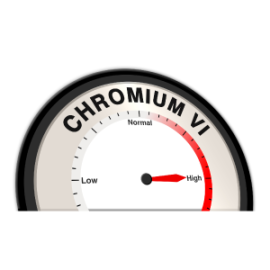
Solar panels may contain trace amounts of heavy metals such as lead, cadmium, selenium, arsenic, and chromium. If not properly managed, these substances can leach into the environment, making safe disposal and recycling essential.
FAQS:
Are all solar panels considered hazardous waste?
No. Most solar panels are not automatically classified as hazardous waste. Classification depends on the presence of regulated materials and whether they fail toxicity tests such as the TCLP (Toxicity Characteristic Leaching Procedure).
What happens to solar panels after they are removed?
After removal, solar panels are typically decommissioned, collected, and sent to recycling facilities, where materials such as glass, aluminum, and silicon are recovered. Damaged panels may be processed as waste under environmental regulations.
Can solar panels be recycled?
Yes. Solar panels can be recycled, and many components, including glass, metals, and silicon, can be recovered and reused. Recycling helps reduce environmental impact and landfill waste.
Why are some solar panels considered risky for the environment?
Some solar panels contain materials such as lead or cadmium. If damaged or improperly disposed of, these substances can leach into soil or water, causing environmental contamination.
Do solar panels fall under e-waste regulations?
In some cases, yes. Certain states classify solar panels under e-waste or similar electronic waste frameworks. However, regulations vary widely depending on location and panel composition.
What is the safest way to dispose of solar panels?
The safest method is to use certified recycling facilities or approved waste handlers who follow EPA and state regulations. Proper documentation and compliance procedures should always be followed.
What’s the End-of-Life Process for Solar Panels? (Place it before conclusion section)
Solar panels are designed to last approximately 25 to 30 years, after which their energy efficiency declines, and they require replacement or removal from service. This stage is known as the end-of-life (EOL) phase.
When solar panels reach this stage, they do not simply become waste. Instead, they typically follow a structured management process to minimize environmental impact and recover valuable materials.
Key Stages of Solar Panel End-of-Life Management:
1. Decommissioning
Solar panels are safely disconnected from the energy system and removed from rooftops or solar farms. Electrical components are handled carefully to prevent damage or hazards.
2. Collection and Transportation
Decommissioned panels are collected and transported to certified recycling or waste management facilities. Proper handling is required to prevent breakage and material leakage.
3. Sorting and Assessment
At recycling facilities, panels are inspected and sorted based on condition:
Reusable panels (refurbishment potential)
Recyclable panels
Damaged or broken panels requiring material recovery
4. Recycling and Material Recovery
Panels undergo processing to recover valuable materials such as:
Glass (major component)
Aluminum frames
Silicon cells
Trace metals (like silver and copper)
5. Waste Residue Management
Any non-recoverable materials are treated and disposed of according to environmental regulations to prevent contamination.
Proper end-of-life management reduces landfill waste, prevents toxic material leakage, and supports a circular economy for solar technology.
Conclusion
Solar panels power a greener future, but their end-of-life handling is as important as their installation. Although not all panels are dangerous, some, particularly older or broken ones, pose environmental threats when handled improperly. Companies must remain educated, test when necessary, and work with certified recyclers to stay compliant and sustainable. At HAZWOPER OSHA TRAINING, we are providing hazardous waste manifest training to help companies and recyclers understand the effective management of hazardous waste. Clean energy shouldn't leave a dirty legacy. Solar can be a genuine part of the solution using thoughtful planning and good disposal.
References
Environmental Protection Agency, May 2, 2025, End-of-Life Solar Panels: Regulations and Management, https://www.epa.gov/hw/end-life-solar-panels-regulations-and-management